

Best time to visit China: a month-by-month, region-by-region guide
By Jack Guo··Updated
China is large enough that talking about a "best time to visit" is roughly like talking about a best time to visit Europe. Different regions ask for different months. The useful version of this guide gives you both axes: when each region peaks, and what each month makes available.
The month-by-month read
March
Late March is the year's quietest premium month. The cherry and plum blossom comes through the south in the second half. Yunnan, Sichuan, and the southern Yangtze are at their best for travellers who want clarity without crowds. Beijing is still cool and brown, the kind of brown that makes the Forbidden City roofs read sharper. Xi'an is starting to soften.
April
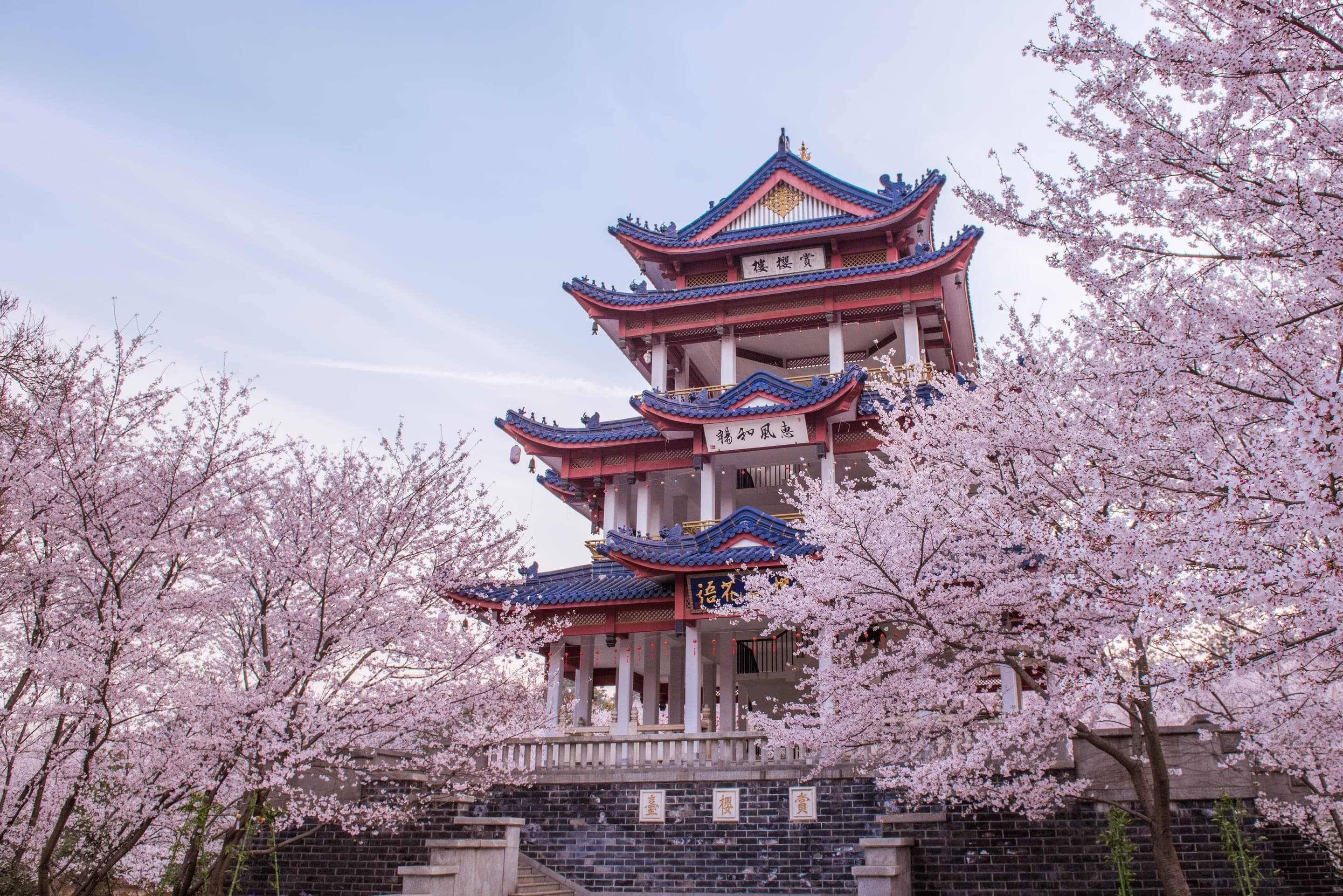
The most reliably beautiful month for central China. Cherry blossom is at peak in Wuxi and along the lower Yangtze in early April. Xi'an's spring light comes in around the third week. The Yangtze is at its highest seasonal water. Air quality is usually excellent across the imperial cities. Crowds at the headline sights are present but not heavy, except during the 5 April Qingming long weekend.
May
Warm without being humid in most regions. The peak Yangtze cruise window, especially the first three weeks. The 1-5 May labour holiday is a major domestic travel rush; we plan trips to be on rest days during that window rather than at the major sites. After labour week, late May is one of our favourite times in the country.
June
Still beautiful in the south for the first half, then the rains arrive in the Yangtze basin and Sichuan by mid-month. Guilin starts getting murky. Beijing is warm and dry, often clear, sometimes hot. We still run trips in June, often slightly inverted versions that lean north and inland.
July
Honest answer: not our favourite month. The east and south are humid, crowded with school-holiday domestic tourism, and meteorologically unstable. The honourable exception is the northwest (Gansu, the Hexi Corridor, the Tibetan plateau via Xining), where July is one of only two viable months. Trips with school-aged Australian children sometimes default to July; when they do, we lean route into the cooler regions.
August
Similar to July, with the addition of typhoons on the eastern coast and the busiest week of domestic travel (the school-holiday tail). We design fewer trips in August than any other month. The high northwest and the Tibetan plateau remain viable; the rest of the country, less so.
September
The first half is transitional; the second half is when October starts. Mid-September onwards, Beijing's skies clear. Xi'an settles. The Yangtze re-enters its second peak window. The mid-Autumn Festival around late September is briefly busy at the headline sites.
October
The single strongest month of the year across almost every region. Clearest skies. Mildest temperatures. Imperial sites at their photographic best. The catch is the Golden Week national holiday from 1-7 October, when domestic travel volume at Beijing, Xi'an, and Hangzhou is genuinely uncomfortable. We schedule premium trips to start either before 1 October (returning during the rush from quieter regions) or after 8 October (the calmest two weeks of the year, in our view).
November
The most underrated month in the calendar. Beijing is crisp and clear. Xi'an's autumn colour holds into the first half. The Yangtze finishes its cruise season around mid-November. Guilin is the best version of itself. Air is dry, light is long-shadowed, crowds are thin. The only constraint is layered clothing for the cold mornings.
December
Beijing and the north get genuinely cold. The Great Wall in winter is striking and almost empty. The southern provinces (Yunnan, Guangxi, Hainan) are mild and viable. We design fewer trips in December but the ones we do run are often the most photographically rewarding for travellers who like quiet over warmth.
January and February
The Spring Festival week is the loudest week in the country and we do not run regular trips through it. The fortnights either side, however, are surprisingly quiet in the south. Yunnan in February has its own clear, cool, mountain light. Beijing in February is reliably cold and empty. We will design winter trips for travellers who explicitly want that aesthetic.
What this means for trip design
Most travellers will end up in one of three windows: April-May, September-October, or late October-November. All three are defensible. The choice between them is usually shaped by which region anchors the trip.
The right question is not "when should I visit China" but "what do I want China to feel like when I am there". October Xi'an feels different from April Xi'an, and neither is wrong.
If your decision now is between October and April, the practical detail on Xi'an's pacing is in the how many days in Xi'an piece, and the entry conditions are in the visa-free guide.
Frequently asked questions
What is the single best month if I have to pick one?
October. Almost everywhere in the country reads well in October. Skies are clearest, temperatures are mild, autumn light hits the imperial sites at their best, and the worst of the summer crowds have eased. If we had to recommend one month sight-unseen, it would be October.
Is summer really that bad?
July and August are humid and crowded almost everywhere east of Chengdu. They are not impossible (we still run trips in July, especially for travellers with school-aged children), but they are the months we recommend least. The exception is the high northwest and the Tibetan plateau, which only really open in summer.
When is the Spring Festival, and should I avoid it?
Spring Festival (Chinese New Year) falls on a lunar calendar; in 2027 it is 6 February. The week around it is the biggest annual travel rush in the world. We do not run regular trips during it. The two weeks before and after are surprisingly quiet and a beautiful time to be in southern China.
Does air quality matter for trip timing?
Less than it used to. Beijing and Xi'an in 2026 have markedly cleaner air than a decade ago, with spring and autumn the most reliable. Late autumn into winter in the north still occasionally brings dusty or smoggy days, which factor into pacing but rarely into avoidance.
What about the Yangtze cruise season?
Yangtze cruises run roughly mid-March to mid-November. The most rewarding windows are April-May (high water from spring melt) and September-October (mild weather, clearest light). July-August are operationally fine but viewed by most experienced cruise directors as the weakest months for atmosphere.
Related reading
How many days do you need in Xi'an?
Three days for most travellers. The season shapes which third day works best.
Terracotta Army: tickets, early access, and how to pace the visit
The site is indoors and temperature controlled, so the season matters less for the warriors than for the bus ride out and back.
China's 30-day visa-free scheme (2026)
30 days, no application, confirmed through end of 2026 for travellers from Australia, the UK and New Zealand. The visa change that lets you plan on shorter notice.
Destinations across China's seasons
What the calendar means for each region we arrange. Pick the city, the month follows.
If this is the kind of trip you're imagining, let's design yours.