
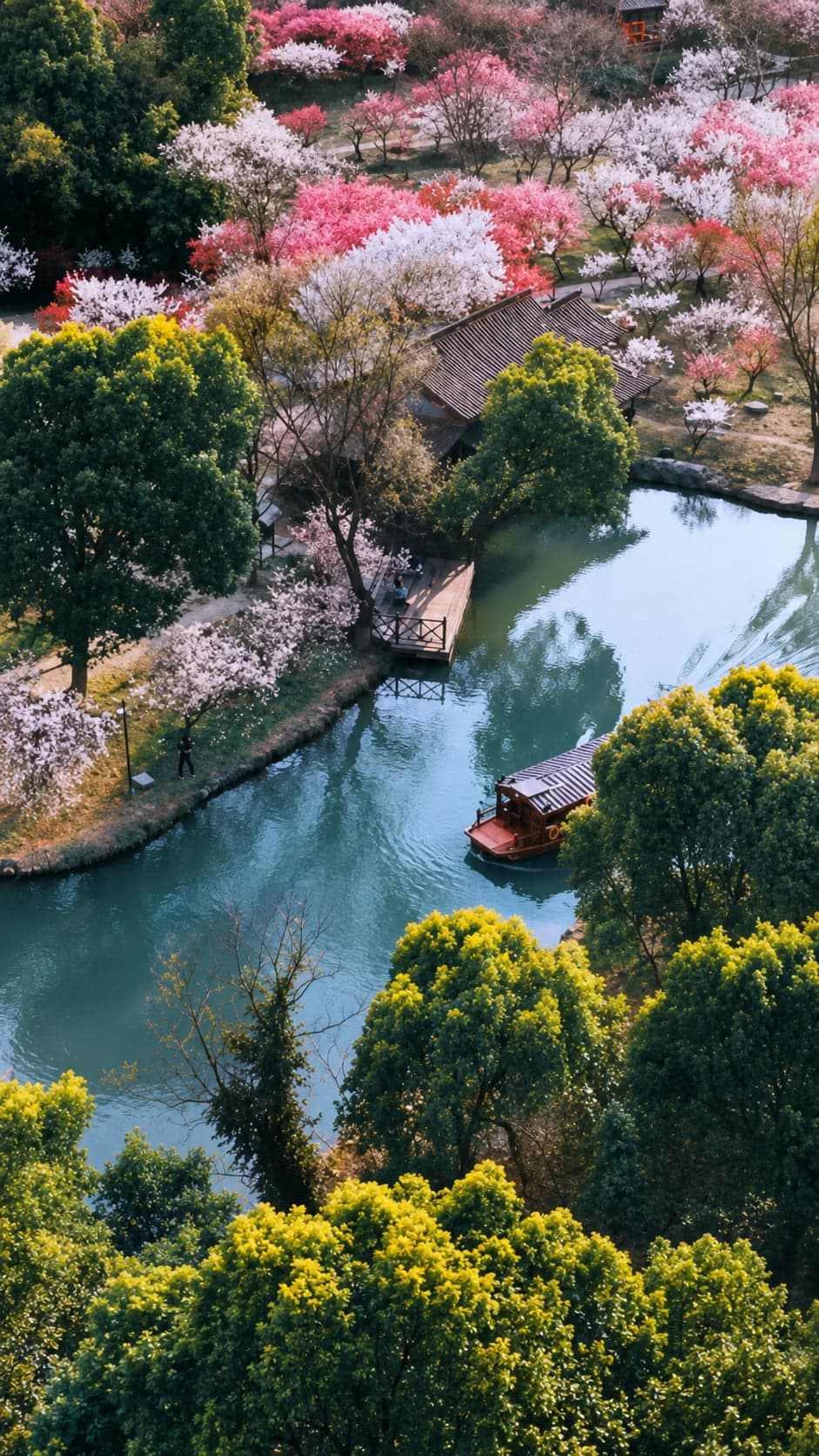
Hangzhou
the city Chinese poets called paradise on earth
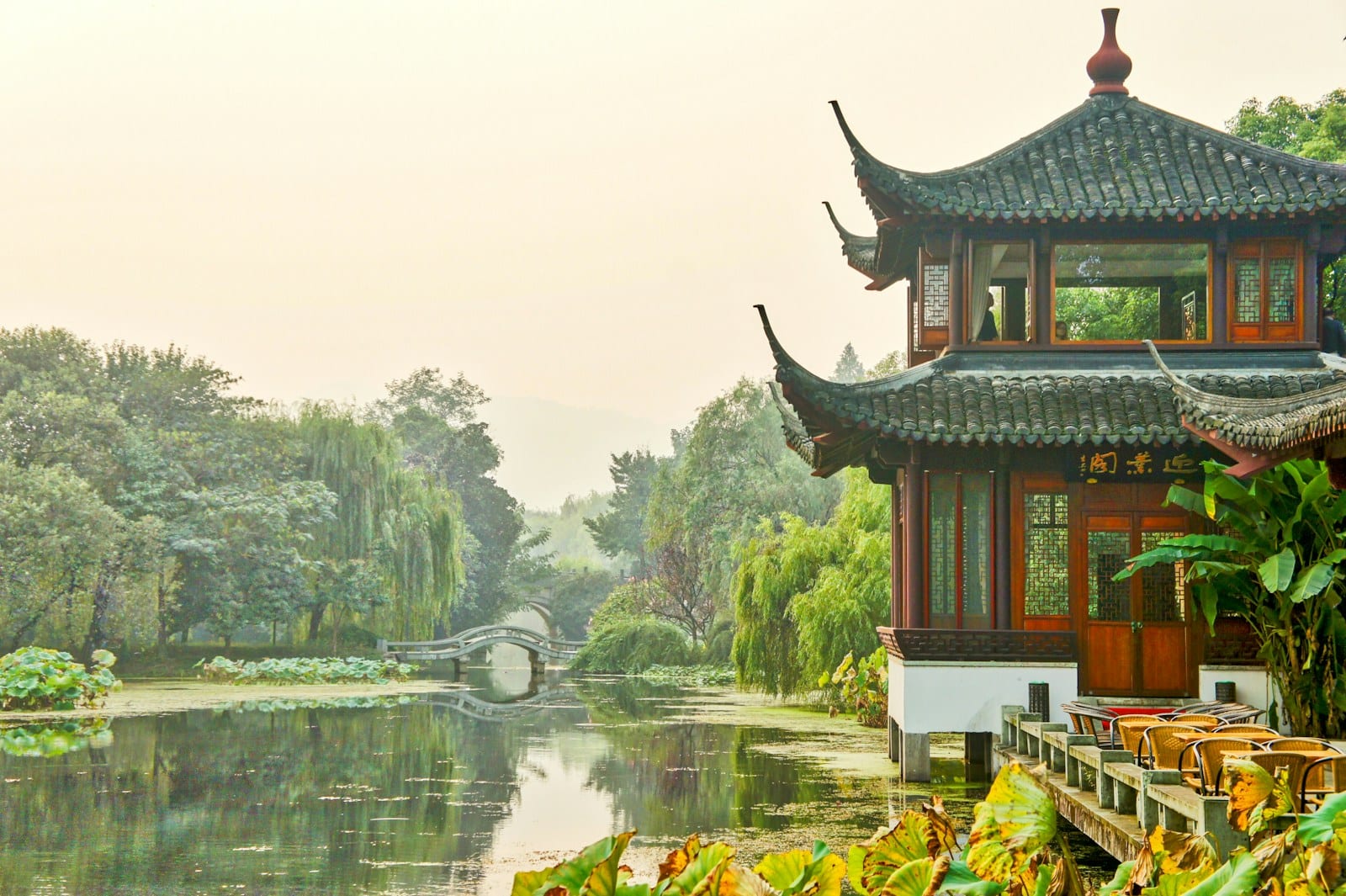
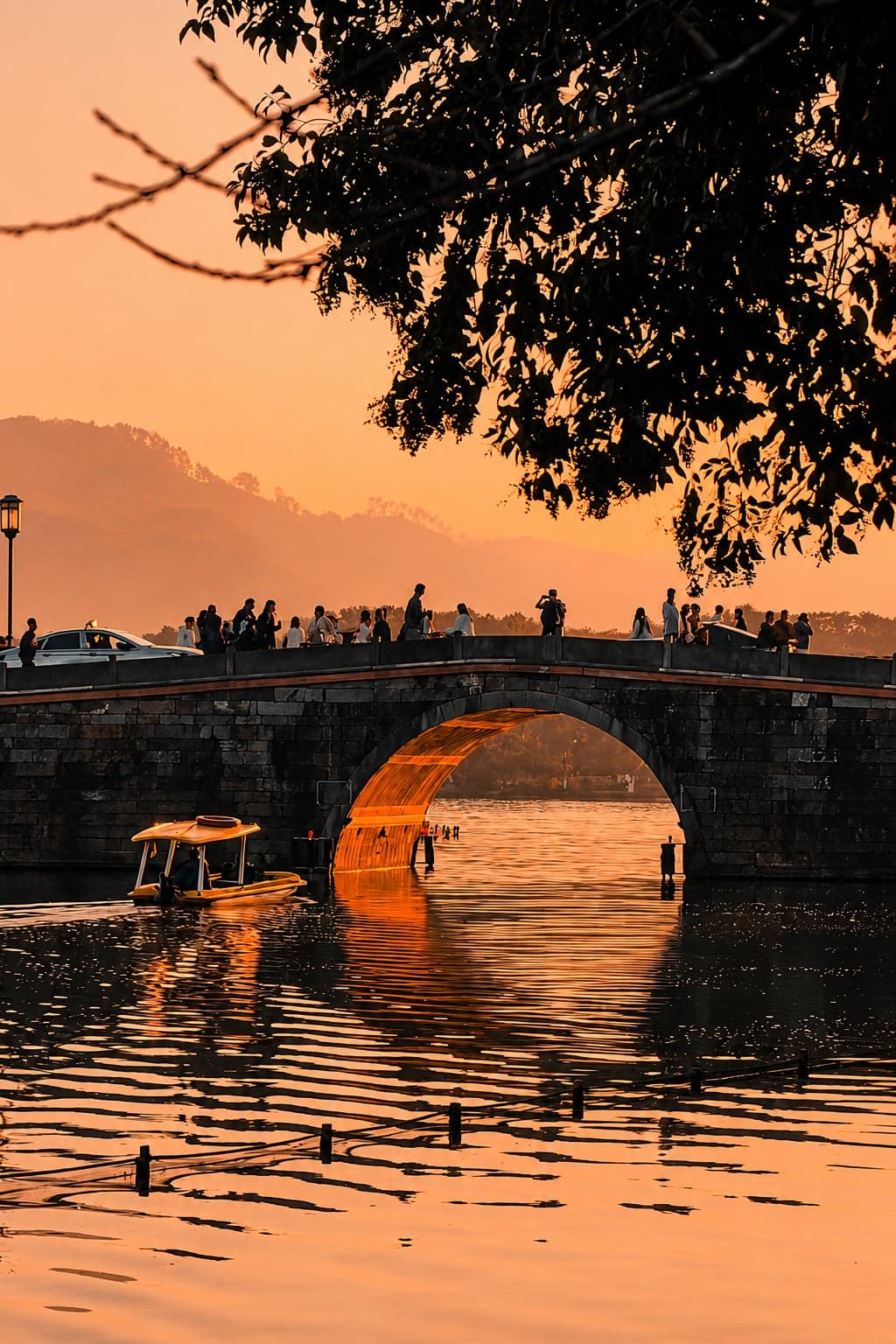
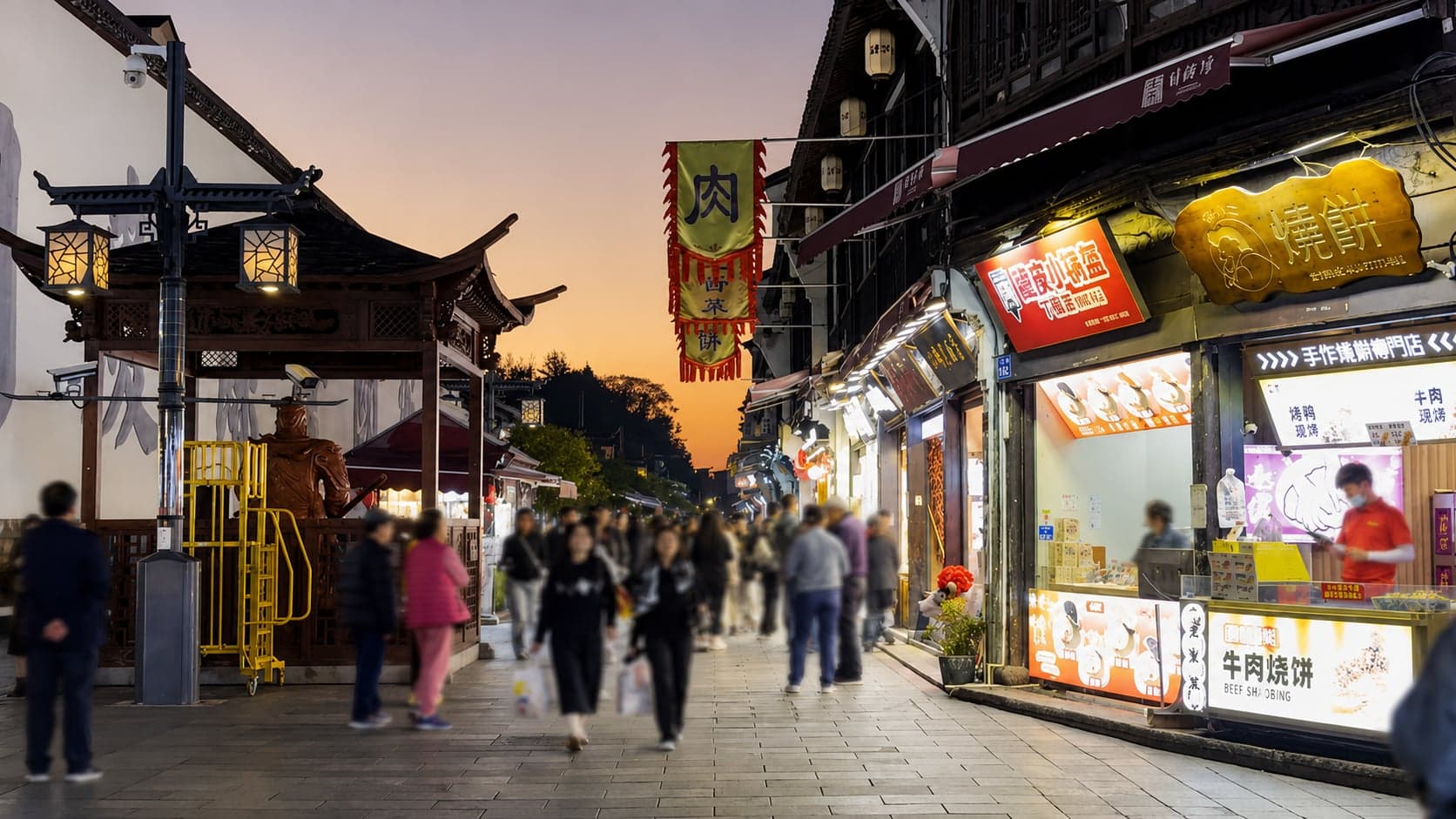
Chinese poets have called Hangzhou paradise on earth for a thousand years. At dawn, West Lake still looks the way they painted it: mist on the water, pavilions surfacing one at a time, and the Broken Bridge holding soft pink before the first boats leave the dock. By evening, the aromas of Dongpo pork and steamed rice cakes drift through the lantern-lit lanes of Hefang Street, where China's oldest brands still keep their original storefronts.
Why people
come to Hangzhou.
What to see

West Lake at dawn(the painted lake of Chinese poetry)
West Lake is one of the most painted landscapes in Chinese poetry.
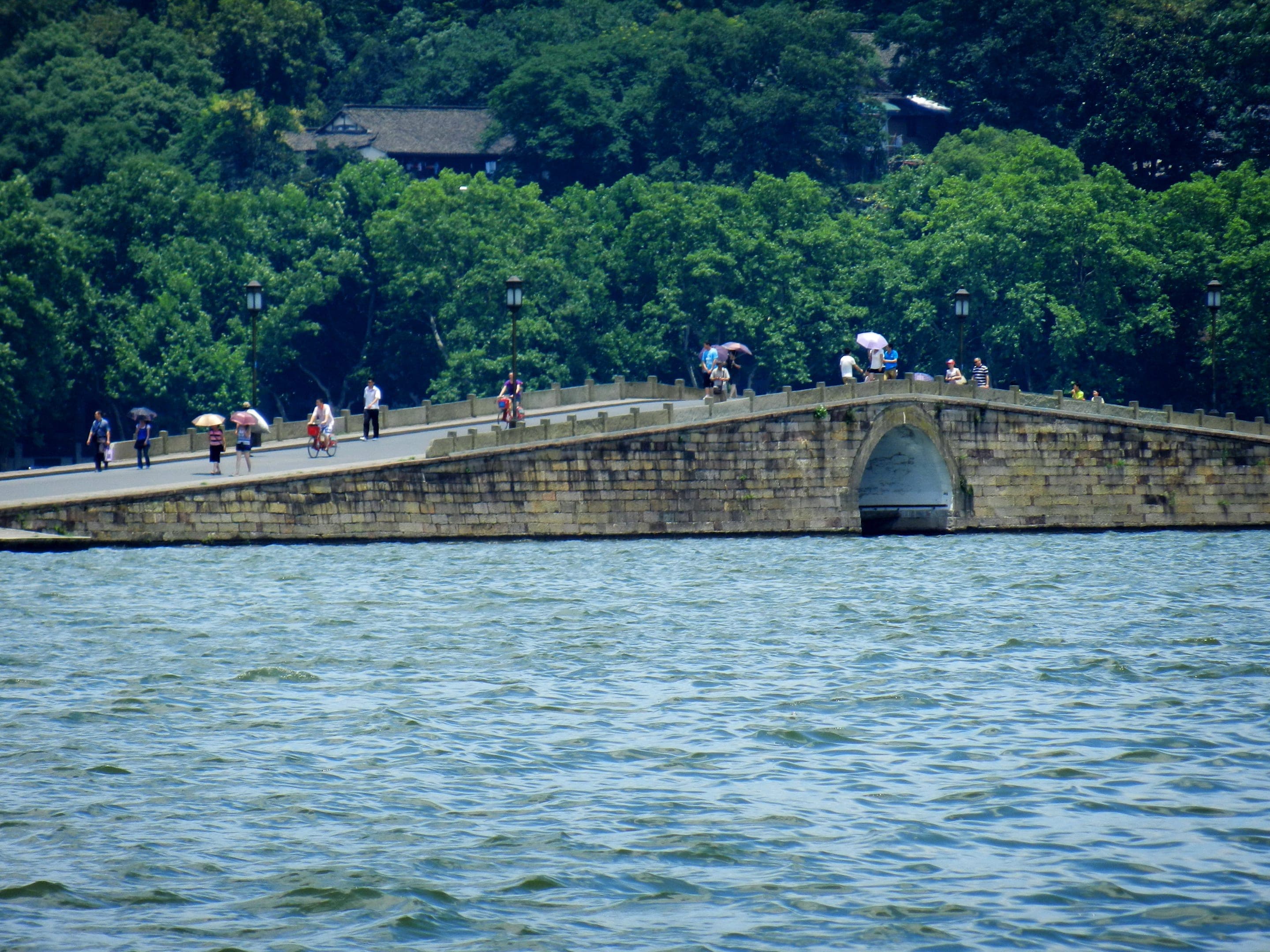
Before seven the north shore is yours. Mist sits low, pavilions surface one at a time, and the Broken Bridge holds soft pink for about twenty minutes before the first boats leave the dock.
We walk the Bai Causeway from the Broken Bridge to Solitary Hill at first light, ahead of the day-trip convoys from Shanghai. Arriving before seven gives you mist on the water, pink light on the bridge, and a long stretch of empty causeway. The car waits at Solitary Hill.

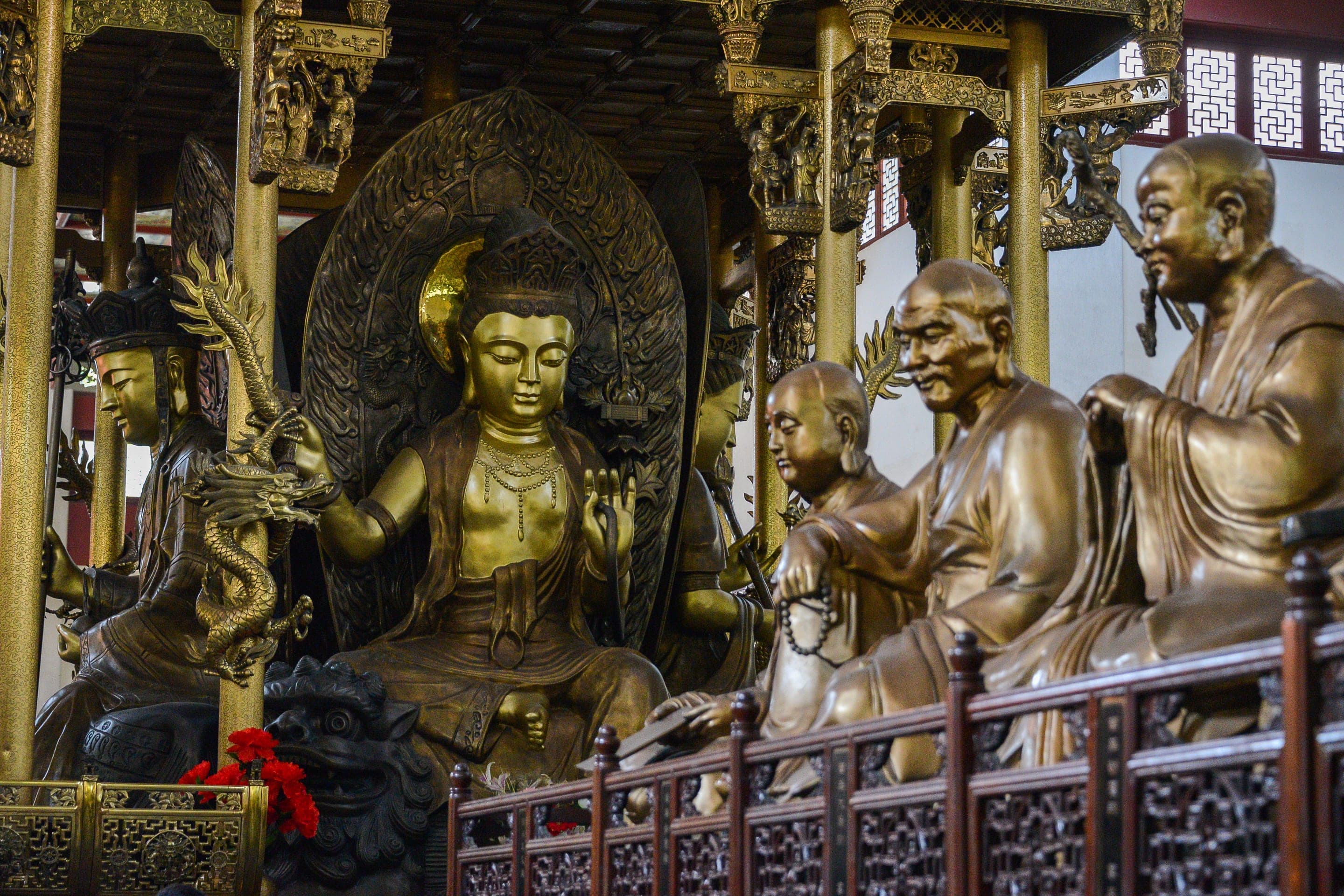
Lingyin Temple(Soul's Retreat, founded 328)
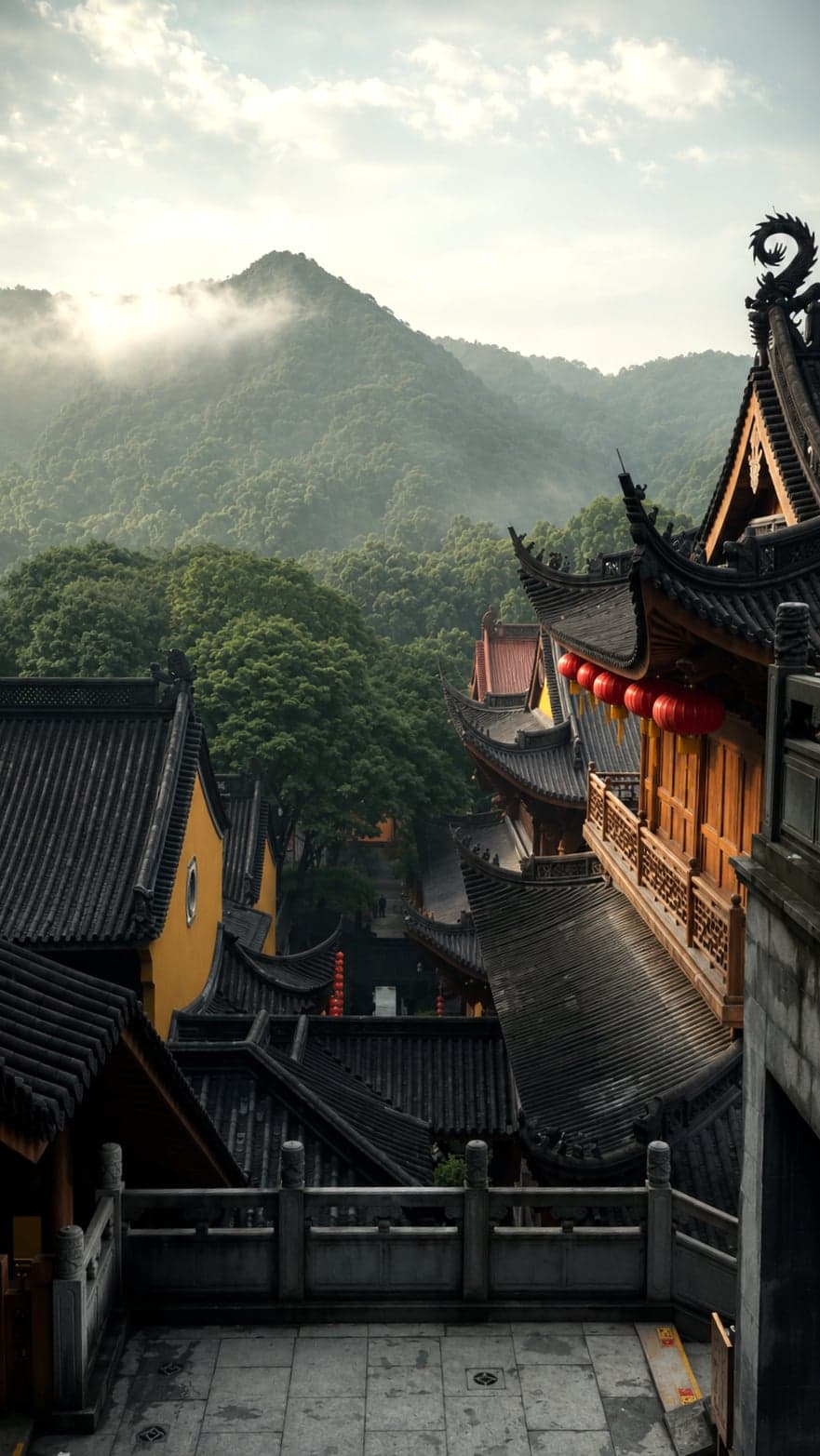
Founded in 328 by the Indian monk Huili, Lingyin is one of China's oldest Chan Buddhist monasteries.
The approach passes the Feilai Feng cliff, where more than 470 stone Buddhas were carved between the 10th and 14th centuries. Higher up the valley, the Mahavira Hall is a working prayer hall: incense smoke curling through the rafters, low chanting carrying across empty courtyards.
We bring you to the Feilai Feng cliff before the gates open, then inside for the morning chanting in the Mahavira Hall. A specialist on Song and Yuan Buddhist sculpture walks the cliff and reads the better carvings aloud. By the time the day groups reach the third hall, you have already moved past it.

Broken Bridge(one of West Lake's Ten Scenes, the Madame White Snake opening)
Broken Bridge is the opening scene of the Madame White Snake legend: this is where Bai Suzhen and Xu Xian shelter under one umbrella in a sudden rain.
The bridge sits at the east end of the Bai Causeway. The name comes from a winter trick of light: snow melts first on the south-facing arch so the bridge looks broken in the middle from across the lake.
We walk the bridge in the still hour after first light, before the photo line forms at the east arch. Your guide reads the Madame White Snake passage at the spot where Bai Suzhen offered Xu Xian the umbrella. On a winter trip we time the visit an hour after fresh snowfall, when the south arch has cleared.

Leifeng Pagoda(975, rebuilt 2002)
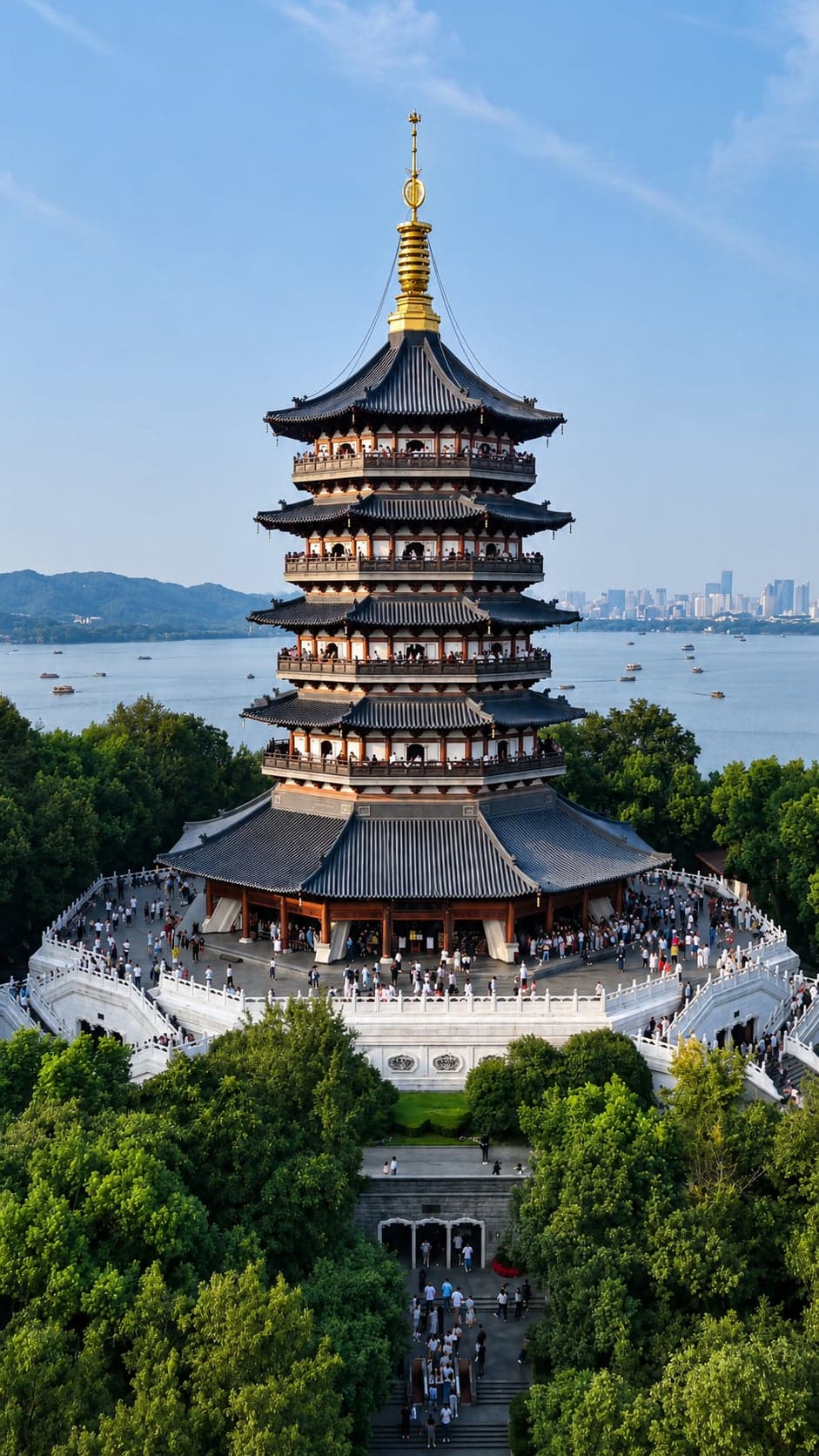
Leifeng Pagoda is where the Madame White Snake legend ends, with its heroine sealed in the crypt beneath your feet.
The pagoda was first raised in 975, collapsed in 1924, and rebuilt on the same foundations in 2002 with the original relic chamber preserved as found. From the top deck in the afternoon, light goes gold across the water and the long causeways stretch toward the islands.
We time the visit for the last hour before closing, when the photo platform empties and afternoon light pools gold across the lake. Your guide reads the Madame White Snake legend at the spot where the relic chamber was uncovered, and a thousand-year story returns to where it was found.

Three Pools Mirroring the Moon(stone pagodas on Xiaoyingzhou, on the back of the 1-yuan note)
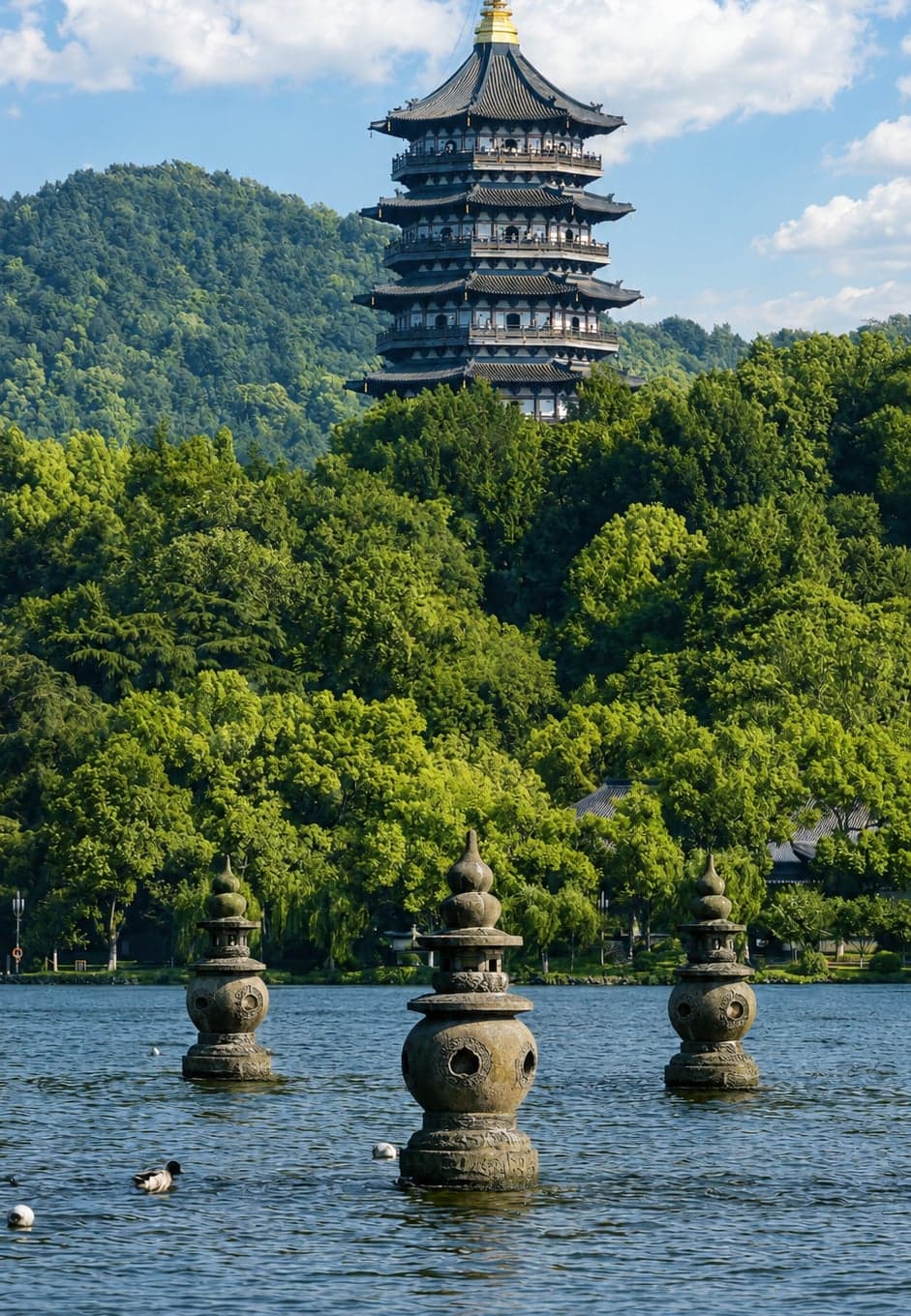
Three Pools Mirroring the Moon is the picture in your pocket: the three stone pagodas in West Lake's Outer Lake are on the back of every 1-yuan note.
Su Shi raised the first set in 1089 as water-depth markers when he dredged the lake, and the Ming rebuilt the current three in 1621. On Mid-Autumn the pagodas are lit with candles and screened with paper, so the reflections double, triple, and give the view its name.
We take the quieter Xiaoyingzhou ferry mid-morning, ahead of the lunchtime peak. The loop around the island is timed so the pagodas sit against late-afternoon light on the return. On Mid-Autumn we book a private wooden oar-boat that circles the pagodas after the candles are lit.

Hefang Street(the old-shop row, the Qing-era heritage axis)
Hefang Street is Hangzhou's heritage axis, a one-kilometre Qing-era shop row at the south end of the old city where some of China's oldest brands still keep their original storefronts.
Zhang Xiaoquan has forged scissors at the corner since 1663. Hu Qing Yu Tang has made traditional medicine on the same plot since 1874, its courtyard pharmacy now a working museum.
We walk the street from south to north after mid-morning. By then the calligraphy stalls have set their inkstones, and Hu Qing Yu Tang opens its herb cabinets for browsing. Your guide reads the founding plaque at each old shop. At the north end, the steamer counter at Jiangnan Chun lands a warm Dingsheng cake in your hand.

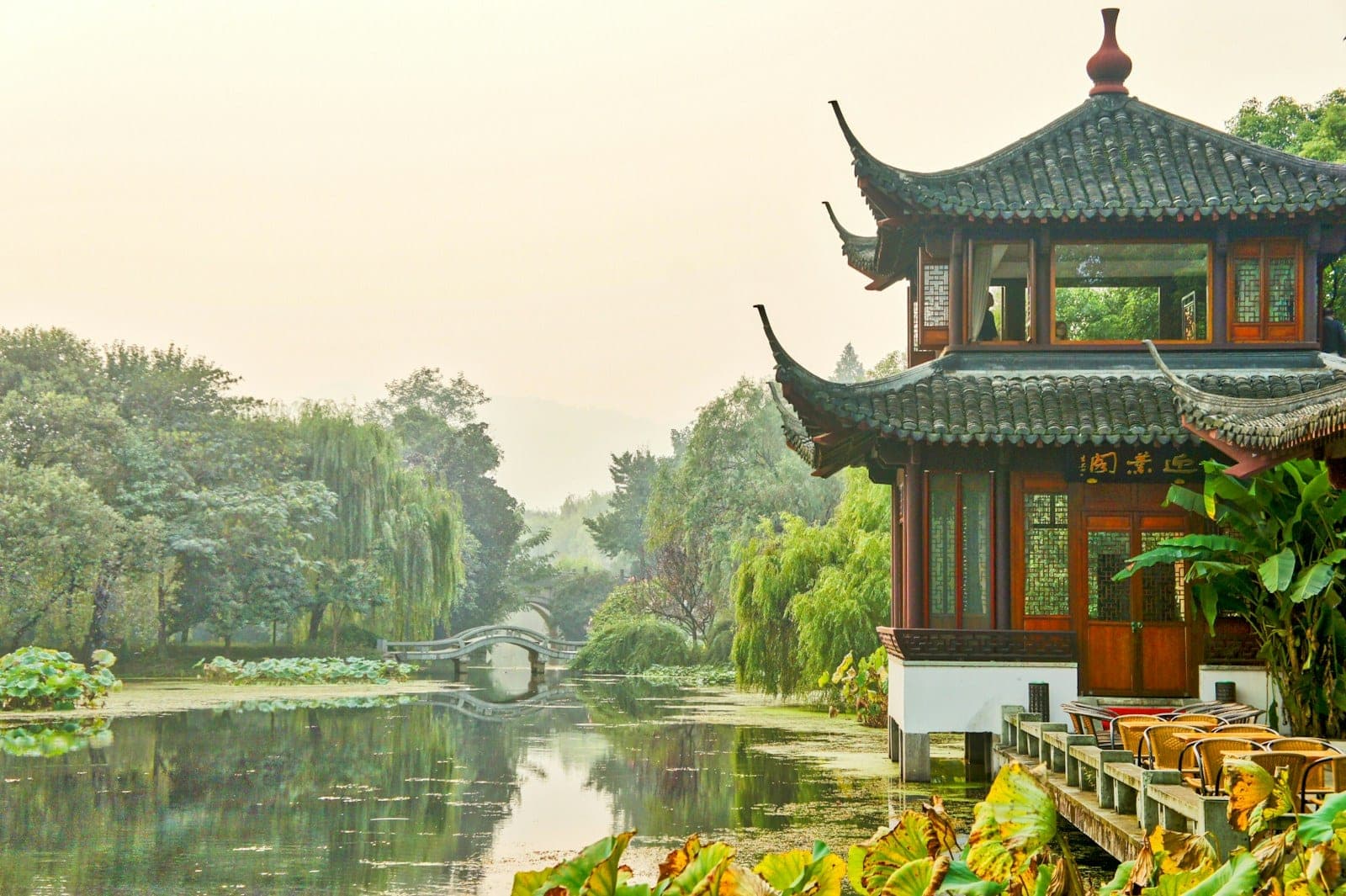
Quyuan Fenghe lotus garden(breeze-ruffled lotus, one of West Lake's Ten Scenes)
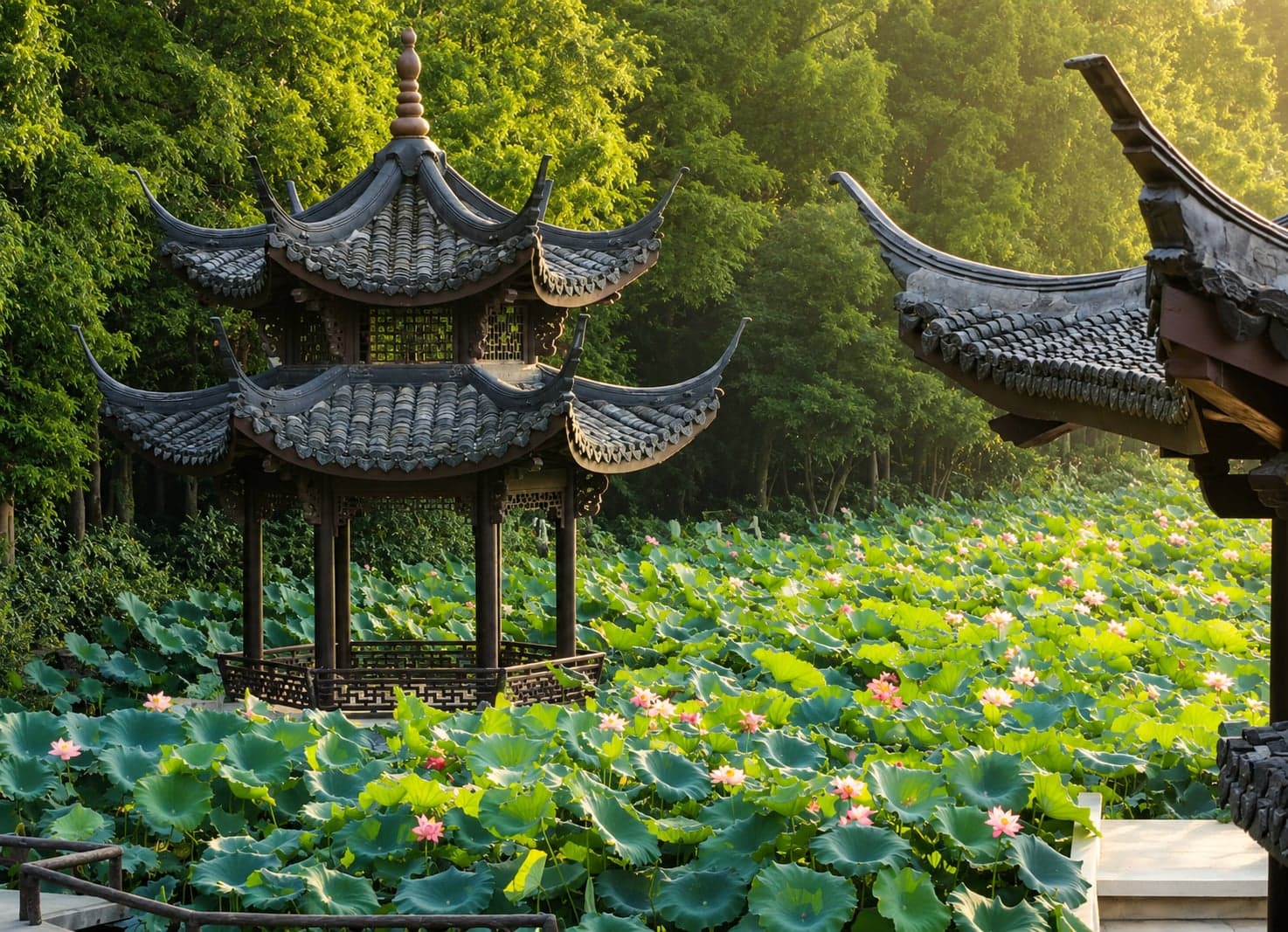
Quyuan Fenghe is one of West Lake's canonical Ten Scenes, named by Song poets for the courtyard of an imperial brewery whose pond overlooked summer lotus.
The brewery is long gone, but the lotus garden was extended through the 1980s into the multi-pond park you walk today. Late June through August is the bloom window, with red, white, and the rarer Jiangnan pink across the water.
We bring you between late June and early September, when the bloom is at its widest. The visit is timed for mid-morning, when the fragrance comes off the pond. Your guide reads the original Song lotus poems at the pavilions where the brewery courtyard once stood, so the phrase 'breeze-ruffled' returns to the water it was written about.

Faxi Temple(Upper Tianzhu, the prayer hall of the West Lake hills)
Faxi Temple sits on the highest slope of the Tianzhu range behind Lingyin.
Founded by the monk Daoyi in 939, it was renamed Faxi (meaning 'joy in the Dharma') by the Qing emperor Qianlong in 1751. The Guanyin hall has drawn pilgrims for nine centuries, and in recent years has become one of China's best-loved prayer halls for love and marriage, the courtyard rails hung with red ribbons.
We bring you on a weekday morning before nine, the only window where the Guanyin hall is quiet rather than crowded. The walk from Lingyin up through Middle Tianzhu takes the three temples in order, with a tea stop in the upper courtyard before the descent.

Hangzhou Museum(Liangdaoshan, the city's own collection)
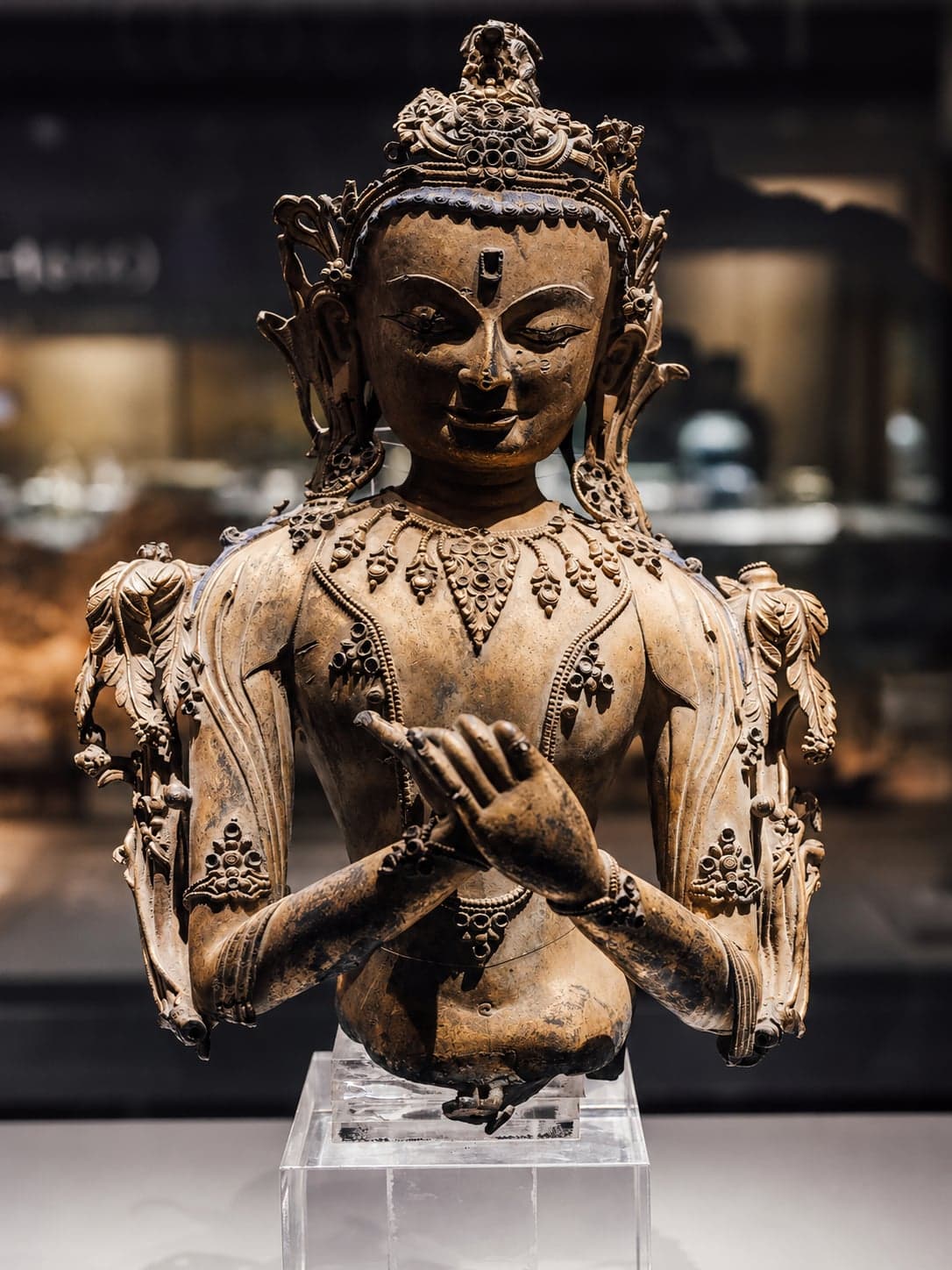
The Hangzhou Museum holds the only complete Warring States crystal cup ever unearthed in China, alongside Neolithic Liangzhu jades, Wuyue Buddhist relics, and Southern Song court fragments.
It sits on Liangdaoshan beside Wushan in two quiet buildings most foreign visitors miss, and reads as the city's own collection rather than a national showpiece. Free admission, timed entry, closed Mondays.
We book the timed entry against your passport details. The visit is set for late morning, when school groups have cycled out. Your guide covers the collection in four threads: Liangzhu jade, the Warring States crystal cup, Wuyue Buddhism, and the Southern Song court. The museum frames the city's history before you walk Hefang Street or the lake.
What to eat

Dongpo pork(Su Dongpo's pork belly, the West Lake canon)
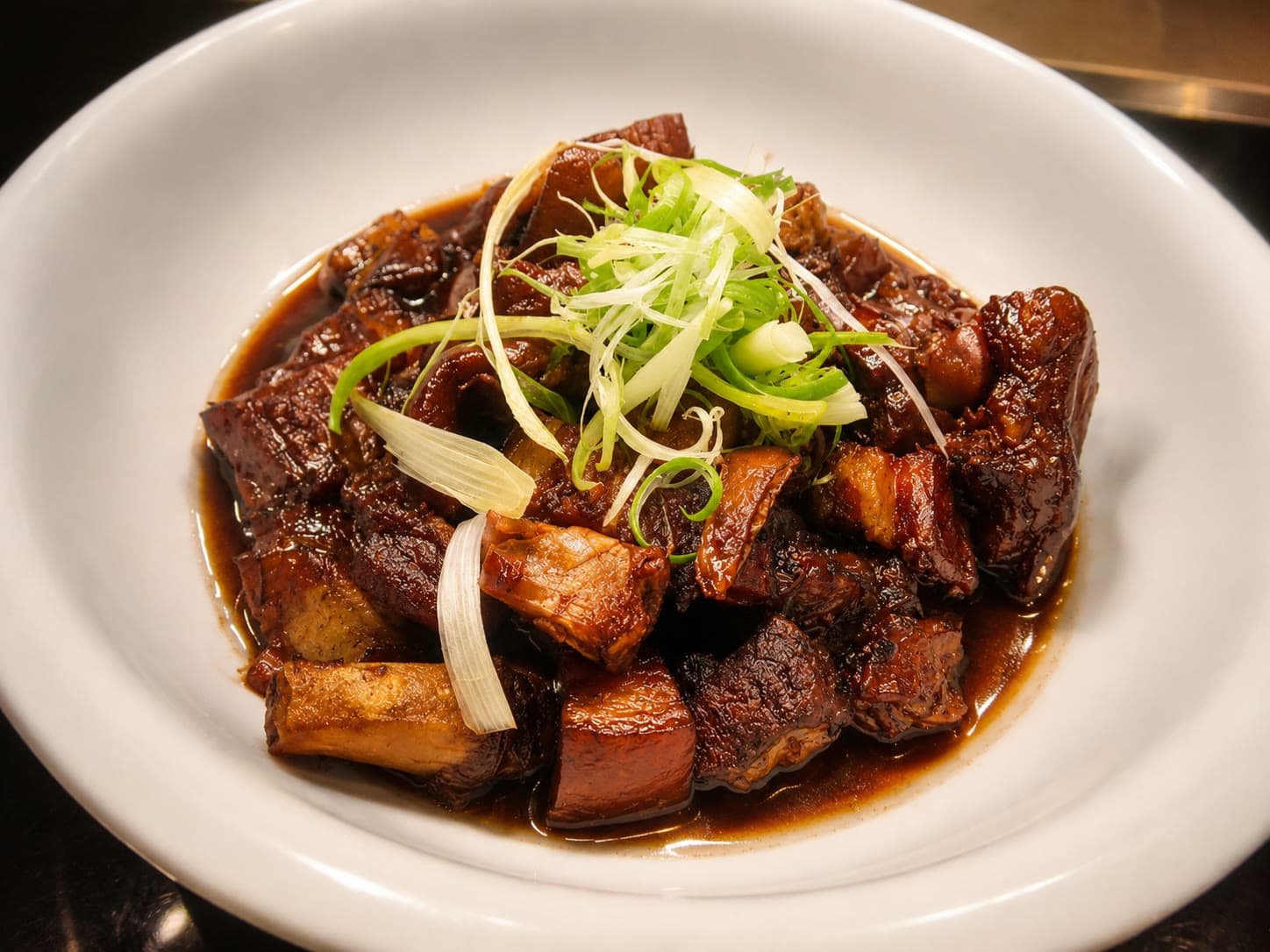
Dongpo pork is the dish Hangzhou is most famous for, named after the Song-dynasty poet-governor Su Shi who dredged West Lake around 1090.
Pork belly is slow-braised in Shaoxing wine, dark soy, and rock sugar for three to four hours, then served in cubes the size of a matchbox. The fat softens to jelly, the meat gives at the press of chopsticks, the dark glaze tastes deep, sweet, and salty with the warmth of the wine underneath.
We book the upstairs lake-view table at one of the established West Lake restaurants. The seating is held for the off-peak window before the lunch rush. Your guide names the Su Shi connection at the table, so the pork on your plate and the causeway you walked at dawn belong to one story.

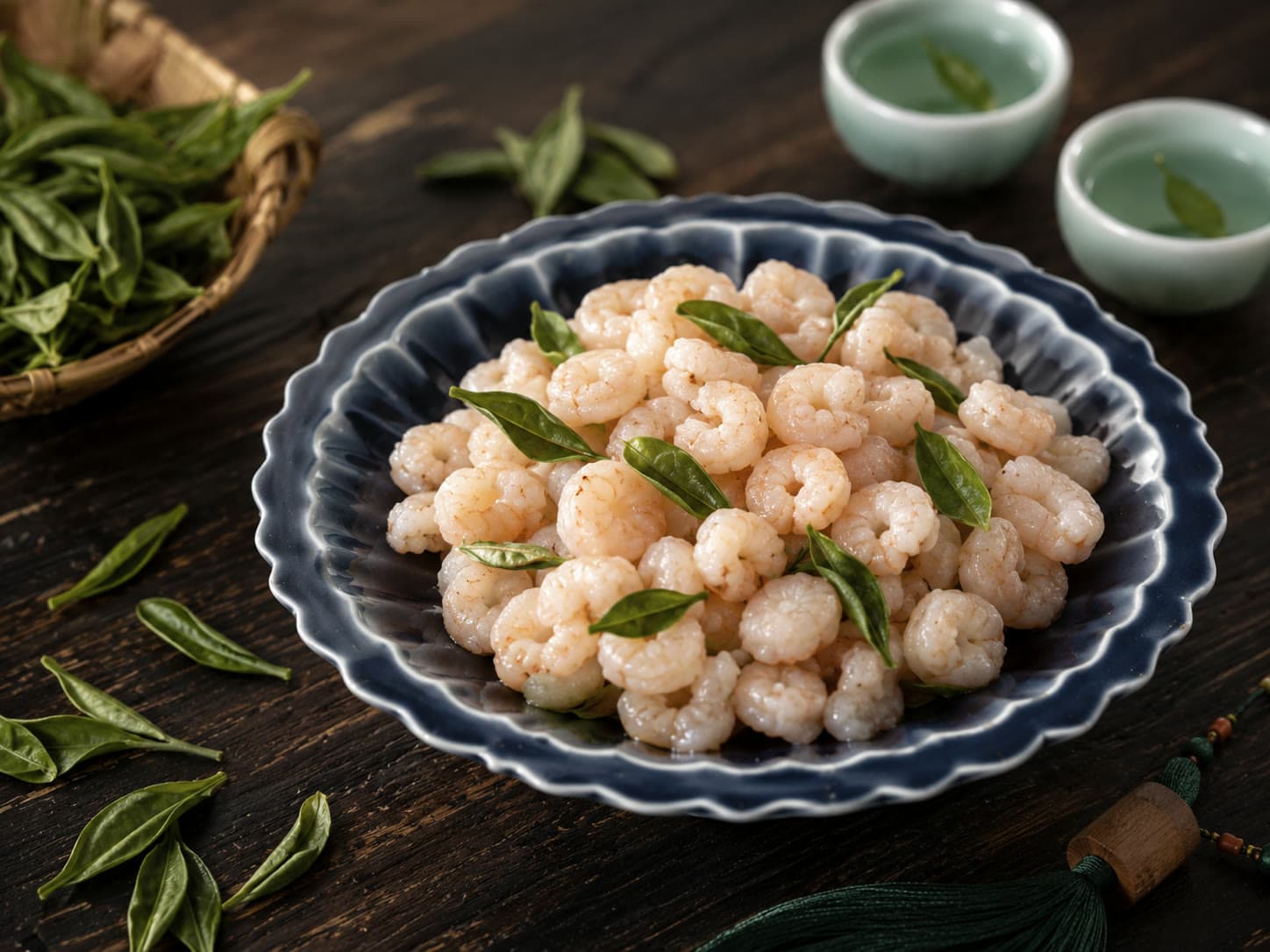
Longjing shrimp(first-flush tea and river shrimp, the spring pairing)
Longjing shrimp pairs the two things Hangzhou is best known for: river shrimp from the Qiantang and first-flush Longjing tea picked from the hills west of the lake in mid-March.
The shrimp are peeled by hand into small white curls and stir-fried in a hot wok for under thirty seconds with the fresh tea leaves. Sweet, tender, with a clean grassy edge from the tea and a soft pale-green tint across the plate.
We schedule the dish in March or early April, when the first-flush leaves were picked days ago, not weeks. Your guide names the tea estate the leaves came from at the table. In spring, a tea-house visit in the morning lets you watch the same first-flush leaves pressed by hand in the wok before lunch.

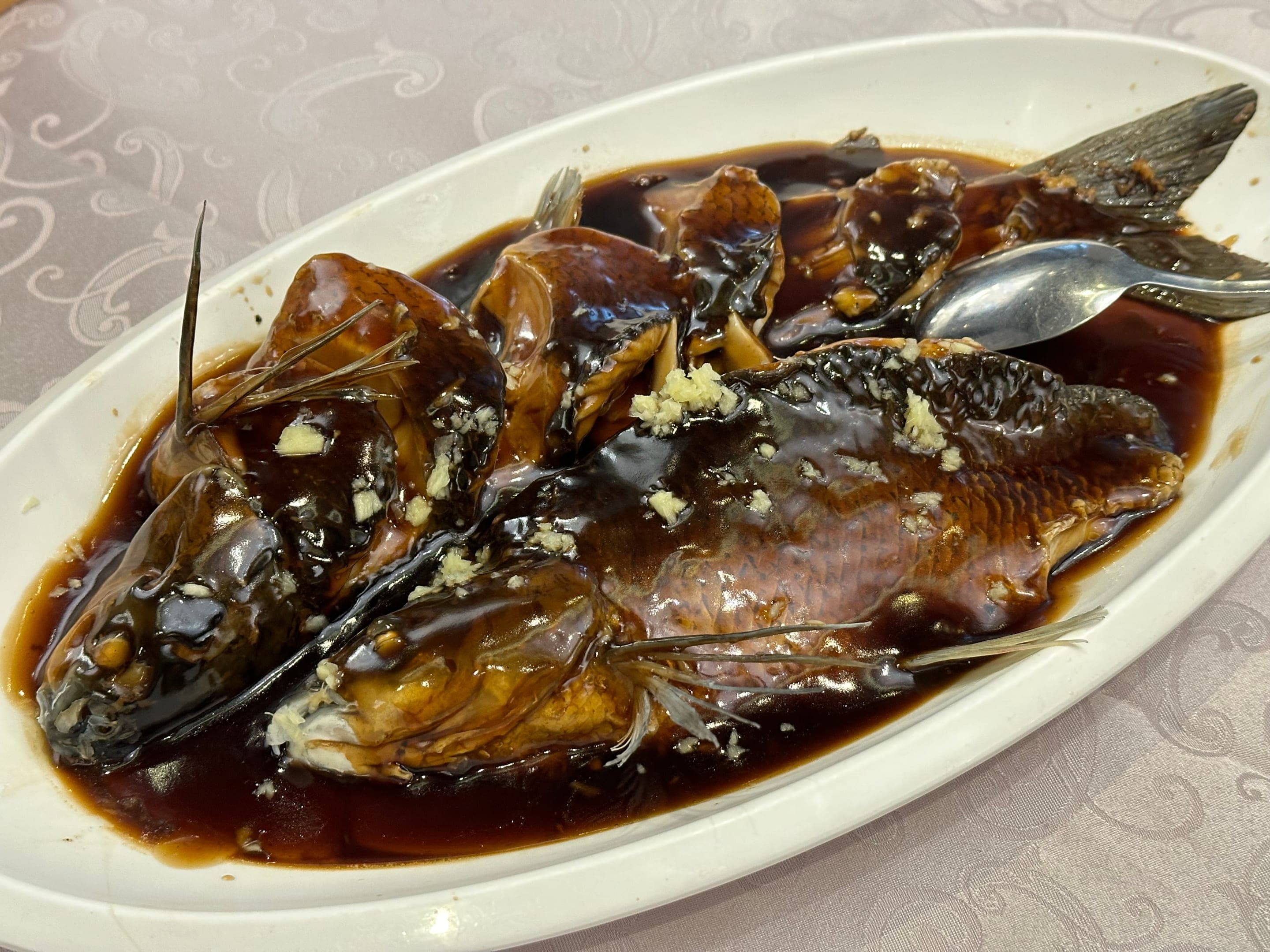
West Lake fish in vinegar(grass carp in sweet-and-sour glaze, the Song widow's dish)
West Lake fish in vinegar carries a Song-dynasty story: a widow named Song Sao cooked it for her brother-in-law while fleeing the imperial court.
A whole grass carp is poached briefly in barely-simmering water and dressed in a sauce of Zhenjiang vinegar, sugar, soy, and grated ginger, served before the skin contracts. The flesh comes off the bone in clean sheets, the glaze is bright, tart, and just sweet enough.
We order from a kitchen that still poaches the fish to the second, rather than letting it sit before service. Your guide tells the Song Sao story at the table, then names the cut of the carp the cook chose for the dish. The plate arrives before the conversation moves on.
Shows and experiences

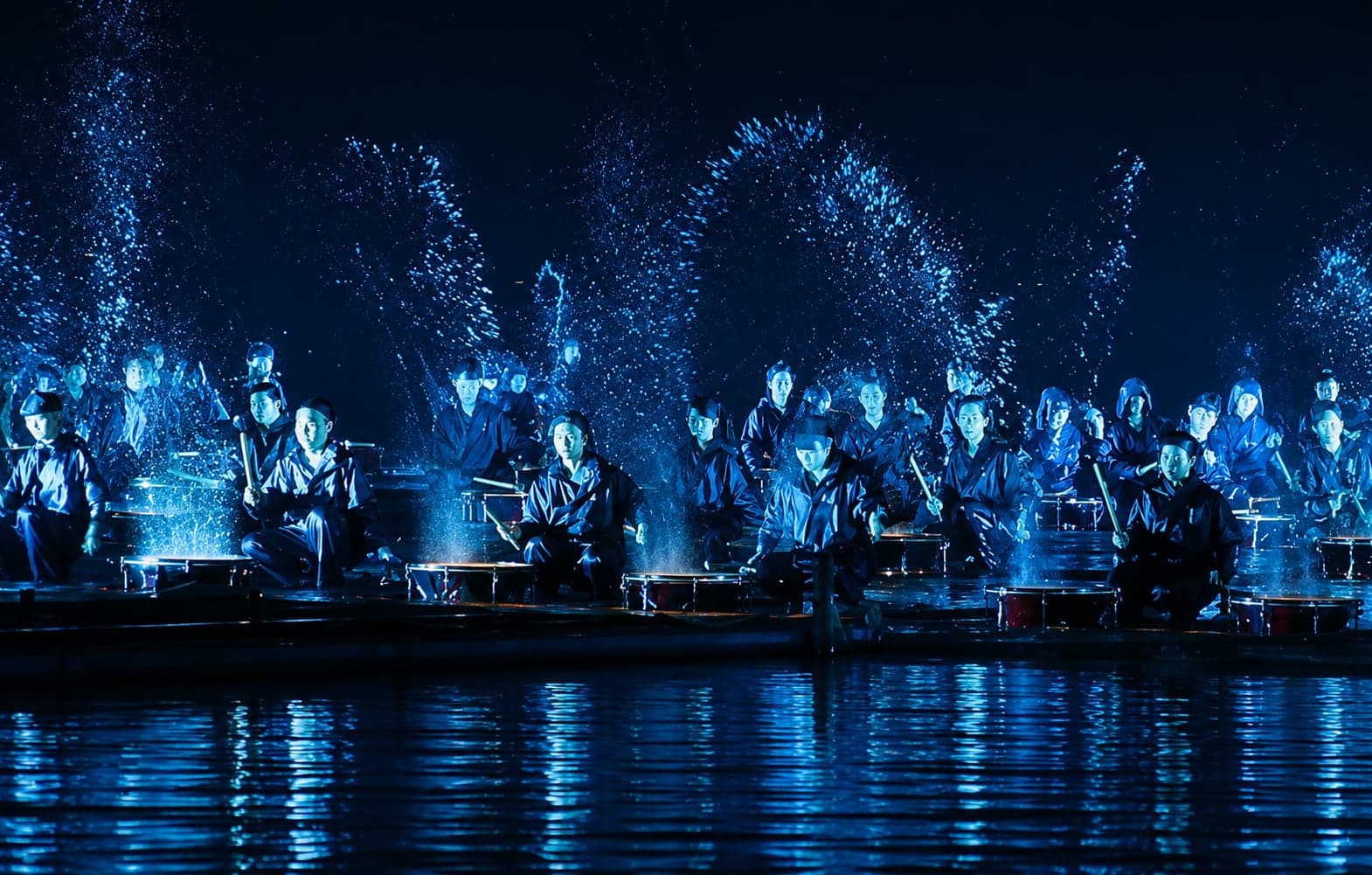
Impression West Lake(the lake-stage performance, on West Lake water)
Impression West Lake is the show staged on the lake itself, directed by the Zhang Yimou and Wang Chaoge team.
Dancers move across a submerged platform just below the surface so they appear to walk on water, the southern hills lit blue behind them. The hour-long performance weaves folktale, Tang poetry, and the Madame White Snake love story, with rain effects, lantern boats, and drumming.
We only include the show when the season, weather, and your evening schedule align. We book the long centre row, where the submerged stage runs left to right in front of you. The dancers cross closest to the audience there. Your car waits at the exit, so the evening closes back to the hotel rather than a queue for taxis.

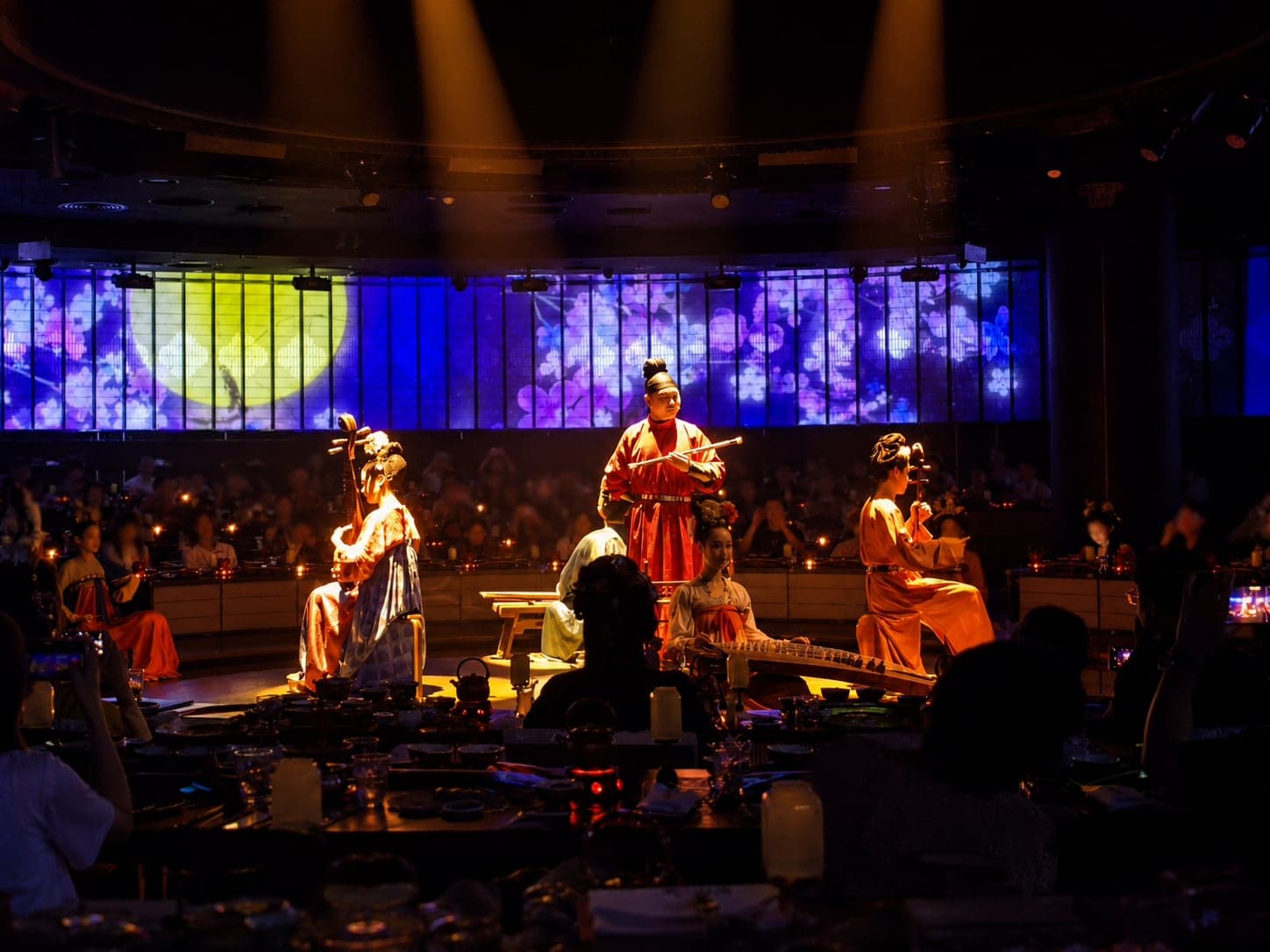
Song-style imperial banquet(Hangzhou Gongyan, Southern Song dining recreated)
Hangzhou was the imperial capital from 1138 to 1276 under the Southern Song, and a handful of Hangzhou kitchens now stage that court's banquet as a full evening.
You sit at a long lacquered table under soft lantern light. Hostesses in Song silk pour rice wine from porcelain ewers, a guqin player plays from one corner, and the dishes come in court order.
We book the long table during the quieter midweek seatings, with the central position closest to the guqin player rather than the door. Your guide names the Song poet behind each dish as the course arrives. The evening then plays as a continuous story rather than as a photo opportunity in costume.

Xixi Wetland on an oar-boat(China's first national wetland park, Ramsar-listed)
Xixi is China's first national wetland park, on the western edge of the city and on the Ramsar list of internationally important wetlands since 2009.
The way through is a wooden oar-boat, a local boatman at the helm, gliding past bamboo-lined channels, fishing islets, and persimmon orchards in silence. Best in late autumn, when the reeds turn straw-gold and the persimmons redden over the water.
We book a private oar-boat rather than the shared-boat dock, and take the longer route through the inner waterways the day boats skip. Tea and small seasonal pastries ride with you for the still hour between channels.
What three days
might look like.
- Day 01
Dawn lake, hillside temples, lakeside table.
An early start brings the first step onto Broken Bridge before seven, with pavilions appearing through the mist and the bridge soft pink ahead. The morning moves up into the Lingyin valley for the Feilai Feng cliff carvings before the gates open, then continues higher to Faxi Temple on the wooded ridge above. Lunch is Dongpo pork and Longjing shrimp at one of the established West Lake restaurants. The afternoon closes at Leifeng Pagoda, with the south shore turning gold from the top deck in late-afternoon light.
- Broken Bridge at dawn
- Feilai Feng cliff carvings
- Lingyin Mahavira Hall
- Faxi Temple
- Dongpo pork and Longjing shrimp lunch
- Leifeng Pagoda top deck
- Day 02
Inner lake, the city's spine, lake-stage evening.
Spend the morning on a ferry to Three Pools Mirroring the Moon, with a slow loop of Xiaoyingzhou before returning to the south shore. Lunch is West Lake fish in vinegar at one of the houses on the bank. The afternoon goes to the Hangzhou Museum on Liangdaoshan, where Liangzhu jades and the Warring States crystal cup anchor the city's history. As night falls, Impression West Lake stages an hour-long performance on the lake itself, with dancers crossing the submerged stage and the southern hills lit blue behind them.
- Three Pools Mirroring the Moon
- Xiaoyingzhou island loop
- West Lake fish in vinegar lunch
- Hangzhou Museum
- Warring States crystal cup gallery
- Impression West Lake (weather dependent)
- Day 03
Heritage row, wetland reeds, court-style evening.
Begin the morning on Hefang Street, walking south to north past Hu Qing Yu Tang, Zhang Xiaoquan, and Wang Xing Ji. Dingsheng cake comes fresh from the Jiangnan Chun steamer counter as you pass. Late morning moves west to Xixi Wetland for a private oar-boat through the inner waterways the day boats skip. The afternoon turns slower: tea on a Quyuan Fenghe pavilion in lotus season, or back to the hotel before evening. The night closes on a Song-style imperial banquet, the dishes arriving in court order under lantern light.
- Hefang Street old-shop row
- Hu Qing Yu Tang medicine museum
- Jiangnan Chun Dingsheng cake
- Xixi private oar-boat
- Quyuan Fenghe (June to September)
- Song-style imperial banquet
Best time
March to May · September to November
Days needed
2 to 3 days
Where it sits
45 minutes south of Shanghai by high-speed rail
Questions worth
answering early.
Two nights covers Hangzhou cleanly. Day one takes you to West Lake at dawn, then Lingyin and Faxi Temples on the hills, with lunch on the lake. Day two covers Three Pools Mirroring the Moon, the Hangzhou Museum on Liangdaoshan, and Leifeng Pagoda in the late-afternoon gold. Stretch to three nights to add the Hefang Street old-shop walk and Xixi Wetland on the oar-boat. You can also choose between a Song-style imperial banquet and the Impression West Lake show.
Hand us the dream,
We carry it through.
From your first enquiry to your last airport pickup, our specialists design your trip and stay in contact every step of the way. The guides, drivers and hotels you'll meet are part of our trusted network we've worked with for years, briefed to the same standards.
- Dedicated specialists, start to finish
- Guides briefed to our standards
- Fully transparent, no hidden costs
- No deposit until you confirm
Stretch the trip. Stitch in another.

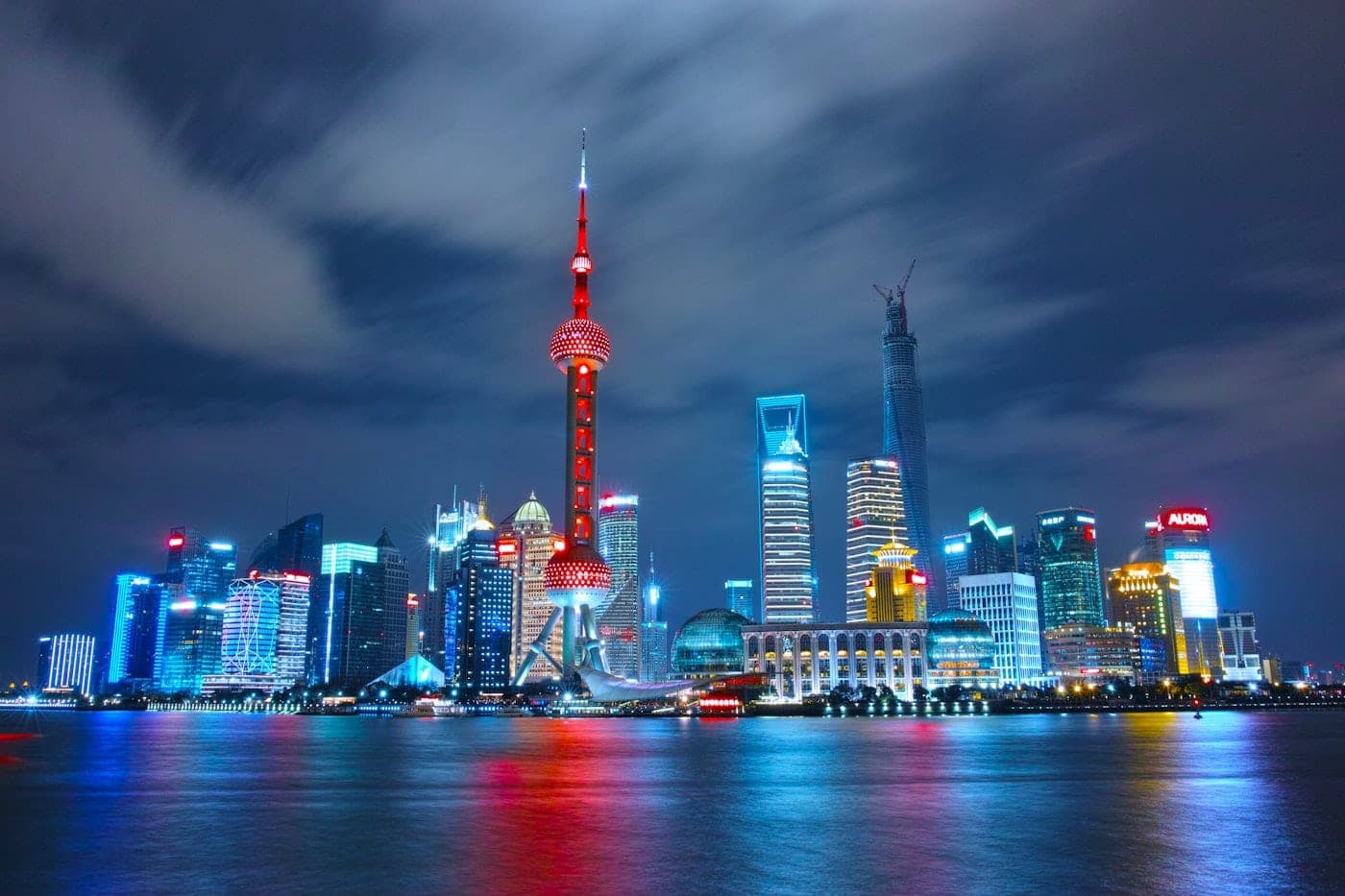
Shanghai
Forty-five minutes by high-speed rail. The natural anchor for Hangzhou: two or three nights east-coast, then back to Shanghai for the flight.
Read this destination
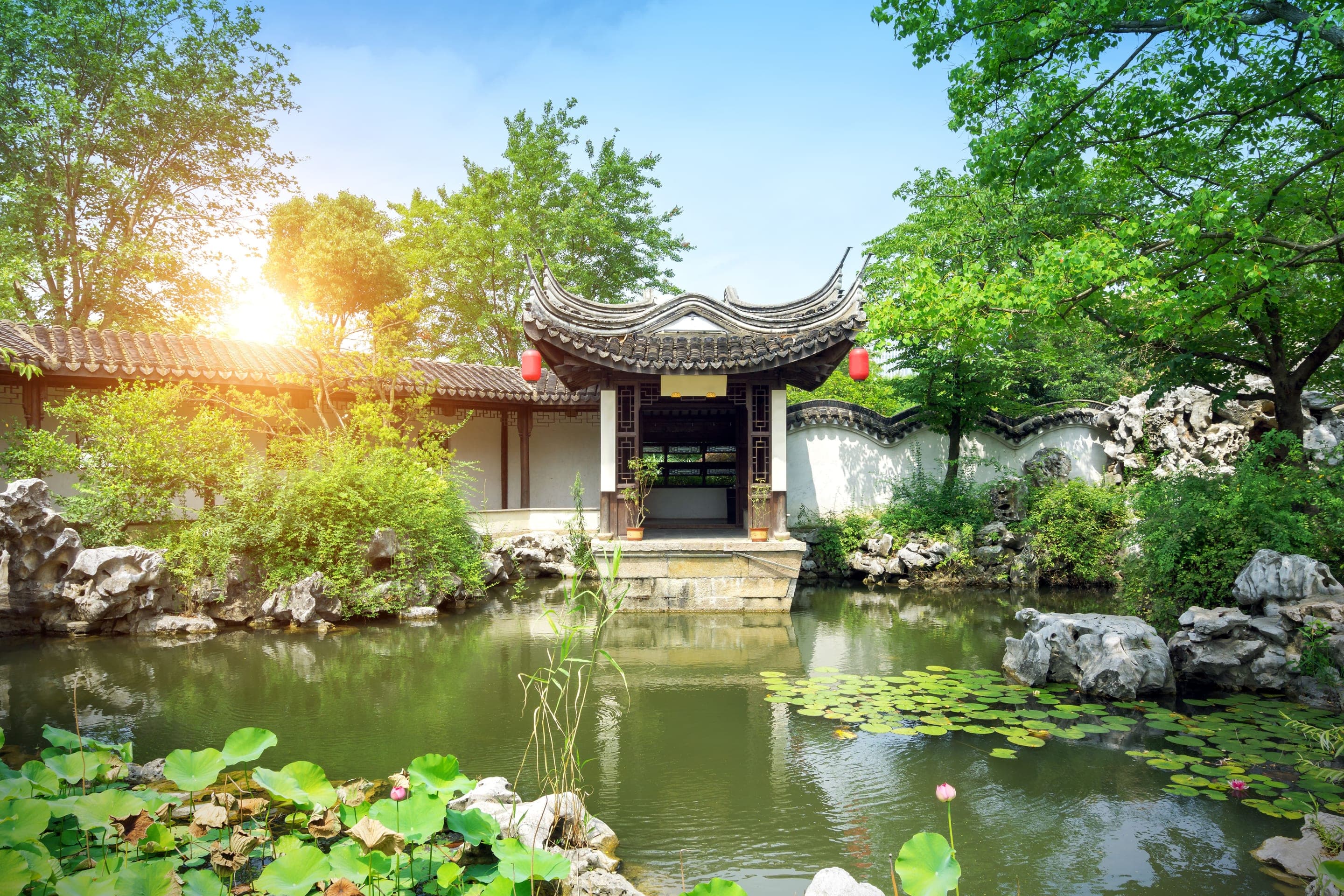
Suzhou
The classical-garden city west of Shanghai. Hangzhou and Suzhou are the canonical Shanghai pair, two or three nights each side.
Read this destination
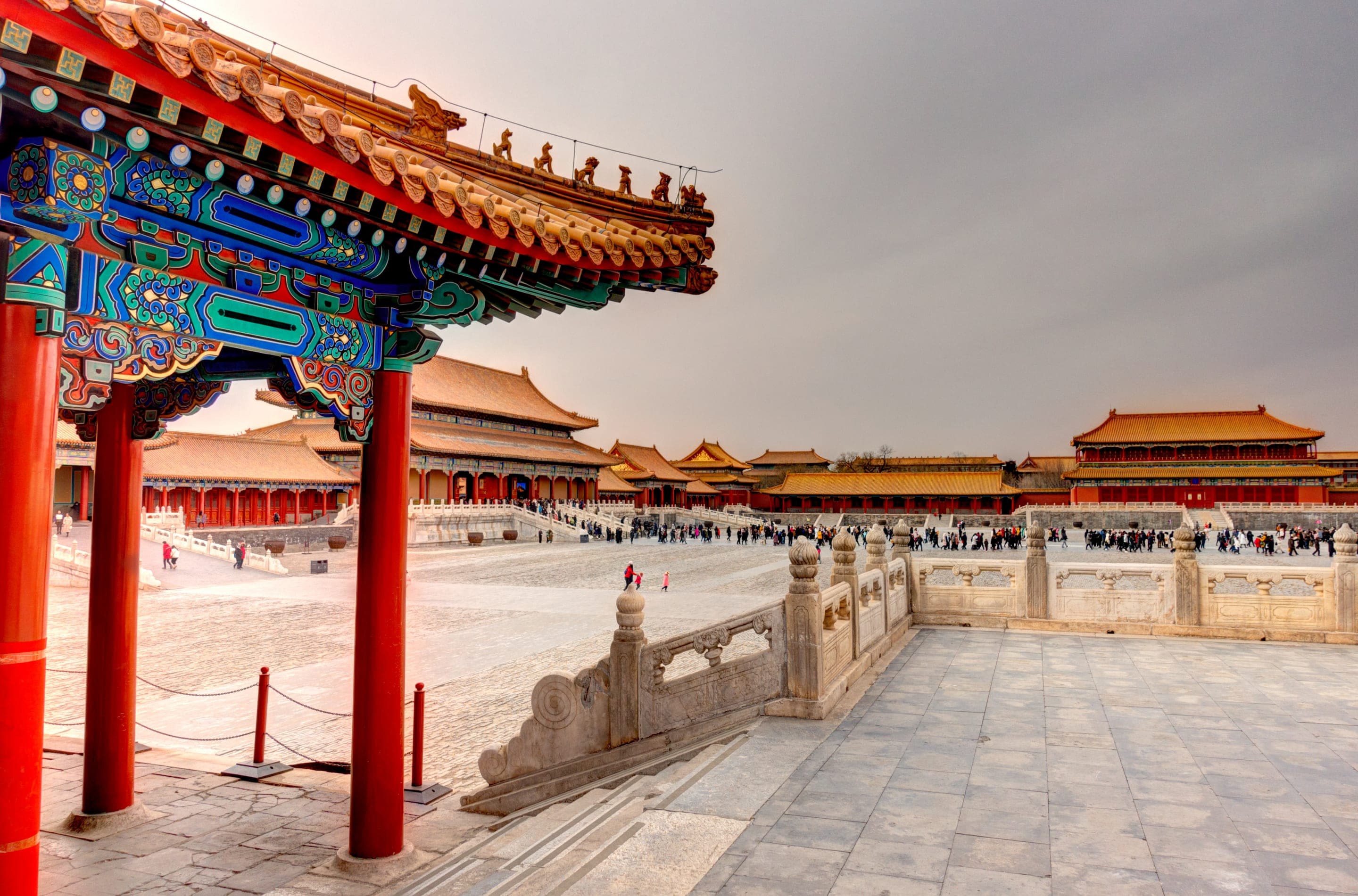
Beijing
The imperial-spine pair. Hangzhou for the lake-poet south; Beijing for the dynasties that ruled from the north.
Read this destination
Useful before
you enquire.

China tourist visa for US travellers
American passports still need a tourist visa for China under current rules. How the L-visa works, what we handle as part of your booking, and what is on you.
Read this guide
When to visit China, month by month
March to May and September to November are the cleanest windows for Hangzhou. The whole year, by climate and crowd.
Read this guide
How our pricing works
What sits inside the figure on your quote, and what sits outside it. The structure, written out.
Read this guide
Payments and connectivity in China
Alipay and WeChat Pay now take overseas Visa and Mastercard. The practical setup to do before you fly.
Read this guide

Jack Guo
Senior Travel Specialist
Jack has spent ten years working with the guides, drivers and hoteliers across China. He'll be your contact from first enquiry to final airport pickup.
Tell us about your Hangzhou trip
Five quick questions. We'll send you a Hangzhou-anchored draft with the price within one business day. No deposit. No hard-sell.