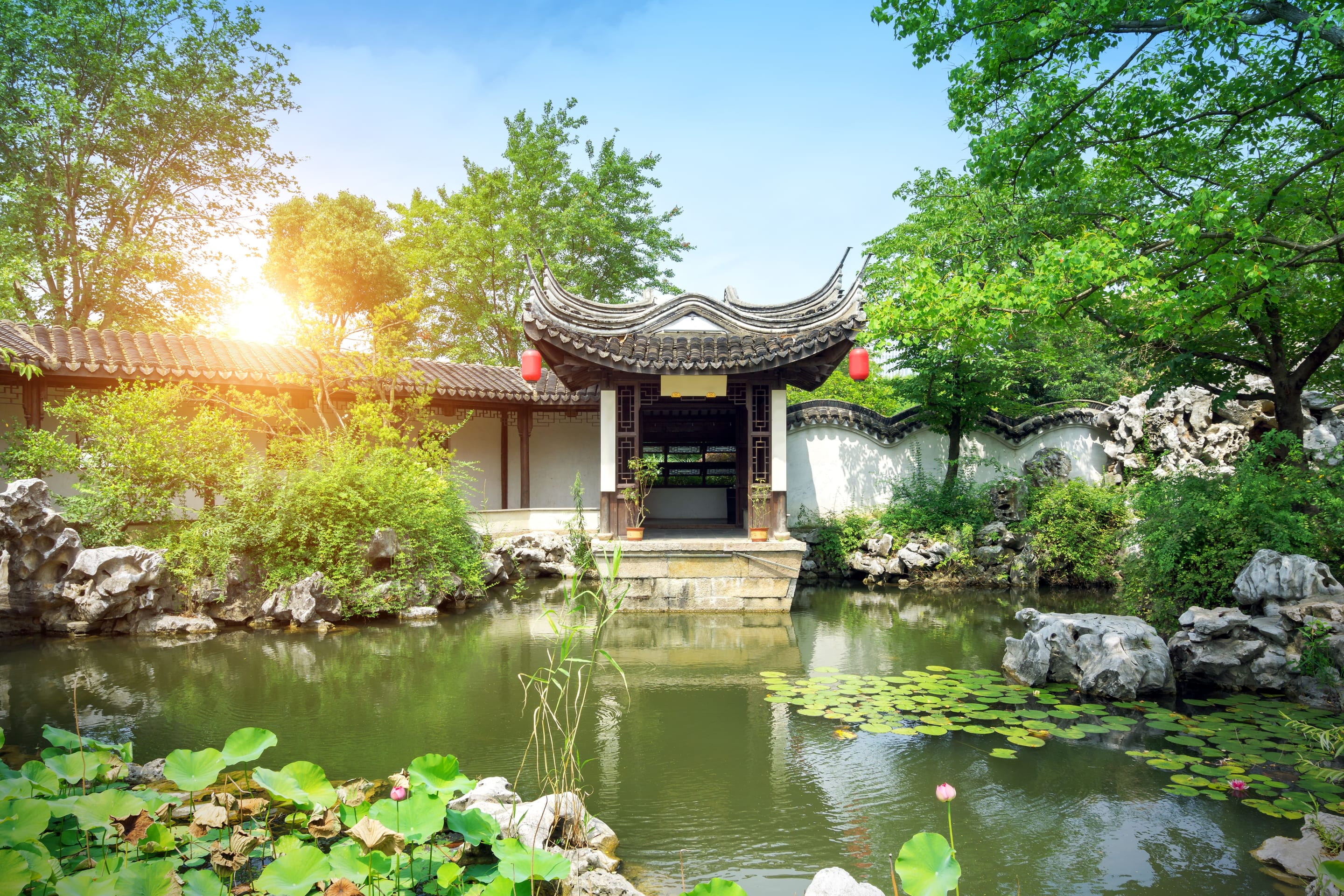

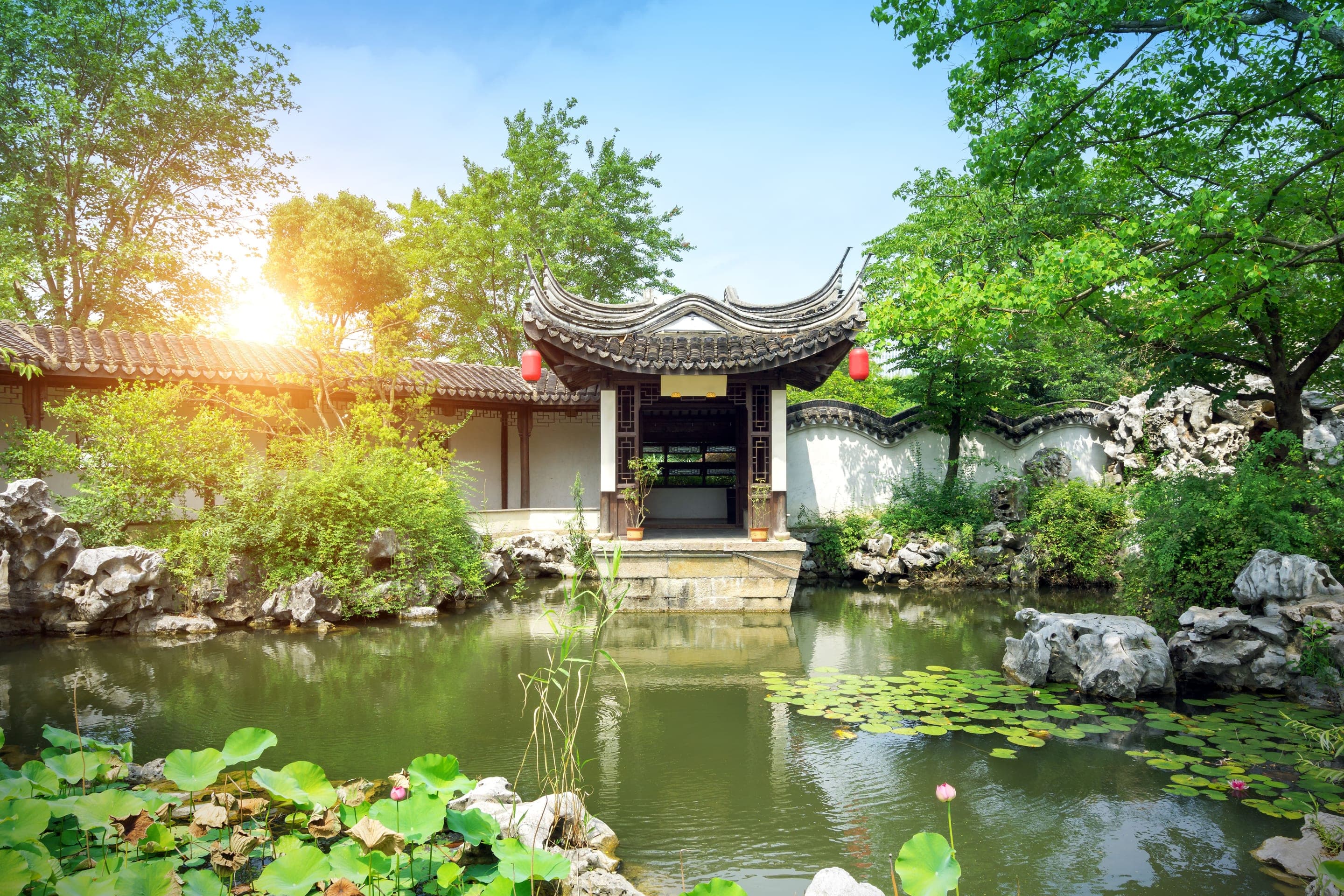
Water court at the Humble Administrator's Garden, the largest of Suzhou's nine classical gardens
Destination · China

Suzhou

the classical garden city of Jiangnan

Suzhou is the classical garden city of Jiangnan, twenty-five minutes west of Shanghai by high-speed rail. Nine of its private gardens, built between the eleventh and nineteenth centuries, are inscribed on UNESCO's World Heritage list. Along Pingjiang Road, the last surviving stretch of Suzhou's Ming canal grid runs through the old town, with stone bridges every fifty metres.

Signature moments

Why people
come to Suzhou.

01

What to see

Water court at Humble Administrator's Garden, with the Hall of Distant Fragrance reflected in the lotus pond

Humble Administrator's Garden(Zhuozheng Yuan, the largest of the nine inscribed gardens)

Humble Administrator's Garden is the largest of Suzhou's classical gardens, around 5.2 hectares organised in three connected sections of water, pavilions, and rock work.

Wang Xianchen, a retired imperial censor pushed out of court in the early sixteenth century, built it as a retreat from the politics that had cost him his post; the name itself is a sly nod to the demotion. The central water court reflects the eaves of the Hall of Distant Fragrance, best in the first hour before the Shanghai day groups arrive.

We arrive at the east gate at opening, ahead of the Shanghai day groups, and walk the garden in the eastern-central-western sequence Wang Xianchen laid out. Starting in the quieter east before the painted central court lets the garden unfold the way its sixteenth-century owner intended, with the lotus court at its calmest and the corridor pavilions empty for an unhurried read.

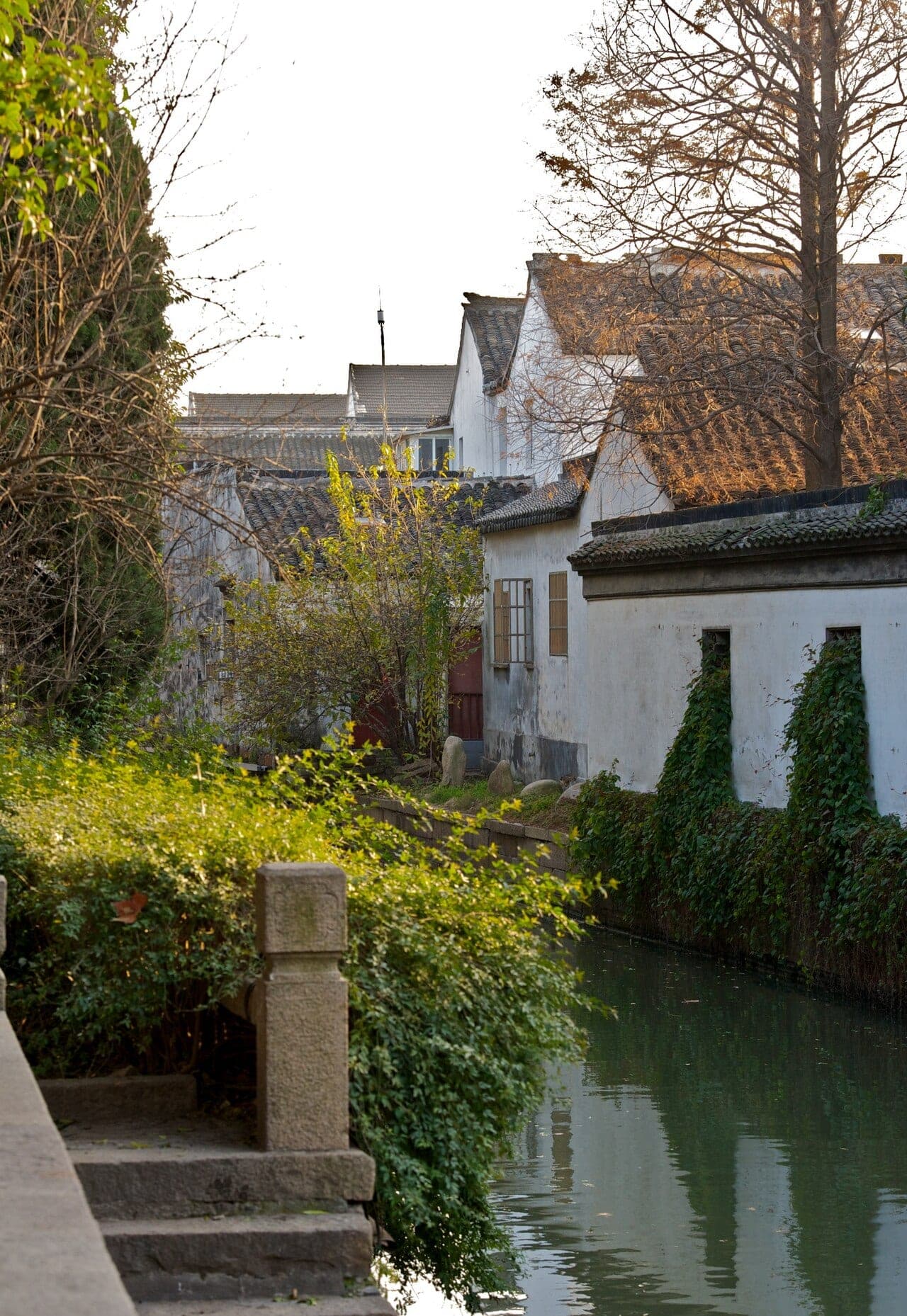
Aerial view over Pingjiang Road, white-walled houses and an arched stone bridge along the last surviving stretch of Suzhou's Ming canal grid

Pingjiang Road(the last surviving stretch of Suzhou's Ming canal grid)

Pingjiang Road is the last surviving stretch of Suzhou's Ming canal grid, one and a half kilometres along the water in the old town.

The grid began in the eleventh-century Northern Song and was rebuilt at urban scale during the Ming. Stone bridges cross the canal every fifty metres, the waterside teahouses still work as teahouses, and the residential-upstairs-shop-downstairs arrangement has held for four hundred years.

We walk Pingjiang in the early morning or after dinner, when the photo crowds thin and the canal returns to a working lane. The morning catches the breakfast steam off the water and a long stop at a Ming-era teahouse for Biluochun; the evening catches the lanterns coming up and a Pingtan set next door. The lane reads as a lived street rather than a photo stop.

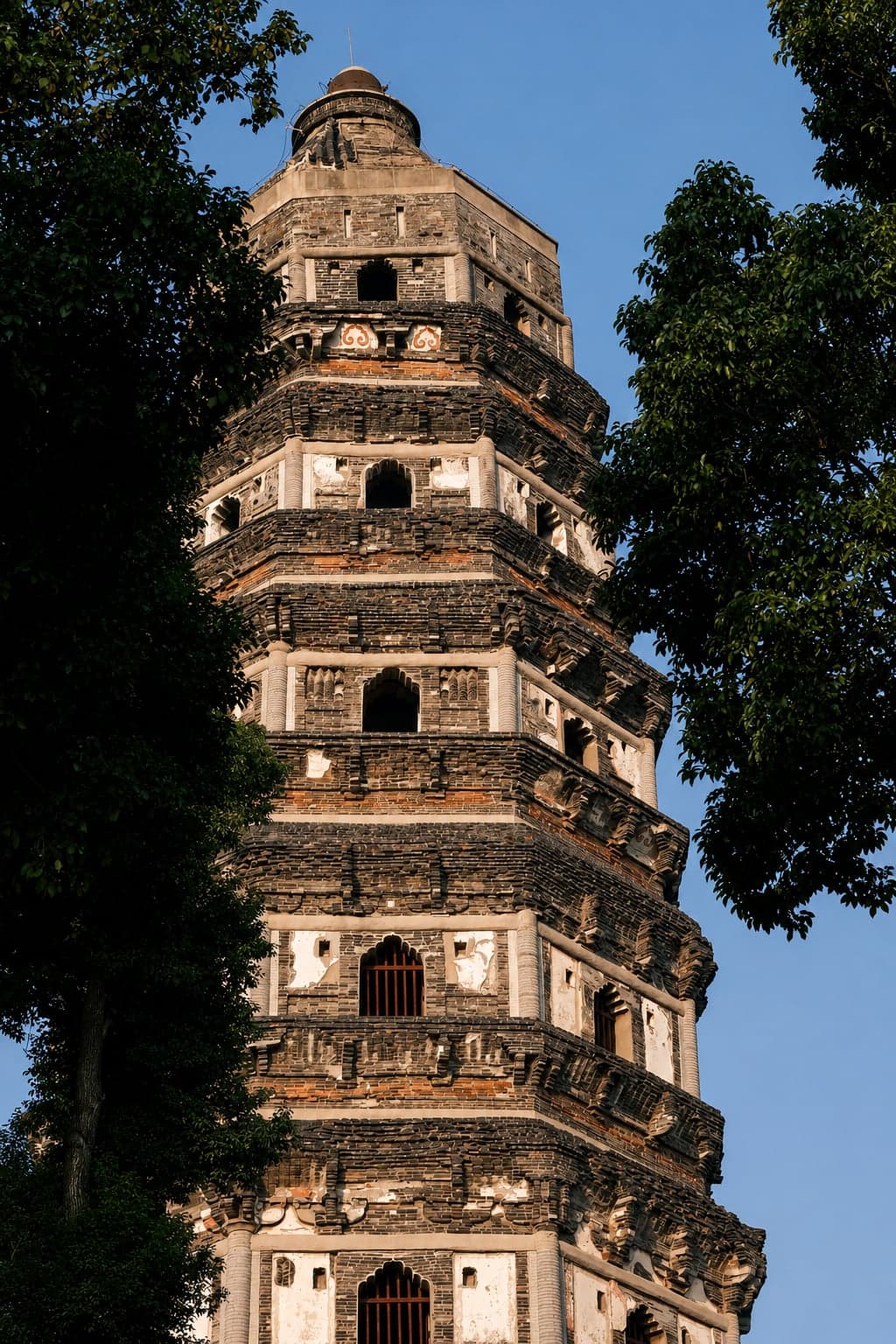
The leaning Yunyan Pagoda at the summit of Tiger Hill, built between 959 and 961 and tilted three degrees to the north-west

Tiger Hill(Huqiu, the leaning Yunyan Pagoda)

Tiger Hill is the oldest of Suzhou's named sights.

King Helü of Wu was buried here in the fifth century BC, said to be entombed with three thousand swords under what is now the Sword Pond at the foot of the hill. The Yunyan Pagoda at the summit was built between 959 and 961, leans about three degrees to the north-west, and has stood for more than a thousand years.

We enter in the morning before the day groups, walking the route from the Sword Pond up to the Yunyan Pagoda along the spine of the hill. Your guide names what survived the centuries and what was rebuilt, so the layering of the site reads in sequence. The descent uses the quieter east-side path back to the gate.

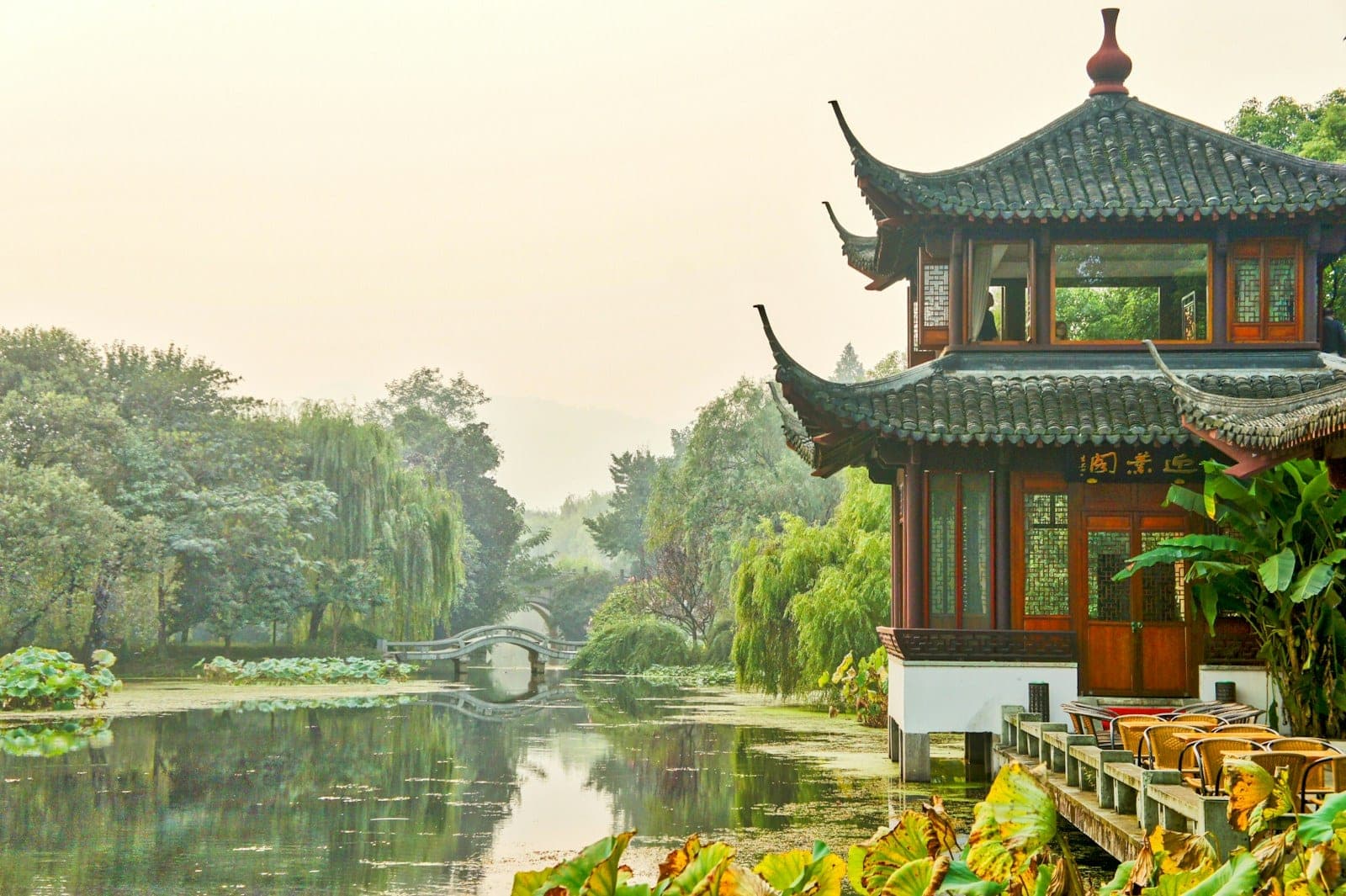
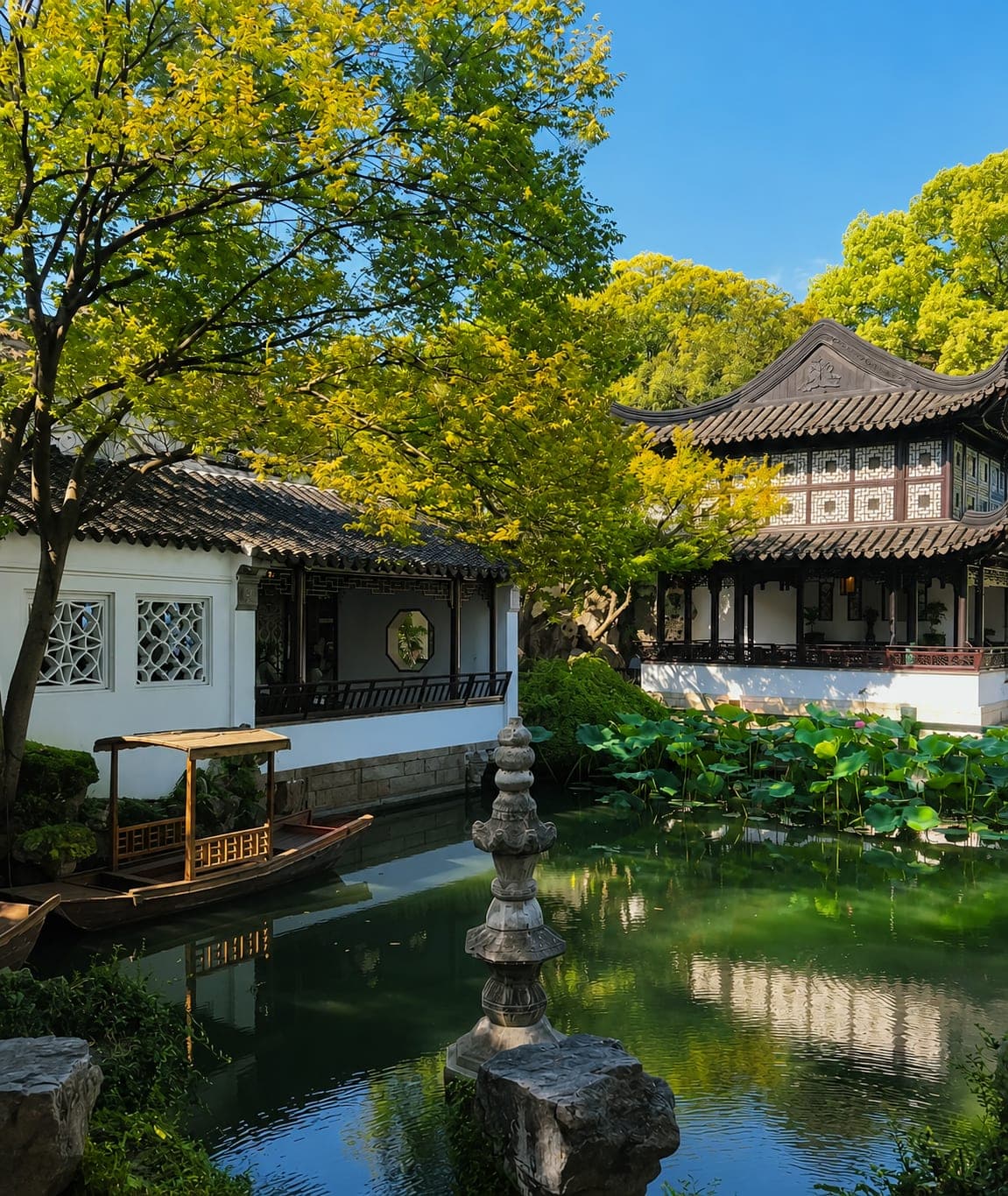
A pavilion and tiled hall around the lotus pond at Lingering Garden, one of China's four most famous classical gardens, Suzhou

Lingering Garden(Liuyuan, one of China's four most famous gardens)

Lingering Garden is around 2.3 hectares of Ming and Qing pavilions and rock work, best known for the depth of its rock collection.

The Crown of Clouds Peak stands over six metres tall in the central garden: a single taihu limestone whose holes, ridges, and weathered surfaces are read by Suzhou collectors the way a calligrapher reads a brushstroke.

We pair Lingering Garden with the smaller Lion Grove or a teahouse afternoon, so the rock collection lands without the rush of a multi-garden morning. The route walks east to west, ending at the Crown of Clouds Peak as the late-afternoon light catches the south face of the stone. Tickets are booked the day before, against your passport details.

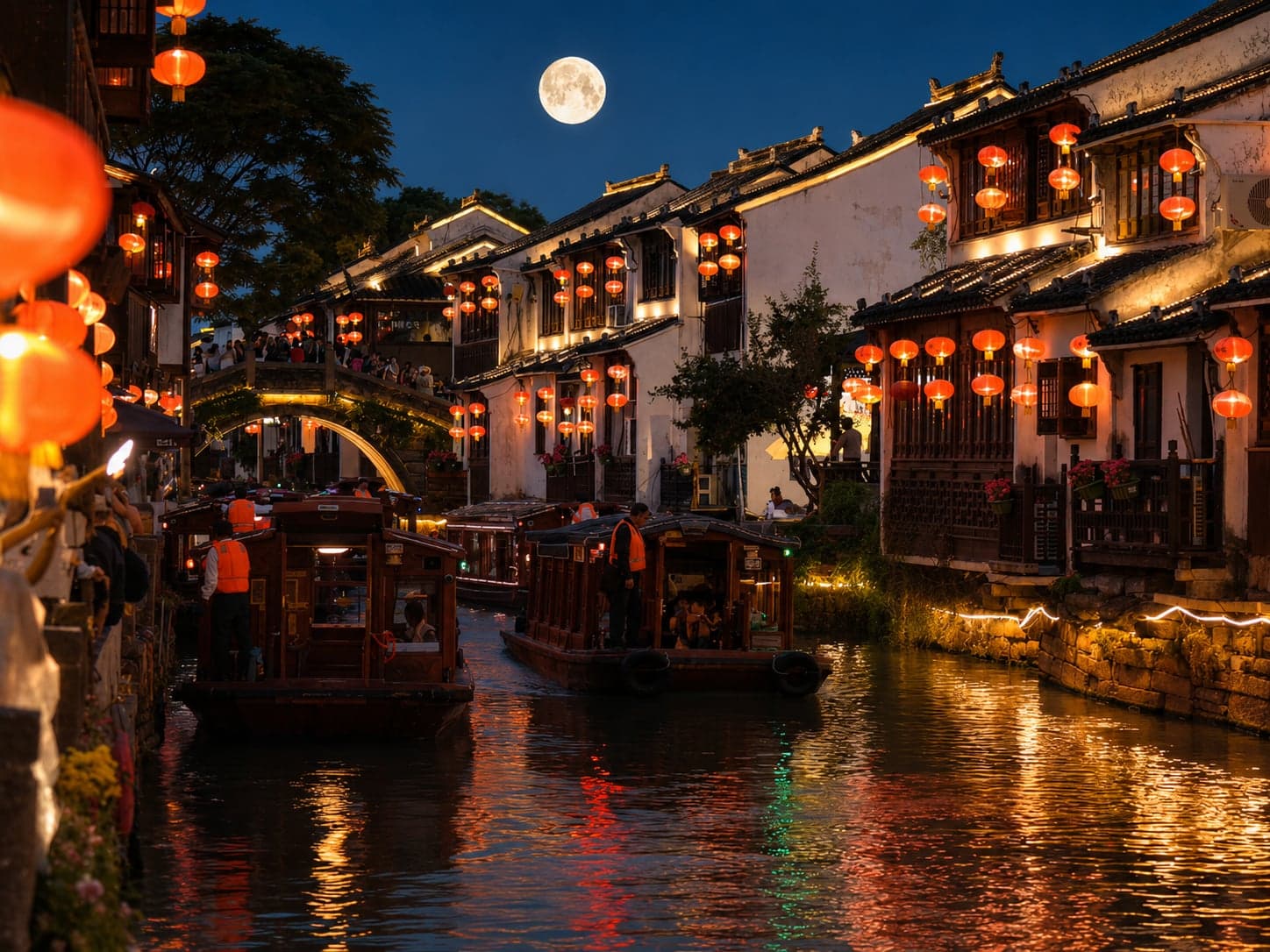
Shantang Street at night, red lanterns lining both banks of the canal reflecting in the water

Shantang Street(Bai Juyi's canal-street, 825 AD)

Shantang Street was built in 825 by the Tang poet Bai Juyi during his year as Suzhou's prefect, a 3.6-kilometre canal-and-towpath running from Changmen Gate to Tiger Hill.

For twelve centuries it has been the connecting line between the city centre and the hill at its north-western edge. The eastern stretch near Changmen is the lit one at night, when red lanterns line both banks and the canal reflects them back.

We walk the lit eastern stretch in the early evening, before the photo crowds peak. A short canal boat from a Changmen pier picks up the central section, and the route closes with a teahouse stop opposite an old stone bridge. Dinner is held nearby on Shantang, so the lit lanterns are still in view from the table.

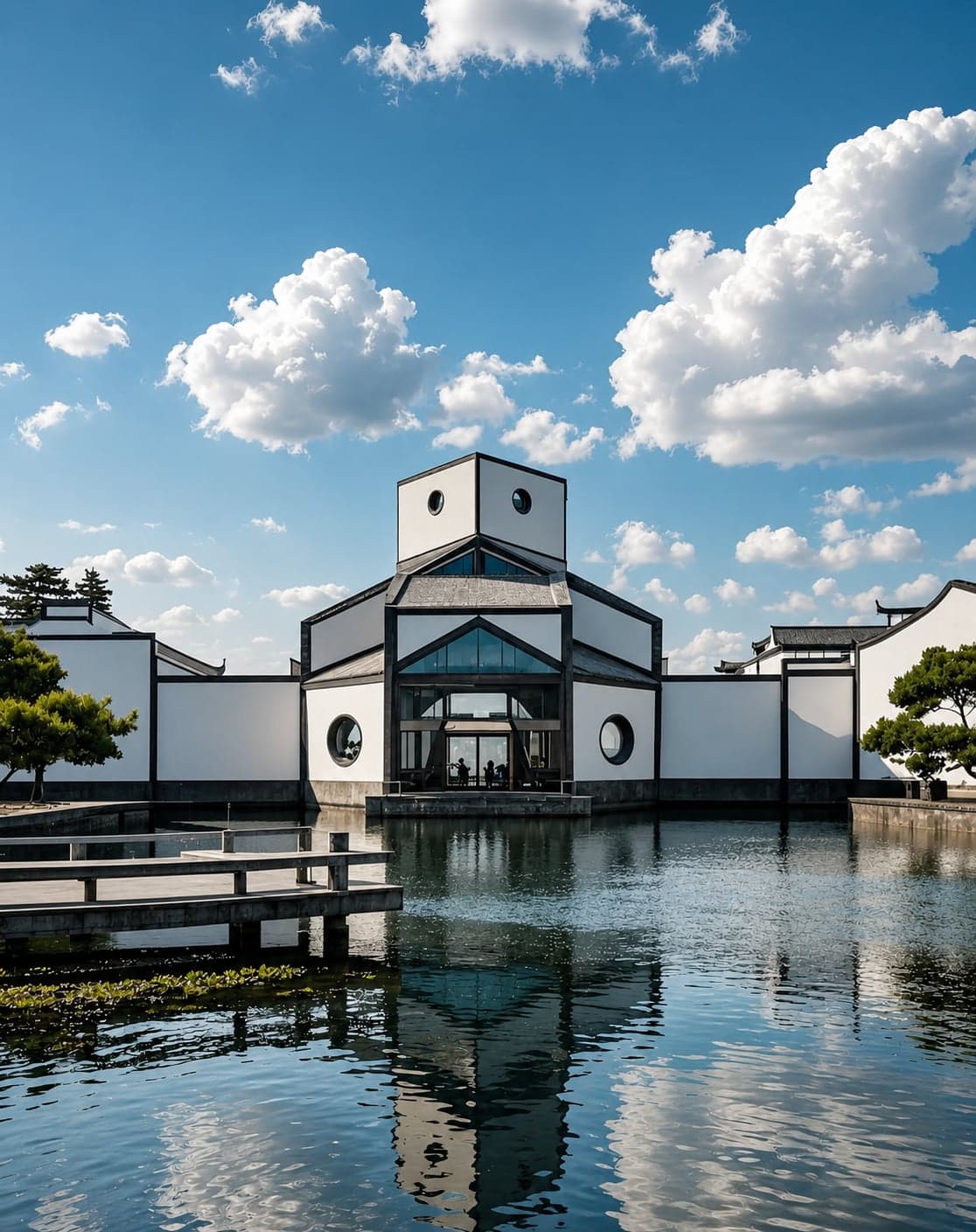
The white-walled and dark-roofed Suzhou Museum, I.M. Pei's last major building, beside the Humble Administrator's Garden

Suzhou Museum(I.M. Pei's last major commission, 2006)

The Suzhou Museum is I.M. Pei's last major commission. Born in Suzhou, he returned in his late eighties to design the building, completing it in 2006. The white walls, dark roof lines, and waterside galleries quote the classical garden vocabulary next door in steel, glass, and stone. Admission is free, but the timed-entry slots fill fast and need to be reserved about a week ahead through the museum portal. The museum sits directly beside the Humble Administrator's Garden, so the two pair as one walking morning.

Timed-entry slots are booked at the seven-day release for a late-morning window, paired with the Humble Administrator's east-gate opening so both fit a single walking morning before lunch on Pingjiang Road. Bringing the museum after the garden keeps the Pei building uncrowded and lets the Ming and Qing painting galleries land at their own pace.

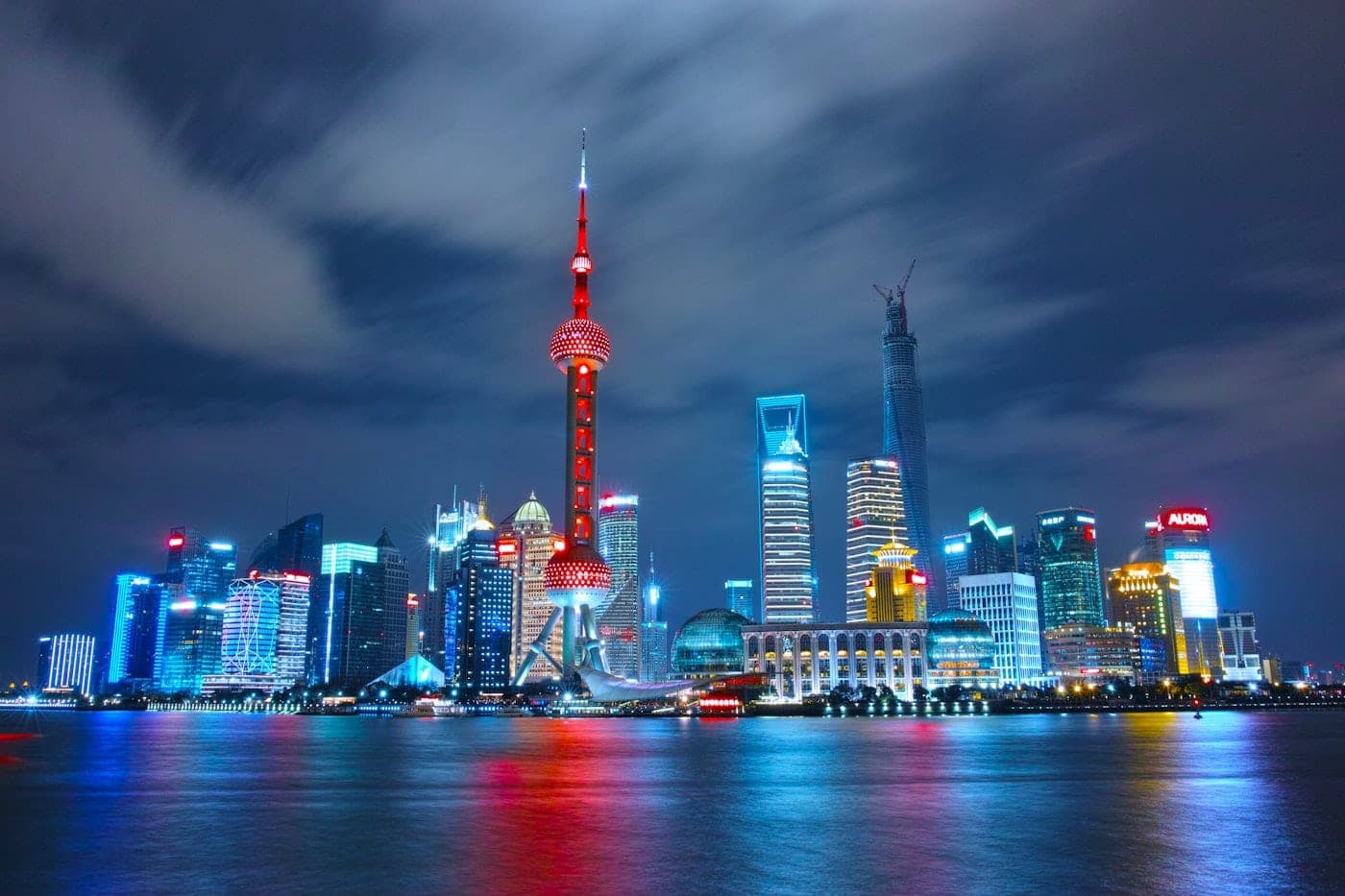
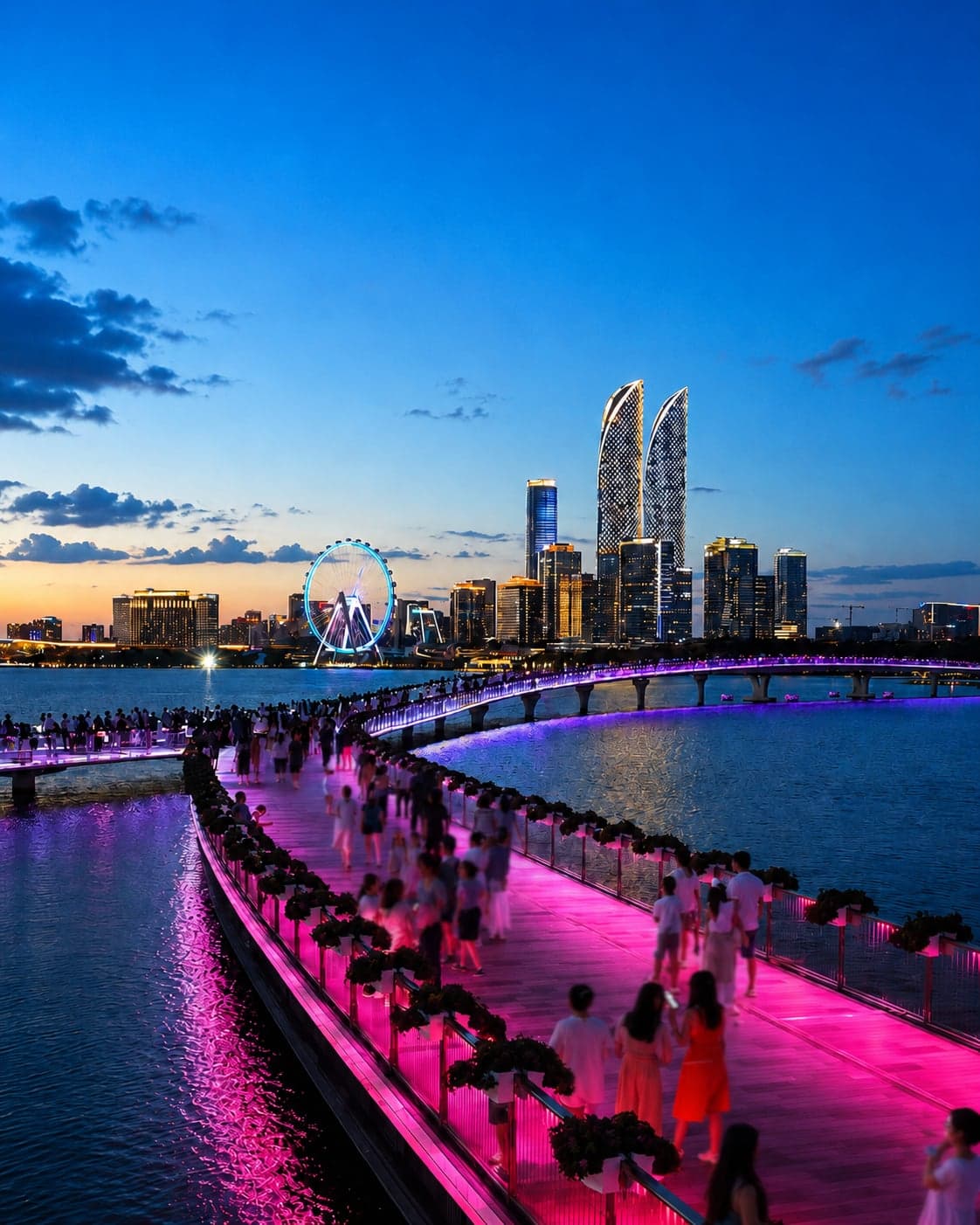
Jinji Lake at dusk, the Gate of the Orient lit on the western bank with the Suzhou Center mall across the water

Jinji Lake(the centrepiece of modern Suzhou)

Jinji Lake is the centrepiece of modern Suzhou, east of the old city in Suzhou Industrial Park.

Around the seven-square-kilometre lake stands the architecture the city built after 1994: the Gate of the Orient on the western bank, the Suzhou Center mall under its swooping silver canopy, the Ferris wheel above the eastern shore, and a music fountain that runs across the water at dusk.

We time Jinji Lake for the late afternoon, so the western Gate of the Orient is lit against the dusk and the music fountain runs once you arrive on the lakeside promenade. The walk follows the western bank past the Suzhou Center, then crosses by water taxi to the eastern shore for dinner at one of the Yueliangwan restaurants. The contrast with the morning's garden visit is the point.

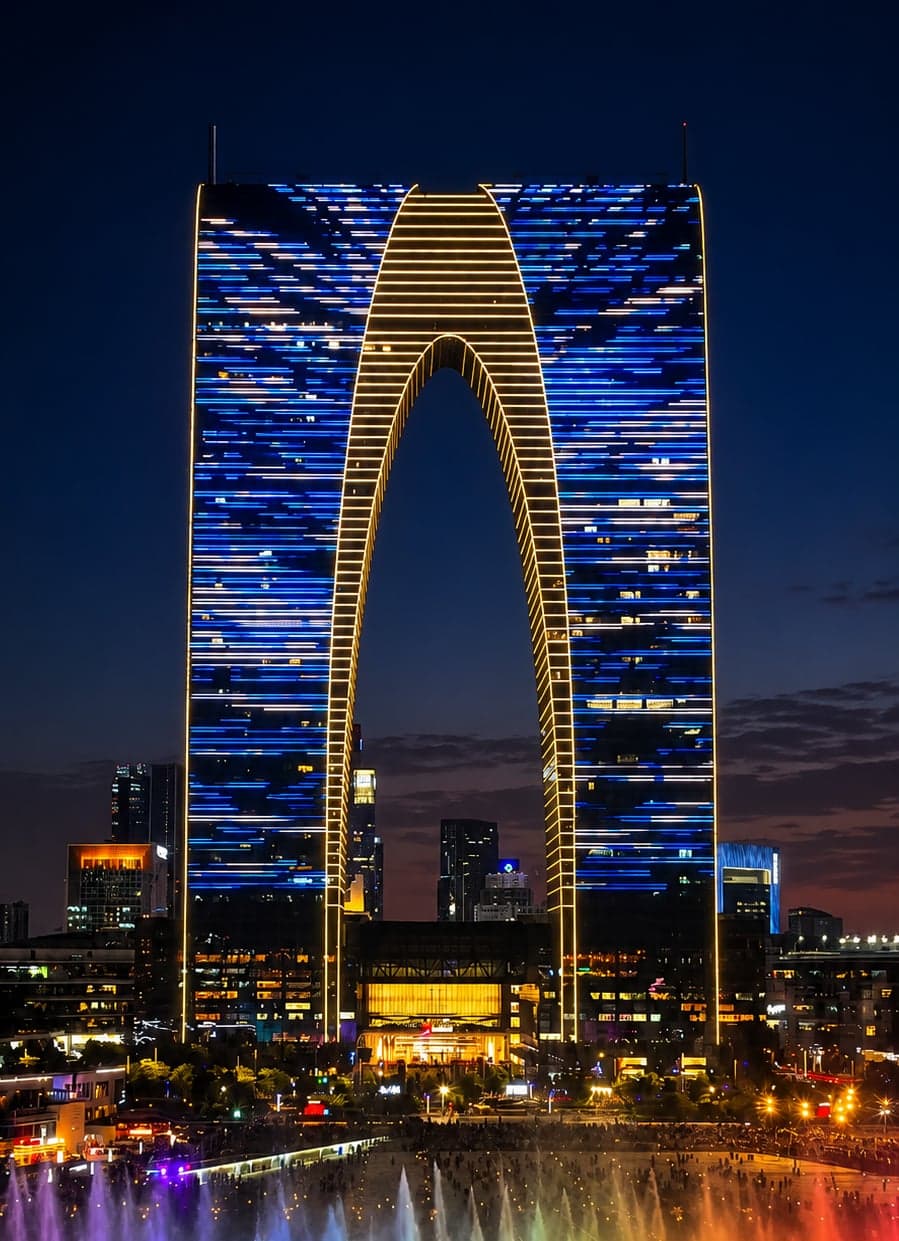
The 301-metre Gate of the Orient on the western bank of Jinji Lake, its twin towers meeting to form an arch over the city

Gate of the Orient(Dongfang Zhi Men, Suzhou's tallest building)

The Gate of the Orient is Suzhou's tallest building and the silhouette that defines the Jinji Lake skyline.

Completed in 2015 at 301 metres, the two towers curve in toward each other at the top and meet to form an arch, a shape the city reads as the entry portal to modern Suzhou and locals affectionately call the Big Pants. Viewing levels run high on both towers, and the lakeside walk along the western shore below is where most photographs are taken.

We schedule the visit for late afternoon, so the western light is full on the towers and the city below begins to switch on as you reach the upper deck. Tickets are timed against your passport details. Coming up after a Jinji Lake morning gives the lake the bird's-eye view the lakeside walk does not.

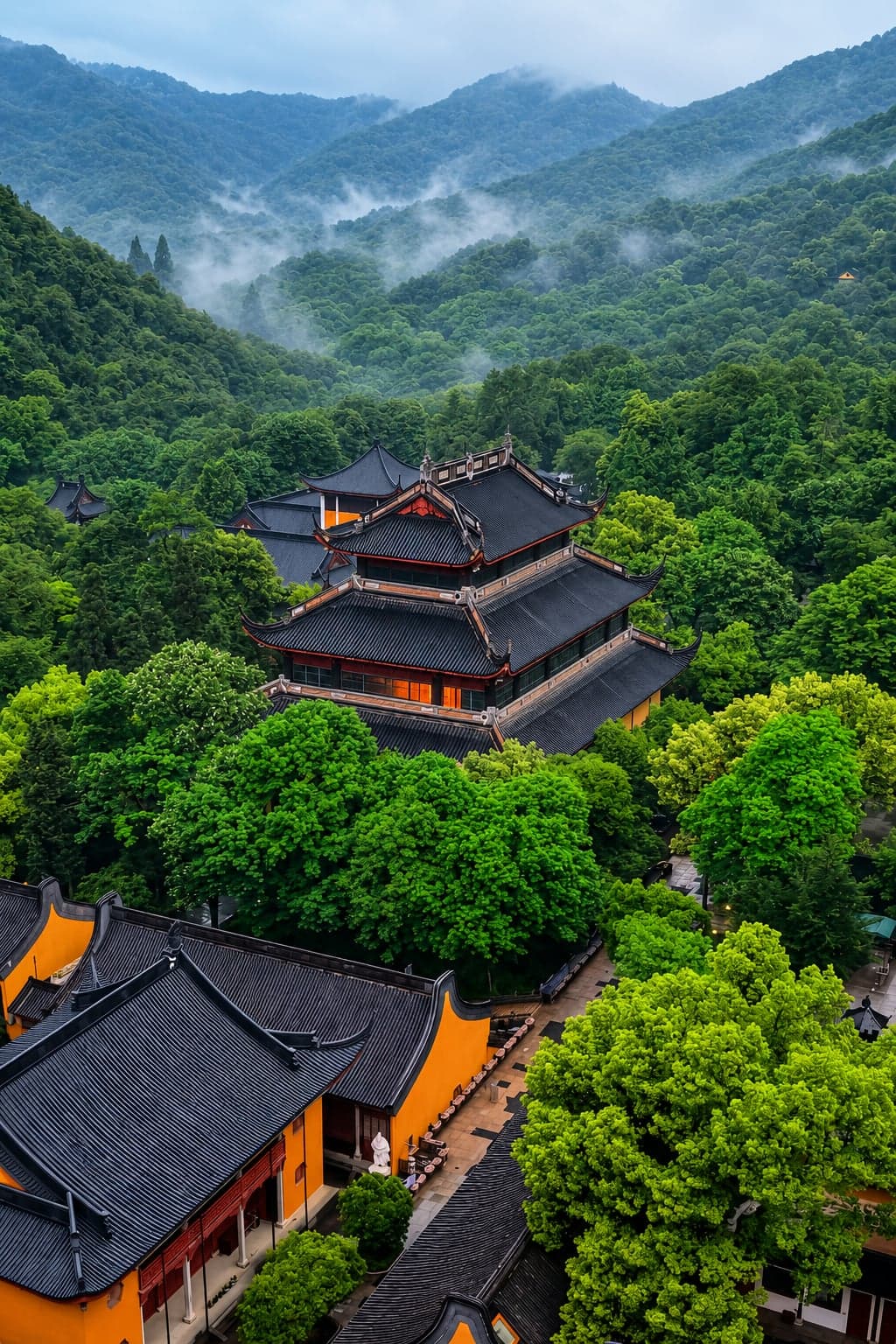
The yellow-walled halls of Lingyan Mountain Temple climbing the wooded hillside above Mudu, mist drifting through the ridges of greater Suzhou

Lingyan Mountain Temple(Lingyan Shan Si, the Pure Land monastery above Mudu)

Lingyan Mountain Temple sits on the 220-metre Lingyan Mountain above Mudu, about fourteen kilometres west of the old city.

King Fuchai of Wu built his Guanwa Palace here in the fifth century BC for the beauty Xi Shi, and the Buddhist monastery that grew on those ruins is what stands today. The Pure Land master Yinguang led the community here in the 1930s, and the temple remains a working Pure Land seat. The Song-era Lingyan Pagoda holds the skyline above the halls.

We drive out from Suzhou after breakfast so the climb up the stone-paved path lands before the day groups, and Mudu's noise has not yet reached the summit. The route reaches the pagoda first while the haze is still in the lower valleys, then walks through the working halls where the morning sutra is usually still in progress. A late-morning vegetarian meal in the monastic kitchen rounds the visit, with the option to add a short walk through one of Mudu's classical gardens on the way back.

02

What to eat

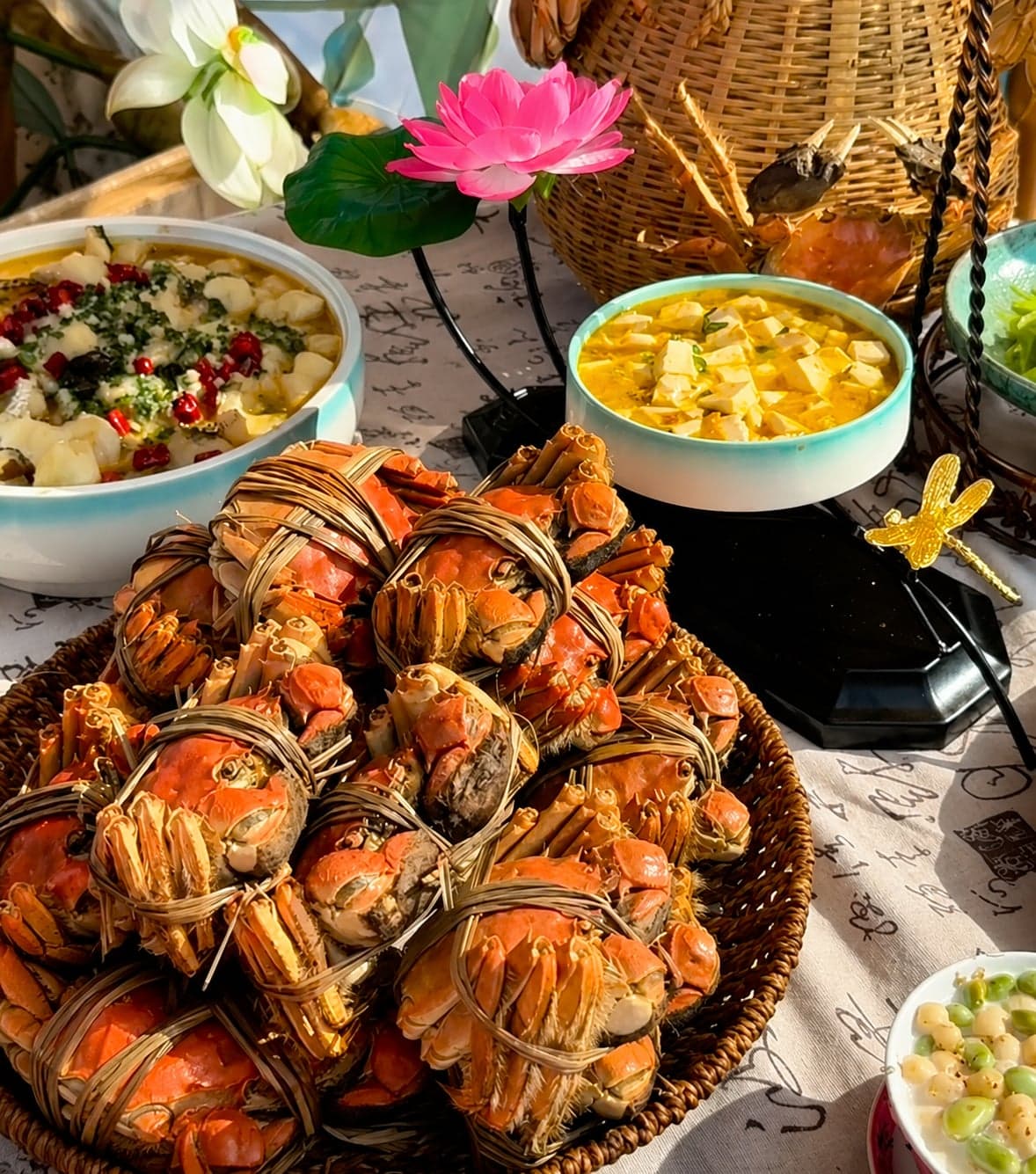
A basket of grass-tied Yangcheng Lake hairy crabs at the table, served with crab-roe tofu and lotus garnish

Hairy crab(da zha xie, the autumn ritual)

Hairy crab is Suzhou's autumn ritual.

The crab come from Yangcheng Lake, the freshwater lake east of the old city; the silvery-brown shell, hairy claws, and golden roe are the markers. Female crab peaks in October, male in November. Steamed whole and served with black vinegar, sliced ginger, and a touch of brown sugar. The roe is creamy and concentrated, the meat sweet and clean, and the work of opening the shell is half the pleasure.

We book the table in the female-roe weeks of October or the male-meat weeks of November, at a Yangcheng-source restaurant where the crab is tied with grass and chosen at the tank. Your guide walks the eating sequence: open the carapace, scoop the roe, then the legs and claws last, so the ritual lands without instruction at the table. The vinegar-ginger ratio is brought to your taste.

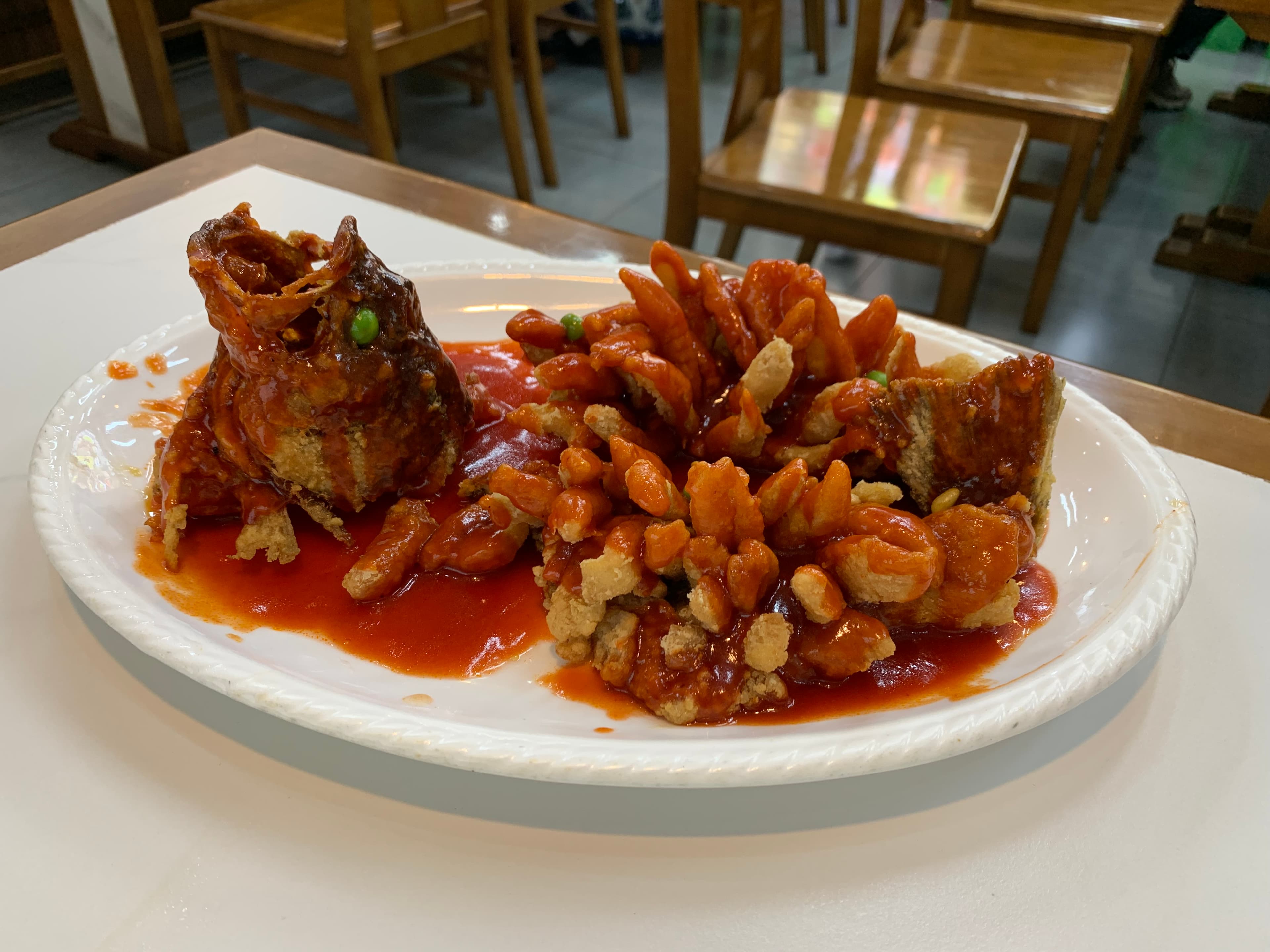
Squirrel mandarin fish, a whole fish scored and deep-fried so the fillets curl outward, dressed in amber Suzhou sweet-and-sour sauce

Squirrel mandarin fish(Songshu Guiyu, the Suzhou banquet dish)

Squirrel mandarin fish is the Suzhou banquet dish, served at formal tables and almost never at casual ones.

A whole mandarin fish is scored in a cross-hatch pattern, deep-fried so the fillets curl outward like a squirrel's coat, then dressed at the table with amber sweet-and-sour sauce. The Suzhou sweet-and-sour ratio is lighter and less ketchupy than the Shanghai or Cantonese versions, and that is the part most travellers do not notice the first time.

A table is booked at Pingjiang Song or Xinjufeng for an early-evening seating, with the fish ordered ahead so it arrives at the table the moment the sauce is poured. Your guide reads the Suzhou-versus-Shanghai sauce balance at the first bite, so the regional difference is felt, not explained after the fact.

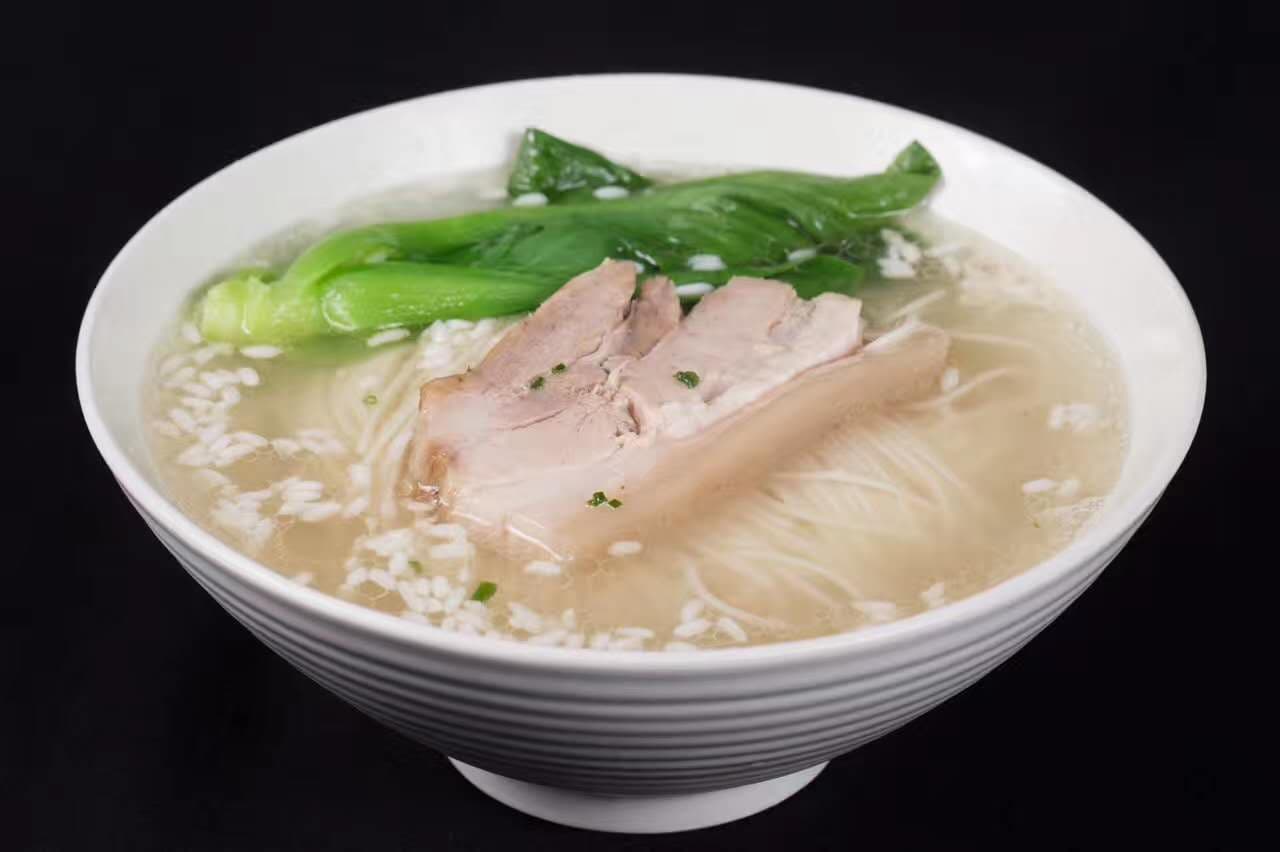
A bowl of maple-town big-meat noodle, slow-simmered pork belly on white pork-and-rice-wine broth, Suzhou's early-summer noodle

Maple-town big-meat noodle(Fengzhen Darou Mian, early summer only)

Maple-town big-meat noodle is Suzhou's early-summer-only noodle.

The broth is a clear white pork stock with a measure of fermented sweet rice wine stirred in, which gives it a faintly milky body and a winey edge most other Chinese noodles do not have. The pork is a lean-fat belly cut, slow-simmered until it pulls apart with chopsticks. Older houses like Yu Xing Ji and Su Yuzhai keep it on the menu for a short window each year.

A table is booked at one of the older Suzhou noodle houses (Yu Xing Ji on Gongyuan Lu is the steadier choice), in season only. Out of season the card swaps to a different Suzhou seasonal noodle, and the substitution is briefed before the day so you arrive knowing what to taste for.

03

Shows and experiences

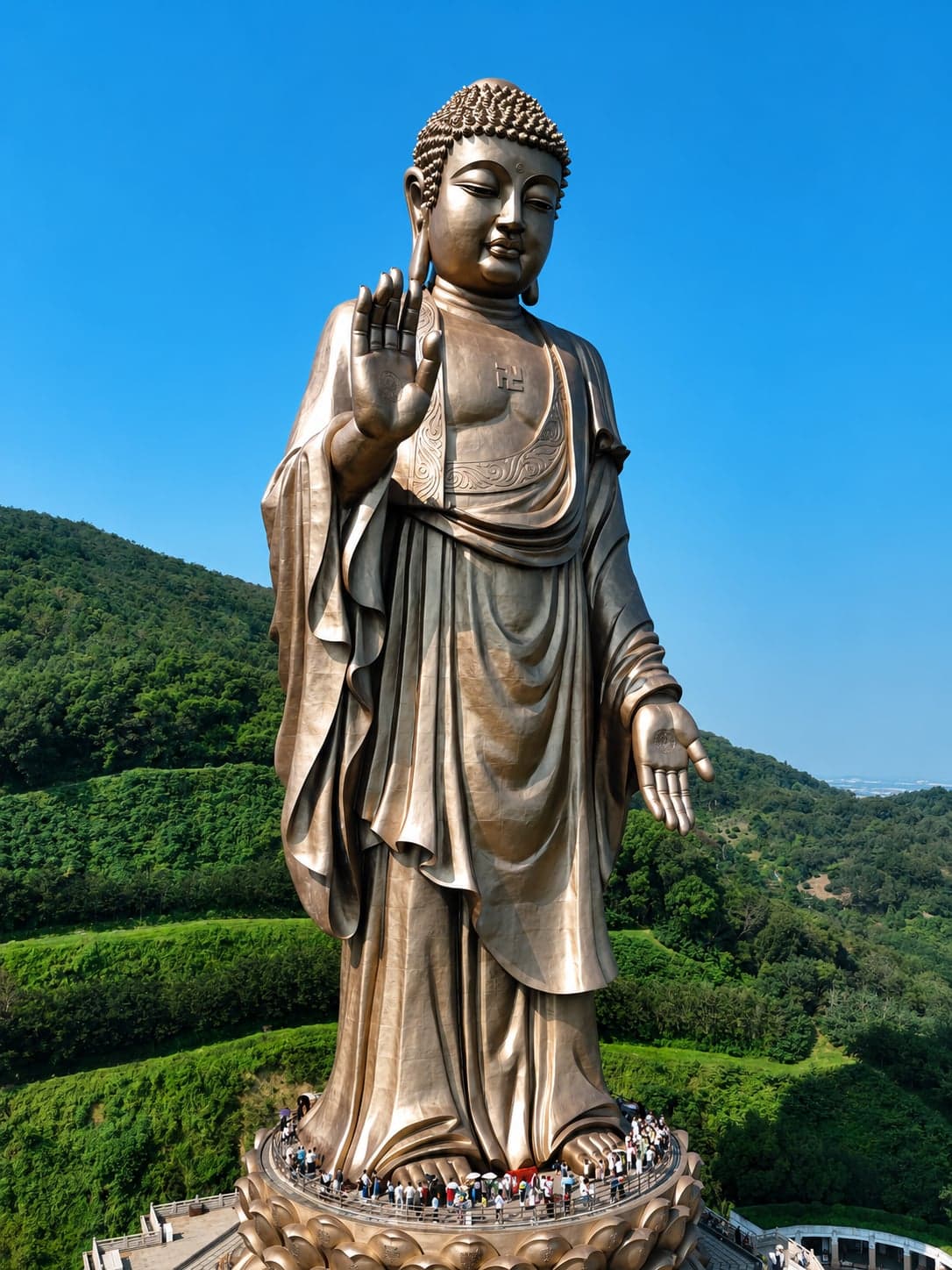
The 88-metre Lingshan Buddha at Wuxi, the bronze statue rising from its lotus platform with visitors on the viewing deck below and Lingshan's wooded hills behind

Wuxi Lingshan Buddha day trip(one of China's largest standing bronze Buddhas)

Wuxi is forty minutes west of Suzhou by high-speed rail, and at the foot of Lingshan Mountain stands the 88-metre Lingshan Buddha, completed in 1997.

The approach is the experience: a long terraced staircase climbs to the platform, the statue grows in scale at every level, and the wind carries the chanting of pilgrims across the slope. The Brahma Palace at the base, finished in 2009, holds a contemporary museum of Buddhist devotional art.

We start on the 08:30 Suzhou-Wuxi high-speed train, a private car waits at Wuxi station, and we are at Lingshan's gate by 10:00, before the largest tour groups arrive. The route goes up to the Buddha first while the light is soft, then enters the Brahma Palace as the day warms. A late vegetarian lunch is held inside the complex before the return rail back to Suzhou.

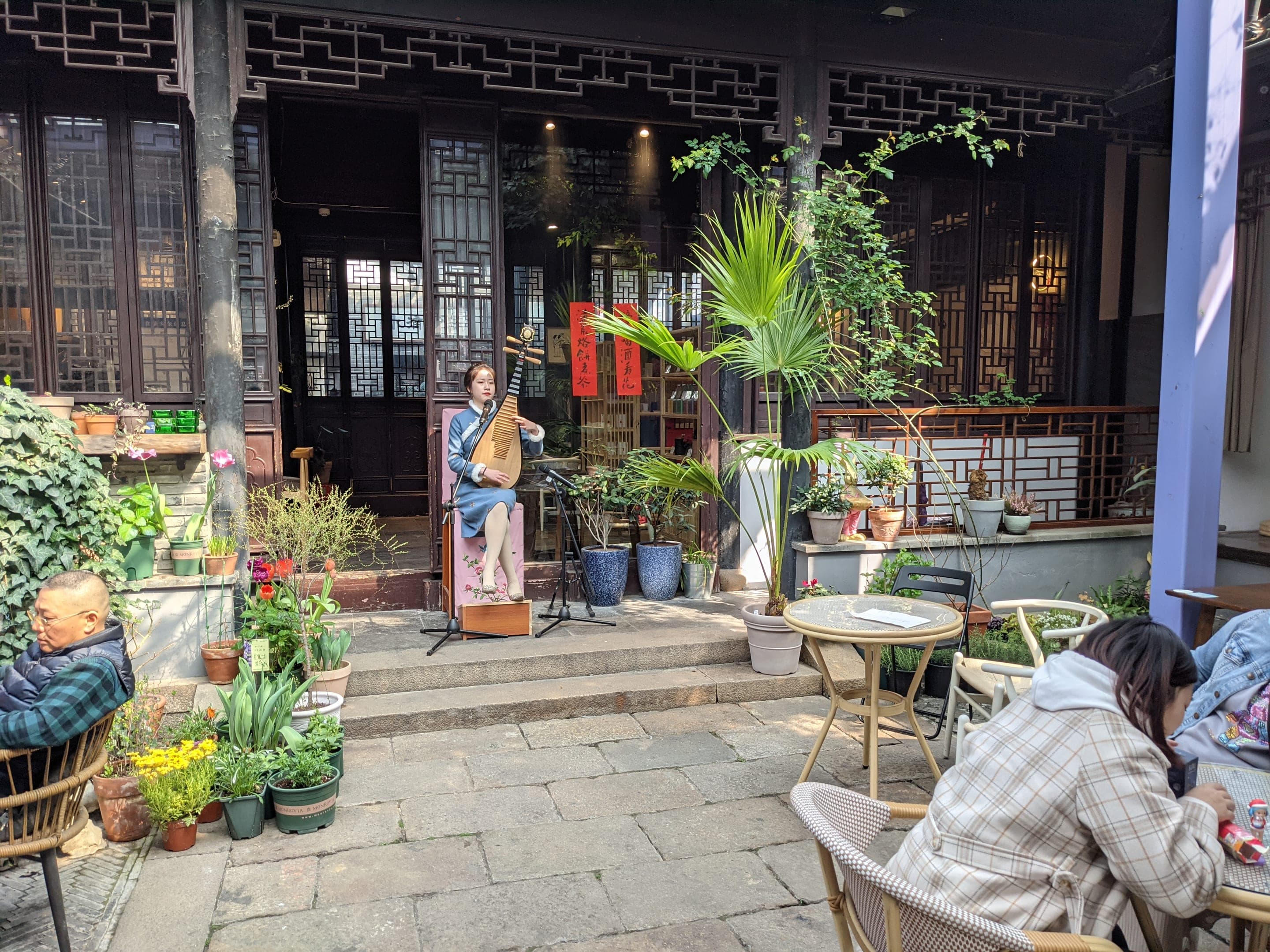
A Pingtan performer at a Pingjiang Road teahouse, telling a verse story in the Suzhou Wu dialect

Pingtan teahouse hour(Suzhou Pingtan, the Wu-dialect ballad form)

Pingtan is Suzhou's own dialect ballad form, systematised in the late Ming and Qing and specific to the city.

One or two performers sit at a table with a pipa and a sanxian lute, sing and speak verse stories in the Wu dialect of Suzhou, and the audience drinks tea while they listen. Pipa Yu on Pingjiang Road is the better-known venue, with afternoon and evening sets; one pot of tea covers one set of about an hour.

Pipa Yu's afternoon set is booked under your name with a corner table and a fresh tea pot. Your guide translates the verse story between sets so the Wu dialect is not the wall between you and the song, and the next pot is timed to arrive at the break, not at the start of the second set.

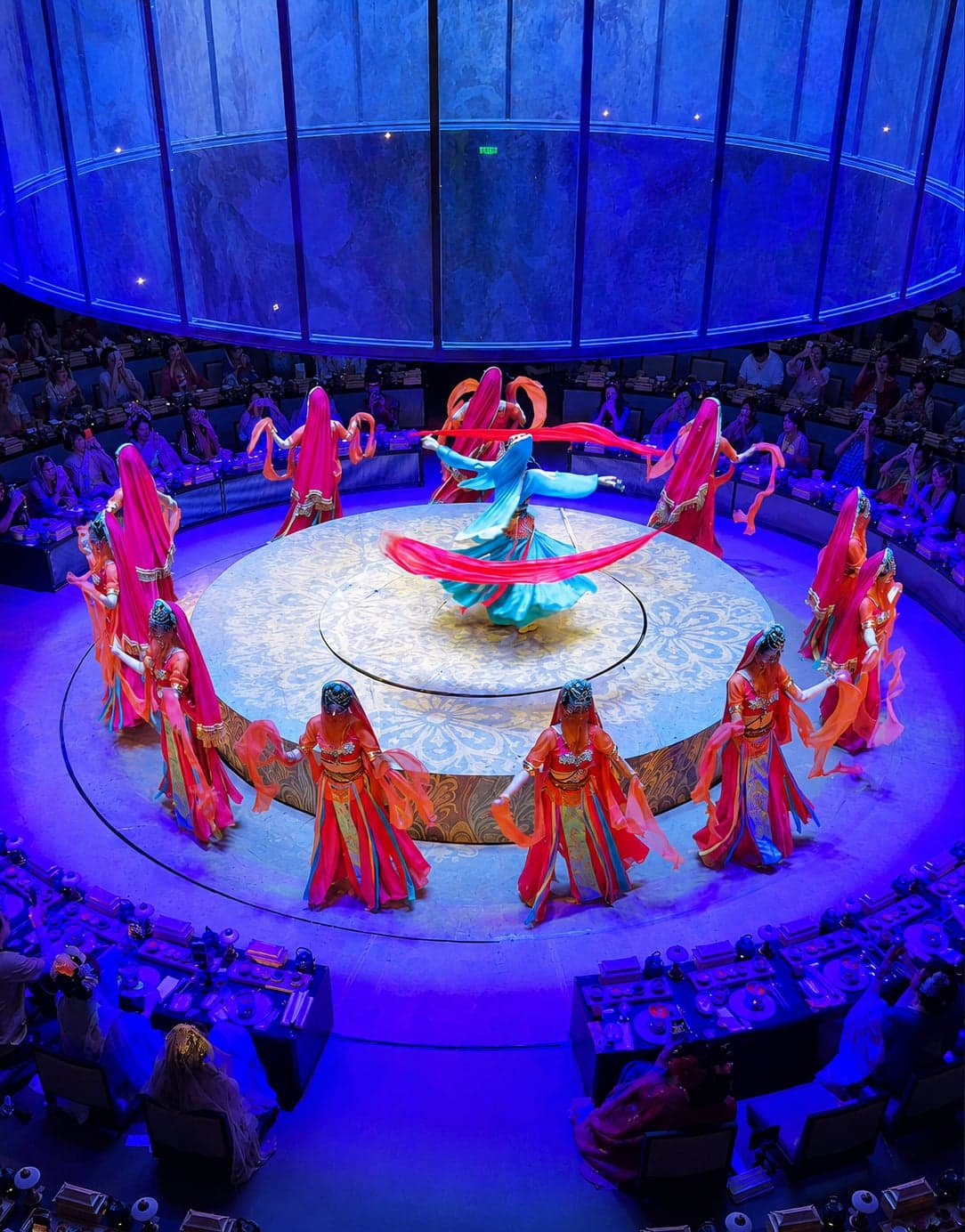
A circular stage at SILK GALA in Suzhou, a solo dancer with a red silk ribbon at centre and a ring of performers around the perimeter, with the audience seated for dinner on the outer tiers

SILK GALA(Si Yan, a Suzhou silk-and-dinner evening)

Suzhou's silk industry has shaped the city for more than a thousand years, from the Tang court demand for brocade through to the Ming and Qing silk merchants whose courtyard mansions still stand around Pingjiang Road.

SILK GALA brings the lineage to the table: an evening of Suzhou cuisine served alongside a contemporary silk-themed performance, where the textiles, the music, and the dishes are all drawn from the city's silk-trade history. The evening is unmistakably Suzhou: quiet, slow-paced, and unrepeatable elsewhere.

We book against your passport and confirm the season's programme the morning of your stay. The evening begins with welcome tea, runs through a multi-course Suzhou tasting alongside the performance, and finishes with the host's introduction to the silk pieces displayed during the evening. A car waits at the entrance to return you to your hotel.

How a few days unfold

What three days
might look like.

  1. Day 01

    Pavilions, canal lanes, and the lantern hour.

    The morning begins at the Humble Administrator's Garden as the east gate opens, before the Shanghai day groups reach the central water court. A late-morning hour follows next door at the Suzhou Museum, I.M. Pei's last major building. Lunch unfolds in a courtyard restaurant on Pingjiang Road, then the afternoon belongs to the canal lanes and a long stop at a Ming-era teahouse for Biluochun. As evening falls, the lanterns come up over the water and a Pingtan set at Pipa Yu closes the day.

    • Humble Administrator's Garden water court
    • Suzhou Museum (I.M. Pei's last major building)
    • Pingjiang Road on foot
    • Ming-era teahouse for Biluochun
    • Pingjiang lantern hour
    • Pipa Yu Pingtan teahouse
  2. Day 02

    Rock garden, Tiger Hill, a teahouse afternoon.

    The morning brings a slower pace at Lingering Garden, known for its rock collection and the six-metre Crown of Clouds Peak at the centre of the garden. Continue to Tiger Hill before lunch, walking the route from the Sword Pond up to the leaning Yunyan Pagoda along the spine of the hill. A long Suzhou lunch follows on Pingjiang Road, with squirrel mandarin fish ordered ahead. As the afternoon settles, the Pipa Yu Pingtan teahouse opens its afternoon set, with a translation gloss so the Wu dialect does not gate the verse out.

    • Lingering Garden (Crown of Clouds Peak)
    • Tiger Hill (Sword Pond and Yunyan Pagoda)
    • Pingjiang Road lunch
    • Squirrel mandarin fish at the table
    • Pipa Yu Pingtan teahouse
    • Wu-dialect translation gloss
  3. Day 03

    Wuxi by rail, the Lingshan Buddha, lanterns home.

    An 08:30 high-speed train carries you west to Wuxi in forty minutes, where a private car waits at the station and takes you on to Lingshan Mountain by mid-morning, ahead of the day groups. The route walks up to the 88-metre bronze Buddha first while the light is soft, then into the Brahma Palace below as the day warms. A late vegetarian lunch is held inside the complex before the rail back to Suzhou. The evening returns to the lit eastern stretch of Shantang Street, the canal under the red lanterns one last time.

    • 08:30 Suzhou-Wuxi high-speed train
    • Lingshan Buddha (88-metre bronze, 1997)
    • Brahma Palace (2009 Buddhist art museum)
    • Vegetarian lunch inside the complex
    • Rail back to Suzhou
    • Shantang Street lanterns at dusk

Best time

March to May · September to November

Days needed

1 to 3 days

Where it sits

25 minutes west of Shanghai by high-speed rail

Before you enquire

Questions worth
answering early.

  • One night is the honest minimum, two is the unhurried version, three is the indulgent one. One night gives you Humble Administrator's Garden at opening, the Suzhou Museum next door, Pingjiang Road on foot in the afternoon and a Pingtan set at Pipa Yu in the evening. Two nights add a Lingering Garden morning and Tiger Hill before lunch, then a Pingtan afternoon. Three nights add a Wuxi Lingshan Buddha day trip, forty minutes west by high-speed rail, or a quieter day around Shantang Street and Jinji Lake. Same-day trips from Shanghai work, but the gardens are emptiest after the day groups leave.

One team behind your trip

Hand us the dream,
We carry it through.

From your first enquiry to your last airport pickup, our specialists design your trip and stay in contact every step of the way. The guides, drivers and hotels you'll meet are part of our trusted network we've worked with for years, briefed to the same standards.

  • Dedicated specialists, start to finish
  • Guides briefed to our standards
  • Fully transparent, no hidden costs
  • No deposit until you confirm
Your specialist
Portrait of Jack Guo, Senior Travel Specialist

Jack Guo

Senior Travel Specialist

Jack has spent ten years working with the guides, drivers and hoteliers across China. He'll be your contact from first enquiry to final airport pickup.

Tell us about your Suzhou trip

Five quick questions. We'll send you a Suzhou-anchored draft with the price within one business day. No deposit. No hard-sell.

Enquiring about

Suzhou

Step 1 of 5 · Where

Where in China is calling you?

Pick as many as you'd like, or 'not sure yet' and we'll suggest.

Private Suzhou tours, designed around your companions | Everonia