
Shanghai
modern China, with the Concession era underfoot
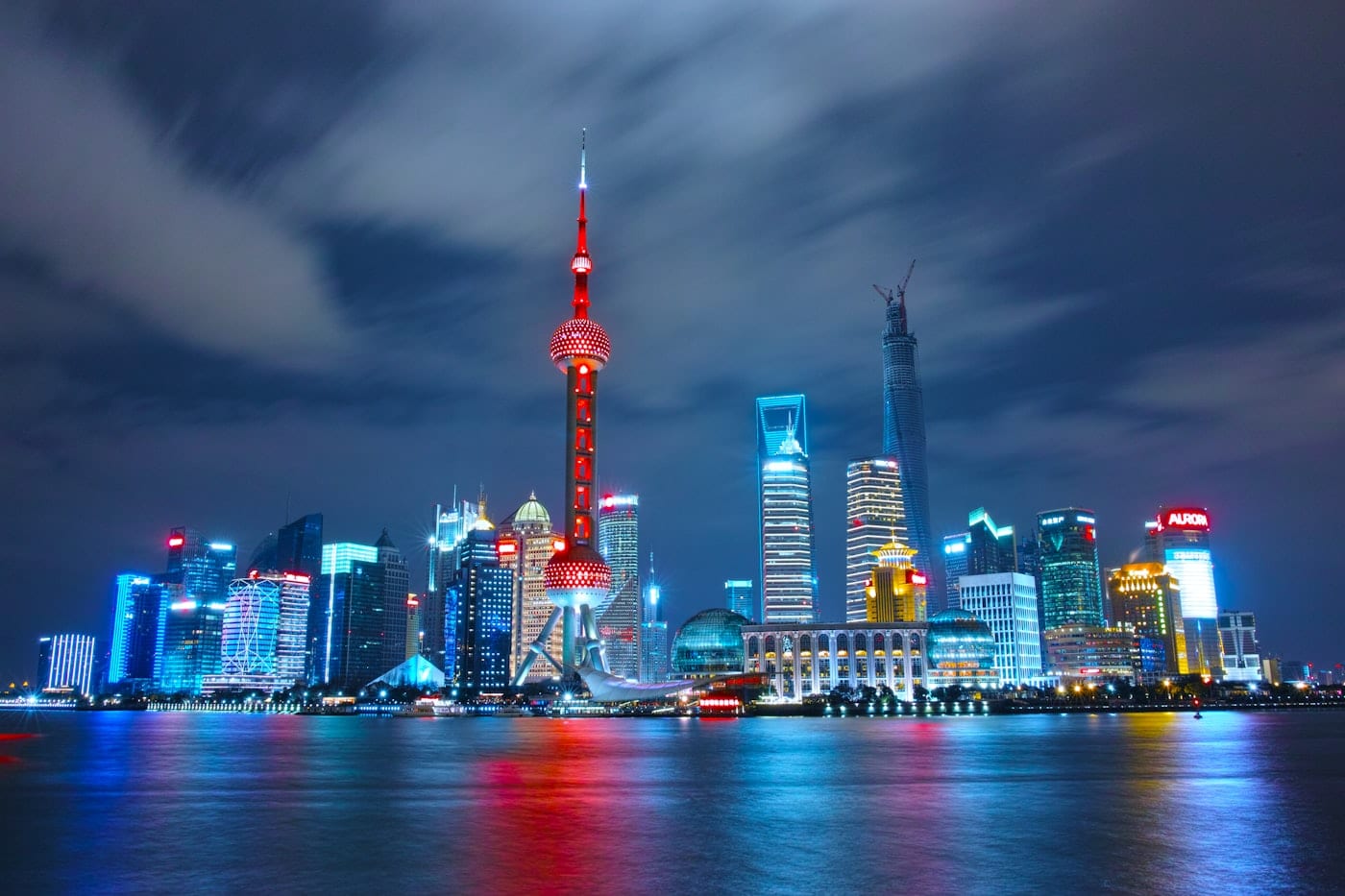
Shanghai is China at the water's edge. A mile of 1920s stone façades faces the towers of Pudong across the river. A block inland, the French Concession slows under plane trees. You walk one street and step into a different century.
Why people
come to Shanghai.
What to see

The Bund & Huangpu(the treaty-port riverfront)
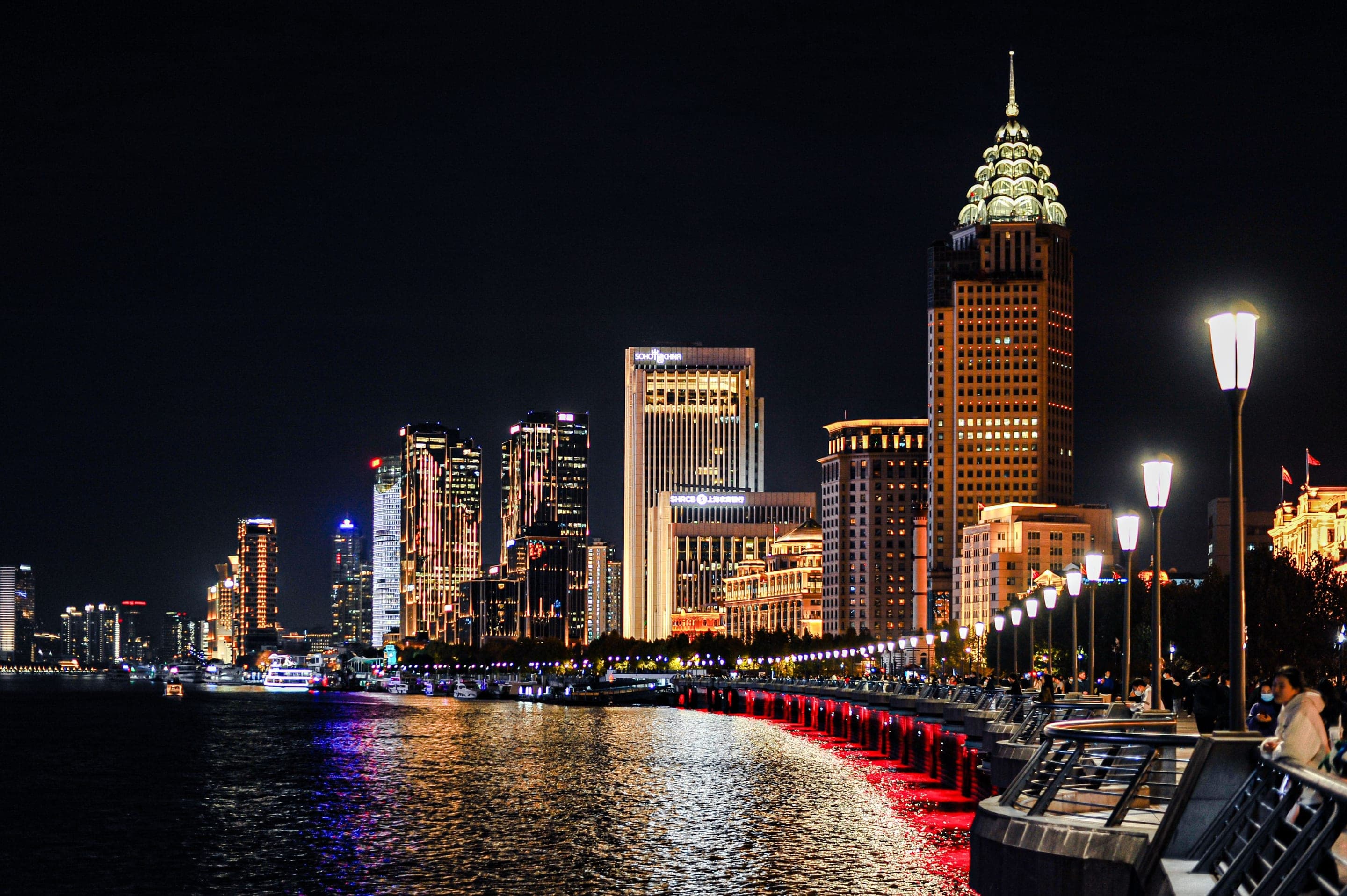
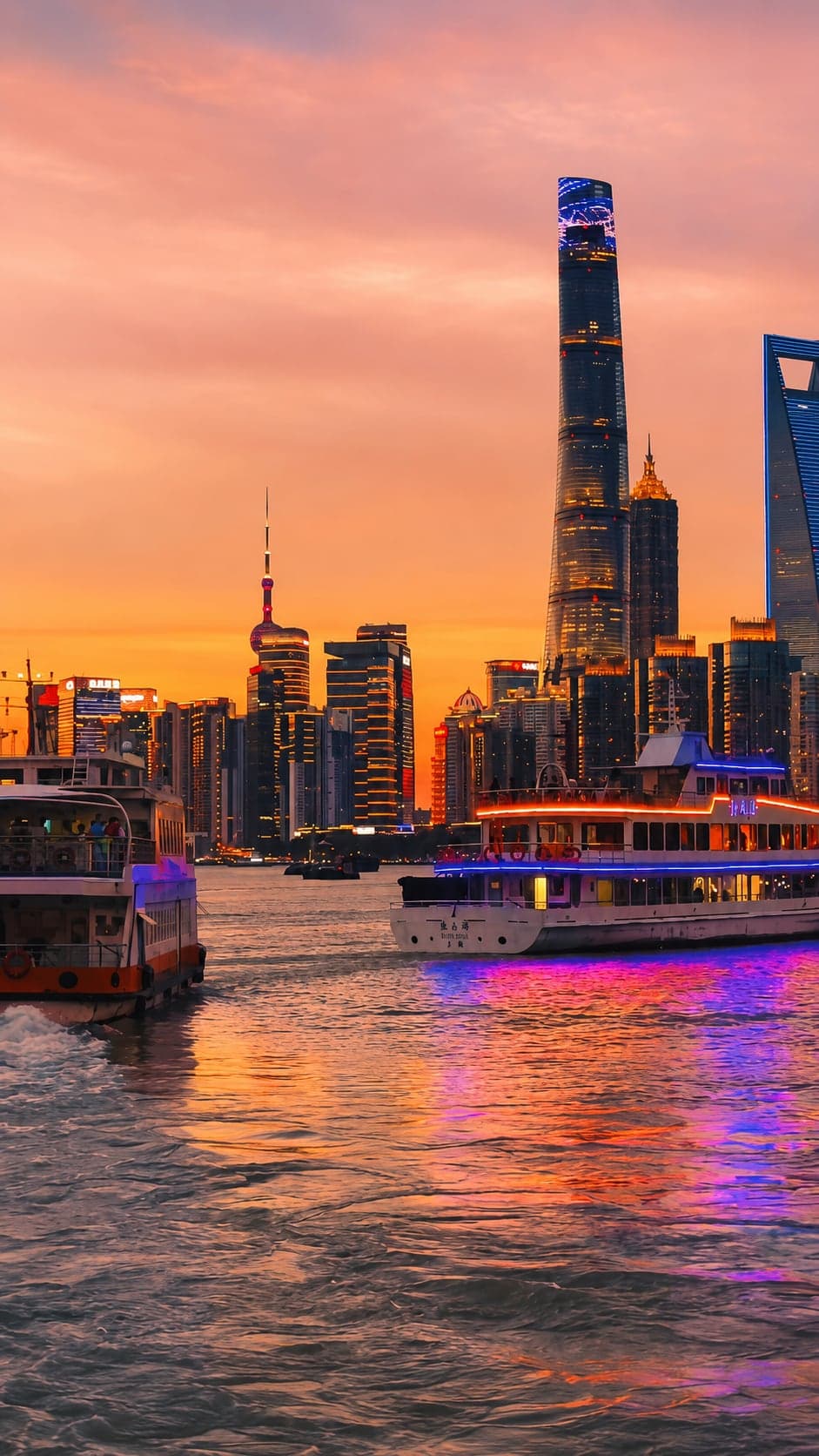
Walking the Bund at dusk is the moment Shanghai shows both centuries at once.
The stone fronts on the west bank catch the last of the day's light, and the towers of Pudong begin to wake across the water. Twenty heritage buildings stand along the bend: the Peace Hotel's green pyramid, the bell tower of the old Customs House, the dome of the old HSBC. The working ferry has crossed for more than a century.
We time the walk for dusk, when both banks light up at once, with a city-history specialist who places each building into the decade it belongs to. The crossing back uses the working Pujiang ferry the residents take, not the sightseeing boat with its constant commentary, so the river itself stays the moment you remember.

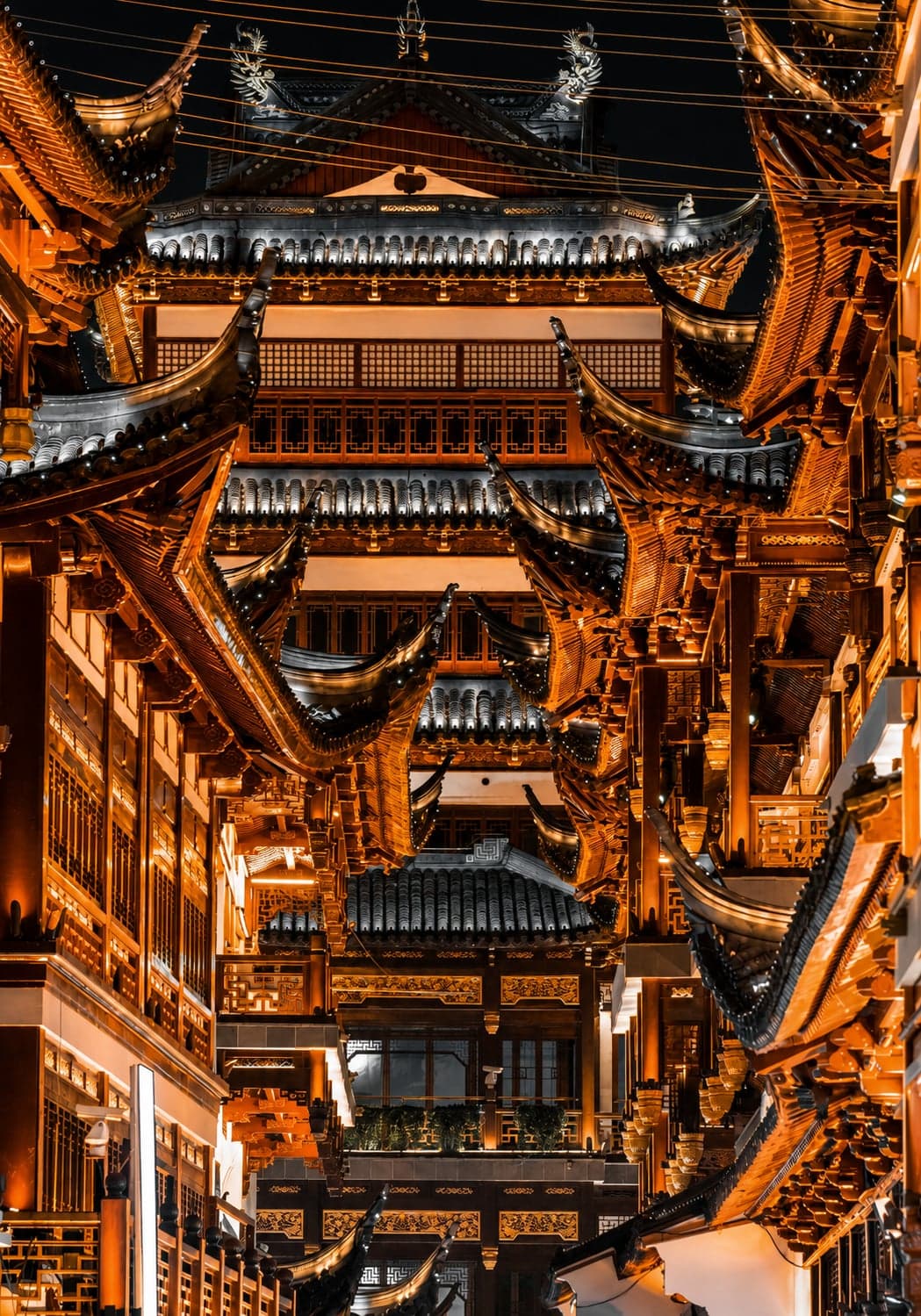
Yu Garden & the old town(Ming-dynasty classical garden)
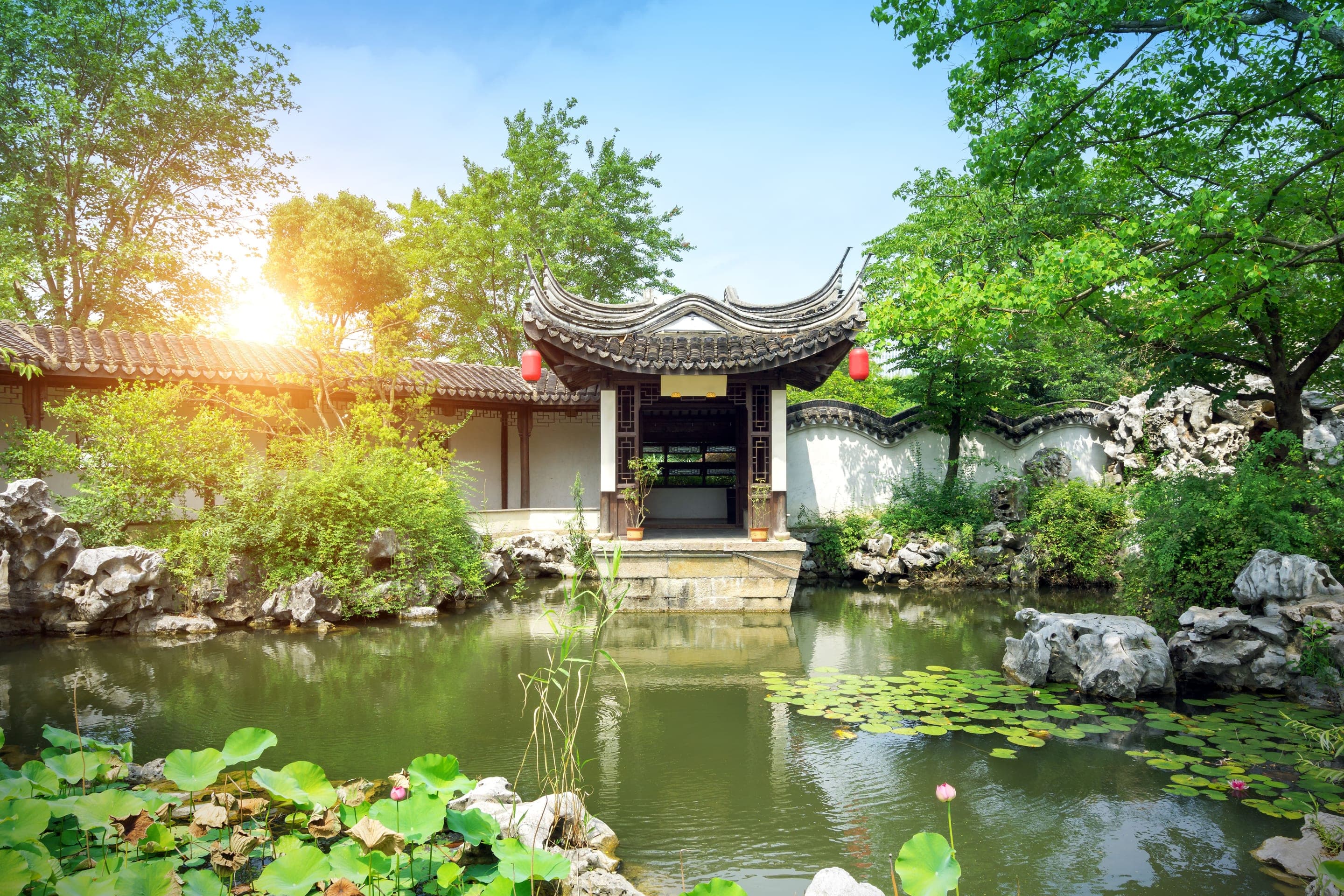
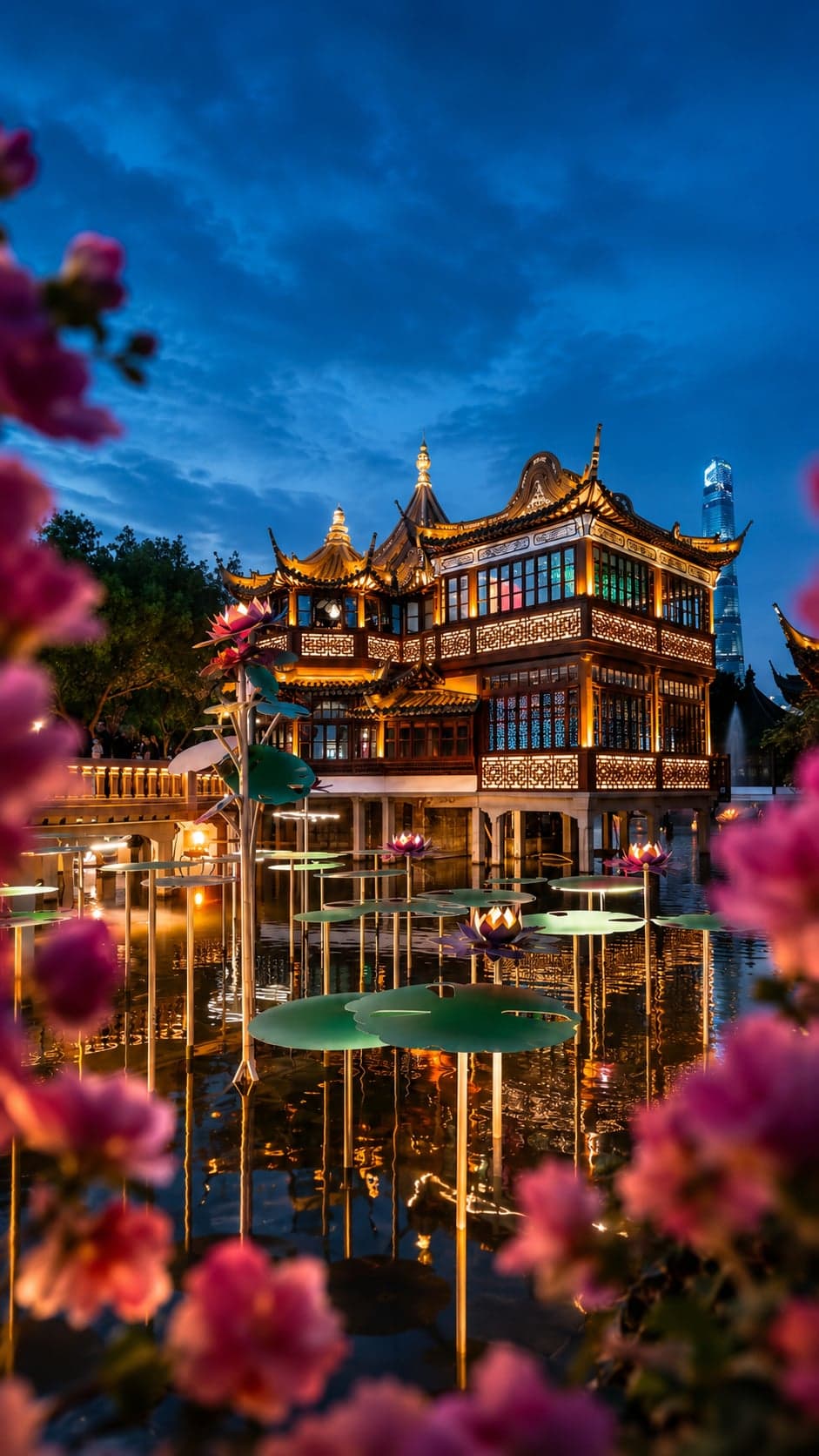
Yu Garden is Shanghai's classical heart, hidden inside the old town.
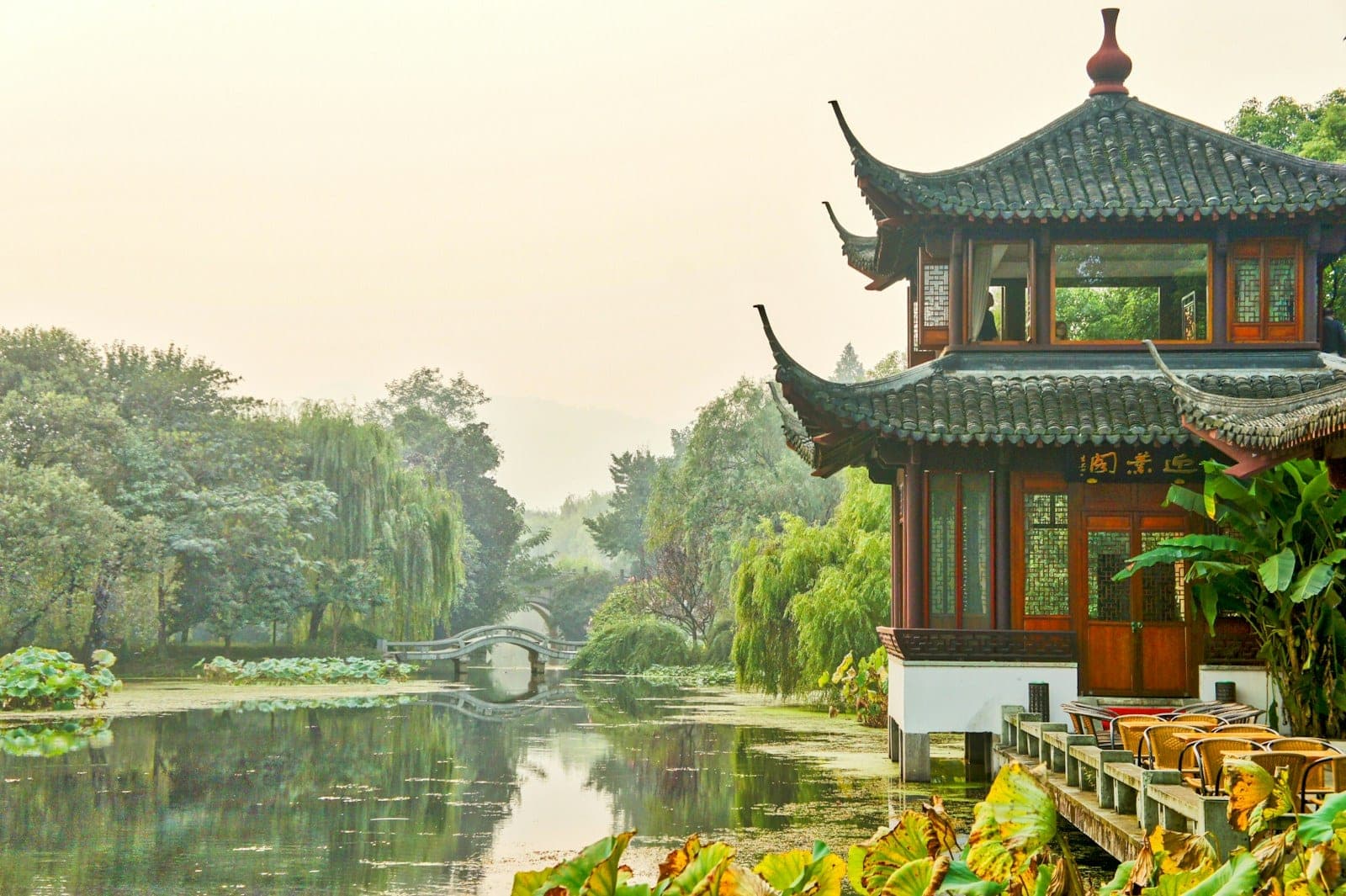
Through the gate, the city drops away: the rockeries enclose the sky, the koi ponds reflect the eaves, and the noise of the bazaar fades. Built in the late sixteenth century by a retired Ming official as a private retreat, this two-hectare garden has survived four centuries of war and rebuilding. The Mid-Lake Pavilion teahouse stands on its lotus pond just outside.
We book tickets against your passport ahead of the day and time entry for the opening window, when the rockeries and bridges still belong to the early walkers. Tea at the Mid-Lake Pavilion afterwards reads as a continuation of the morning rather than the first stop in a crowded lane. The route then peels off into the Nanshi back-streets where the old town still keeps its working rhythm.

Oriental Pearl(the 1990s icon of the Shanghai skyline)
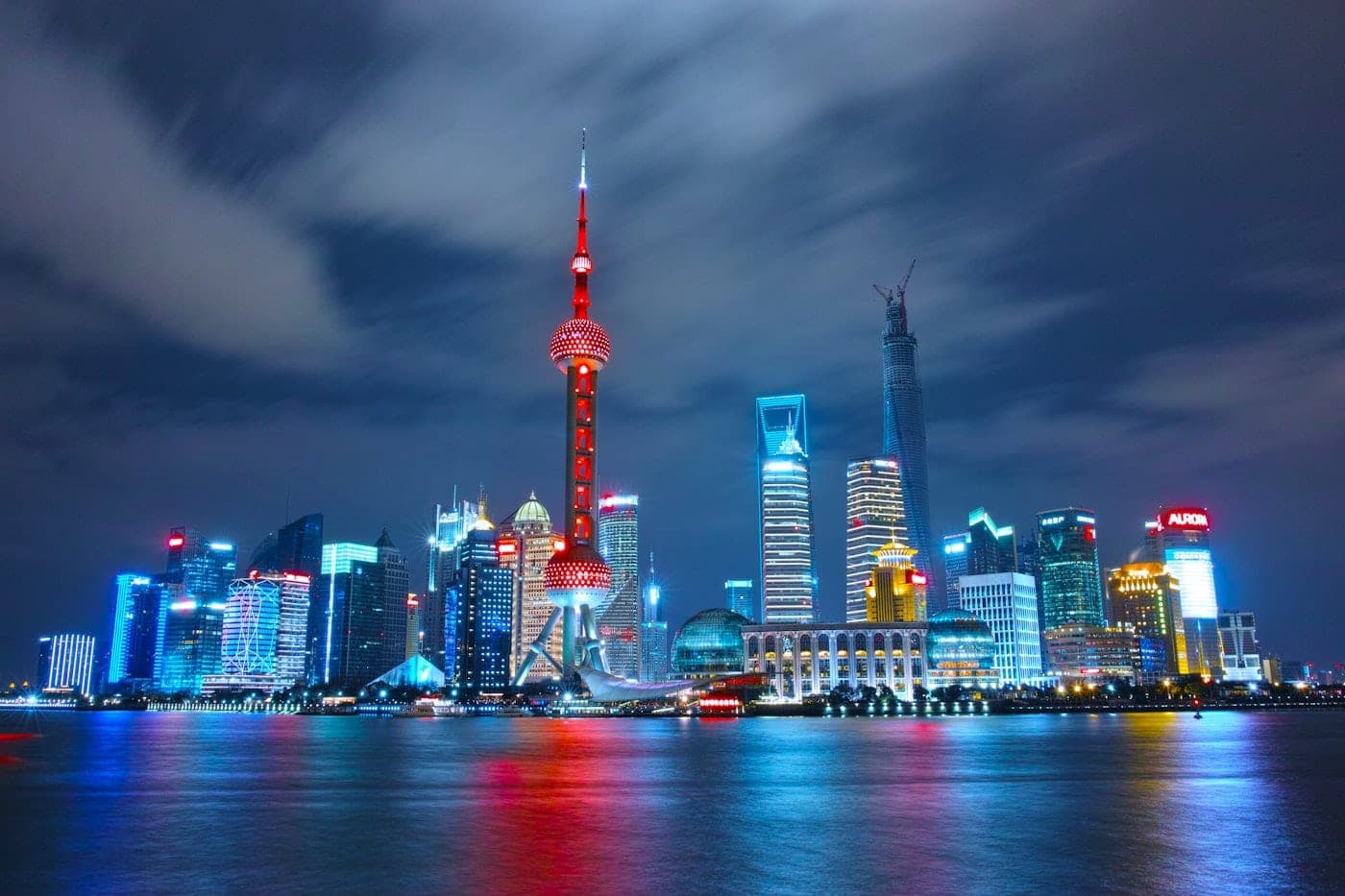
The Oriental Pearl is Shanghai's 1990s postcard tower, the one most travellers can draw from memory.
Completed in 1994 at 468 metres, with strings of spheres along its column, it stood as the city's tallest until the Jin Mao Tower topped out in 1999. The observation decks span three levels, the highest at 350 metres; the 259-metre deck has a glass floor section. The view of the tower from across the Huangpu is the city emblem.
We book the timed-entry slot for the dusk window, when the Bund switches on across the water and the ferry traffic crosses at eye level below the deck. Express-tier lift access skips the foyer queue so the ascent runs to the timing. Dinner is held Bund-side after, so the tower you photographed becomes the skyline you eat against.

Lujiazui(the Pudong supertall cluster)
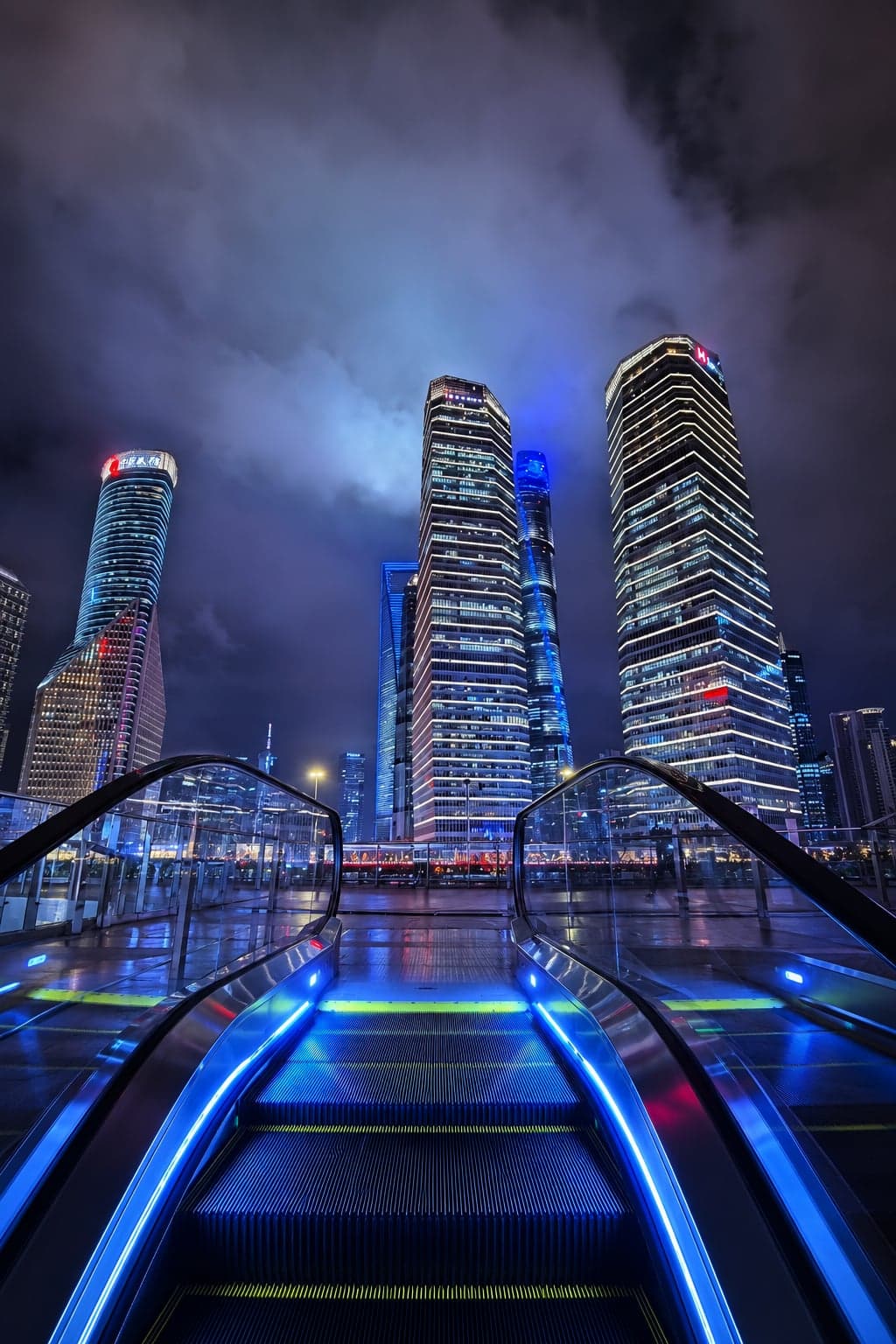
Lujiazui is Pudong's financial district and the postcard of modern China.
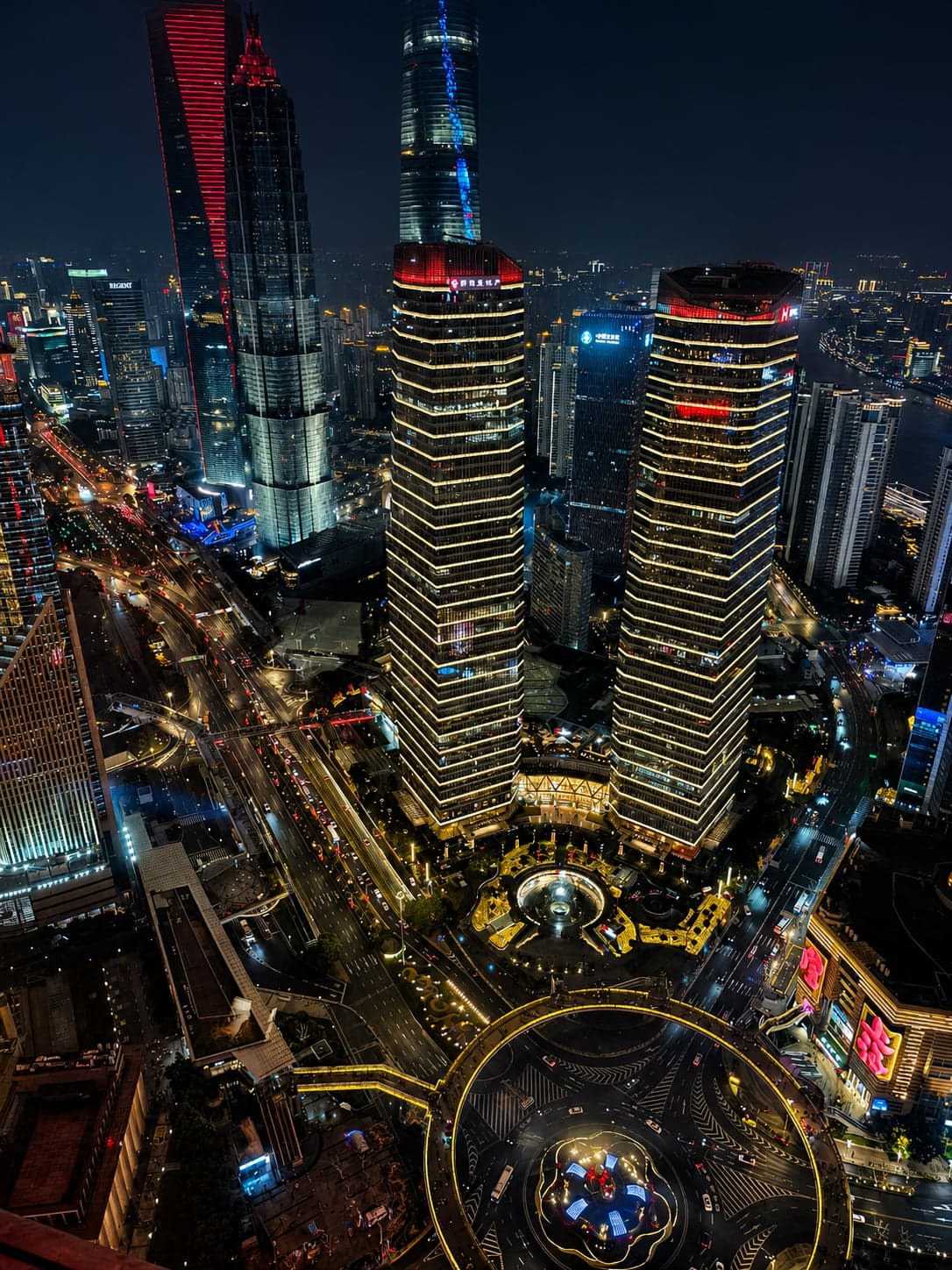
Four supertall towers rise off the bend of the Huangpu, on ground that was paddy field in 1990. The Shanghai Tower stands at 632 metres, the Shanghai World Financial Center at 492, the Jin Mao Tower at 421, and the Oriental Pearl at 468. A circular pedestrian skybridge runs above the traffic, linking the four.
We walk the skybridge counter-clockwise so the Oriental Pearl rises into the camera first and the Shanghai Tower closes the loop. The timing is late afternoon, when western light hits the glass and the towers stay legible against the sky. A drink is held at the Park Hyatt's 87th-floor bar, the height the city reads at best.

French Concession(1849-1943)
The French Concession is the most lived-in slice of old Shanghai.
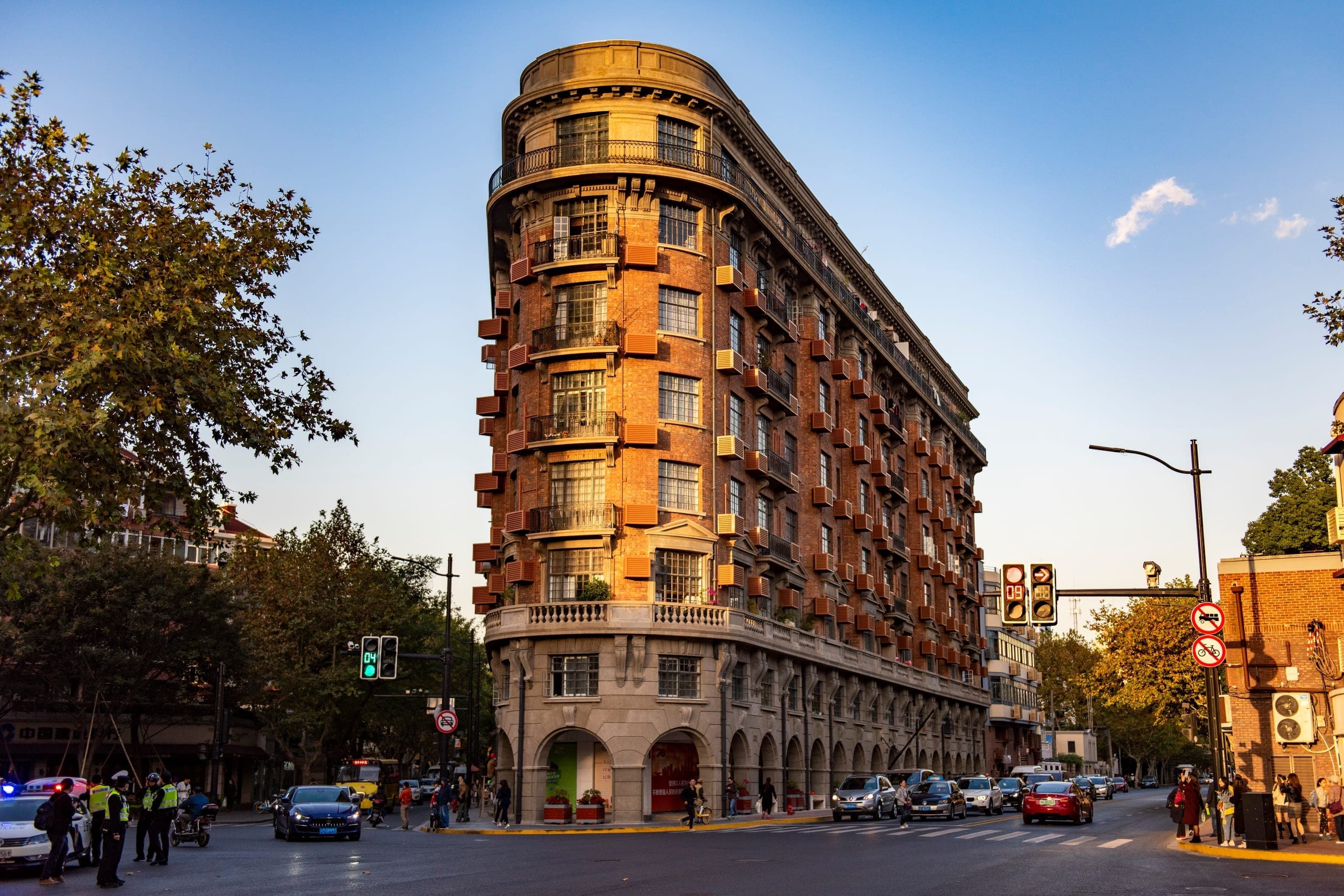
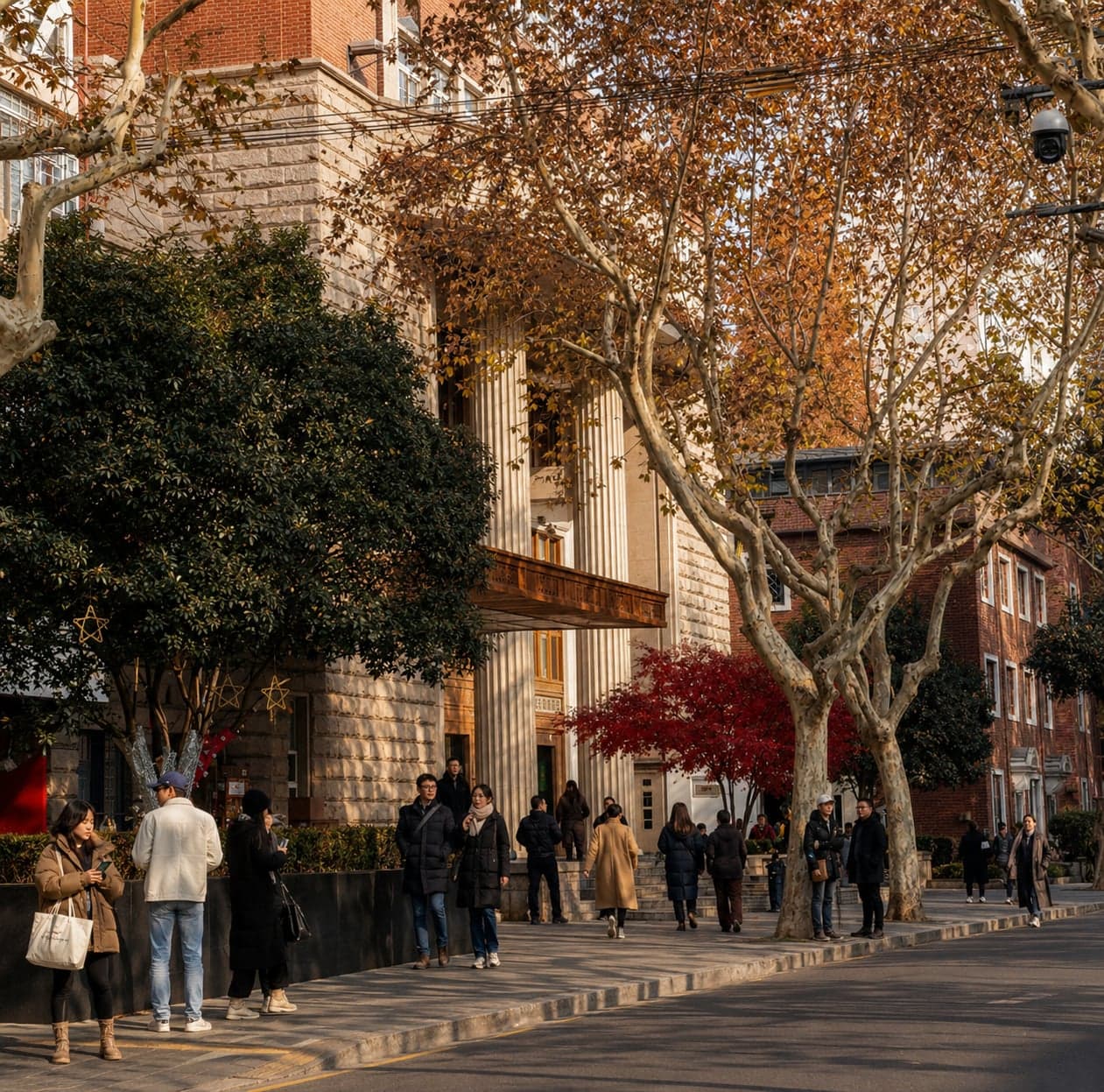
A block off Huaihai, the noise drops away. Plane trees close overhead, and afternoon light comes through their leaves onto brick villas and 1920s apartment blocks. Established as France's quarter in 1849 and returned to Chinese administration in 1943. The most recognised building is the Wukang Mansion, a 1924 French Renaissance Revival wedge cut into the six-street junction of Wukang and Huaihai Roads.
We open the walk at the Mansion balcony in late-afternoon light, when the French Renaissance Revival wedge catches the western sun, then close in a shikumen courtyard café before dinner shifts to the Bund. The pace is set for the architecture, not the boutique stops, so the buildings get to be the foreground.

Anfu Road(the Concession's contemporary café and boutique street)
Anfu Road is the French Concession's contemporary face.
A nine-hundred-metre street, plane-tree-lined and slow-paced, it has become Shanghai's most photographed café and boutique strip since the late 2010s. The 1920s and 1930s apartment blocks now house independent coffee bars, small fashion labels, and bakeries that draw lines down the pavement. The plane-tree light is at its best between four and six.
We walk the street between three and six, when the late-afternoon light hits the western side first and the cafés are still under half-full. The route stops at one bakery for a mid-walk pastry, one boutique for what the season has put in the window, and one indie coffee bar for the final pour. Dinner is held a block off Anfu, so the afternoon's pace runs straight into the evening.

Shanghai Museum(Chinese antiquities, People's Square and Pudong)
Few museums anywhere hold this much of China's past in one place.
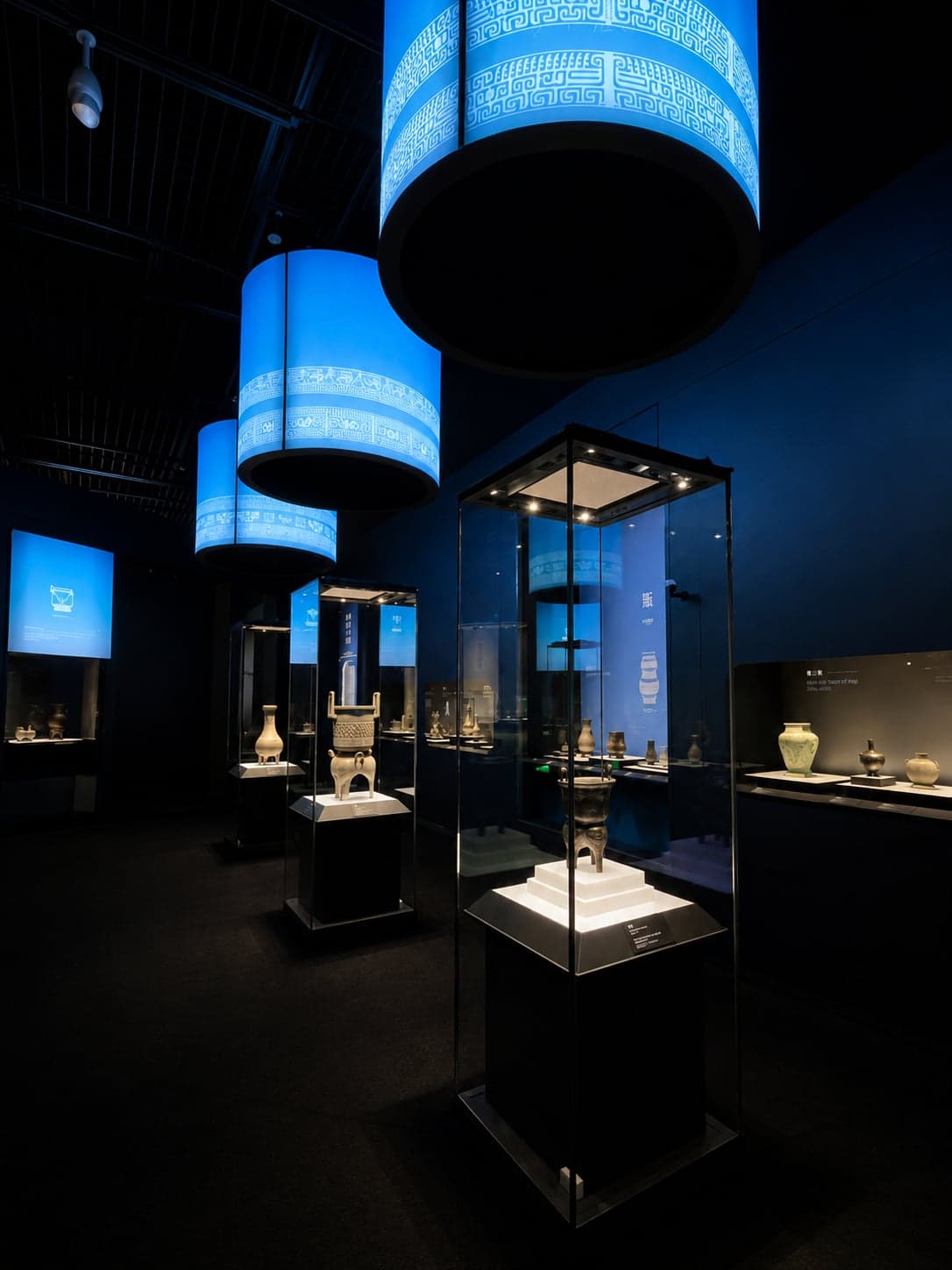
The Shanghai Museum's bronzes, ceramics, paintings, calligraphy, jade, Ming furniture, and seals fill eleven galleries across two branches, and admission is free. The original round pavilion on People's Square has anchored the city's cultural axis since 1996. Shanghai Museum East opened in Pudong in early 2024, three times the size.
We book the timed-entry slot against your passport as soon as the booking window opens, since both branches release their best slots in the first hour. The route starts in the bronze gallery, where your guide names the dynasty and ritual function of each vessel. The rest of the museum then reads as a chronology, not a series of objects.

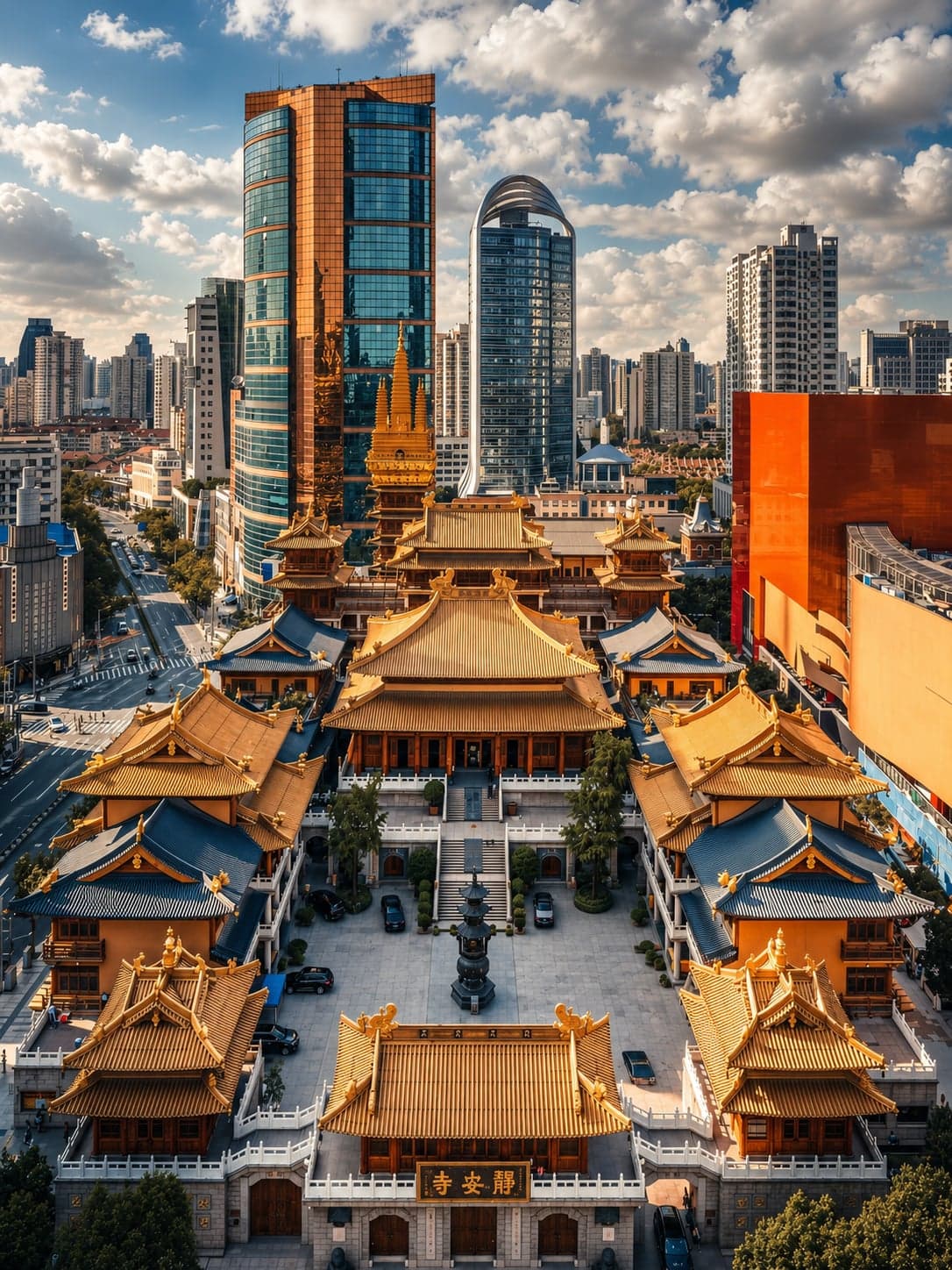
Jing'an Temple(an active Buddhist temple in the middle of the shopping district)
Jing'an Temple sits in the middle of Shanghai's luxury shopping district.
Founded in the third century during the Three Kingdoms, the present buildings stand on Nanjing West Road, bordered on three sides by the Plaza 66 and Réel malls. The contrast is the picture: a working Buddhist temple under gold-tiled eaves, the city's tallest retail towers rising directly behind.
We arrange entry against your passport before the mid-morning crowds arrive, timed so the sutra chanting in the main hall is still in progress when you walk in. The walk back leaves through the east gate onto Nanjing West Road, where the temple frames best against the glass tower behind. Lunch is held nearby on the Réel mall's top floor.

City God Temple(active Taoist temple, Ming-dynasty old town)
The City God Temple is the working Taoist temple at the heart of Shanghai's old town, founded in the early Ming and still drawing local worshippers daily.
The three city gods it honours, Huo Guang, Qin Yubo and Chen Huacheng, link Shanghai to the Han, the Yuan, and the Opium Wars. The courtyards are small but live: joss-stick smoke burns through the morning, prayer boards line the eaves, and chants from the main hall carry into the lanes before the day-tour groups arrive.
We enter at the morning opening window, when the joss-stick smoke is heaviest and the local worshippers are still in the courtyard. Yu Garden tickets are booked against your passport for the same morning, so the temple and the garden land as one continuous old-town arc rather than two separate visits.
What to eat

Shanghai xiaolongbao(pleated soup dumplings, eaten broth-first)
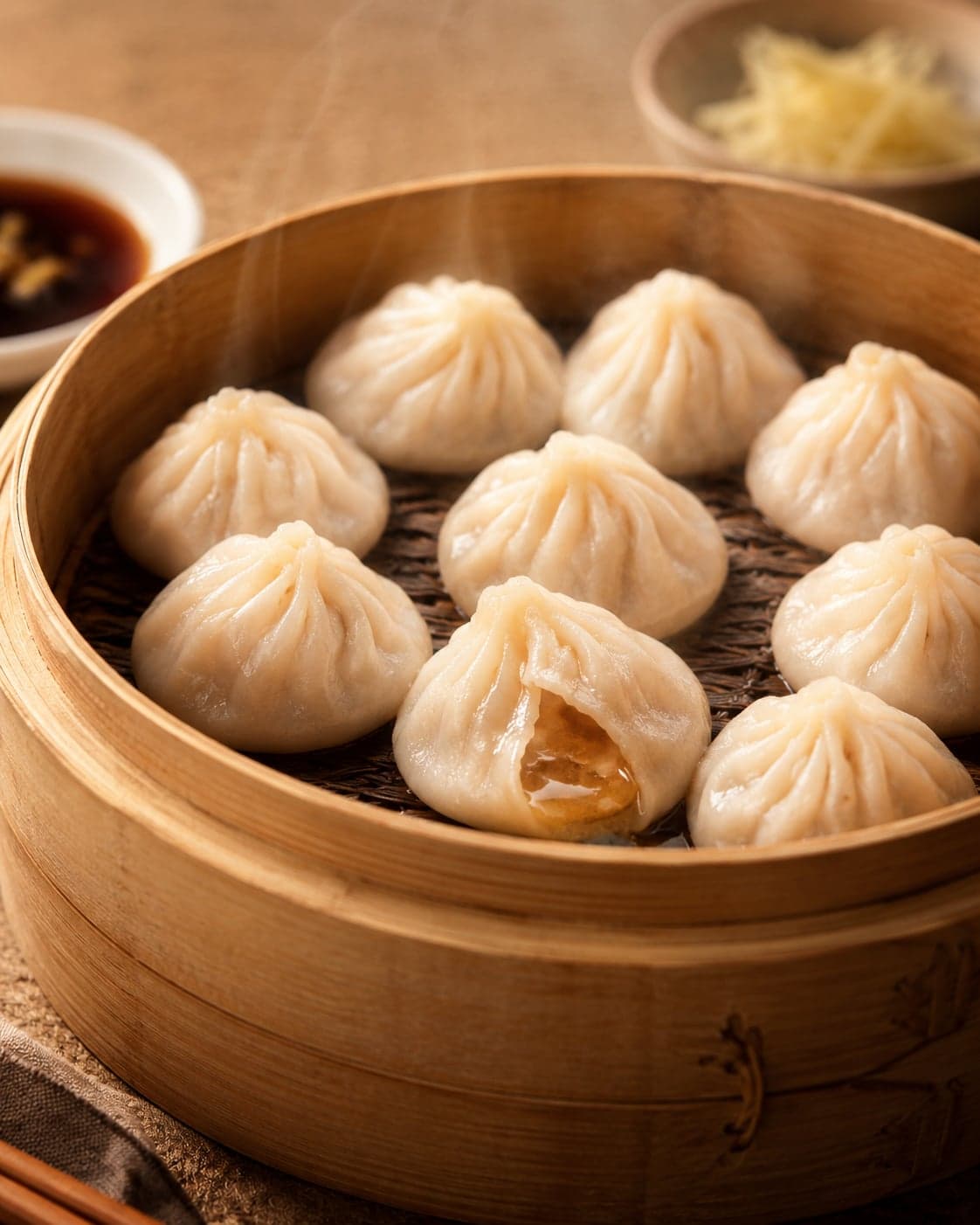
Few dishes belong to a city the way xiaolongbao belongs to Shanghai.
Eight or nine pleated soup dumplings come to a bamboo steamer, pork wrapped around a knot of jellied stock that turns to hot broth at first heat. You sip the broth from the top edge, sweet with pork and warm with ginger; then the wrapper and the meat go down together, ending with a splash of black Zhenjiang vinegar. From October to early December the regulars' order is crab-and-pork, when Yangcheng Lake roe stains the filling orange-gold.
We time the visit for late morning, before the line triples by midday, with a window seat where each basket comes straight off the steamer. The order goes in as crab-and-pork in season, plain pork otherwise, landing at the moment the skin is thinnest and the broth at its hottest. Shredded ginger in Zhenjiang vinegar is on the table from the start so the bite ritual runs unbroken from first basket to last.

Hairy crab roe noodles(October to early December, Yangcheng Lake's roe at its peak)
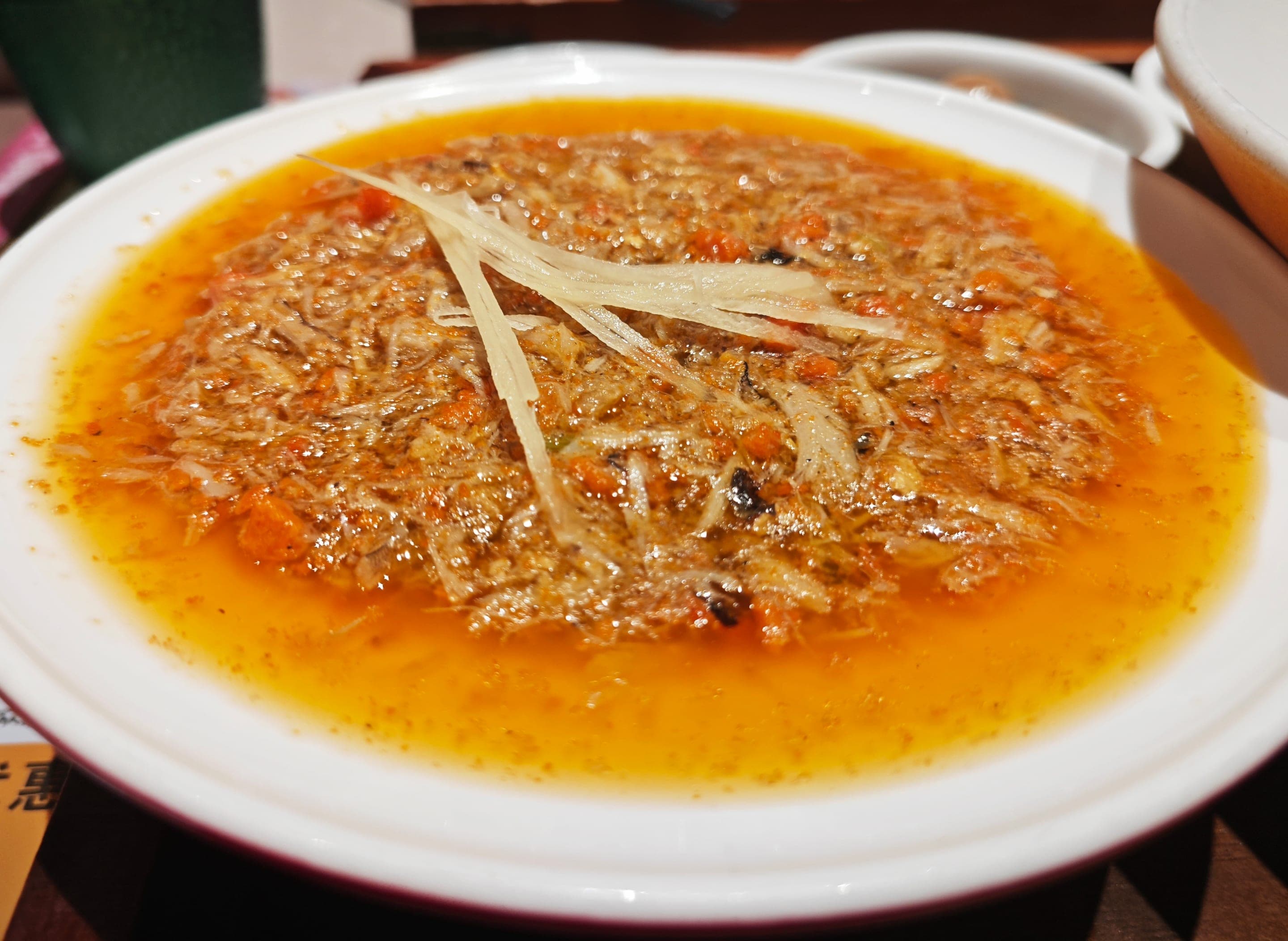
Of all the ways Shanghai cooks its autumn crab, the simplest is the most distilled.
The roe is picked by hand from a steamed female crab, then stirred in scallion oil and a touch of lard with ginger and Shaoxing wine. It goes over a small bowl of plain noodles, slick and gold. The flavour is concentrated crab, faintly sweet, deepened by the wine and softened by the lard. A Shanghainese saves October to early December for this one dish.
For the autumn window we book a table at one of the old Jiangnan houses three to four weeks ahead, against your passport, since peak slots fill the day they open and the kitchen caps bowls per service. The order goes in as female-crab so the roe is hand-picked that morning rather than thinned with off-season frozen stock. The bowl arrives within minutes of the noodle going in, so the gold coat sets while the strands are still hot.

Shanghai shengjianbao(the street-side pan-fried bun)
If xiaolongbao is Shanghai's lunch counter, shengjianbao is its street corner.
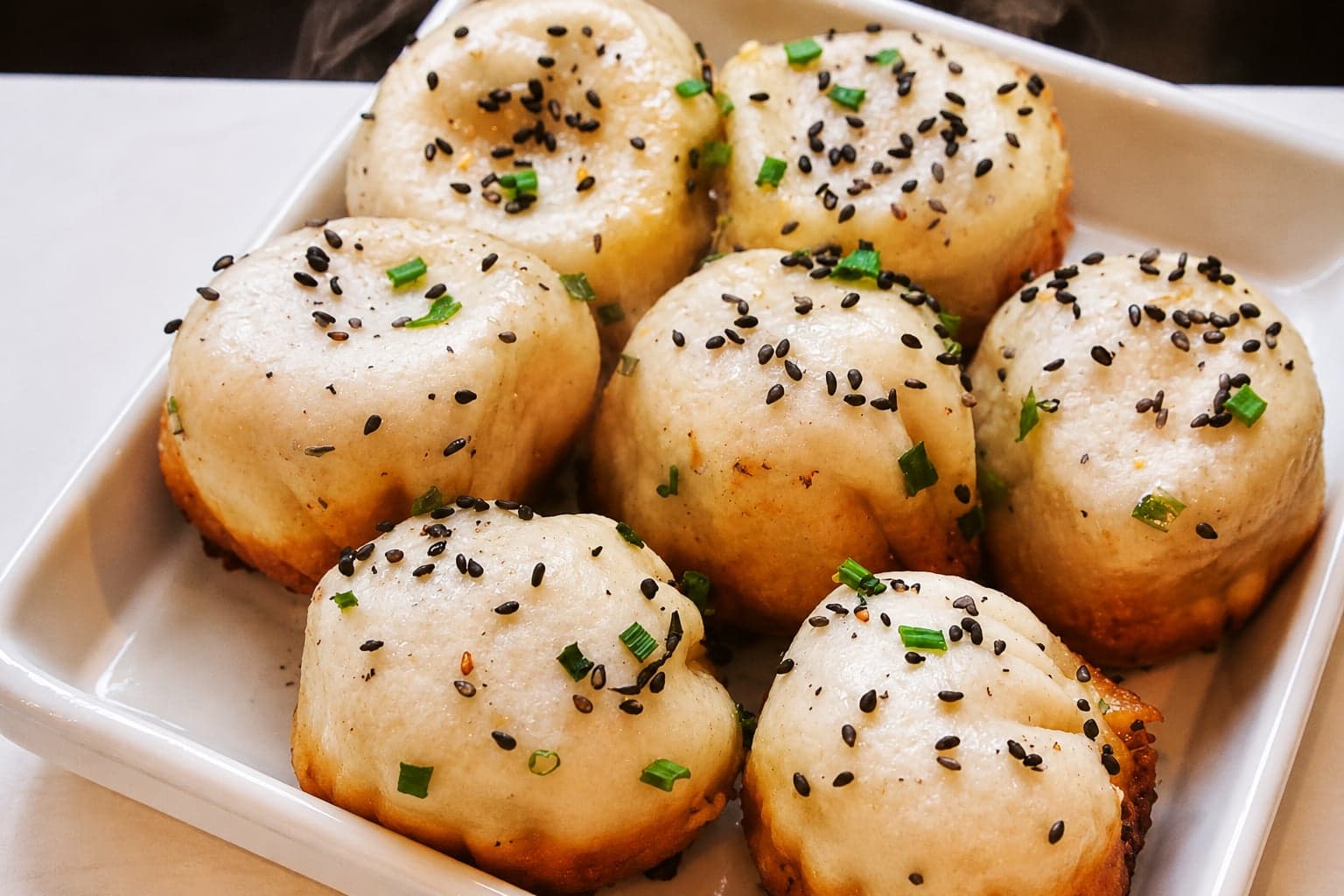
Yeast-leavened buns sit flat-bottomed in a heavy iron pan, dough side down, oil rising halfway up the side. Steam softens the tops while the bases brown to crisp dark gold. They come out four to a bowl, sesame and scallion dusted across the tops. The first bite is loud: the base crunches, then the dough gives, then the broth runs hot down the side.
We time the visit for late morning, before the counter fills, so each bowl comes straight off the pan rather than from a tray. The order goes in as the classic Shanghai style first, four buns at a time, eaten hot while the dough is steam-soft and the base still crisp. A second small bowl follows if the first lands well. Tea is ordered with them, not coffee, since hot tea cuts the oil at the speed the dish needs.
Shows and experiences

Shanghai Tower observation deck(the modern bookend)
The Shanghai Tower's observation deck shows the city from above, all at once.
China's tallest building rises 632 metres above Pudong, and the 118th-floor deck wraps 360 degrees around the bend of the Huangpu. The Bund reads as a line of stamps along the western bank, the other Pudong skyscrapers sit below your feet, and the river curves out toward the East China Sea.
We pre-arrange a timed-entry slot during the hour the light turns and hold the express lift for your companions so the queue doesn't break the timing. The deck specialist names which Pudong tower belongs to which decade of Shanghai's expansion, so the city below reads as one story you can follow with your eyes.

The Pujiang ferry crossing(the Bund-Pudong line residents use)
The Pujiang ferry is the most Shanghai way to cross the Huangpu.
The trip takes five minutes from the Bund to Pudong, and the fare runs about the price of a coffee. The deck sits at water level, low enough to hear the wake against the hull and the horns of cargo ships passing. The Bund's 1920s fronts on one bank, the post-1990 glass towers on the other, both at the same eye-line.
We pre-load the ferry fare onto your transit card so boarding is a single swipe, and time the dusk crossing to land on the Pudong side as the Bund's lights come up behind you. The pre-ferry stop is chosen so the camera works in both directions, the Pudong skyline lit ahead and the Bund lit behind, with the river moving between them.

An immersive holographic dinner(projection-mapped fine dining, one shared table)
The table becomes the screen, and the meal becomes the story.
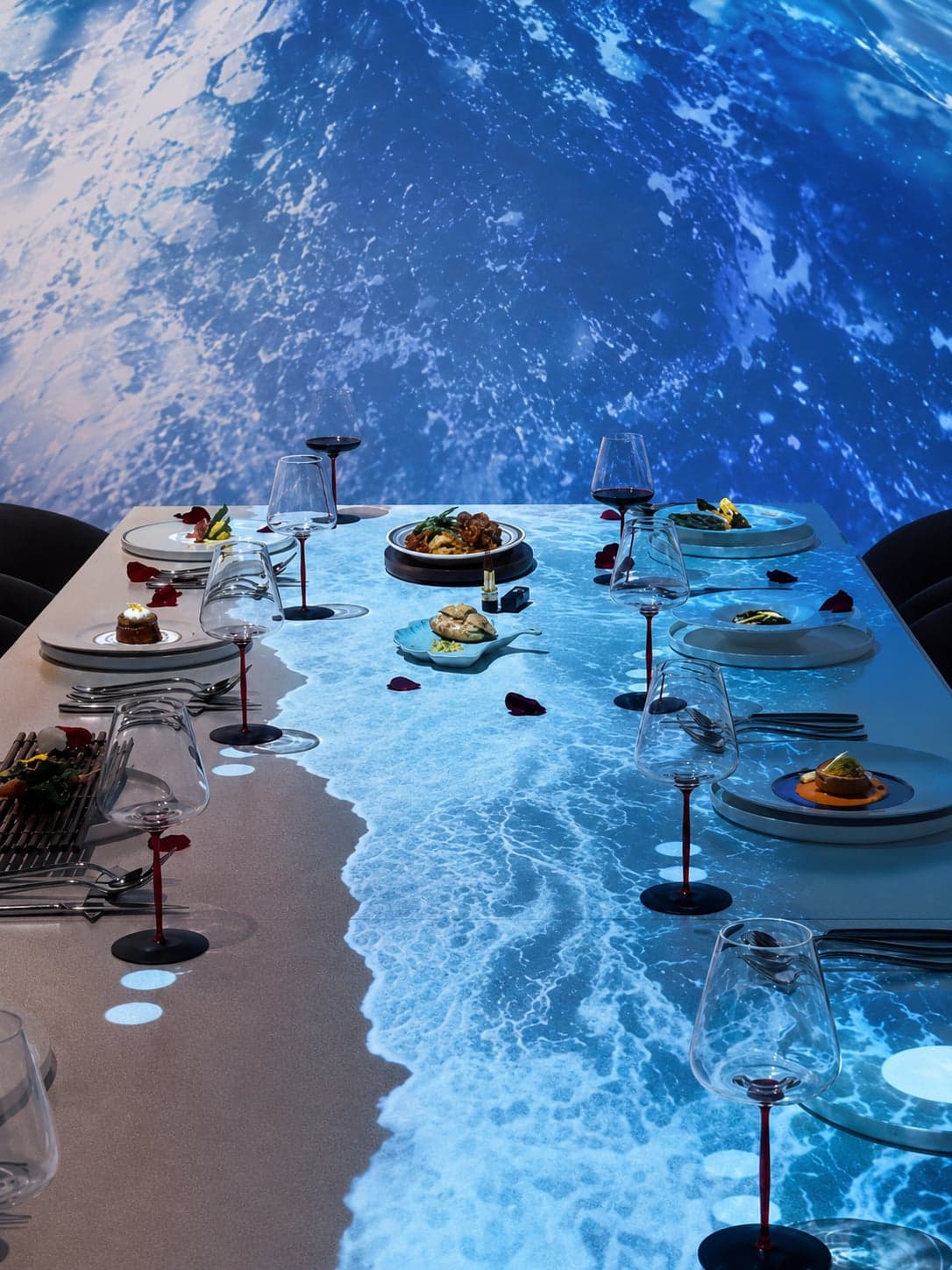
Shanghai's holographic dining rooms layer projection across a long shared table, then pace a tasting menu to the visuals on it. A seafood course may arrive as the sea rolls onto the table itself, the plate sitting on what reads as a wet shoreline. A meat course may sit inside a moving Tang palace garden. The show runs about ninety minutes, with the room holding one shared sitting.
We book your sitting and choose the seats where the projection lands at full saturation, not at the table's edges. The running menu and the projection theme are shared with you in writing before the night. Any dietary need is pre-cleared with the kitchen so the courses still hit the visual beats they are timed for. The evening keeps to the show's own pace, so the last projection fades into a quiet ride back, not a queue at the next door.
What three days
might look like.
- Day 01
Classical gardens, plane-tree afternoons, the river at dusk.
Begin the day at Yu Garden in the opening window, when the rockeries, zigzag bridges, and koi ponds still belong to the early walkers. Spend the late morning in Nanshi's old town, then settle in at a city xiaolongbao counter for a basket lunch before the line triples by midday. The afternoon unfolds along Wukang and Yongkang Roads with a Concession-history specialist, the plane trees at their longest shadow. As evening approaches, return to the Bund as both banks light up at once, finishing with dinner on the Pudong side.
- Yu Garden (opening window)
- Mid-Lake Pavilion teahouse
- Nanshi old town
- Xiaolongbao counter lunch
- Wukang and Yongkang Roads
- The Bund at dusk
- Day 02
Ming gardens, canal-side lunch, kunqu by evening.
Shanghai Hongqiao to Suzhou is twenty-five minutes on the fastest high-speed service, leaving you at the gates of a Ming-dynasty garden before most day-tour buses arrive. Spend the first hour wandering the Humble Administrator's Garden, or the Lingering Garden if you prefer something quieter. Enjoy a leisurely canal-side lunch on Pingjiang Road's old lanes, then settle into a private courtyard for a late-afternoon fragment of kunqu opera. As evening falls, the high-speed train returns you to the Concession in time for a relaxed dinner.
- Hongqiao to Suzhou by high-speed rail
- Humble Administrator's Garden (first hour)
- Lingering Garden (quieter alternative)
- Pingjiang Road canal lanes
- Kunqu opera fragment in a private courtyard
- Evening rail back to the Concession
- Day 03
Bronzes, shikumen courtyards, the city from above.
Begin the day at the Shanghai Museum East, where bronzes and Tang-dynasty ceramics introduce centuries of Chinese craftsmanship. Continue to Xintiandi for lunch in a restored shikumen courtyard, the brick lanes the Concession's residents once called home. Late afternoon, ascend to the Shanghai Tower's observation deck for the hour the light turns, the bend of the Huangpu beneath your feet and the Bund laid out across the water. As evening falls, enjoy dinner on either bank, with the option to return to the Concession for a quieter close.
- Shanghai Museum East
- Tang-dynasty ceramics gallery
- Xintiandi shikumen courtyard
- Shanghai Tower observation deck
- Huangpu bend from altitude
- Dinner on either bank
Best time
March to May · September to November
Days needed
3 full days; 4 with Hangzhou
Where it sits
Often the entry or exit point of the trip
Questions worth
answering early.
Three full days is the right minimum for a first Shanghai stop. One day goes to Yu Garden, the Concession, and dusk on the Bund. One day belongs to Suzhou by the twenty-five-minute high-speed rail. One day to the Shanghai Museum East, Xintiandi, and the Shanghai Tower at the hour the light turns. Add a fourth day for Hangzhou's West Lake, the Zhujiajiao water town, or a slower café-and-museum pace.
Hand us the dream,
We carry it through.
From your first enquiry to your last airport pickup, our specialists design your trip and stay in contact every step of the way. The guides, drivers and hotels you'll meet are part of our trusted network we've worked with for years, briefed to the same standards.
- Dedicated specialists, start to finish
- Guides briefed to our standards
- Fully transparent, no hidden costs
- No deposit until you confirm
Stretch the trip. Stitch in another.

Suzhou
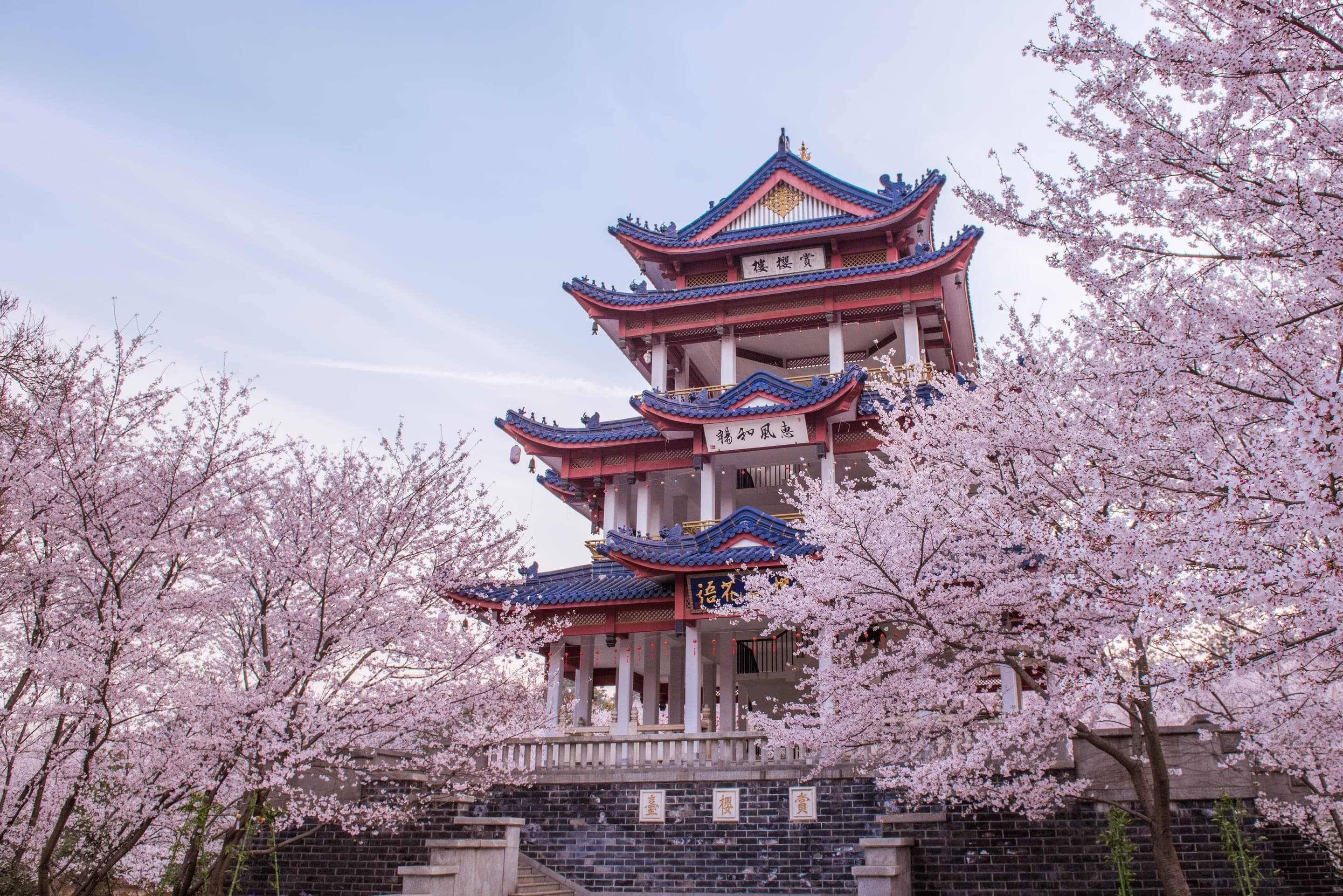
Twenty-five minutes by high-speed rail. Classical gardens and canal lanes, written as a day out, not a coach excursion.
Read this destination
Hangzhou
Forty-five minutes by high-speed rail. West Lake at dawn, a teahouse afternoon in the hills above it, easy to do well in two days.
Read this destination
Beijing
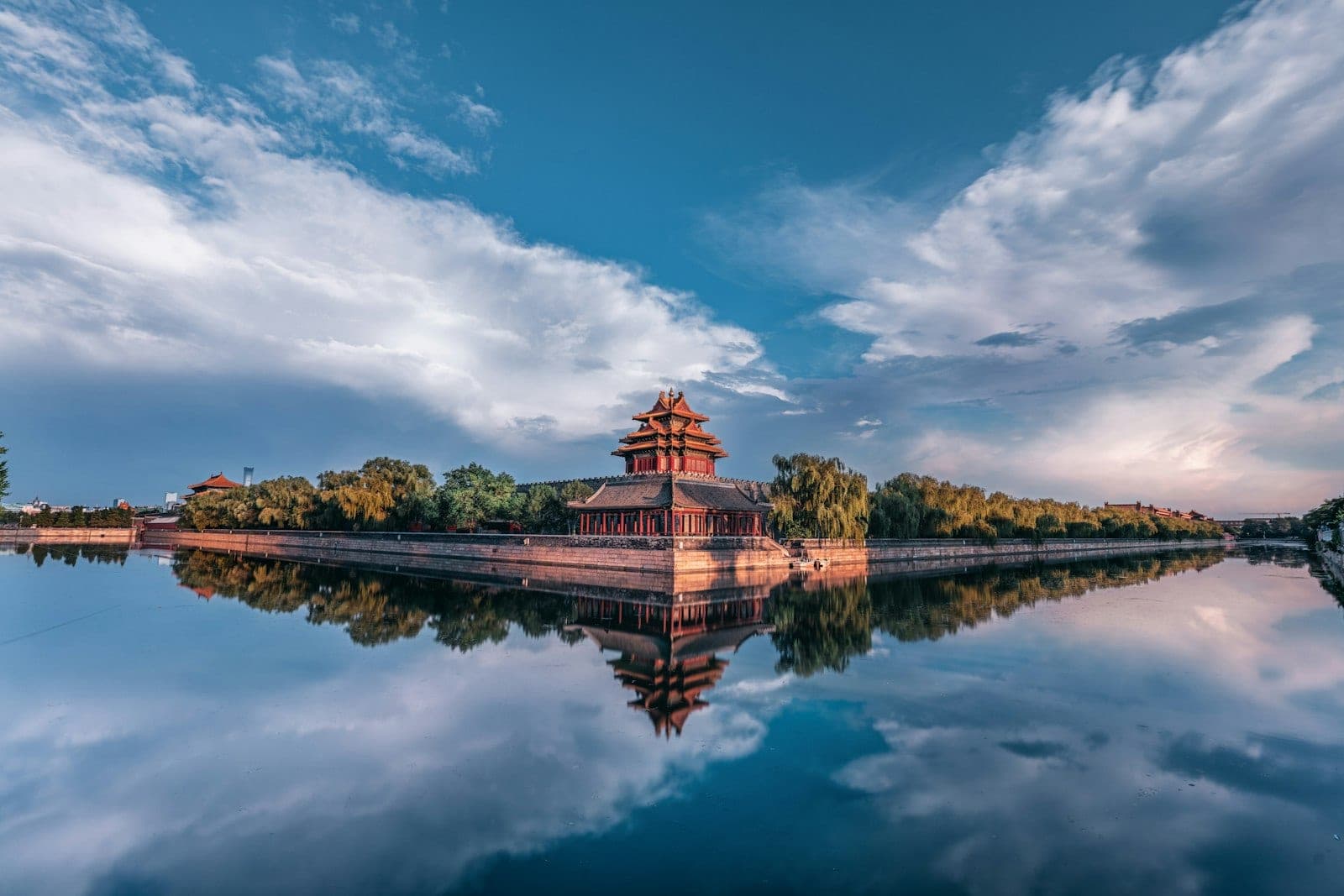
The classic pair. Shanghai for the modern face; Beijing for the imperial spine, four and a half hours apart by high-speed rail.
Read this destination
Xi'an
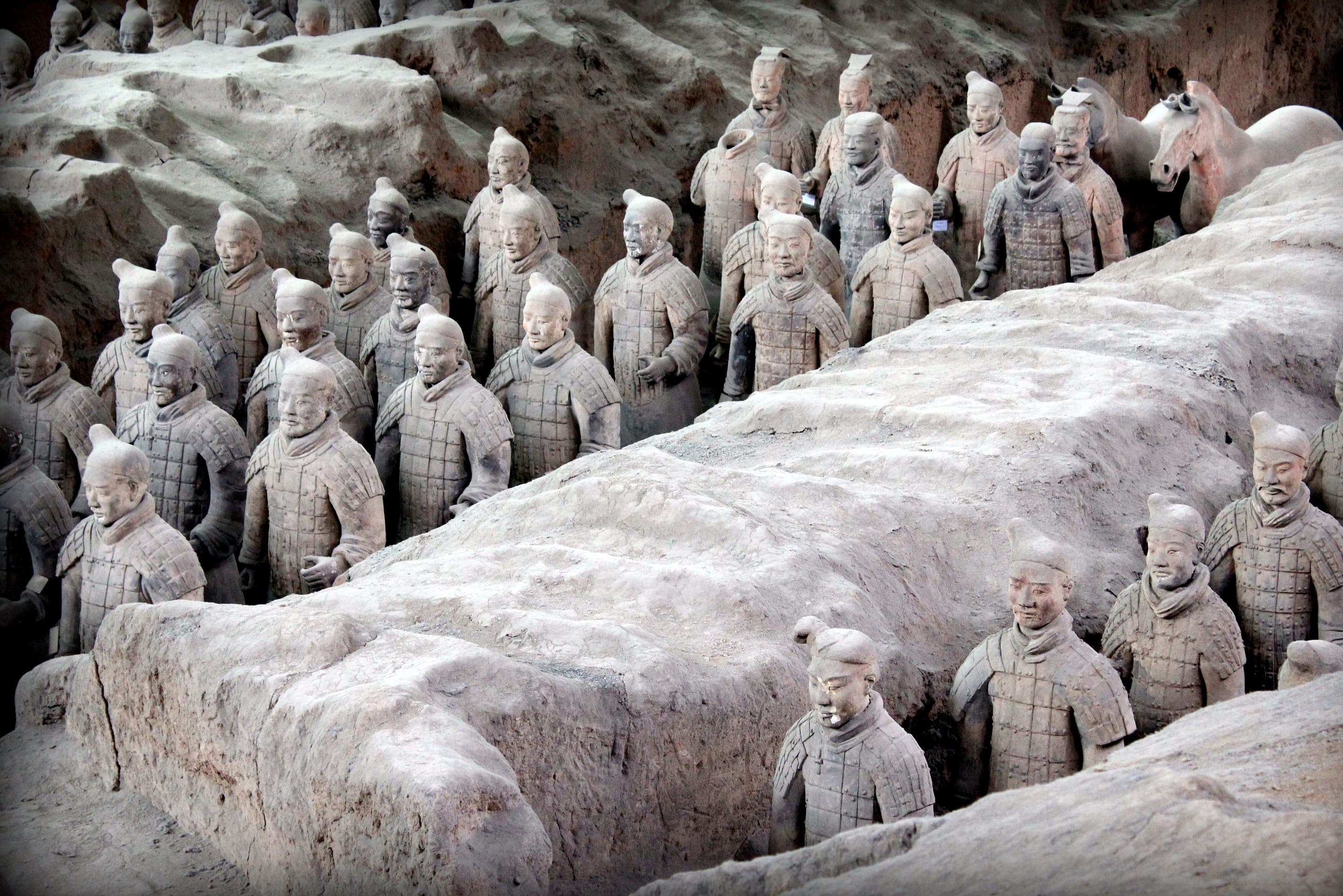
Shanghai for the modern face; Xi'an for the dynasties that came before, an easy onward flight when the route turns west.
Read this destination
Useful before
you enquire.

China tourist visa for US travellers
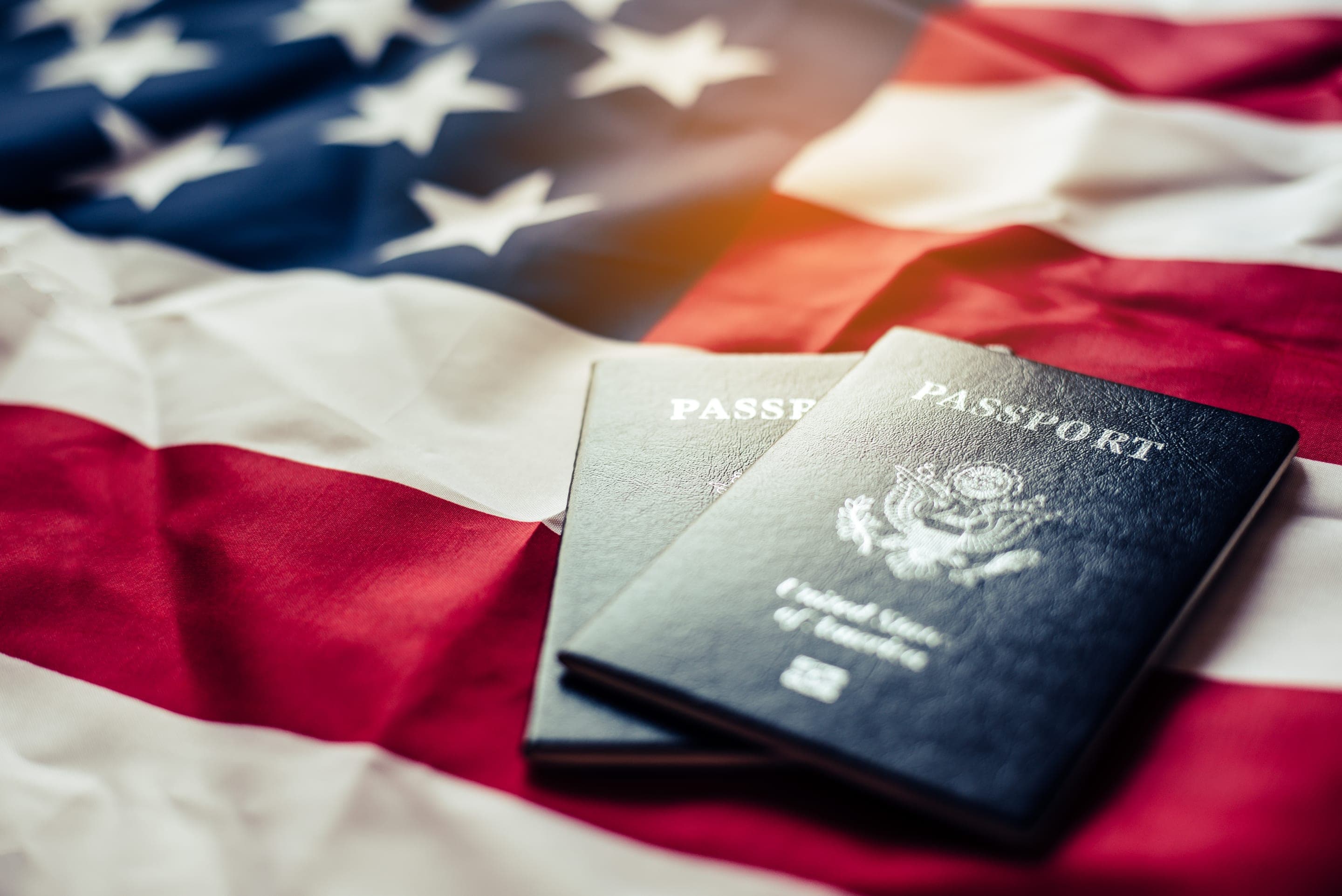
American passports still need a tourist visa for China under current rules. How the L-visa works, what we handle as part of your booking, and what is on you.
Read this guide
When to visit China, month by month
Late March through May is the cleanest window for Shanghai, late September through early November the autumn equivalent. The whole year, by climate and crowd.
Read this guide
How many days do you need in China
Shanghai sits at the end of the classic 10 to 14 day route. Where the days go, city by city, with the rail times that make it work.
Read this guide
How our pricing works
What sits inside the figure on your quote, and what sits outside it. The structure, written out before you confirm.
Read this guide
Payments and connectivity in China
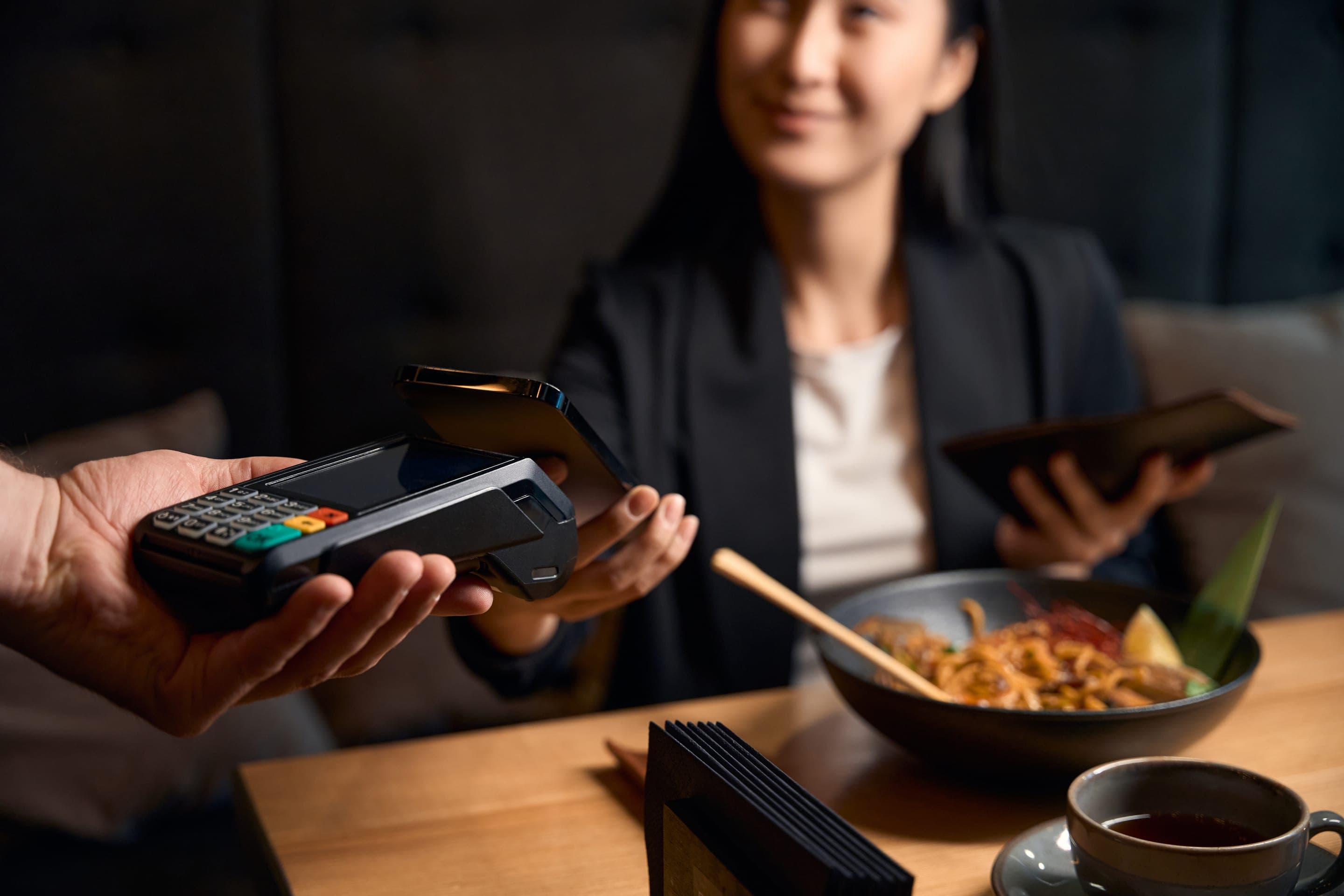
Alipay and WeChat Pay now take overseas Visa and Mastercard. The practical setup to do before you fly into Shanghai.
Read this guide
Private China trips from Australia
Written for travellers flying from Australia. Visa shape, currency rhythm, and the whole-trip price set for where you live. The UK, US, Canada and New Zealand have their own.
Read this guideThe Beijing, Xi'an, Shanghai spine, in ten days
Shanghai as the modern face on the imperial-and-modern arc. Ten days written as one trip, briefed by one specialist across cities.
Read this guide

Jack Guo
Senior Travel Specialist
Jack has spent ten years working with the guides, drivers and hoteliers across China. He'll be your contact from first enquiry to final airport pickup.
Tell us about your Shanghai trip
Five quick questions. We'll send you a Shanghai-anchored draft with the price within one business day. No deposit. No hard-sell.