
Chongqing
the mountain city, where the gorges begin
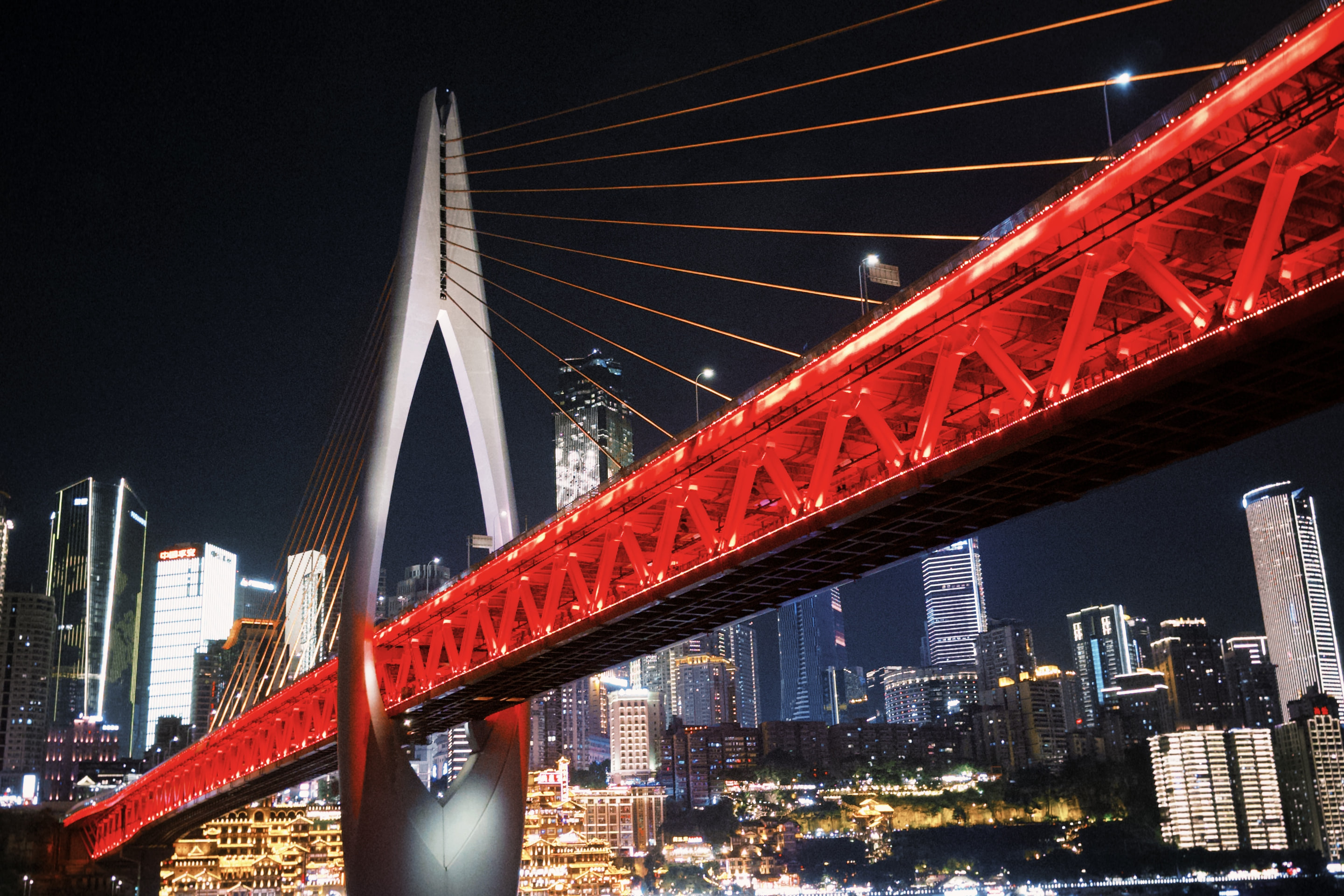
Chongqing is the mountain city where the Yangtze runs into the Three Gorges. Above the meeting of two rivers, the city rises in vertical layers, with light-rail trains passing through apartment blocks. After dark, eleven floors of lanterns light Hongya Cave over the Jialing.
Why people
come to Chongqing.
What to see

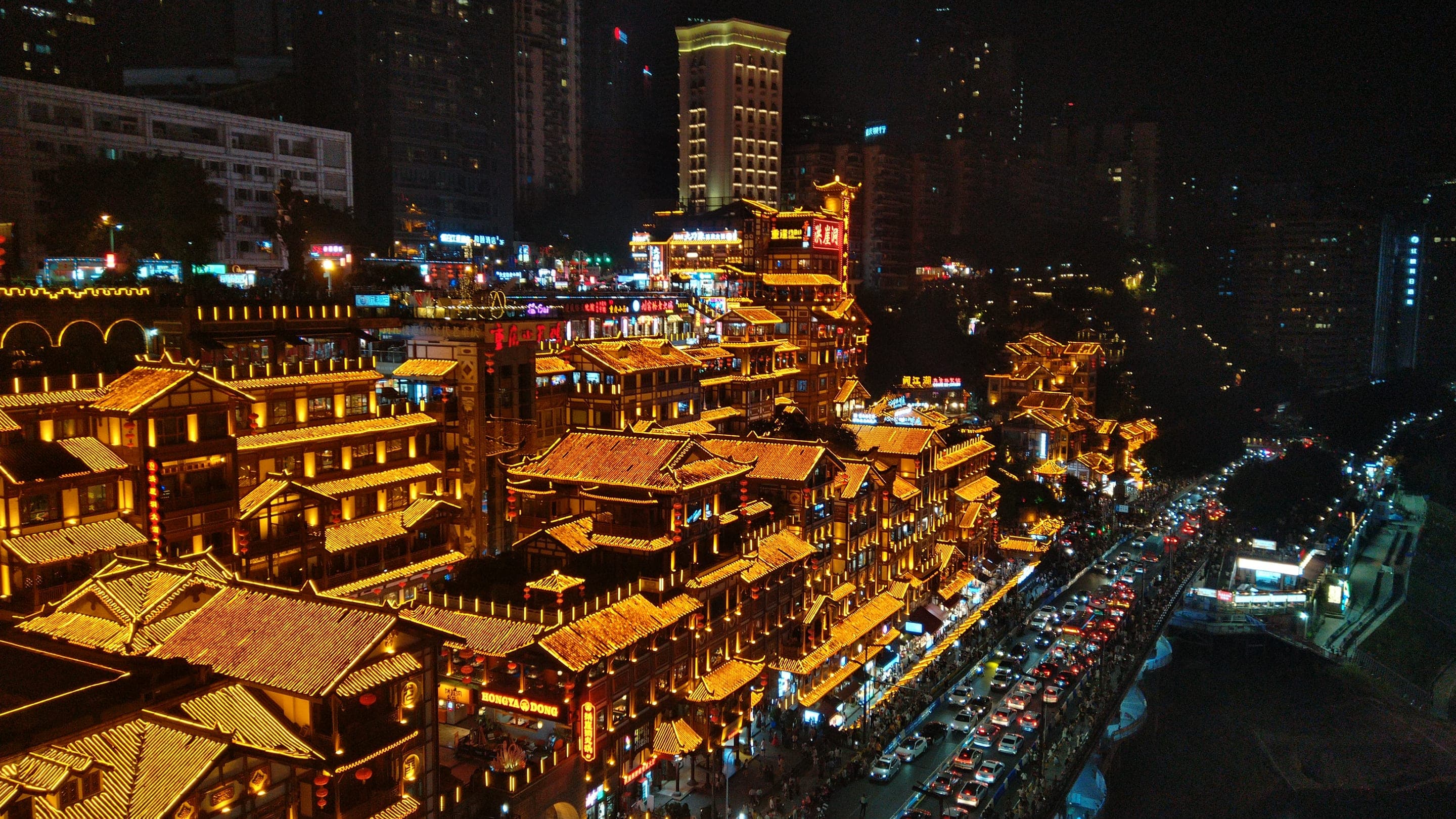
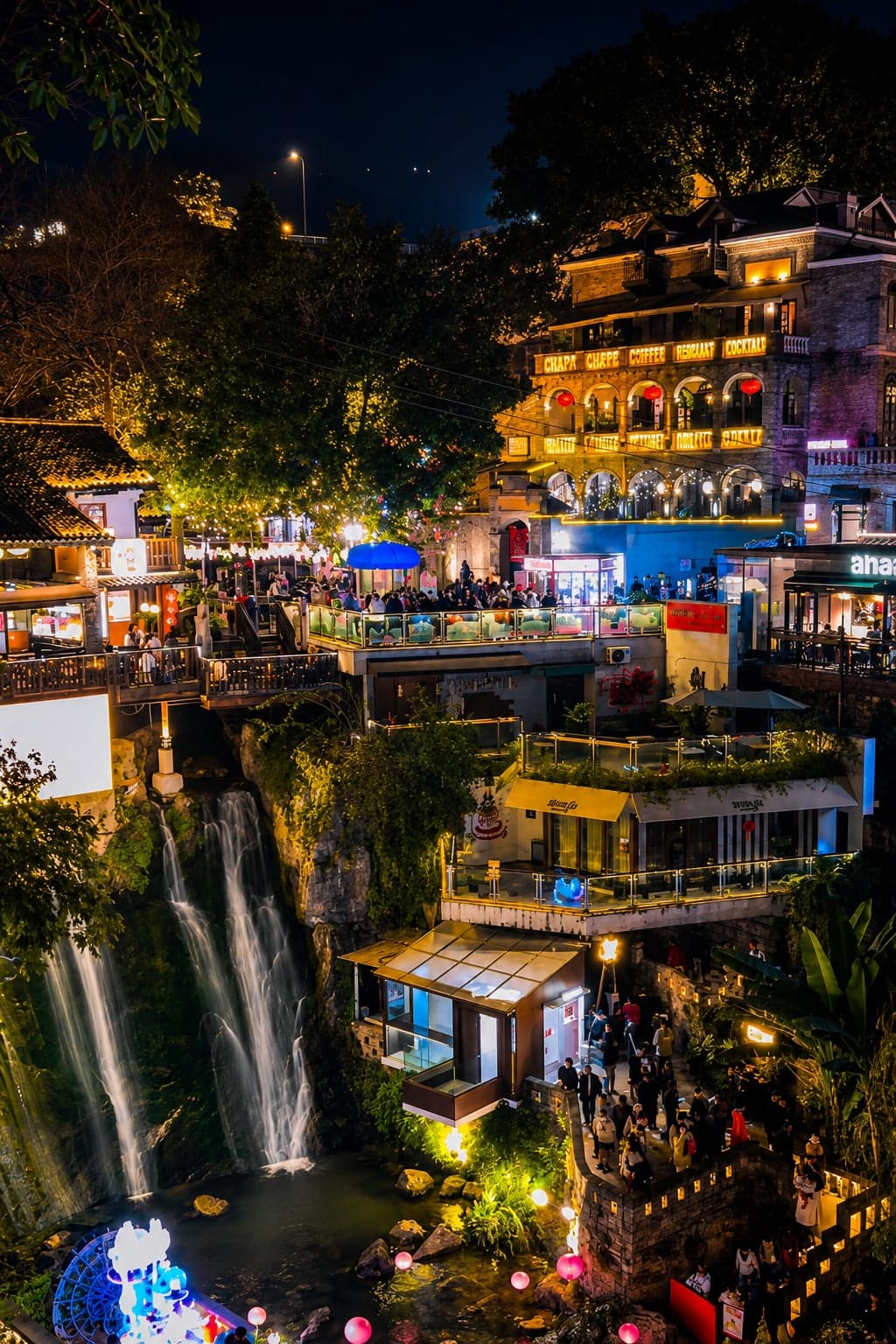
Hongya Cave at dusk(eleven floors of stilt-house lanterns over the Jialing)
Hongya Cave is the photograph Chongqing is best known for.
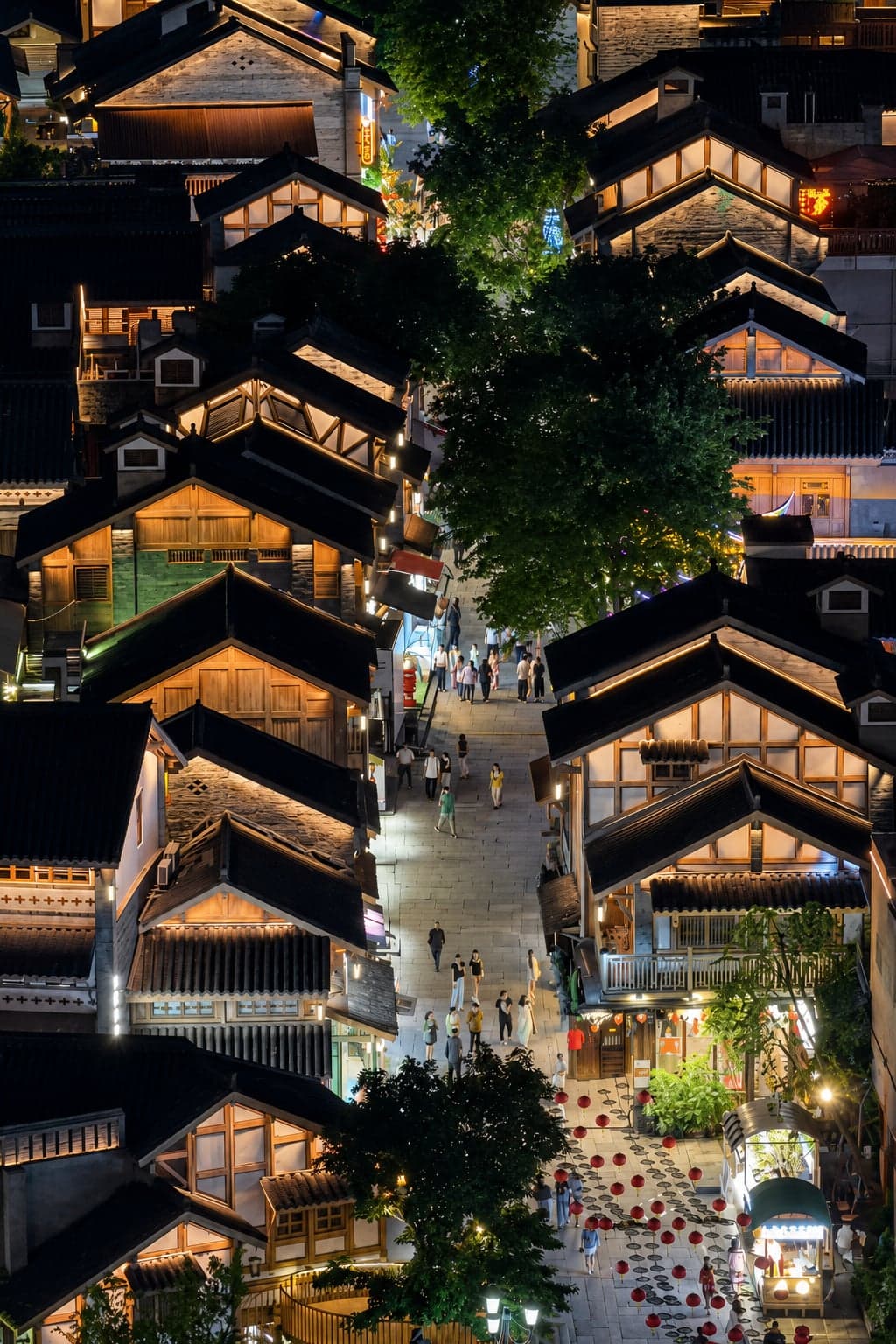
Eleven floors of stilted timber houses climb the cliff above the Jialing, lit at dusk like a vertical lantern. The 2006 rebuild traces the old Hongya Gate that guarded this river junction through the Ming and Qing. After six, the lanterns come on one floor at a time, and the cliff becomes the image that defines the city after dark.
Forty minutes before sunset, we walk you to the riverside terrace at Qiansimen Bridge, the exact angle every brochure photograph is shot from. Arriving early lets you watch the cliff change colour as the lanterns come on one floor at a time, rather than fight the crowd that pours in once the cave is fully lit. The return cable car is booked under your name.

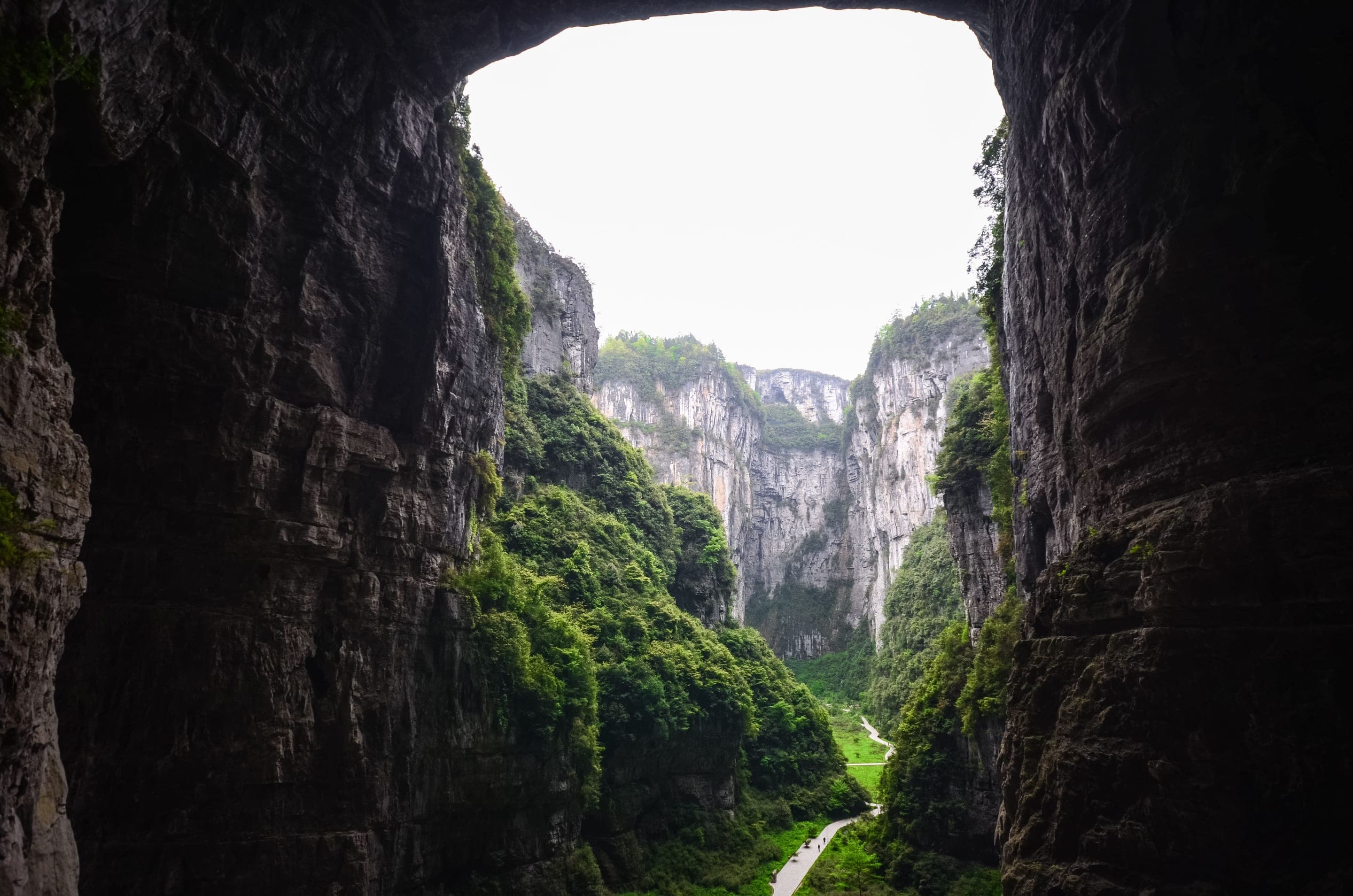
Wulong Karst: Three Natural Bridges(the three limestone arches, 170 km southeast)
You hear the underground river before you see the arches.
The first stretch of valley floor is shaded and cool, with mist on the limestone walls. Three arches then step down the valley: Tianlong rising about 235 metres, Qinglong at the centre at 281 metres (the tallest), and Heilong below carrying the widest span. About 170 kilometres southeast of the city.
Your private transfer leaves at first light so you walk the valley floor before the coach lanes arrive, while the air is cool and the limestone wet from the morning. Lunch is booked at a Tujia minority house in the upper valley, the dishes the family cooks for itself, not the visitor-centre canteen.

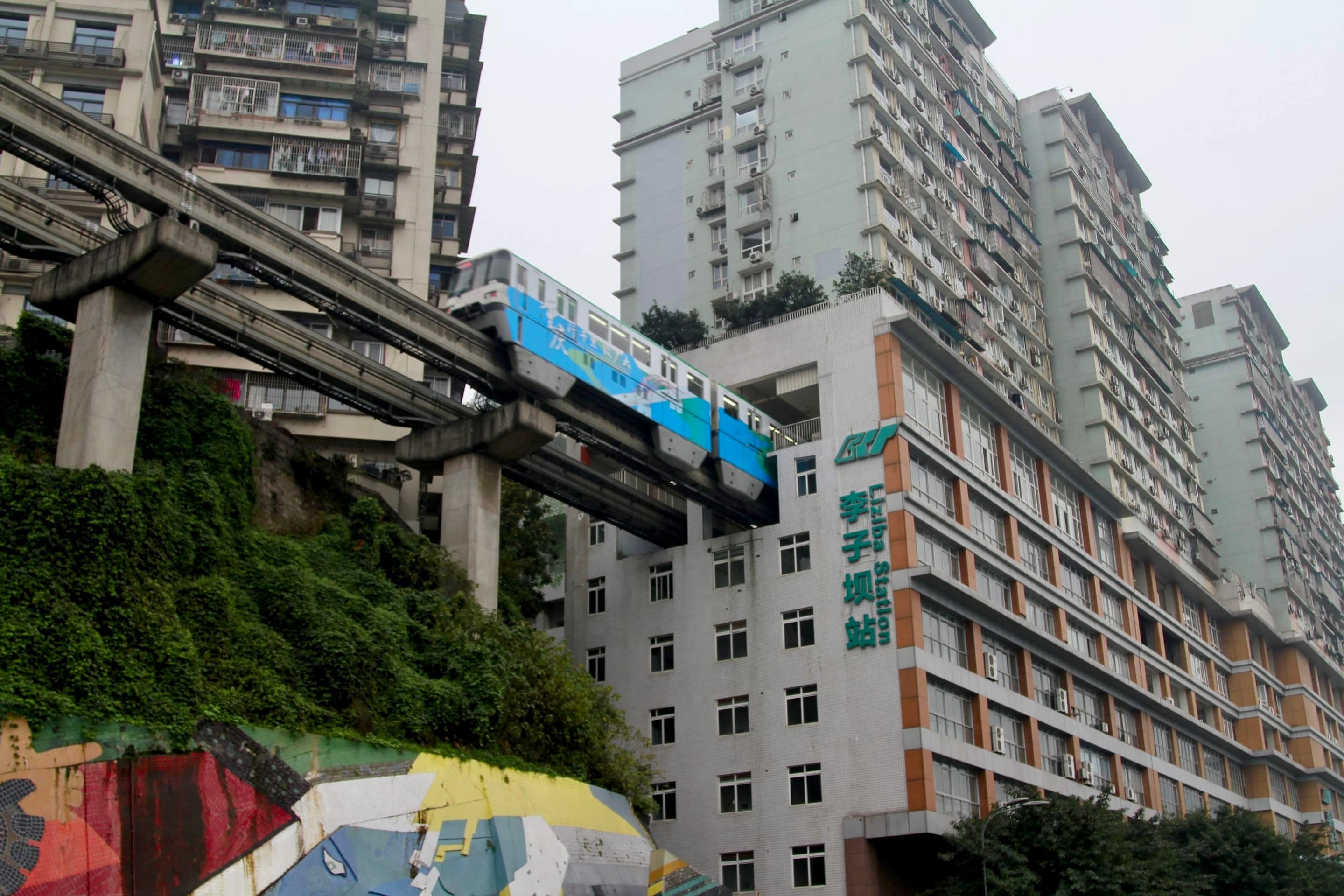
Liziba light rail(Line 2 through the residential block)
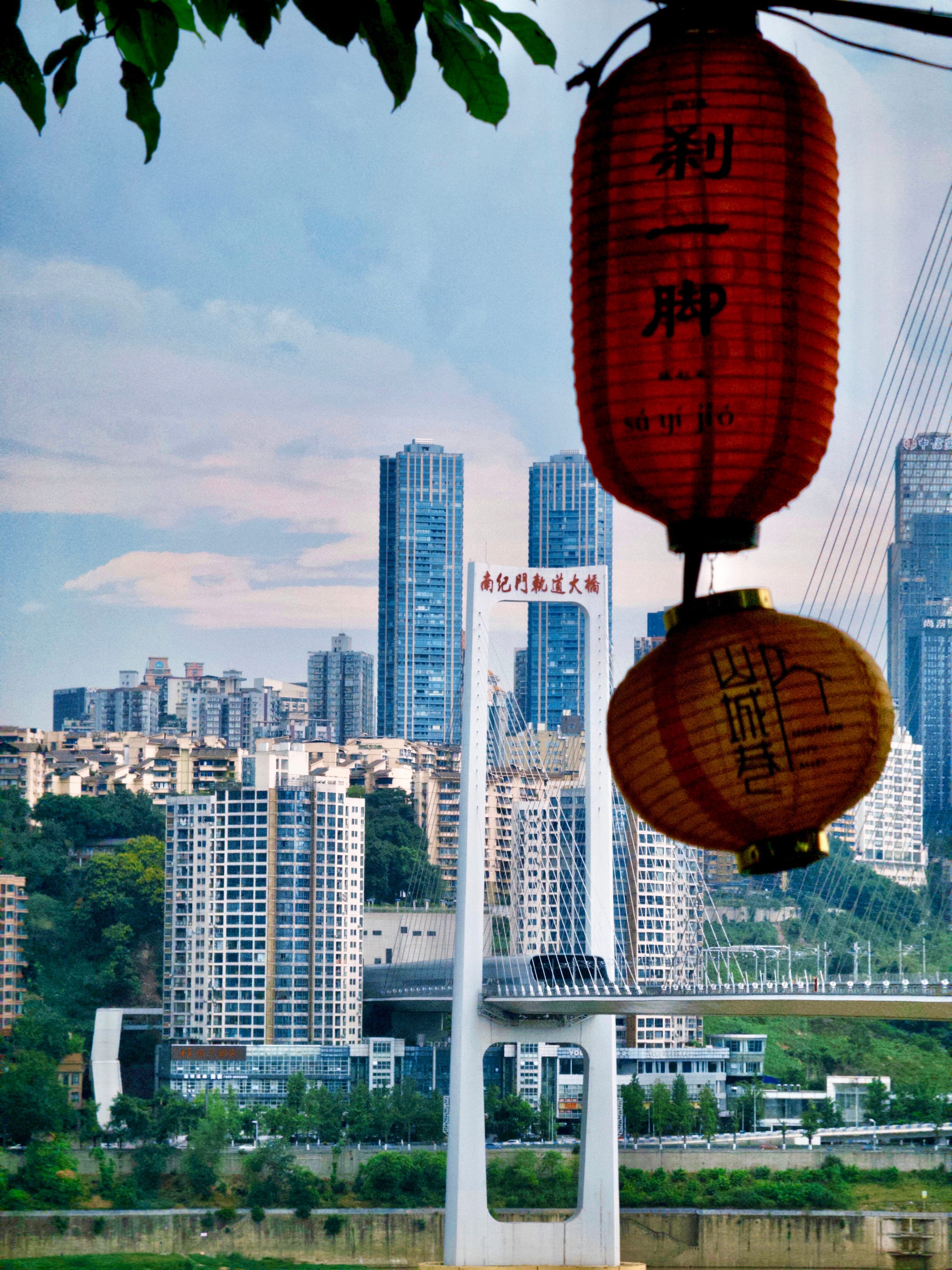
Liziba is the station the world's travel feeds have made famous: floors six through eight of an eighteen-storey apartment block, with a passenger train passing through the middle.
Line 2 opened in 2005, and the block was built around the line, not the other way around. From inside the carriage, the moment the windows go dark and the building closes around the train is what the platform across the road can only photograph.
We have you board at Jiaochangkou and ride two stops to step off inside the middle-floor platform, then continue eastbound to Jiefangbei. Tickets are handled at boarding, so the morning skips the camera queue across the road and the crush at the machines. What you remember is the carriage going dark inside the building, not the wait to photograph someone else's train.

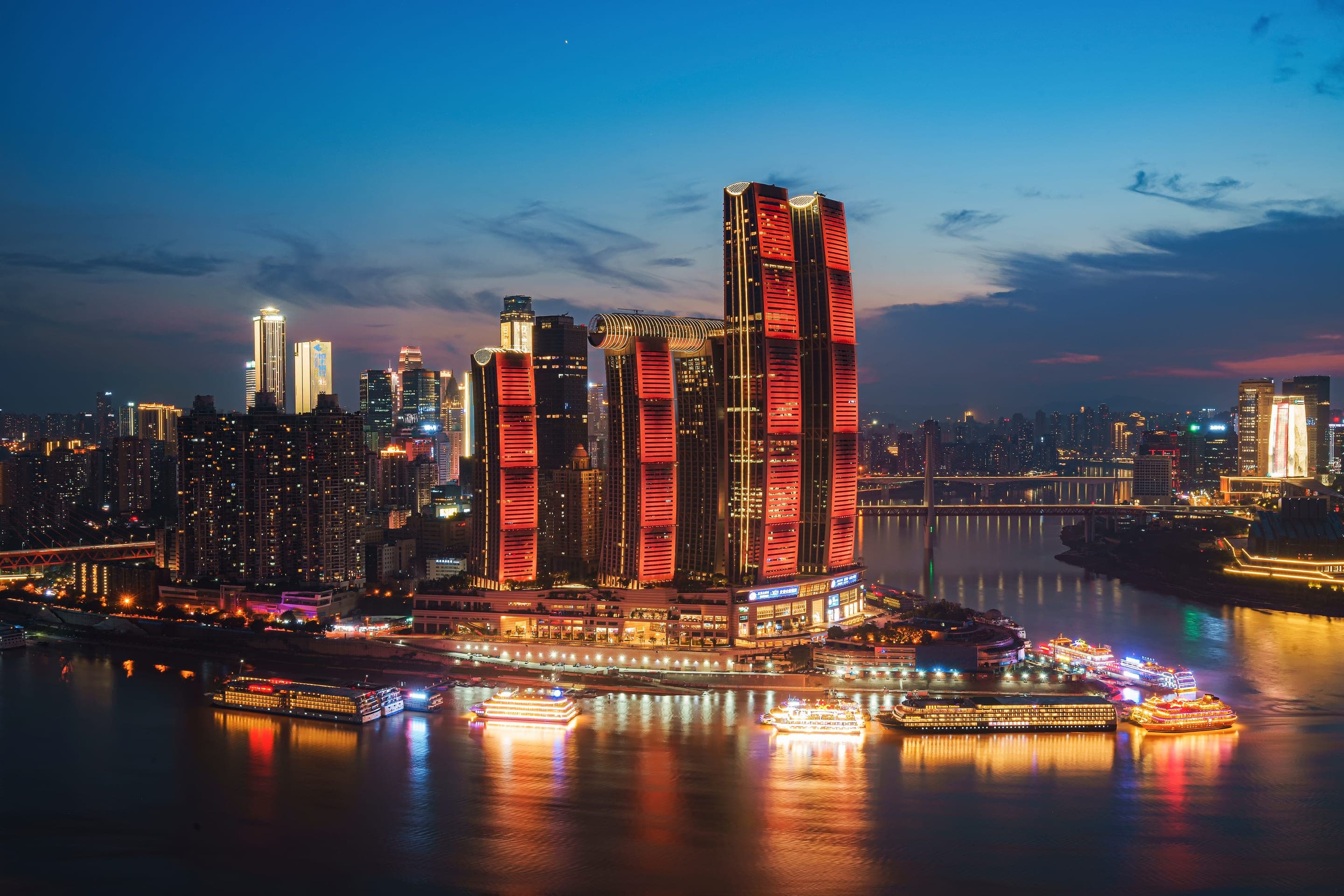
Raffles Chongqing(the Crystal sky bridge over the river junction)
Look up from Chaotianmen and the sky has a horizontal line through it.
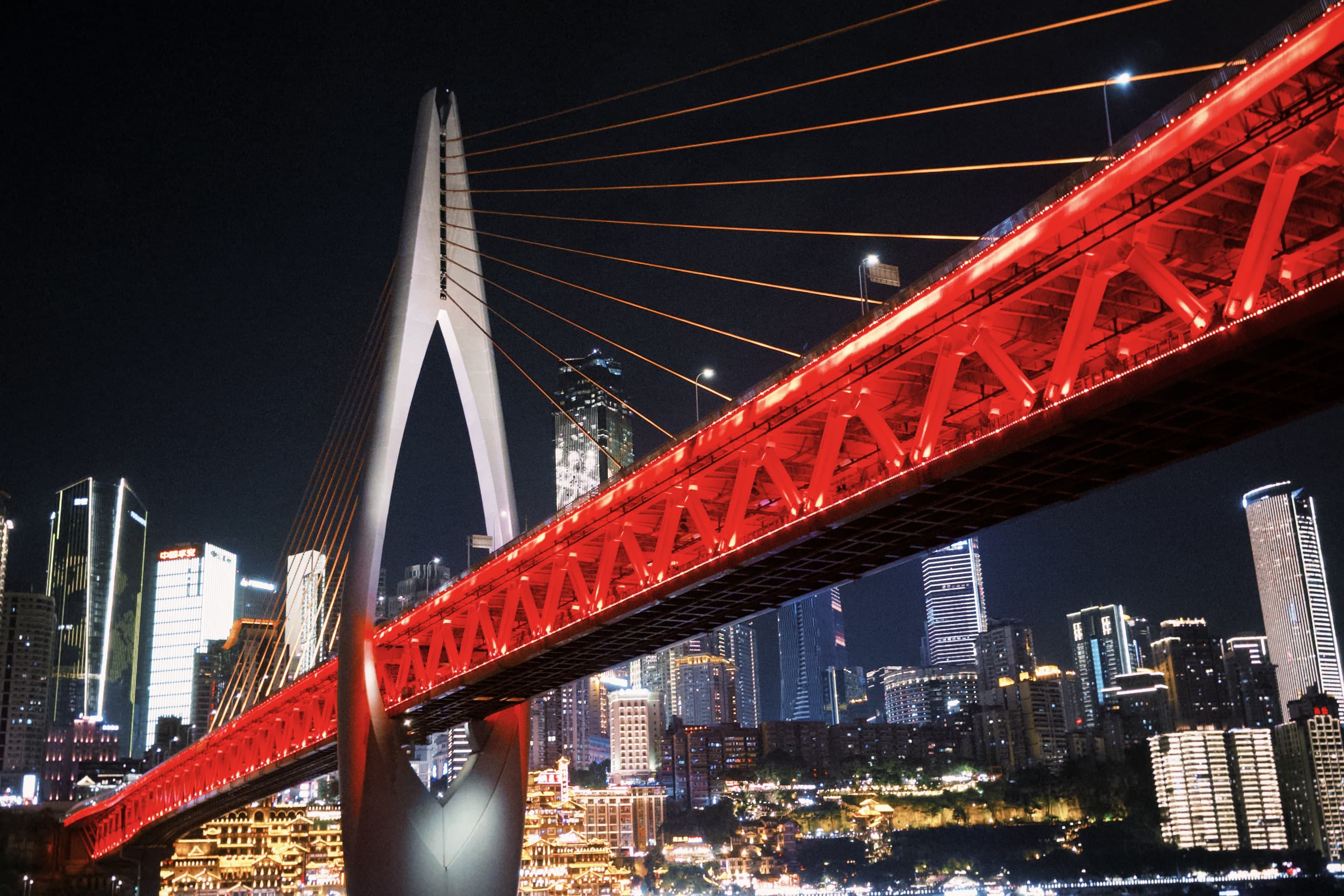
Raffles Chongqing is the eight-tower complex at the tip of the upper city, where the Yangtze and Jialing meet. A 300-metre sky bridge called the Crystal threads between four towers, 250 metres above the ground. Designed by Moshe Safdie of Marina Bay Sands.
We hold the Crystal's late-afternoon slot, when the light has softened against the towers and the Yangtze runs gold below. The route puts the river-junction lookout first, the same view the porters knew, then crosses inside the Crystal for the city from the air.

Liberation Monument(Jiefangbei, the upper city's reference point)
You feel the upper city before you see the monument.
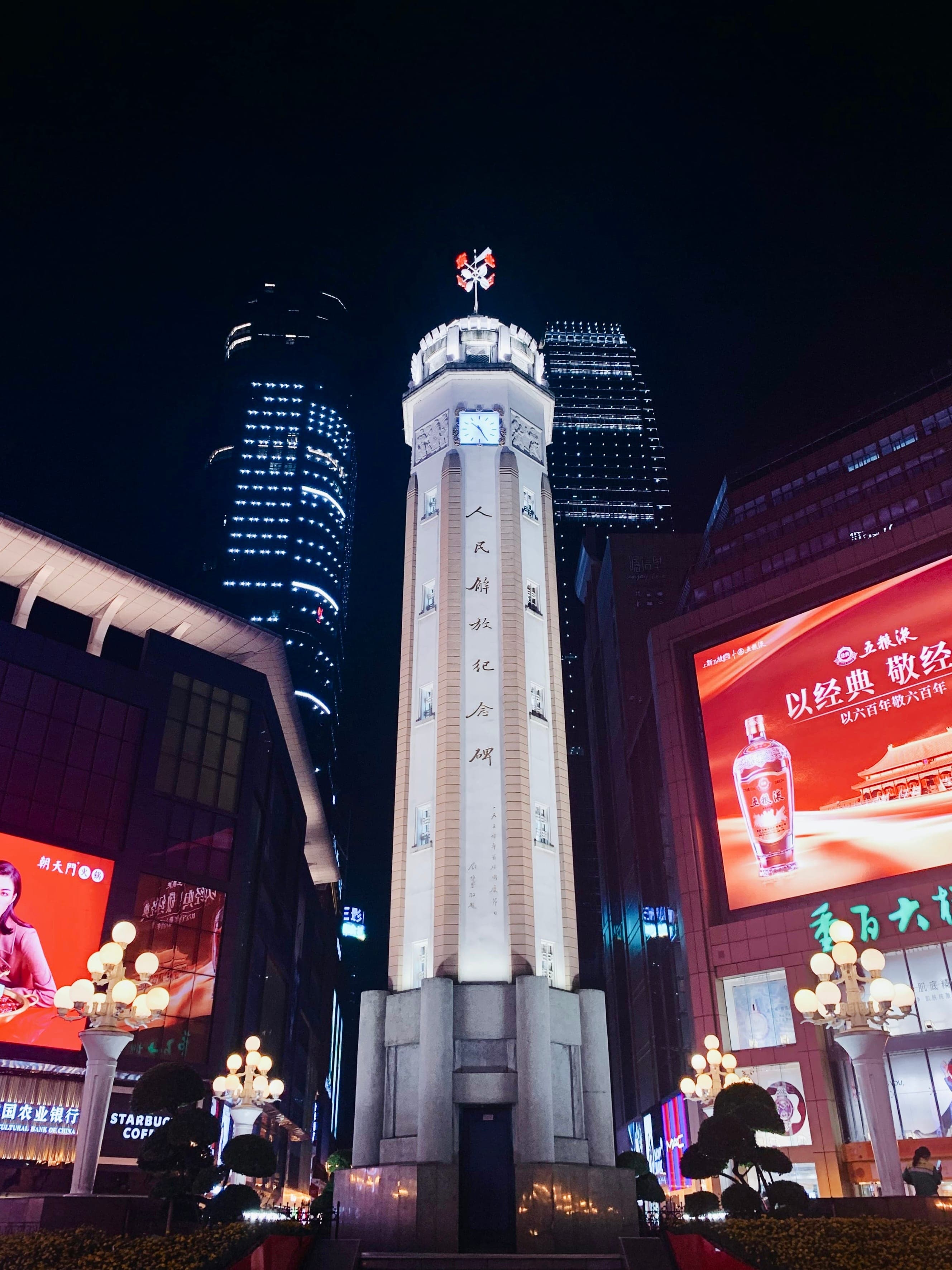
The streets pull inward, the towers close up, and the plaza opens around a 27.5-metre clock tower lit gold against the dusk. The Liberation Monument has stood here since 1947, raised to mark the end of the war and Chongqing's years as the wartime capital.
We time the plaza for late afternoon, when the office crowds have thinned and the clock-tower light has settled soft against the towers. Your guide names the wartime years quietly at the base. The route then slips into the side lanes for the upper-plateau xiaomian counter.

Mountain City Footpath(Shancheng Bu Dao, the cliff-side lane network)
Start at the top and the city falls away in pieces.
The Mountain City Footpath drops from the upper plateau toward the Yangtze in stone steps and switchbacks, courtyard walls on one side and the skyline opening through the gaps on the other. The Yuzhong stretch is the porter route kept rather than rebuilt.
We enter from the upper end at Renmin Park in the early afternoon, when shade has fallen on the steps. The descent is paced for the courtyards worth a stop and the river platform. A teahouse landing midway lets the legs settle for a quiet hour.

Shibati(the Eighteen Steps quarter)
Shibati is the Qing-dynasty stair-street that once linked the upper bank to the Yangtze docks.
Eighteen flights of stone steps drop down the hillside, the porter route between the trading houses above and the wharf below. Demolished in 2010 and rebuilt by 2021, the lane kept its stair geometry while the lower courtyards were restored in Bayu-style stilted timber.
A Chongqing-born guide walks you down from the upper plateau to the river-side gate in the afternoon, reading the lane through the porter trade that built it. Descending rather than climbing keeps the pace gentle. A tea-house stop in the third courtyard lets the lane settle.

Halo Shopping Park(Guanghuan, and the Forest of Light biosphere)
Walk through the doors and the air changes.
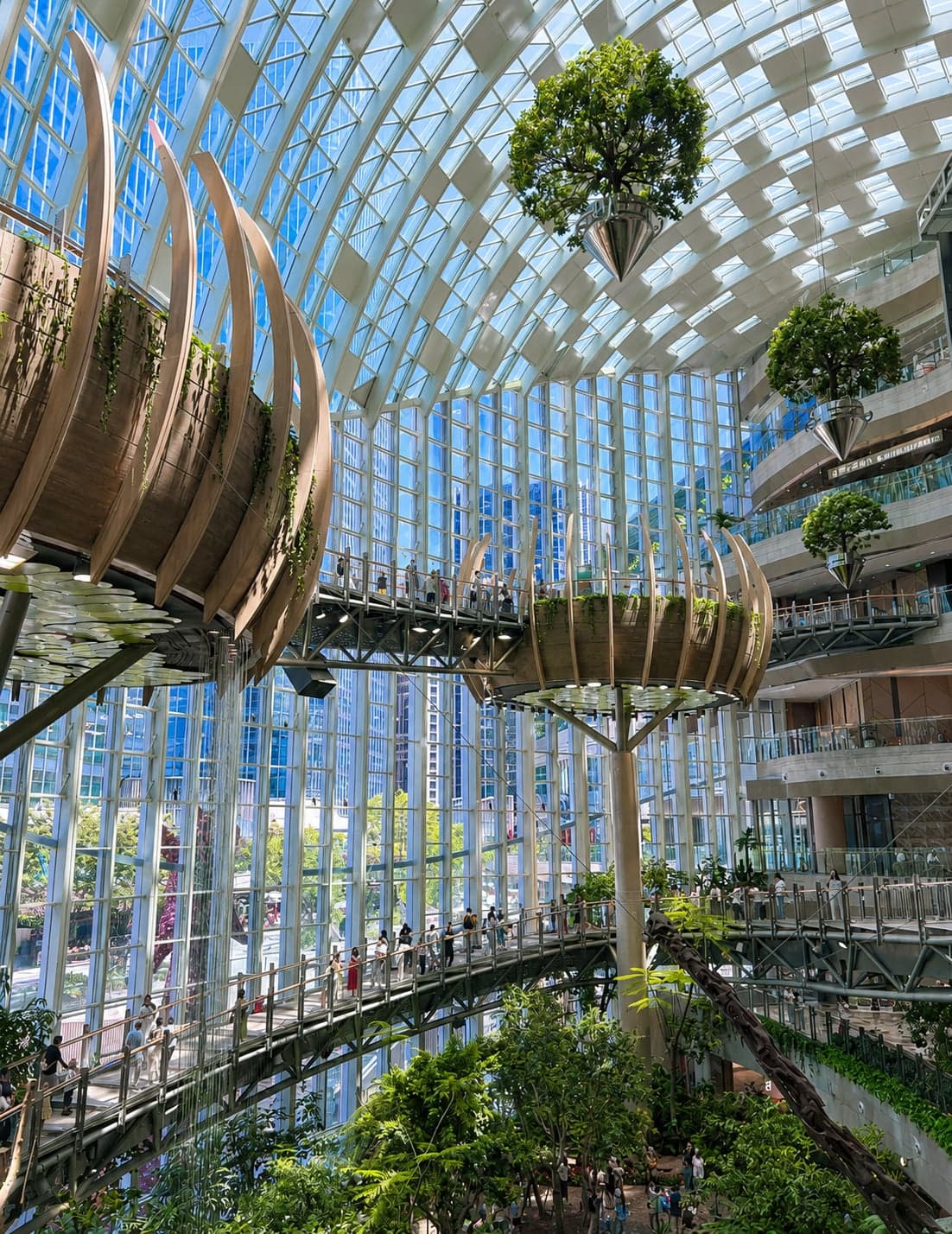
At the heart of the Halo Shopping Park, the Forest of Light hangs hundreds of tropical plants from a 42-metre atrium, with a seven-storey waterfall threading down through the canopy. Designed by Aedas and opened in 2021, the building turns the standard mall inside out.
We schedule the stop on the way to or from Shapingba, kept to the biosphere itself rather than spread through the retail floors. Mid-morning or late afternoon catches the atrium light at its softest. The upper walkways give the cleanest view down through the canopy to the lower pool.

Xiahaoli(the south bank's restored merchant lane)
Cross the river and the noise drops by half.
Xiahaoli is the south bank's quiet answer to the Hongya cliff opposite: stone-paved lanes and Bayu-style stilt-house timber, the Yangtze on one side and the upper-city skyline across the water on the other. Once a republican-era merchant quarter, the lane reopened in 2022.
We cross in the mid-afternoon, when the south-bank light has softened on the stone steps and the terraces are open but still half-empty. The route slips through two courtyards we know well, then climbs to the upper terrace just as the cliff opposite catches the last of the day.
What to eat

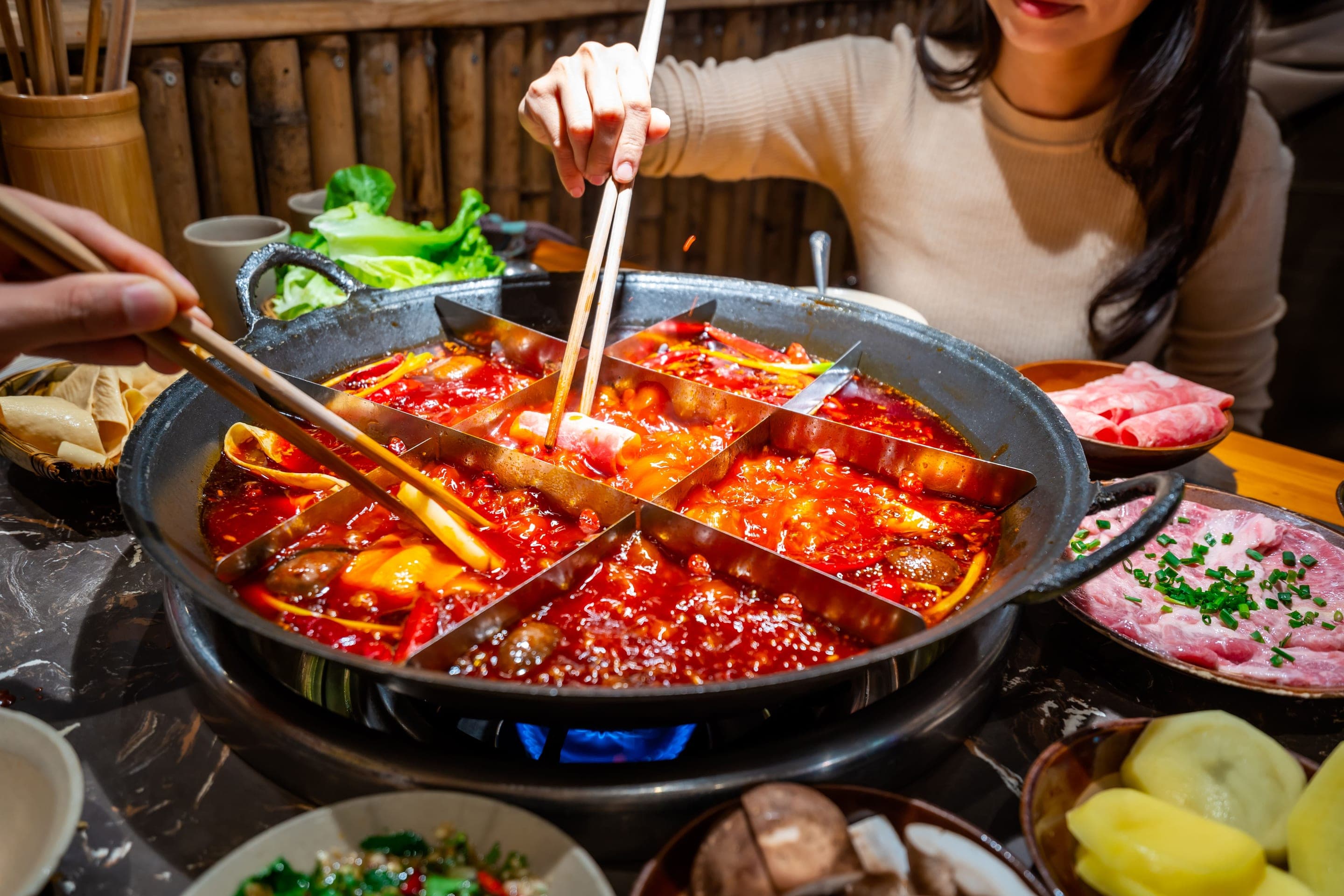
Chongqing hot pot(the bencheng version, beef-tallow broth)
The pot arrives red and bubbling, glossy with beef tallow, dried chillies floating across the top, the smell of Sichuan peppercorn lifting on the steam.
One sip and the heat sits on your lips, savoury and rich, before the peppercorn tingle rises behind it. The original was a dock-worker meal cooked at riverside pots at Chaotianmen in the 1920s. The bencheng houses still cook it that way, in courtyard kitchens off the main streets.
Your table is booked at the bencheng house we have worked with for years, a back-street courtyard kitchen, not the chain on the tourist strip. Your guide orders the cuts most visitors miss (tripe, aorta, goose intestine) and walks you through the dip of sesame oil, garlic, scallion, and oyster sauce before the first pieces hit the broth. The dinner reads as a working Chongqing meal.

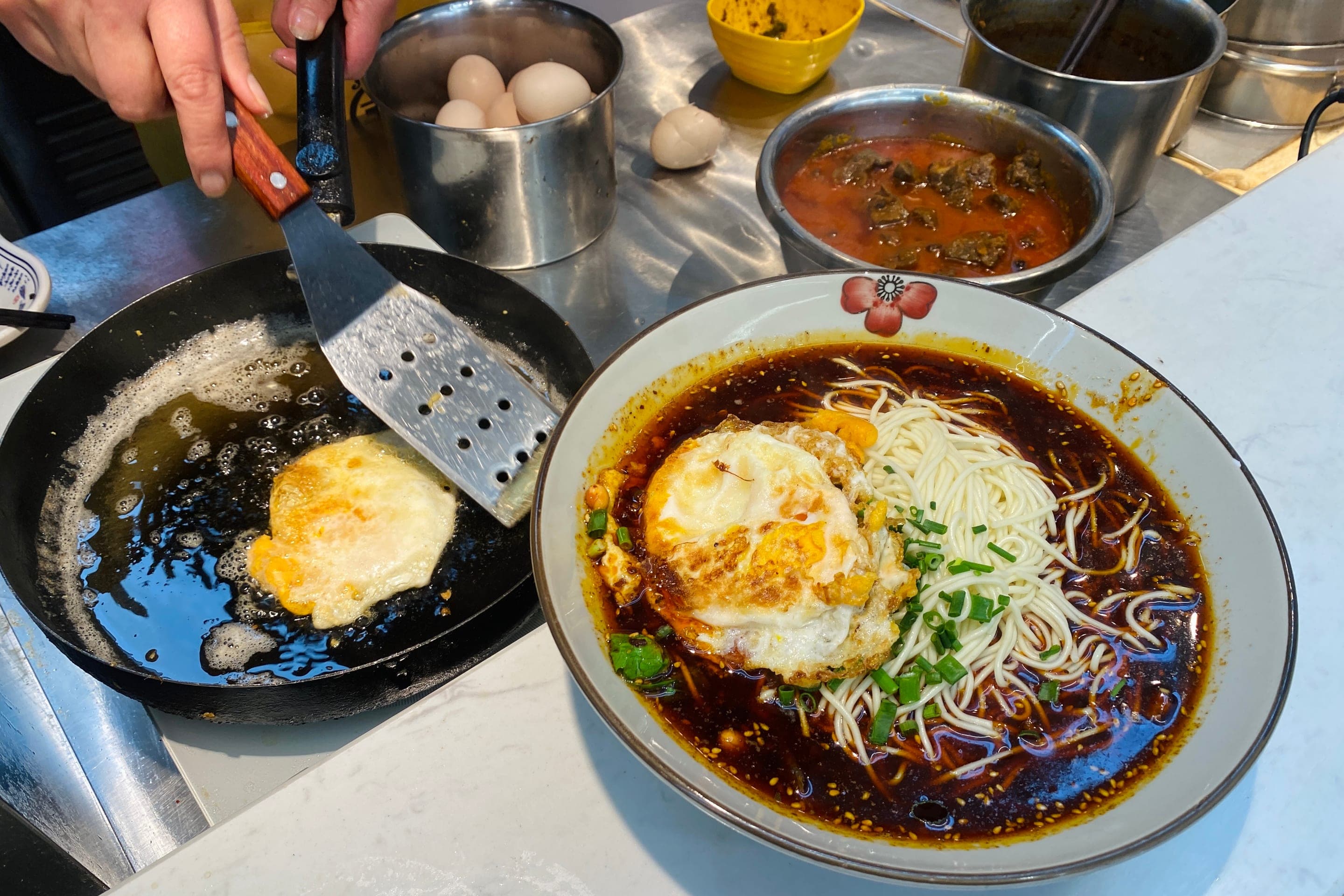
Chongqing xiaomian(the city's morning noodle)
Xiaomian is Chongqing's everyday morning bowl, eaten at street-side counters across the city.
Wheat alkaline noodles are dressed with chilli oil, Sichuan peppercorn, crushed peanuts, scallion, soy, vinegar, mustard greens, and a ladle of pork-bone stock. A single bowl can carry ten to fifteen seasonings, and the seasoning hierarchy is what regulars judge one stall against another by.
We bring you to the xiaomian counter our food specialist eats at on the upper Jiefangbei plateau, briefed to your spice tolerance the night before so the bowl arrives at the level you can enjoy. Your guide reads the seasoning hierarchy aloud over the first bowl.

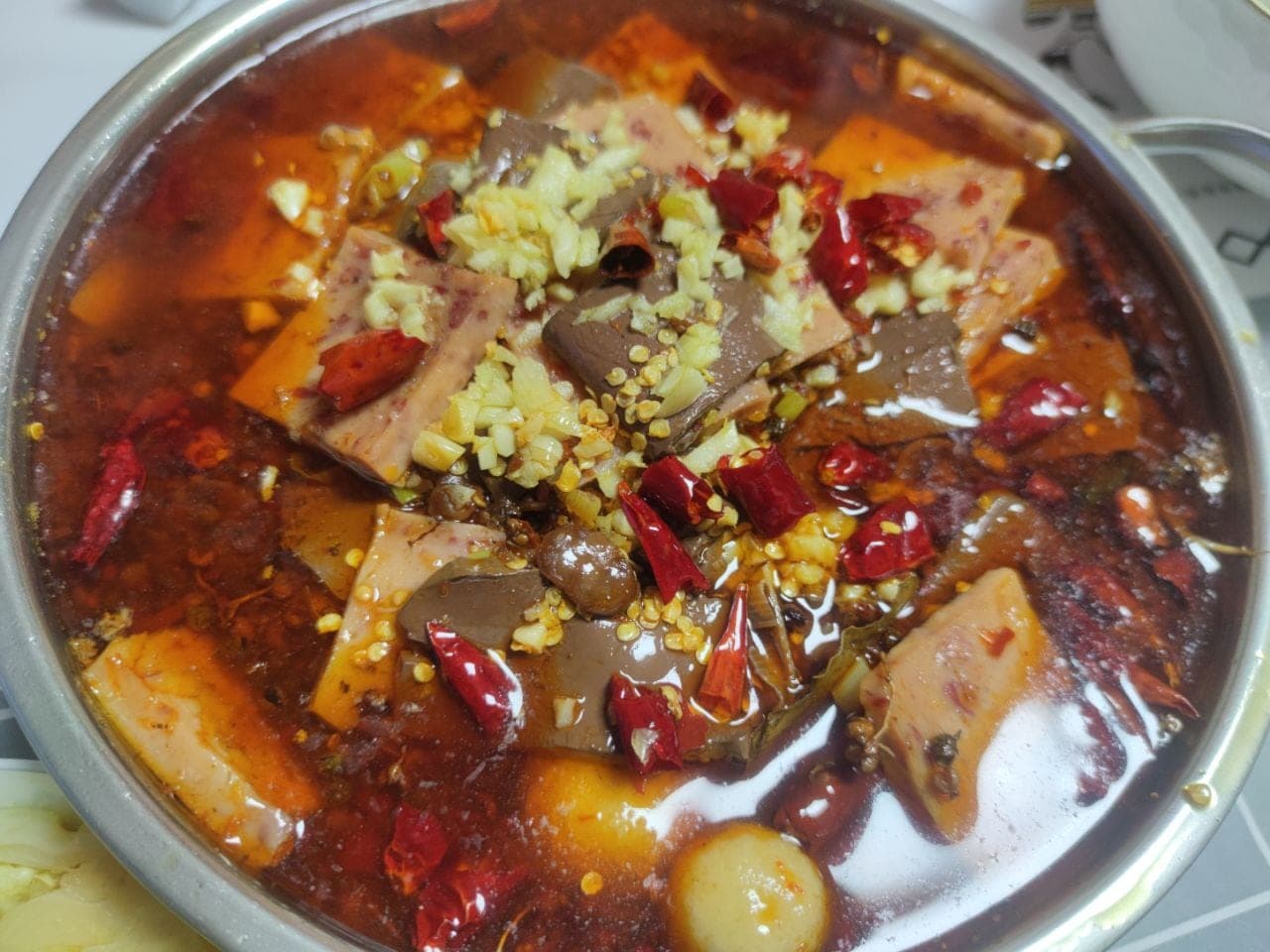
Jianghu cai(the rivers-and-lakes school)
Jianghu cai is the 'rivers-and-lakes' cooking of the country towns and dock quarters around Chongqing, bolder and rougher than the refined Chengdu style most foreigners meet first.
Mao xue wang, duck blood and beef offal in chilli-bean broth, was invented at Ciqikou in the 1940s. The Geleshan poultry preparations built their name in the hills: la zi ji and kou shui ji. Generous with garlic and Sichuan peppercorn, direct in a way Chengdu cooking is not.
We book dinner at a jianghu house off the Nanping food strip on the south bank, with the kitchen briefed to make the mao xue wang the way the Ciqikou butchers cooked it. A tea-cleanse course is brought between the spice runs, so the palate resets between dishes.
Shows and experiences

Chongqing 1949(the city's signature immersive show)
Step into the theatre and the year falls back.
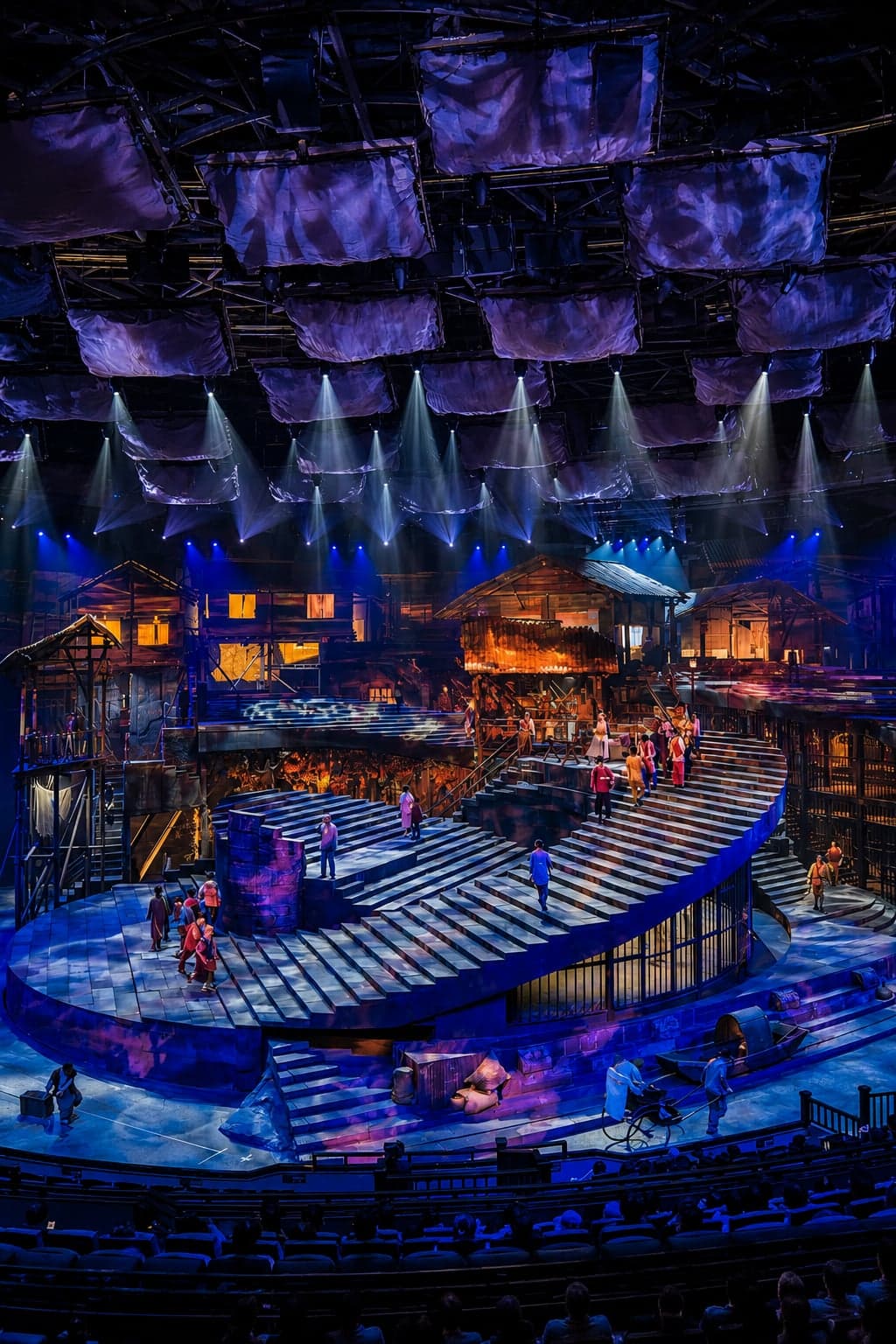
Chongqing 1949 is the city's signature immersive production, staged in a purpose-built rotating theatre with the audience platform turning slowly through the city's last autumn before liberation. The set unfolds around you: Republican-era street corners, hidden printing presses, a smoke-filled teahouse, a courtyard kitchen.
We book the early-evening performance, and the seats are held in the lower-tier audience ring where the rotation reads cleanest against the set changes. A short brief from your guide before the doors open names the figures the production is built around. English subtitles, and the seats we hold sit within the subtitle sight line.

Yangtze Cableway at golden hour(the last river cable car across the city)
The Yangtze Cableway is Chongqing's last operating river cable car, and the best public viewpoint over the heart of the city.
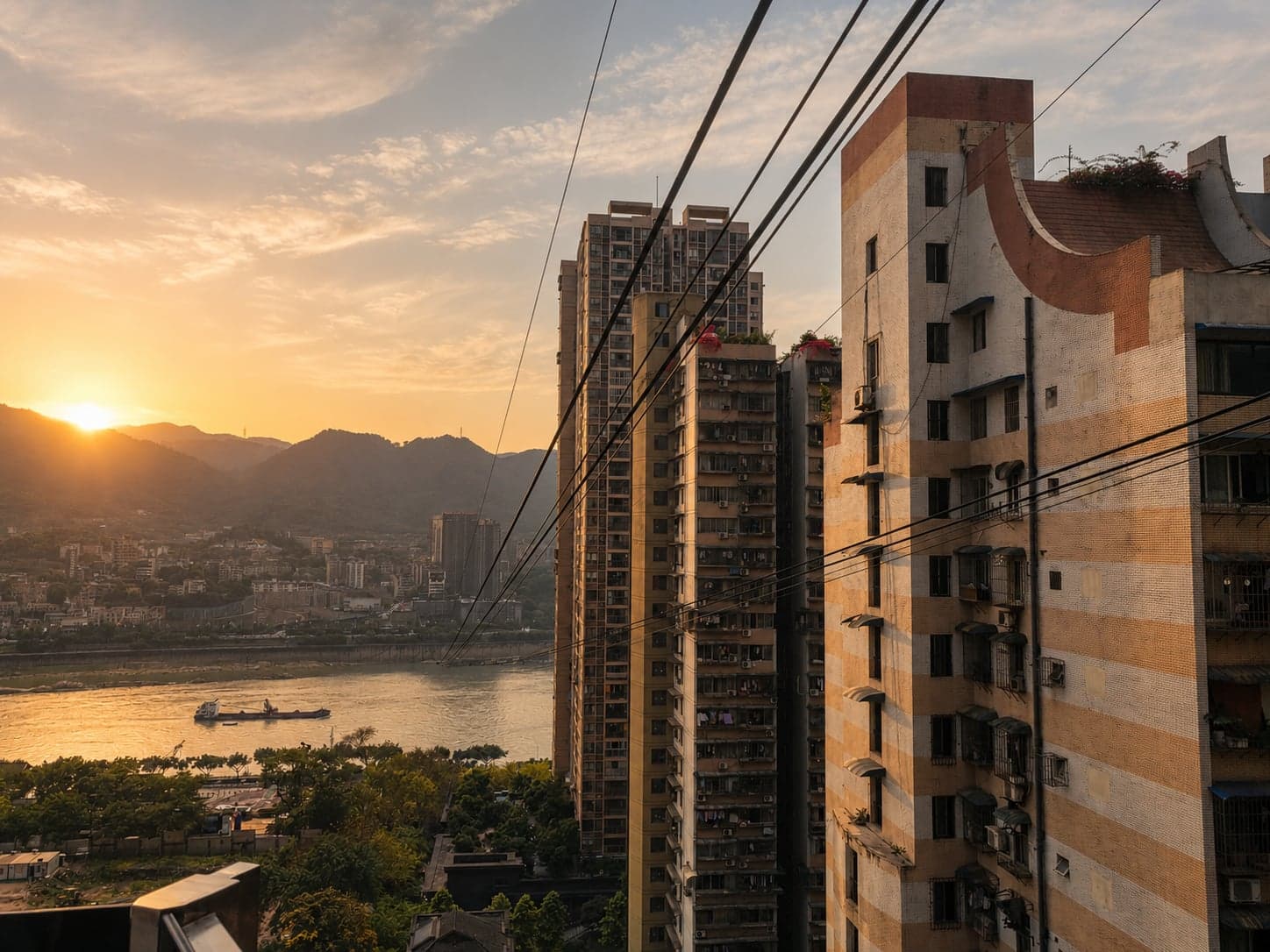
It opened in 1987 to carry residents between Jiefangbei and the south bank, before the bridges and tunnels were built. The cabin runs 1,166 metres across the river at roughly seventy metres above the water. Golden hour is when the Hongya lights begin to come on along the cliff above.
We book the descent crossing at golden hour, ten minutes before the Hongya lanterns come on, so the river crosses with the cliff still in daylight on one side and the dusk gathering on the other. The south-bank side has a teahouse balcony directly facing the cliff that we use as a sunset hold.

Qingyu Yan banquet(an evening at a period Chongqing table)
Step into the courtyard at Qingyu Yan and the year falls back.
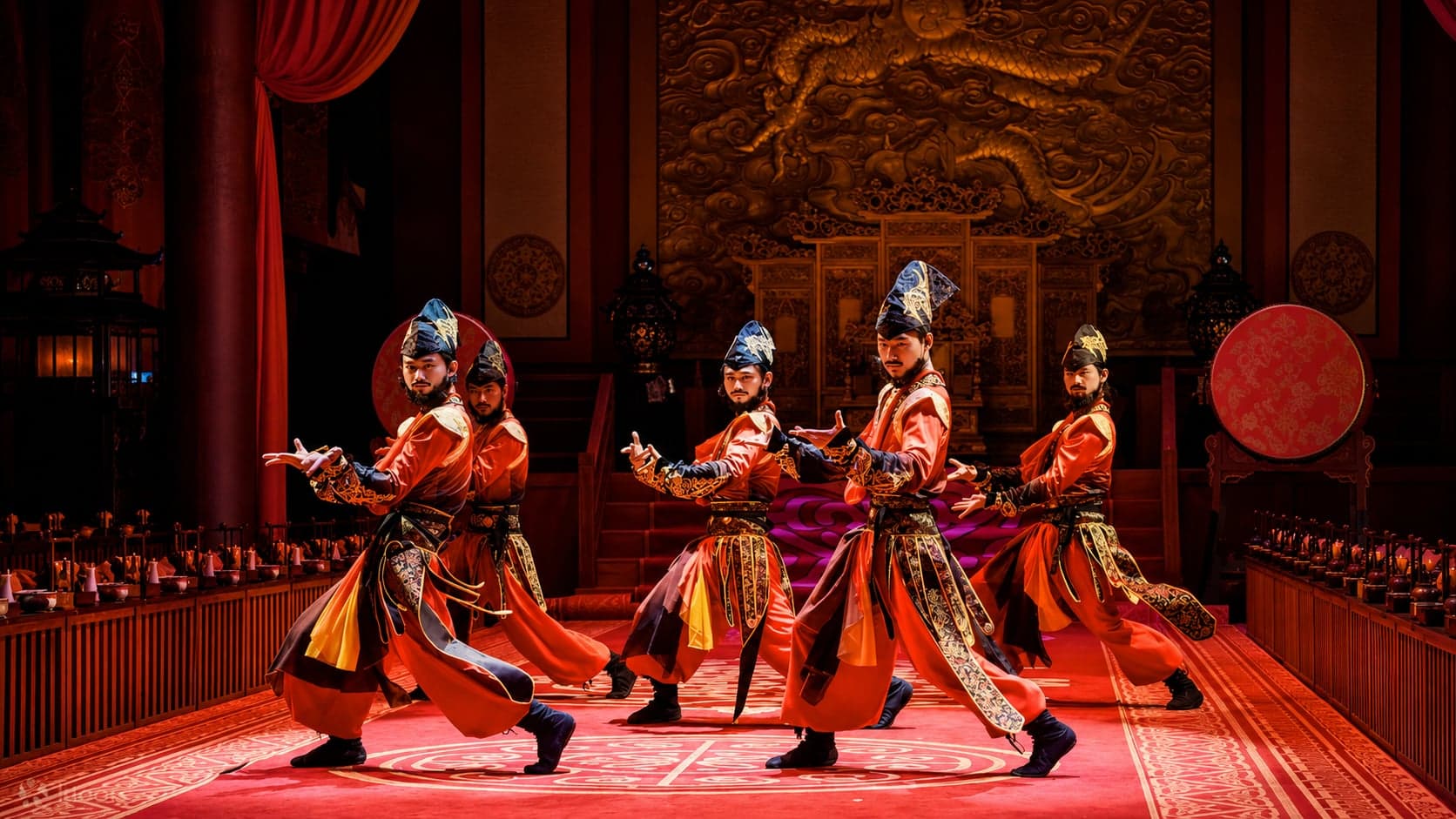
The walls are timber, the lanterns hang low over the table, and the cast move through the room in the dress of an older Chongqing while a live performance threads between the courses. The cooking leans on what gave the city its name: river fish, mountain herbs, and the slow spice register the riverside houses cooked with.
We hold the table at the early seating, when the room is at its calmest and the courses have time to unfold. Dietary notes pass to the kitchen in writing before you arrive, and the seats are arranged with a clear line to the performance space at the courtyard's centre.
What three days
might look like.
- Day 01
Arrival, the cliff at dusk, the first hot pot.
Arrive late morning and meet your driver in the arrivals hall, with a leisurely lunch at the upper-plateau xiaomian counter to introduce the bowl Chongqing wakes up to. The afternoon descends gently through Shibati's rebuilt stair-street into the old porter quarter, the lane settling for a moment at a third-courtyard teahouse. As evening approaches, the Yangtze Cableway crosses to a south-bank teahouse for the last sun. Across the Jialing, the eleven floors of Hongya Cave light up as you watch from Qiansimen Bridge opposite. Dinner unfolds at a bencheng hot-pot house with beef-tallow broth and the cuts your guide orders for the table.
- Xiaomian on the upper plateau
- Shibati stair-street descent
- Yangtze Cableway at golden hour
- Hongya Cave from Qiansimen Bridge
- Bencheng hot-pot dinner
- Day 02
Karst arches, river-porter flavours.
A first-light private transfer takes you southeast to Wulong Karst, the valley floor walked before the day's coach lanes arrive. From the upper platform, three limestone arches step down: Tianlong first at about 235 metres, Qinglong in the centre at around 281 metres, and Heilong at the lowest point. Qinglong is the tallest of the three; Heilong carries the widest span. After a Tujia minority lunch in the valley above, Furong Cave waits on the return, an underground river chamber the size of a stadium. As evening returns to Chongqing, dinner unfolds at a jianghu-cai house off the Nanping food strip. Mao xue wang and kou shui ji arrive prepared the way the river porters ate them.
- Wulong Karst Three Natural Bridges
- Tianlong Bridge (Heavenly Dragon)
- Qinglong and Heilong arches
- Tujia minority lunch in the upper valley
- Furong Cave on the return
- Jianghu-cai dinner on Nanping
- Day 03
The 8D city, then upstream.
Begin the morning with the city's working architecture, boarding Line 2 at Jiaochangkou and riding through the residential block at Liziba. The train passes through the apartment floors at thirty kilometres an hour, and the upper city follows: the Liberation Monument plaza on foot, a side-lane xiaomian counter for the morning bowl, and a leisurely last lunch at a bencheng table. As the afternoon settles, a private transfer takes you to the Chaotianmen cruise terminal for the four-day downstream voyage. The river journey begins as the first lights come on across the Jialing.
- Line 2 monorail through Liziba
- Liberation Monument plaza
- Upper-plateau xiaomian counter
- Bencheng farewell lunch
- Chaotianmen cruise embarkation
Best time
March to May; September to November
Days needed
3 days, plus the Yangtze cruise
Where it sits
About 90 minutes by air from Xi'an; around 3 hours from Shanghai; the upstream port for the Yangtze cruise
Questions worth
answering early.
Three full days is the right minimum, set up as the prelude to the Yangtze cruise. Day one for the city itself: Shibati's stair-street, the Yangtze Cableway at golden hour and the Hongya cliff from Qiansimen Bridge, then a bencheng hot-pot evening. Day two for Wulong Karst's Three Natural Bridges, returning by late afternoon. Day three for the Liziba light-rail ride through the apartment block, an upper-city morning around the Liberation Monument with a last xiaomian bowl, then an early-afternoon embarkation at Chaotianmen. A city-only Chongqing stop without the cruise is workable, but the river is what makes it worth more than a stopover.
Hand us the dream,
We carry it through.
From your first enquiry to your last airport pickup, our specialists design your trip and stay in contact every step of the way. The guides, drivers and hotels you'll meet are part of our trusted network we've worked with for years, briefed to the same standards.
- Dedicated specialists, start to finish
- Guides briefed to our standards
- Fully transparent, no hidden costs
- No deposit until you confirm
Stretch the trip. Stitch in another.
Useful before
you enquire.

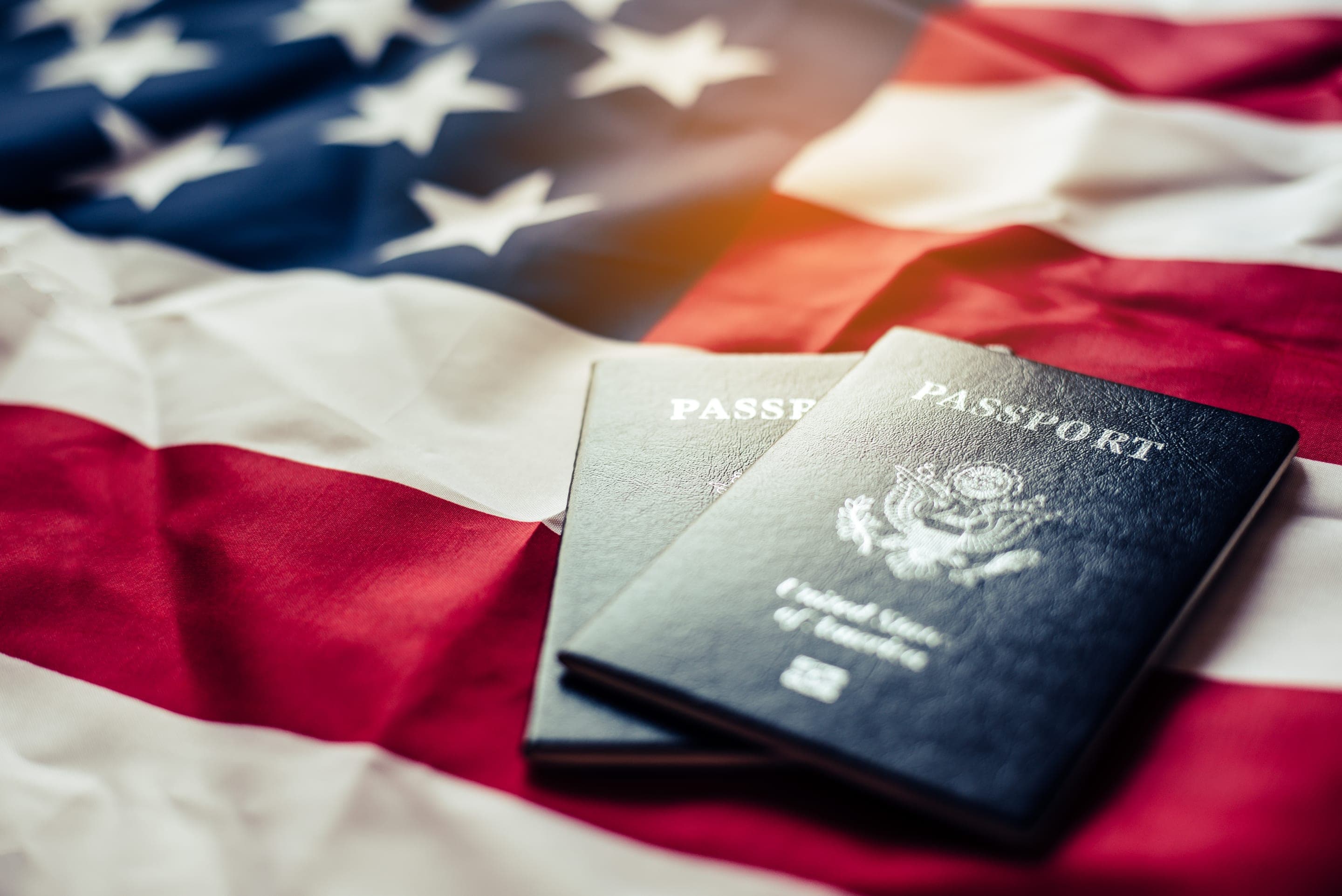
China tourist visa for US travellers
American passports still need a tourist visa for China under current rules. How the L-visa works, what we handle as part of your booking, and what is on you.
Read this guide
When to visit China, month by month
Spring and autumn are the cleanest windows for Chongqing and the Yangtze. The whole year, read by climate and crowd.
Read this guide
How our pricing works
What sits inside the figure on your quote, and what sits outside it. The structure, written out.
Read this guide
Payments and connectivity in China
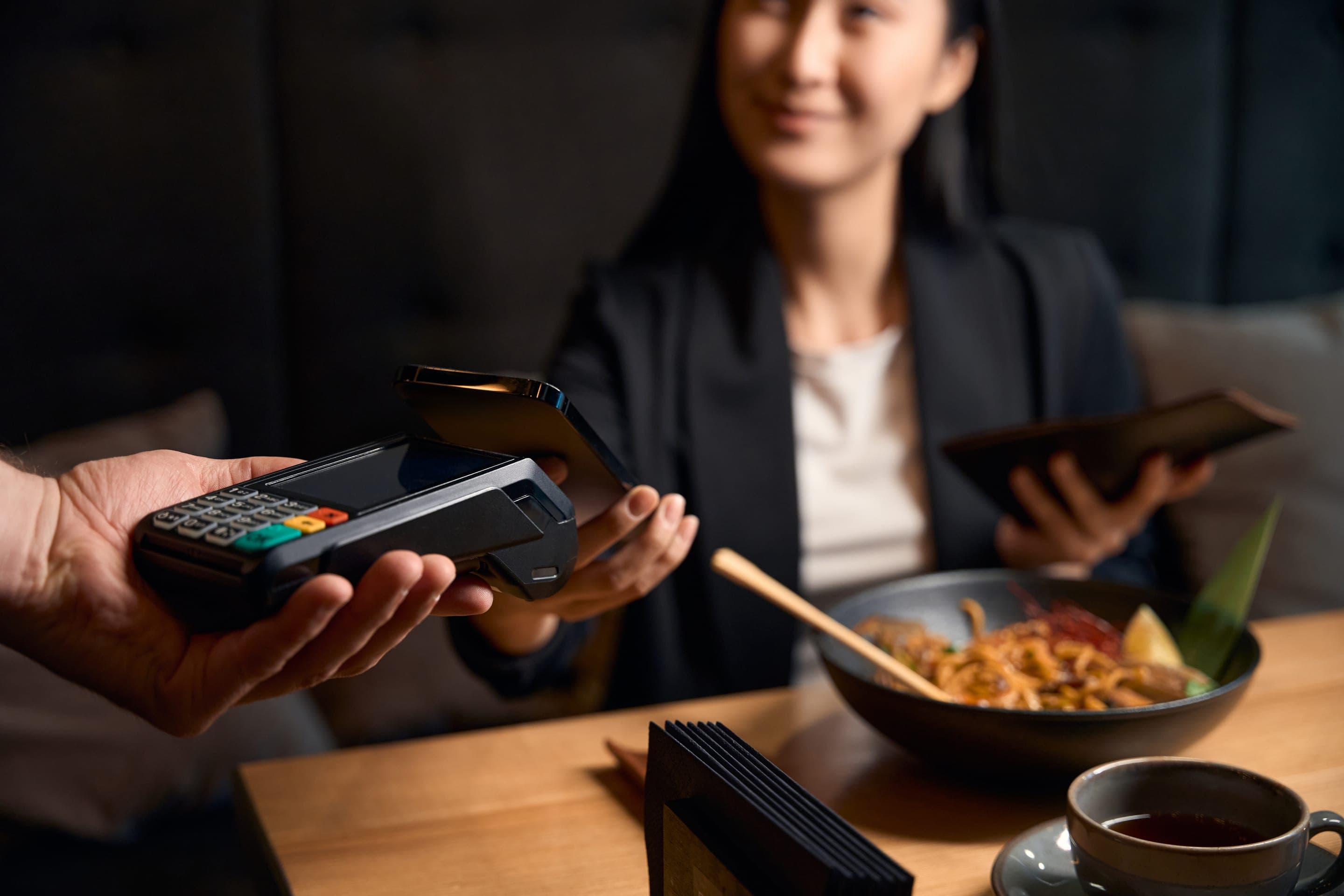
Alipay and WeChat Pay now take overseas Visa and Mastercard. The practical setup to do before you fly.
Read this guide

Jack Guo
Senior Travel Specialist
Jack has spent ten years working with the guides, drivers and hoteliers across China. He'll be your contact from first enquiry to final airport pickup.
Tell us about your Chongqing trip
Five quick questions. We'll send you a Chongqing-anchored draft with the price within one business day. No deposit. No hard-sell.