

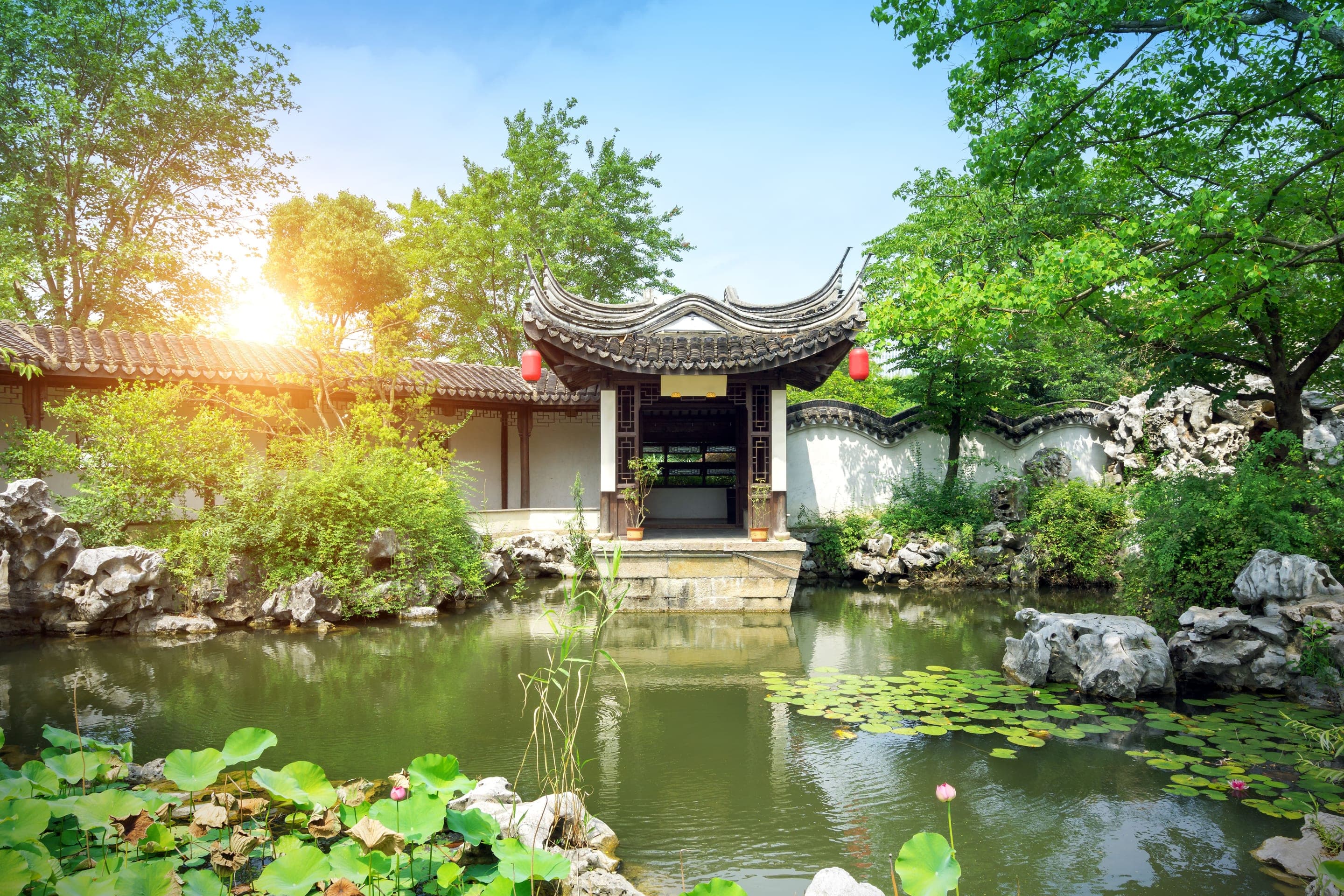
Nine UNESCO gardens,and the canalsthey sit inside.
Twenty-five minutes west of Shanghai by high-speed rail. Ming and Qing scholar's gardens, walked slowly.
Suzhou is China's classical-garden city. Nine UNESCO-listed gardens, built between the eleventh and nineteenth centuries by retired scholar-officials who wanted a courtyard-sized version of the natural world. Pavilions, ponds, single rocks chosen for years. The Humble Administrator's Garden alone, the largest of the nine at about five hectares, would take a full morning to walk slowly. The point of Suzhou is to walk one or two gardens at the pace they were designed for, not to mark all nine off in a day.
Suzhou,
the way we arrange it.
Humble Administrator's Garden
At opening, before the bus loops.
The largest of the nine, just over five hectares, three connected sections. We are at the east gate at opening, ahead of the Shanghai day-trippers. We walk the garden in the order the original owner designed it: the water court first, then the rockeries, finishing at the bonsai garden. About ninety minutes at proper pace.
Pingjiang Road on foot
The Ming canal grid.
Pingjiang Road is the last surviving stretch of Suzhou's Ming-era canal grid. Stone bridges every fifty metres, three-metre-wide lanes, painted shutters. We walk it slowly, with a long stop at a Ming-era tea house for the local green tea and rock candy. About an hour, with the stops.
A Kunqu opera fragment
Twenty minutes of the form.
Kunqu is the slow, sung opera form that Beijing opera grew out of, recognised by UNESCO as a Masterpiece of the Oral and Intangible Heritage of Humanity. We arrange a short private fragment at a small theatre or a guesthouse — twenty minutes, two performers, sung in the original Wu dialect. The point is to hear it once.
Questions worth
answering early.
Humble Administrator's Garden (Zhuozheng Yuan) is the largest and most varied, and the answer for first-time visits. Lingering Garden (Liu Yuan) is the second canonical visit: smaller, more rock-led, quieter. Master of the Nets Garden (Wangshi Yuan) is the smallest of the famous ones, the answer if you want to understand how compression and framing work at scholar scale. Two gardens with one canal walk between them is the right Suzhou day; three is the day you stop seeing them. We tell you honestly which two suit your companions.
The Shanghai
loop, both sides quiet.
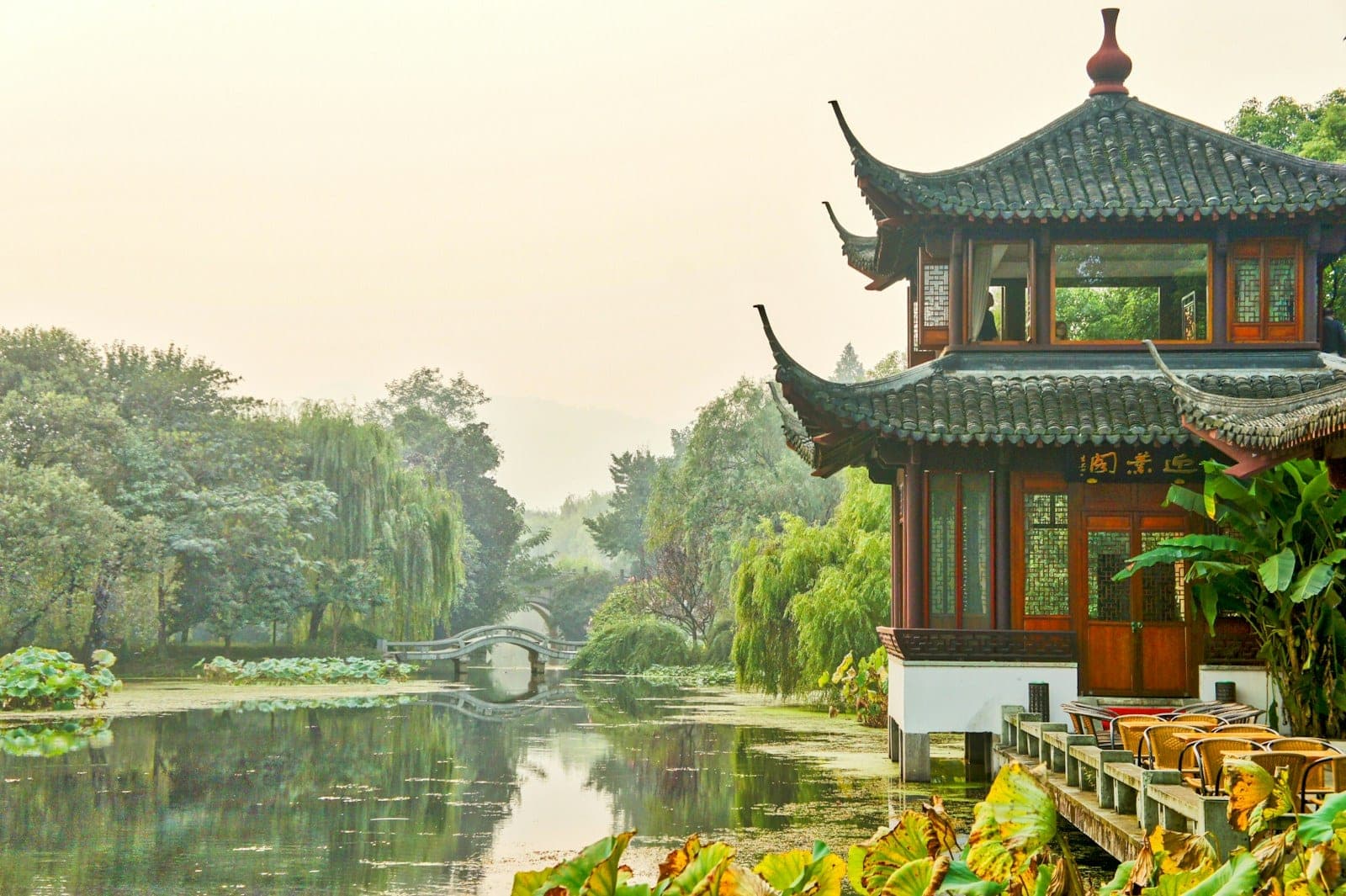
Hangzhou & West Lake
The other side of Shanghai by high-speed rail. Garden city and lake city, two contrasts in a three-night swing.
Read this experience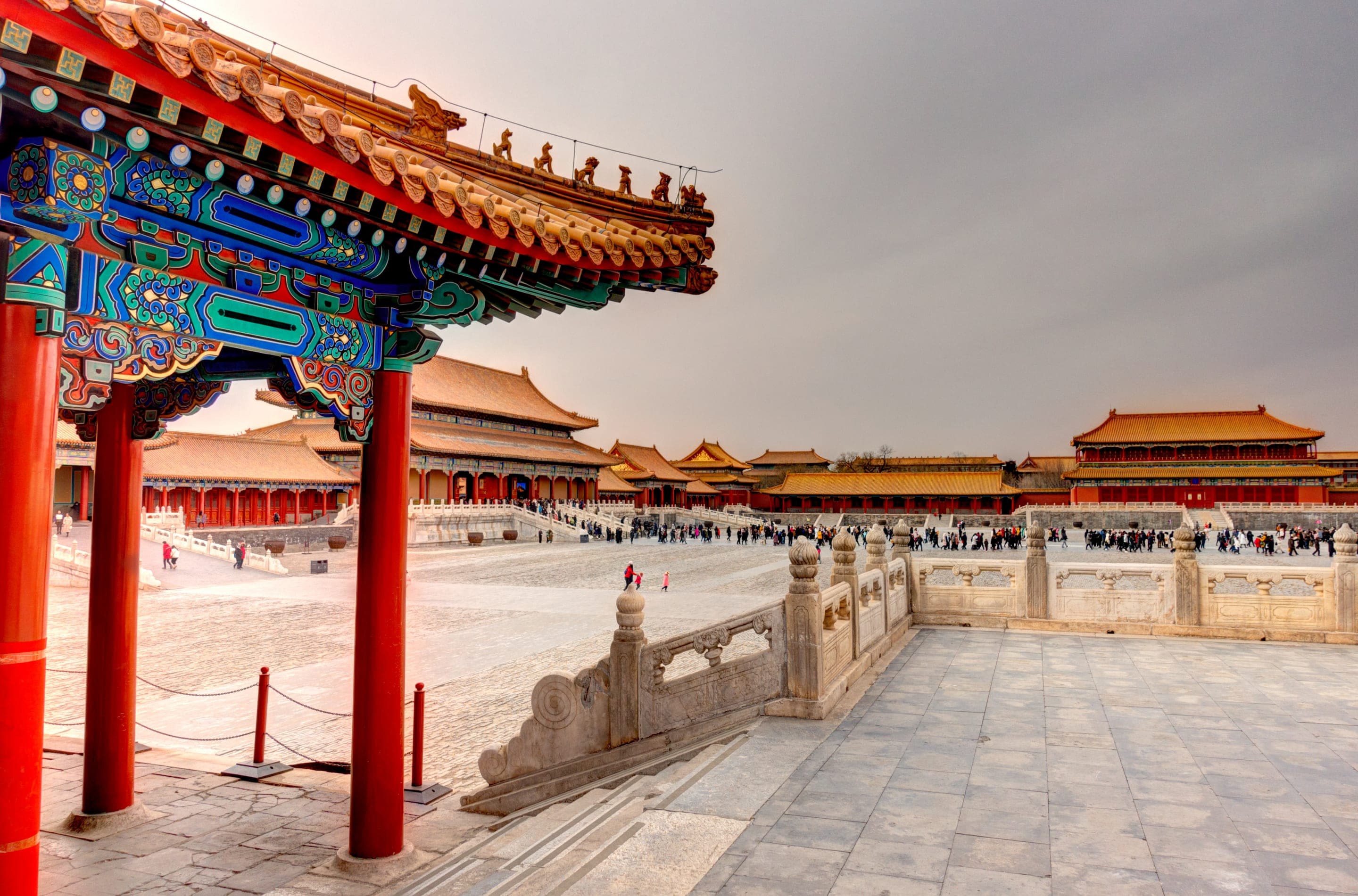
The Forbidden City
Imperial scale in Beijing, scholar-scale in Suzhou. The same dynastic centuries, two different aesthetics.
Read this experience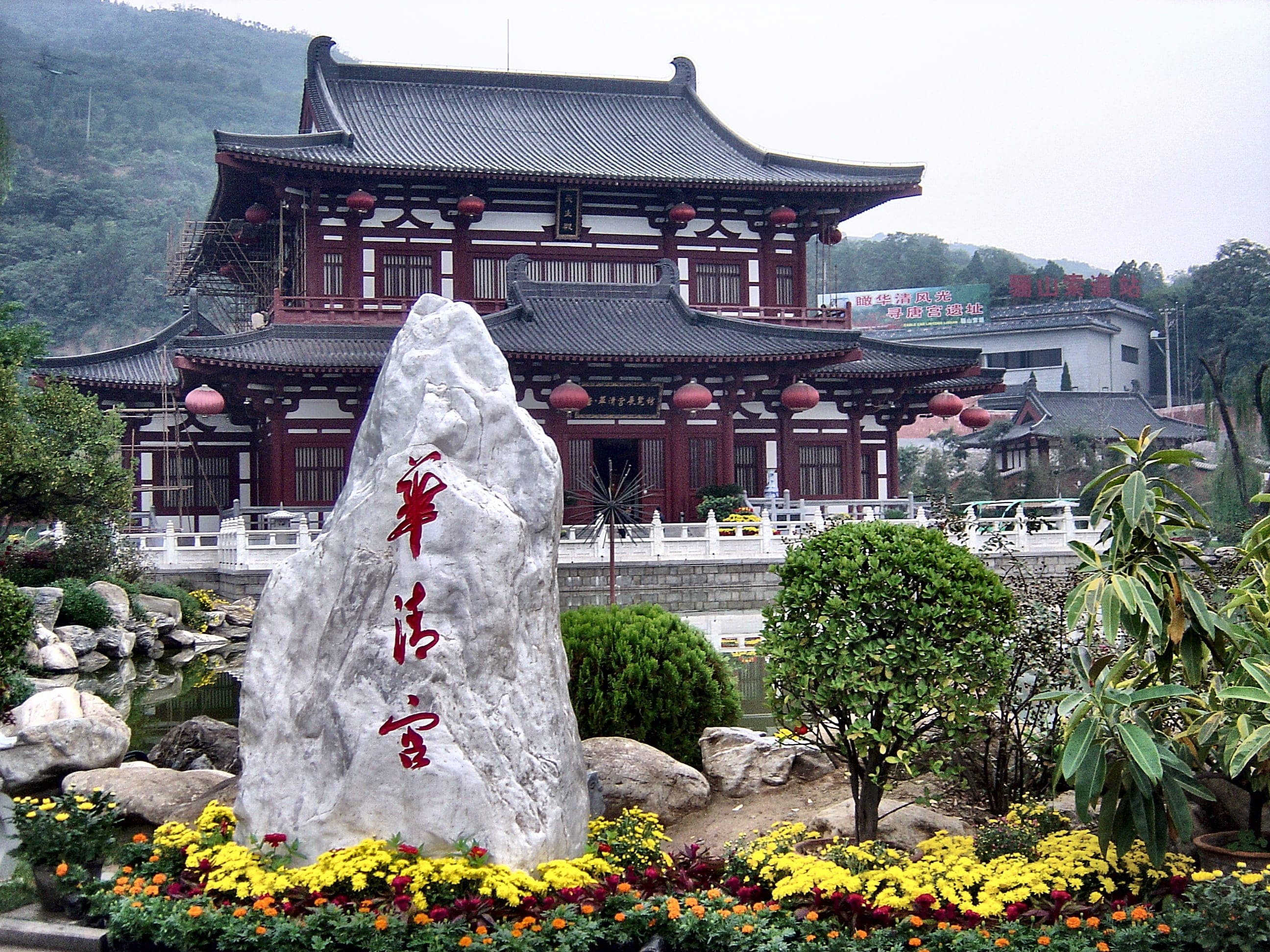
Huaqing Palace
Tang-court Xi'an, Qing-scholar Suzhou. The dynasties at opposite ends of their period.
Read this experience

Jack Guo
Senior Travel Specialist
Jack has spent ten years working with the guides, drivers and hoteliers across China. He'll be your contact from first enquiry to final airport pickup.
Add Suzhou's Classical Gardens to your trip
Five quick questions. We'll send you a draft that includes Suzhou's Classical Gardens, with the price, within one business day. No deposit. No hard-sell.