

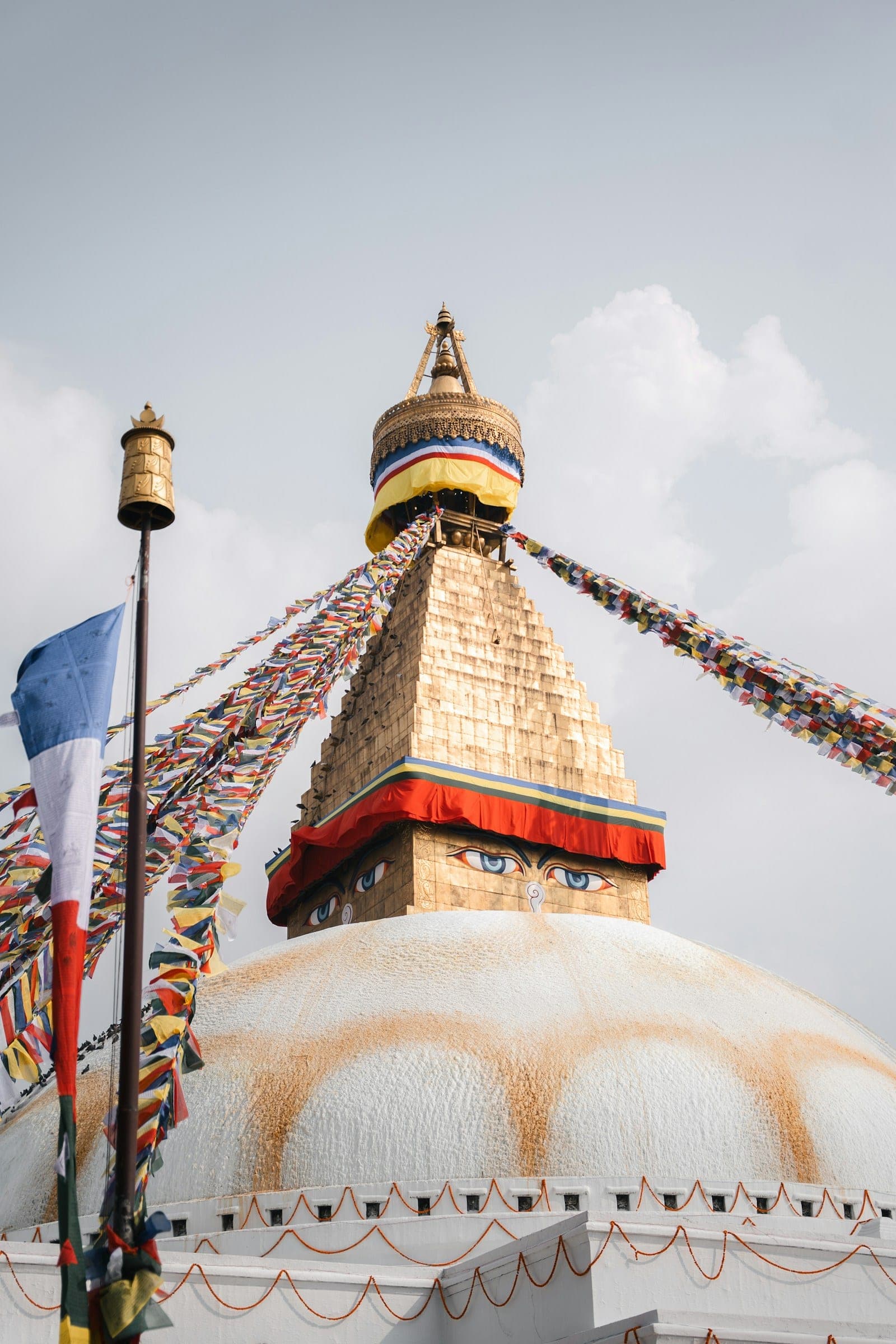
A 300-lama monastery,at 3,200 metres,on the plateau edge.
Three hours north of Lijiang on the southern edge of the Tibetan plateau. The altitude asks you to slow down.
Shangri-La is the Tibetan-Buddhist town the Han call Zhongdian, at 3,200 metres on the southern edge of the Tibetan plateau. A working three-hundred-lama monastery, prayer flags above wetland that freezes by November, and a small old-town grid you can walk in a morning. The town itself is small; the point is Songzanlin Monastery, the largest Tibetan-Buddhist monastery in Yunnan and modelled on the Potala, and the first daylight on its golden roofs. We arrange Shangri-La as a two-night stop with altitude paced, on the road up from Lijiang.
Two nights,
the altitude paced.
Songzanlin at dawn
Before the buses arrive.
The monastery sits above a wetland reserve, and the photograph everyone wants is the reflection from across the water at first light. The viewing point opens at sunrise; the day-tour buses arrive around 08:30. We take you at the right hour and bring tea. The exposure window is short. The gold leaf comes alive for about thirty minutes.
Morning prayer
Inside the main hall.
Six monks lead the morning prayer in the main assembly hall. It runs about an hour: low chanting, butter-lamp light. We brief you on the protocols before we go in. You sit at the back, you do not photograph, you stay until the abbot leaves. It is a working monastery, not a performance.
Pudacuo at altitude
Lakes, larch, yak.
Pudacuo National Park is a high-altitude wetland reserve thirty kilometres from town. We do the second-day morning at Lake Shudu, when the larch turns gold in October and the yak herders are still moving between summer and winter pastures. Walk the boardwalk, not the bus loop.
Questions worth
answering early.
Most travellers feel it as breathlessness on stairs, a slight headache for the first afternoon, and slower walking pace. It is not high enough to trigger serious altitude sickness in most people, but it is high enough that the first day should be slow. The recommended pattern: arrive at lunchtime, no exertion the first afternoon, light dinner, early sleep, dawn monastery visit the second morning. We pace it that way. Pre-existing heart and lung conditions should be discussed with your doctor before the trip, and we ask before we book.
The Yunnan
loop, or onward.
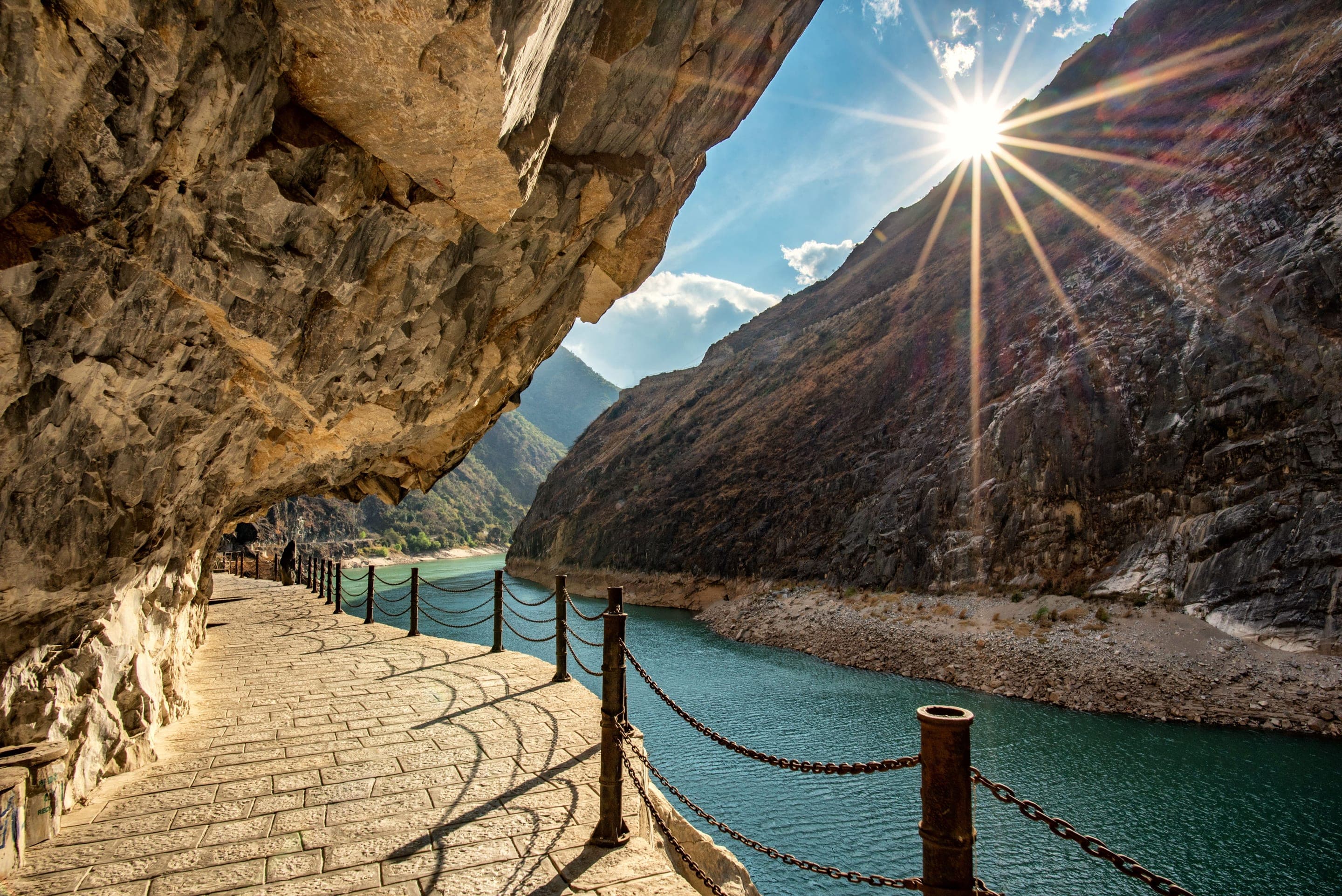
Tiger Leaping Gorge
Two hours south on the same road. The trail first, then the monastery, with altitude acclimatised on the way.
Read this experience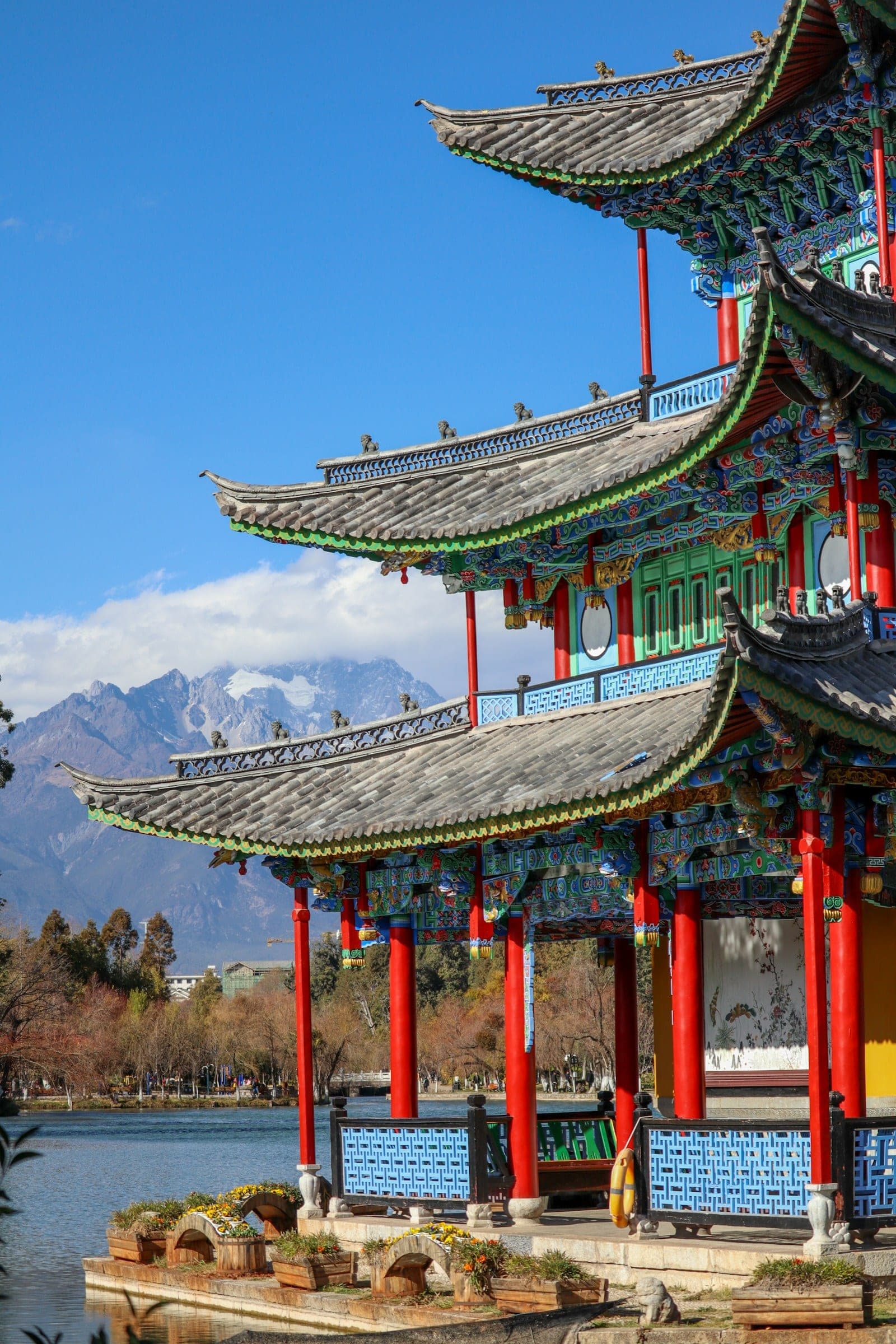
Lijiang Old Town
Five hours south. The valley town and the high-plateau town, the slow ascent of the southwest.
Read this experience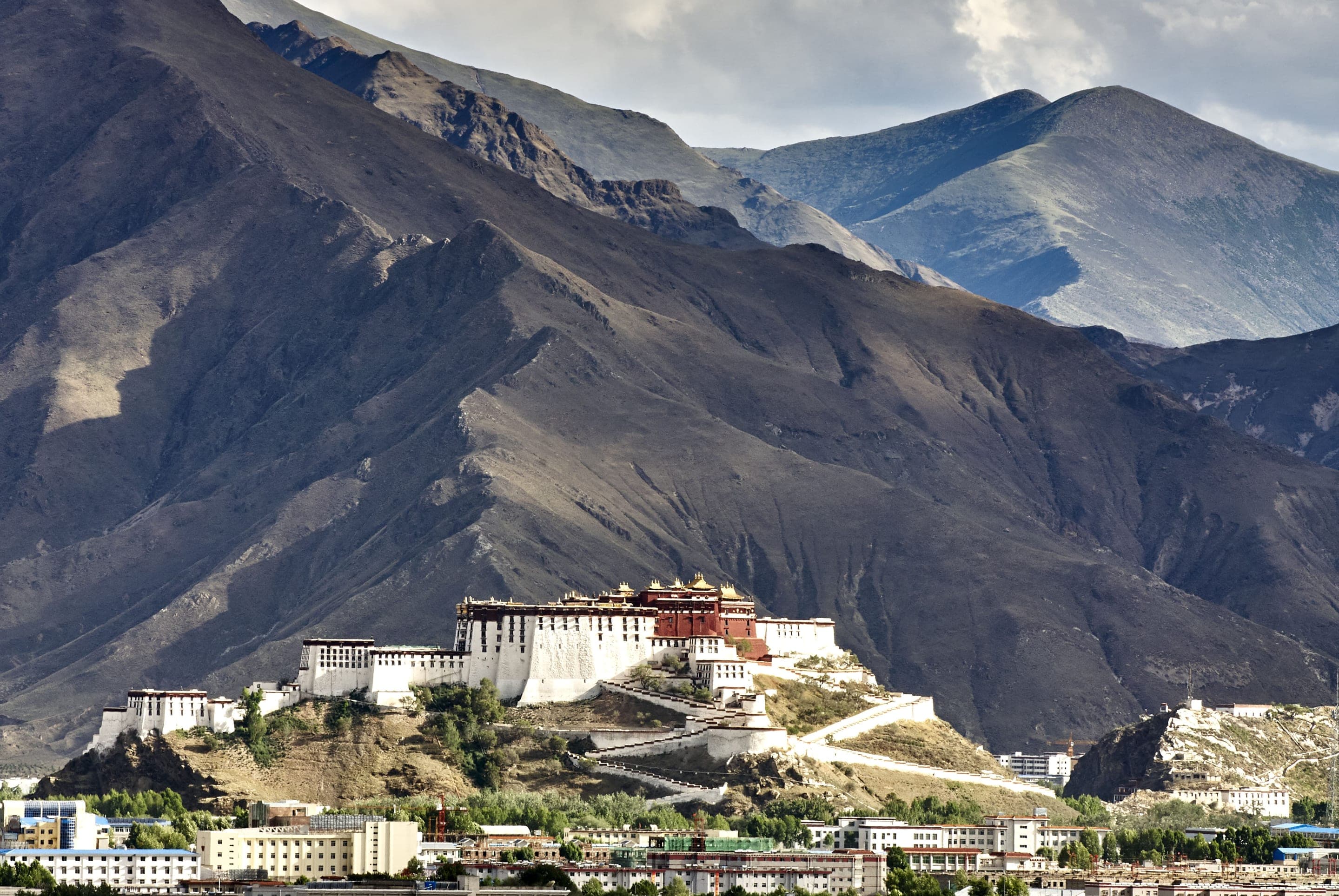
Lhasa & the Potala Palace
An hour by air, or several days overland. The acclimatisation logic continues from 3,200 m to 3,650 m.
Read this experience

Jack Guo
Senior Travel Specialist
Jack has spent ten years working with the guides, drivers and hoteliers across China. He'll be your contact from first enquiry to final airport pickup.
Add Shangri-La to your trip
Five quick questions. We'll send you a draft that includes Shangri-La, with the price, within one business day. No deposit. No hard-sell.