

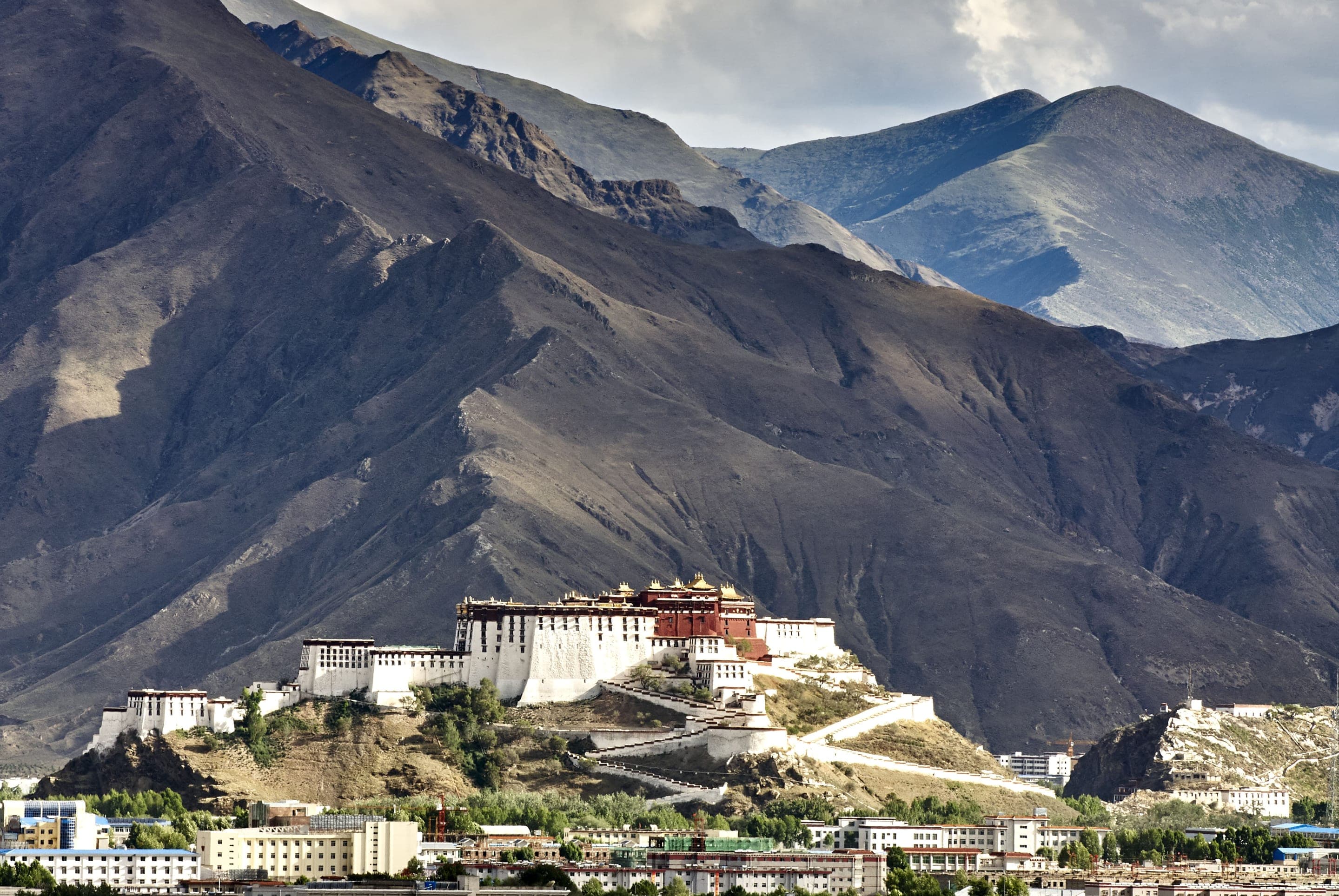
The Potala,and the Tibetan cityaround it.
3,650 metres. A permit-controlled region for foreign visitors. The capital of Tibetan-Buddhist civilisation, on the roof of the world.
Lhasa sits at 3,650 metres on the Tibetan plateau. Foreign visitors require a Tibet Travel Permit, organised at least six weeks ahead and only obtainable through a licensed operator with a Tibetan tour-permit licence. The Potala Palace is the headline. The city around it is what makes the trip: Jokhang Temple, the Barkhor pilgrimage circuit, and the three great monasteries on the outskirts. We arrange Lhasa as a five-night Lhasa-anchored route with altitude carefully paced, often via the natural acclimatisation step at Shangri-La (3,200 m) on the way up.
Five nights,
altitude paced.
The Potala at first light
From across the square.
Photography inside the Potala is forbidden; the photograph everyone wants is the one from the square below at dawn. We bring you at first light, with morning pilgrims already prostrating along the Lingkhor circuit, and we time the interior visit to the permit slot at mid-morning. The interior is a one-way route: about an hour, narrow staircases, a steep climb up the front face. The thin air makes it feel longer than it is.
The Barkhor circuit
Pilgrims, prayer wheels.
Barkhor is the kora, the pilgrimage circuit around the Jokhang Temple. Always clockwise. We walk it slowly in the late afternoon when the air is gold and the local circumambulators are out, prayer wheels turning, beads in hand. The point is not to be looked at; the point is to be walking among.
Drepung at sunset
The hillside monastery, after the day groups.
Drepung is the largest monastery in Tibet, eight kilometres west of Lhasa. We arrive after the day-trip buses leave, when the late-afternoon light hits the white walls and the resident monks come out to the assembly courtyards. The acoustic is the part you remember: chanting bounces off the hillside above the city.
Questions worth
answering early.
Yes, any foreign passport holder visiting Tibet needs a Tibet Travel Permit (also called the Tibet Entry Permit). It is a paper permit issued by the Tibet Tourism Bureau, distinct from your China visa, and required to board any flight or train into Lhasa. The permit takes about three weeks to process and we ask for at least six weeks of lead time on a booking. You cannot apply yourself. It must be processed by a licensed operator with a Tibet tour-permit licence, and you must be on a confirmed itinerary with that operator. We handle the permit end-to-end as part of your booking.
The high-altitude
axis, and the way down.
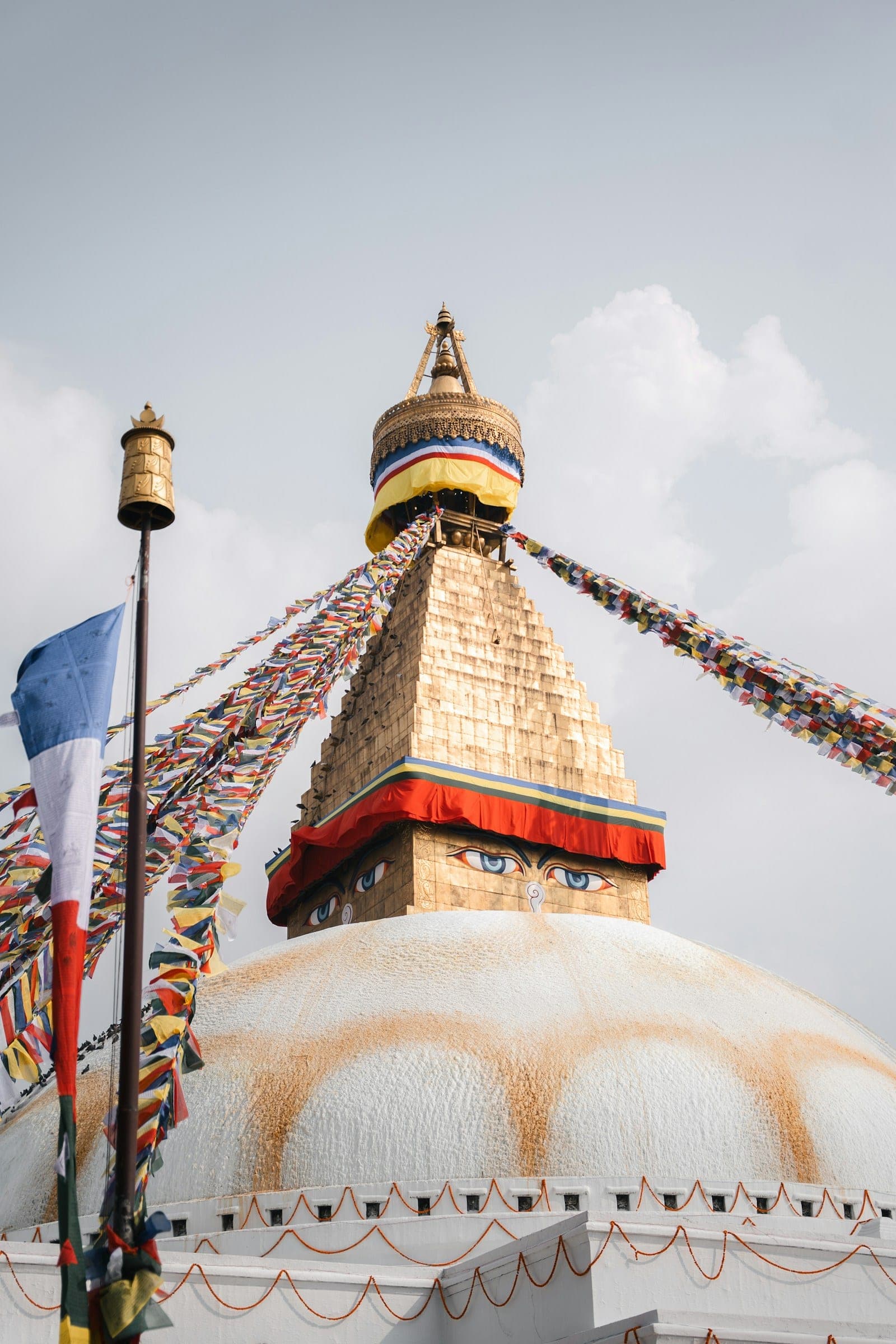
Shangri-La
The acclimatisation step. Two nights at 3,200 m before the climb to 3,650. The right preparation, not an optional one.
Read this experience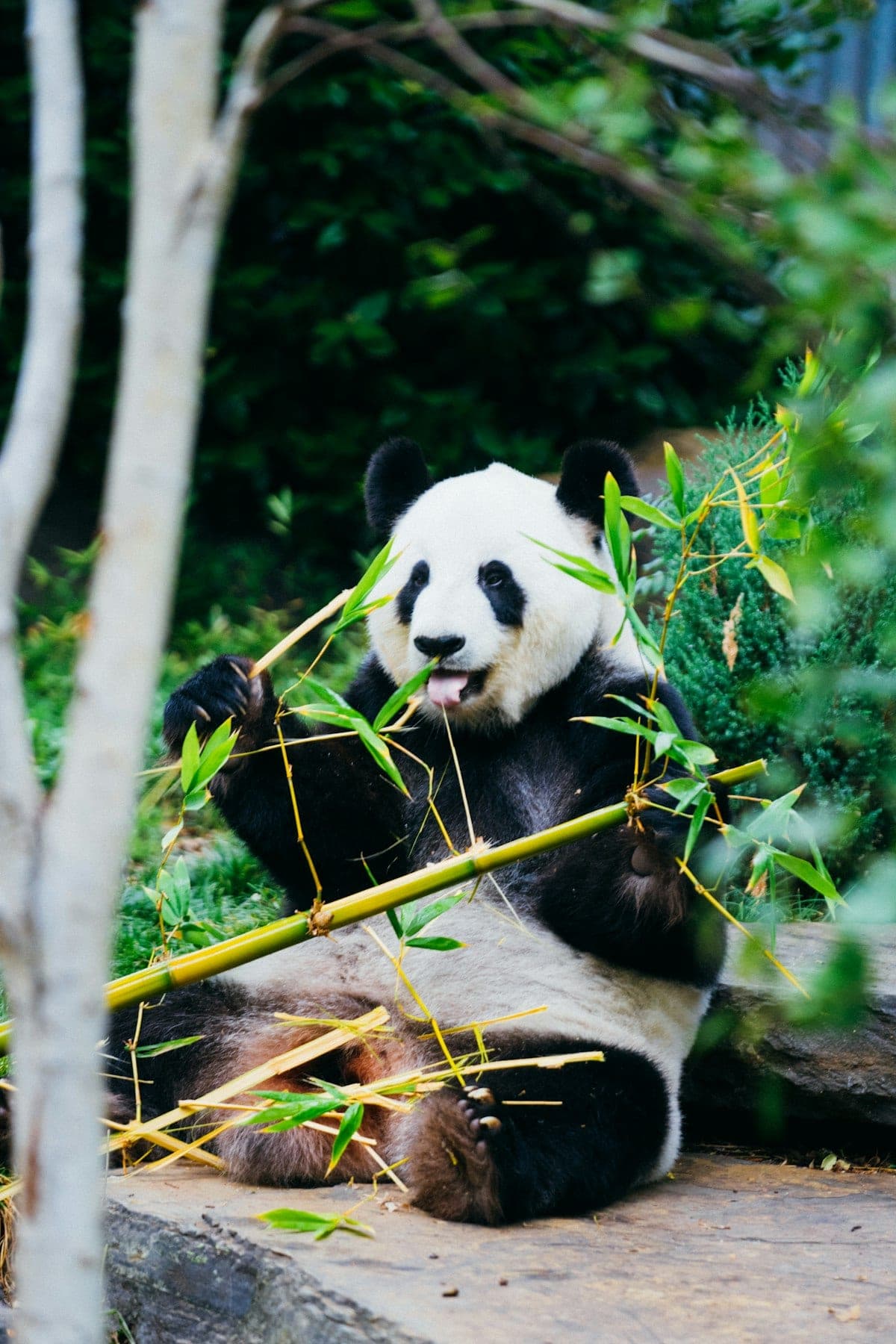
The Chengdu Pandas
Two hours by air east. The soft landing after the plateau: sea-level air, oxygen, tea-house pace.
Read this experience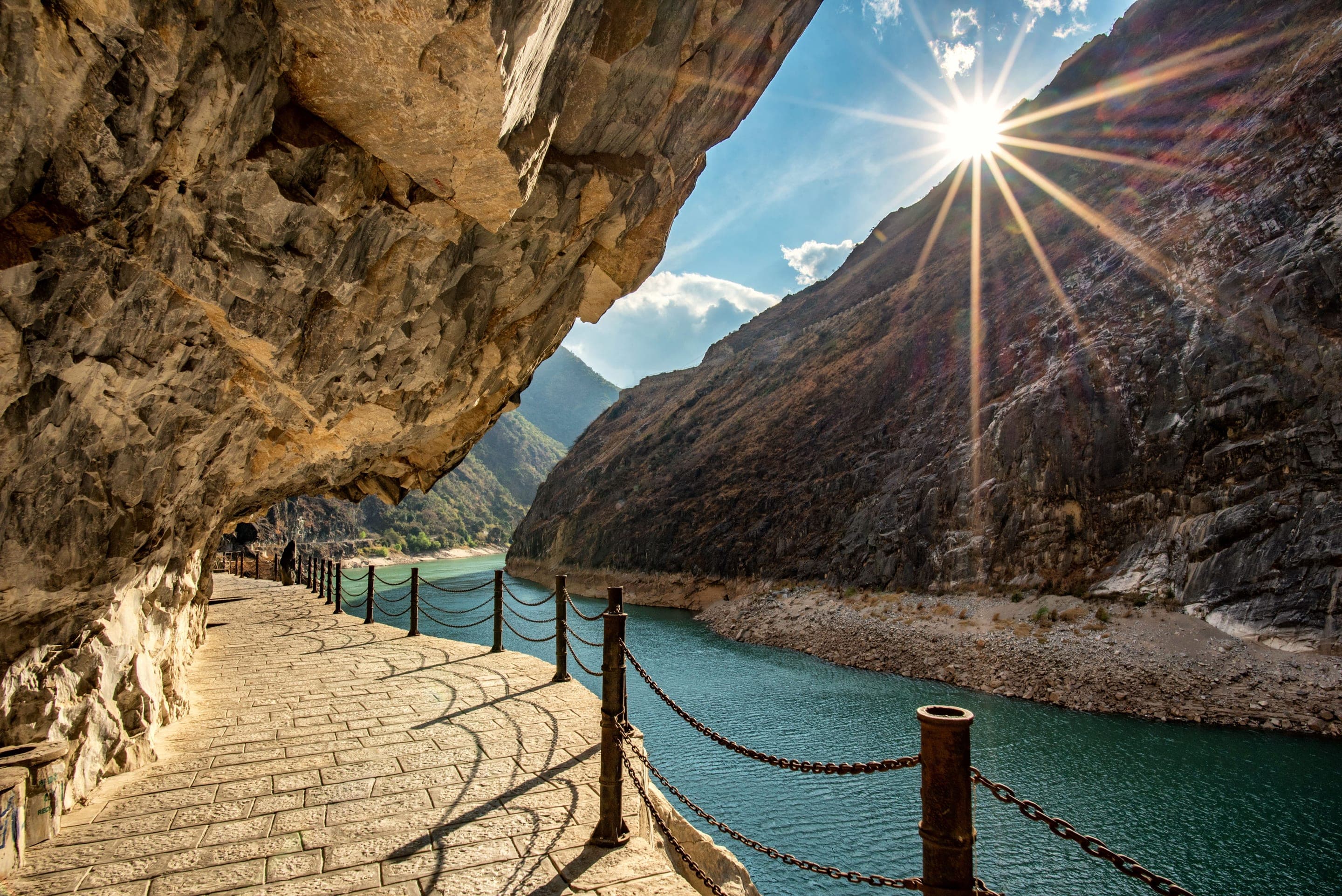
Tiger Leaping Gorge
On the overland approach from Yunnan. The road, the river, and the climb onto the plateau.
Read this experience

Jack Guo
Senior Travel Specialist
Jack has spent ten years working with the guides, drivers and hoteliers across China. He'll be your contact from first enquiry to final airport pickup.
Add Lhasa & the Potala Palace to your trip
Five quick questions. We'll send you a draft that includes Lhasa & the Potala Palace, with the price, within one business day. No deposit. No hard-sell.