
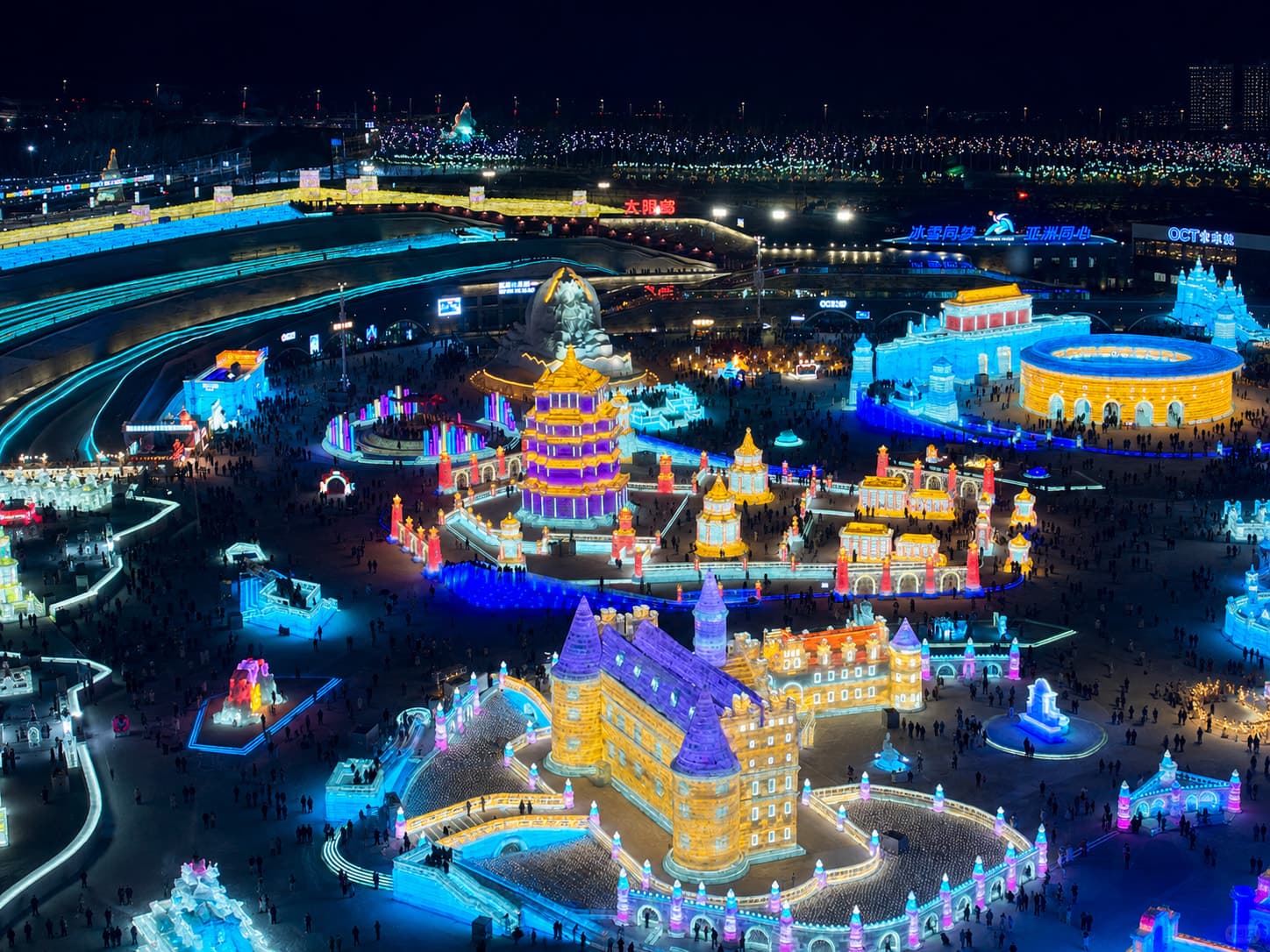
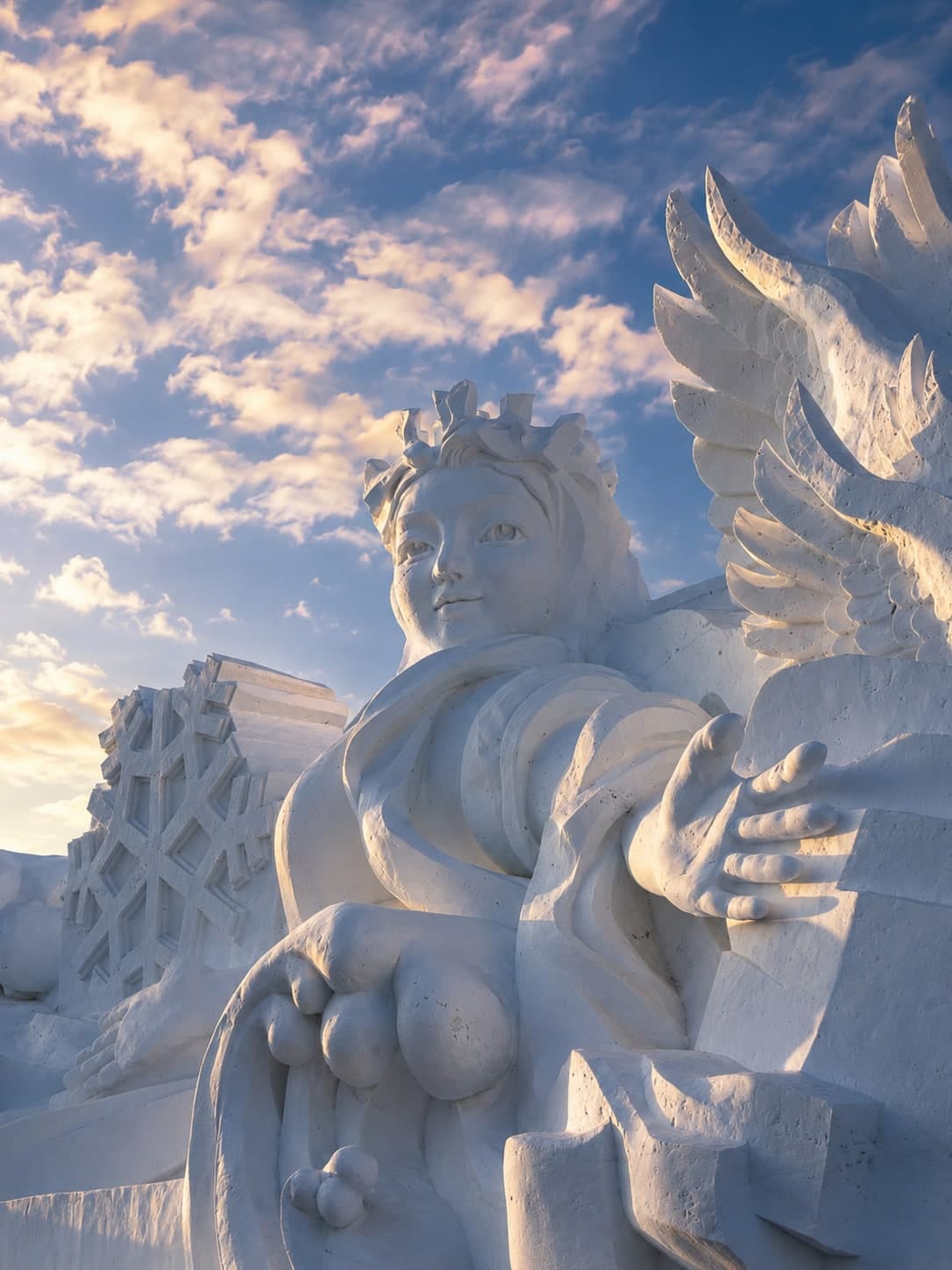
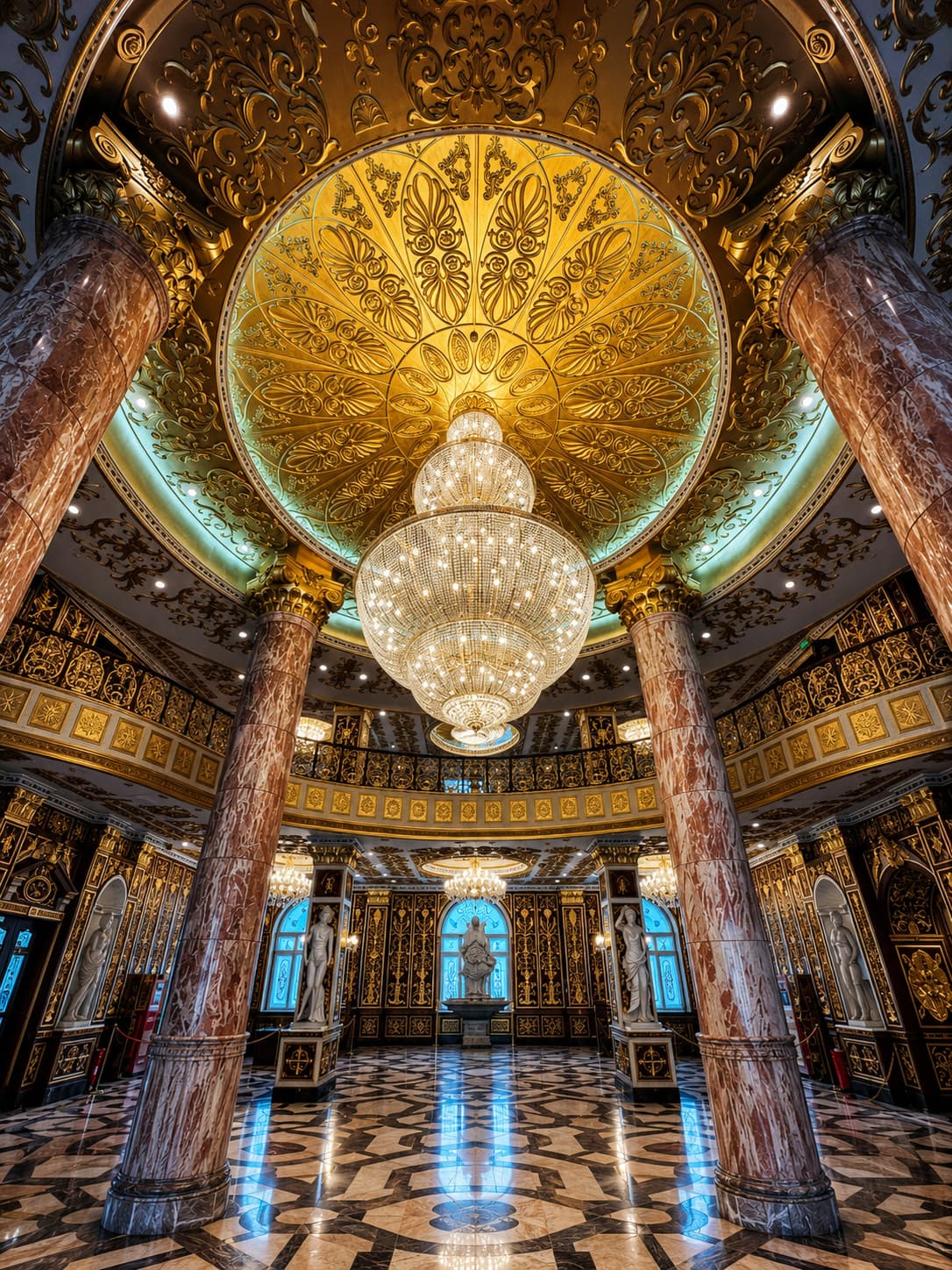
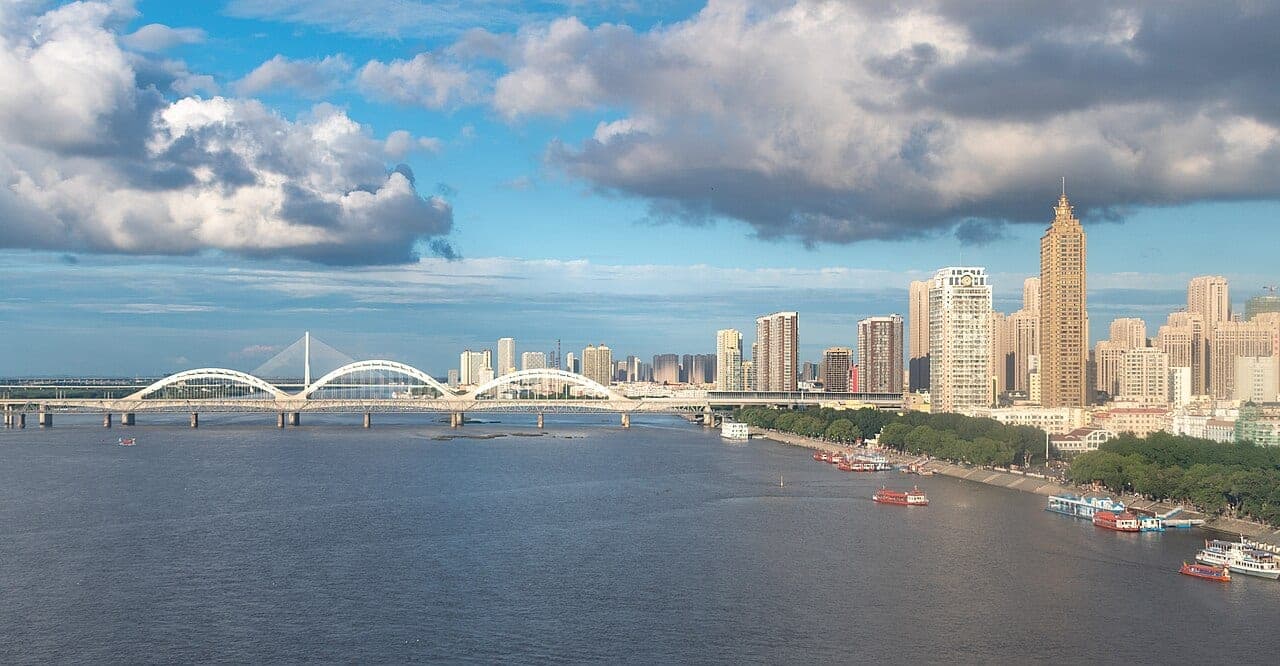
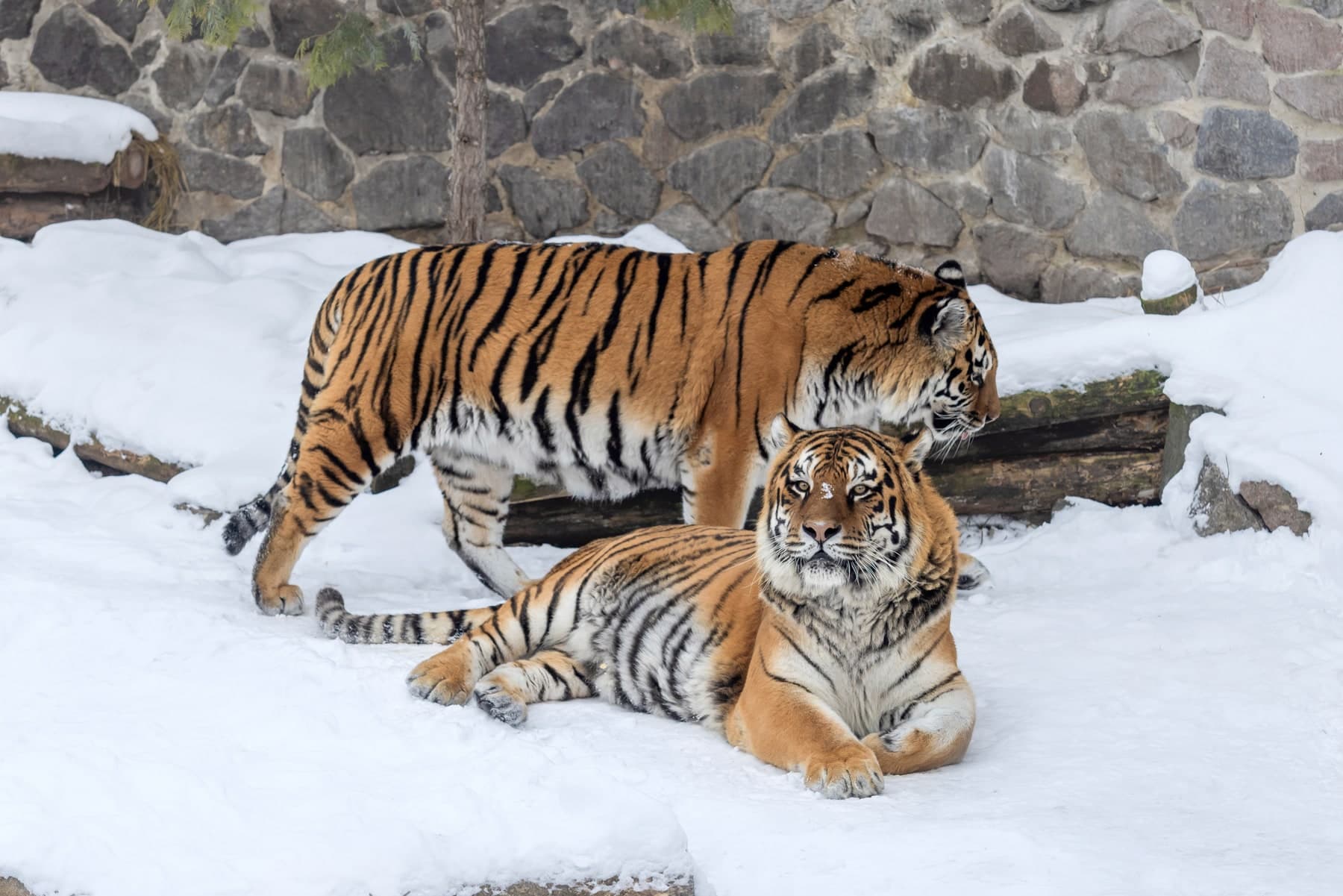

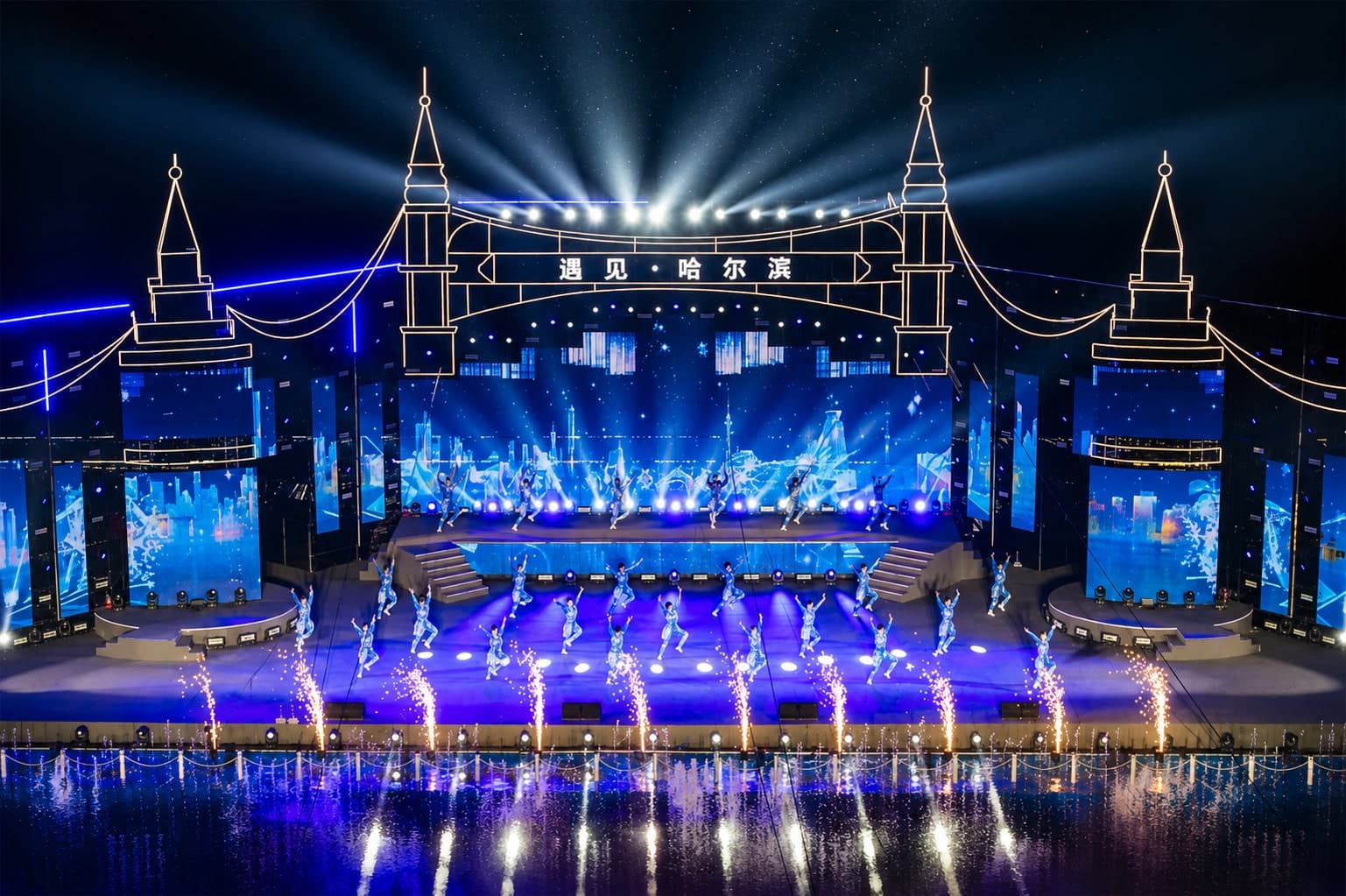
Harbin Ice and Snow World, illuminated ice sculptures at night
Destination · China

Harbin

ice festival, Russian quarter, Manchurian winter

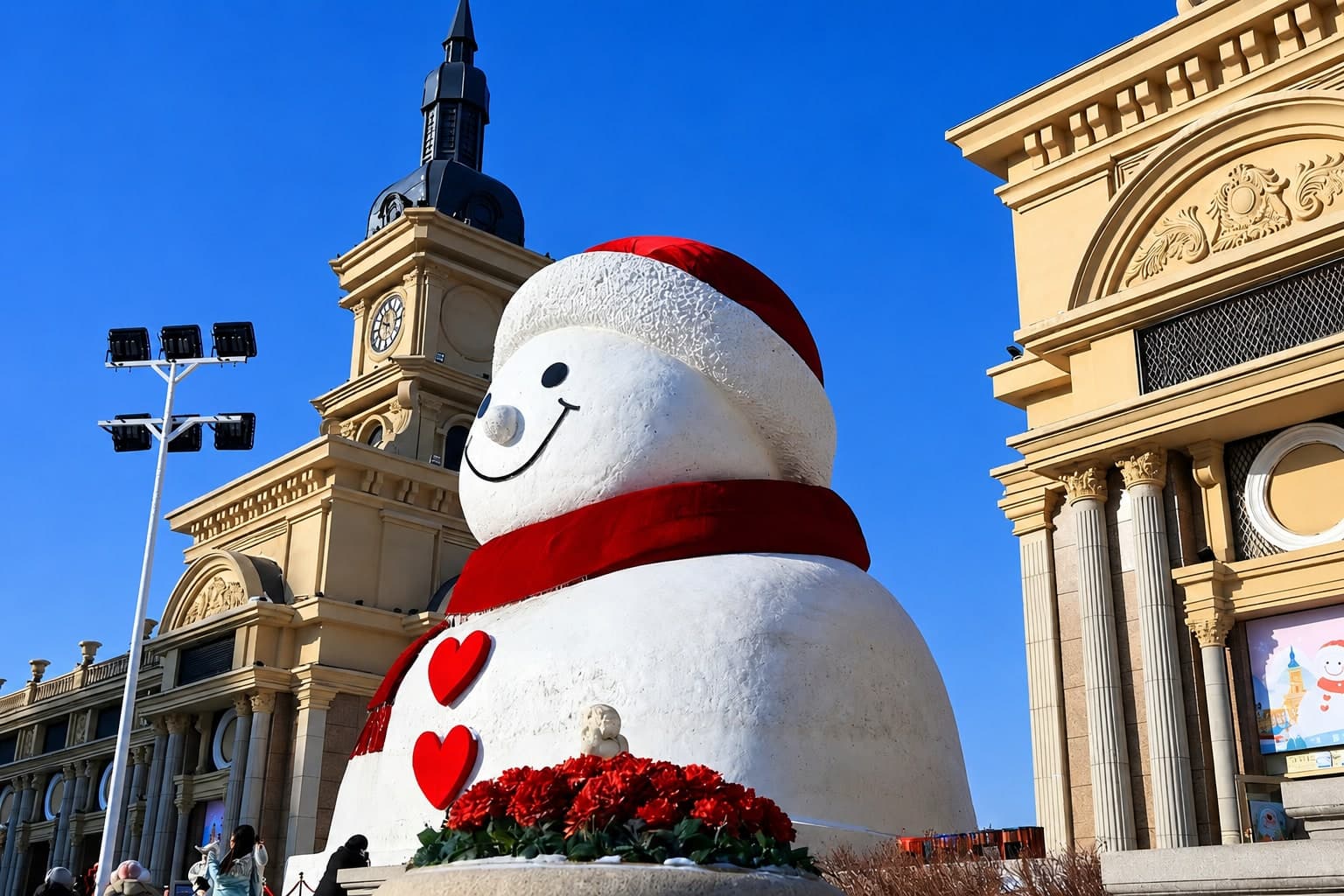
Harbin is what China does with a Siberian winter. Two hours by air from Beijing, in northeast China. For ten weeks each year (Christmas Eve through late February) a city of ice, full-scale buildings, towers, replica monuments, all carved from the Songhua River and lit from inside, is built across the river from the old town. Below minus twenty, often below minus thirty. We run it as a four-night trip with the right gear.

What makes this place ours

Why we run Harbin
deeply.

  • Cold-weather kit included.

    Arctic-rated coats, boots, gloves, hand-warmers for the four days. Most operators leave it to your packing list. At minus thirty, that's a problem.

  • Blue hour at the festival.

    We time Ice and Snow World to the half-hour just after 5 pm, when the sky is deep blue and the ice still has its colour. Day groups arrive at peak LED time.

  • Local guide, nine winters in.

    Same bilingual guide (English & Chinese) every visit. She knows which sections were rebuilt this year and which carvers are the ones to watch.

Signature moments

The ice city,
the river,
the Russian quarter.

Four nights does Harbin honestly. These three anchor it: the festival at the right hour, the river at sunrise, and the old Russian quarter.

Ice sculptures at Harbin Ice and Snow World, blue hour

Ice and Snow World at blue hour

Full-scale ice buildings, towers, replica monuments cut from the Songhua River, lit from inside. The festival opens at noon; the sculptures light at 4 pm. The best half-hour is just after 5 pm in January.

We have you there at the right hour in proper coats, with hot tea ready when you come off the ice.

The frozen Songhua River at sunrise, Harbin

The Songhua River at sunrise

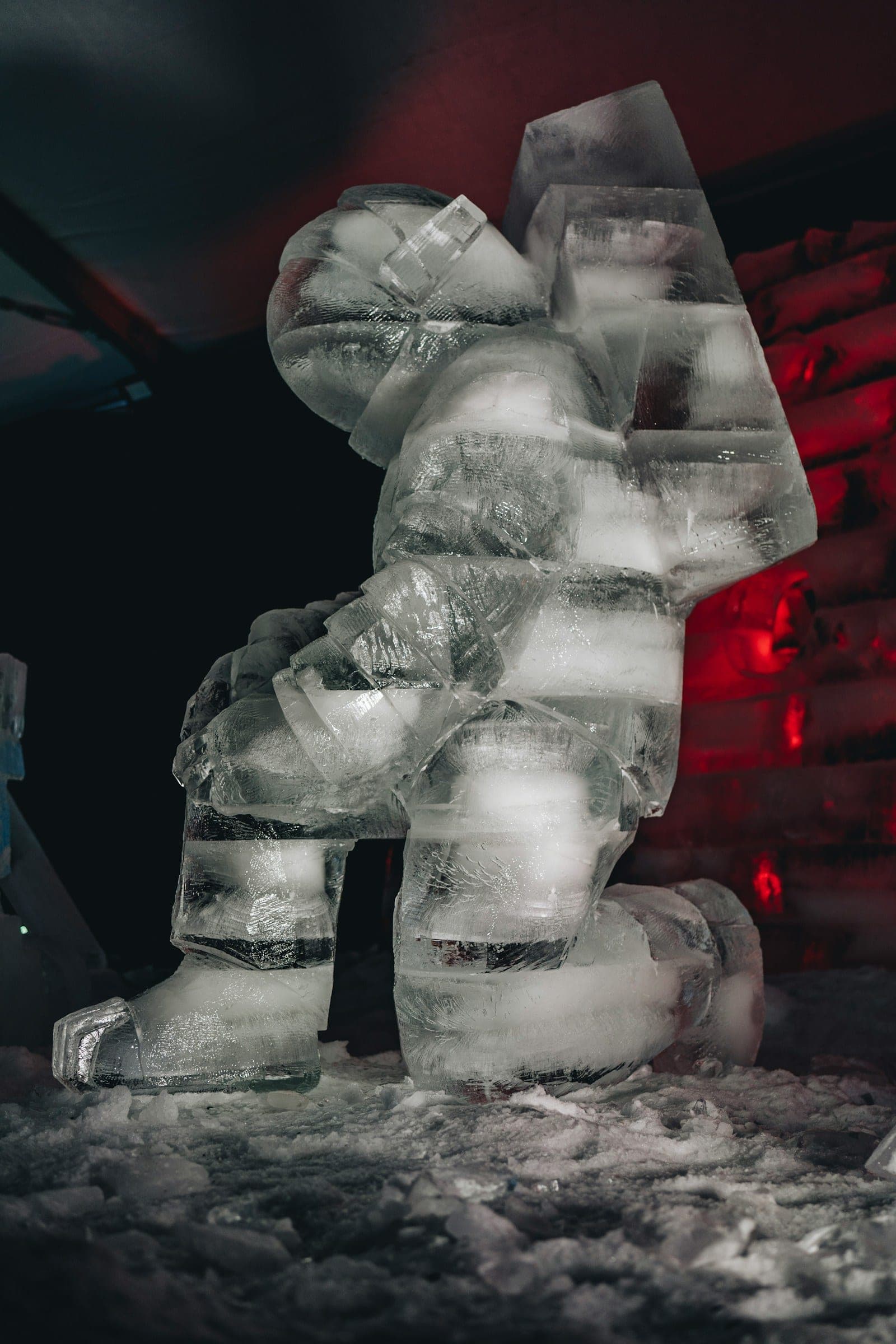
The blocks are cut from the frozen river before dawn. The carvers work the sun-warmed afternoon. At first light, you watch the cut and head to breakfast.

We pace it so you see the carvers on the ice before the day groups land at the festival site.

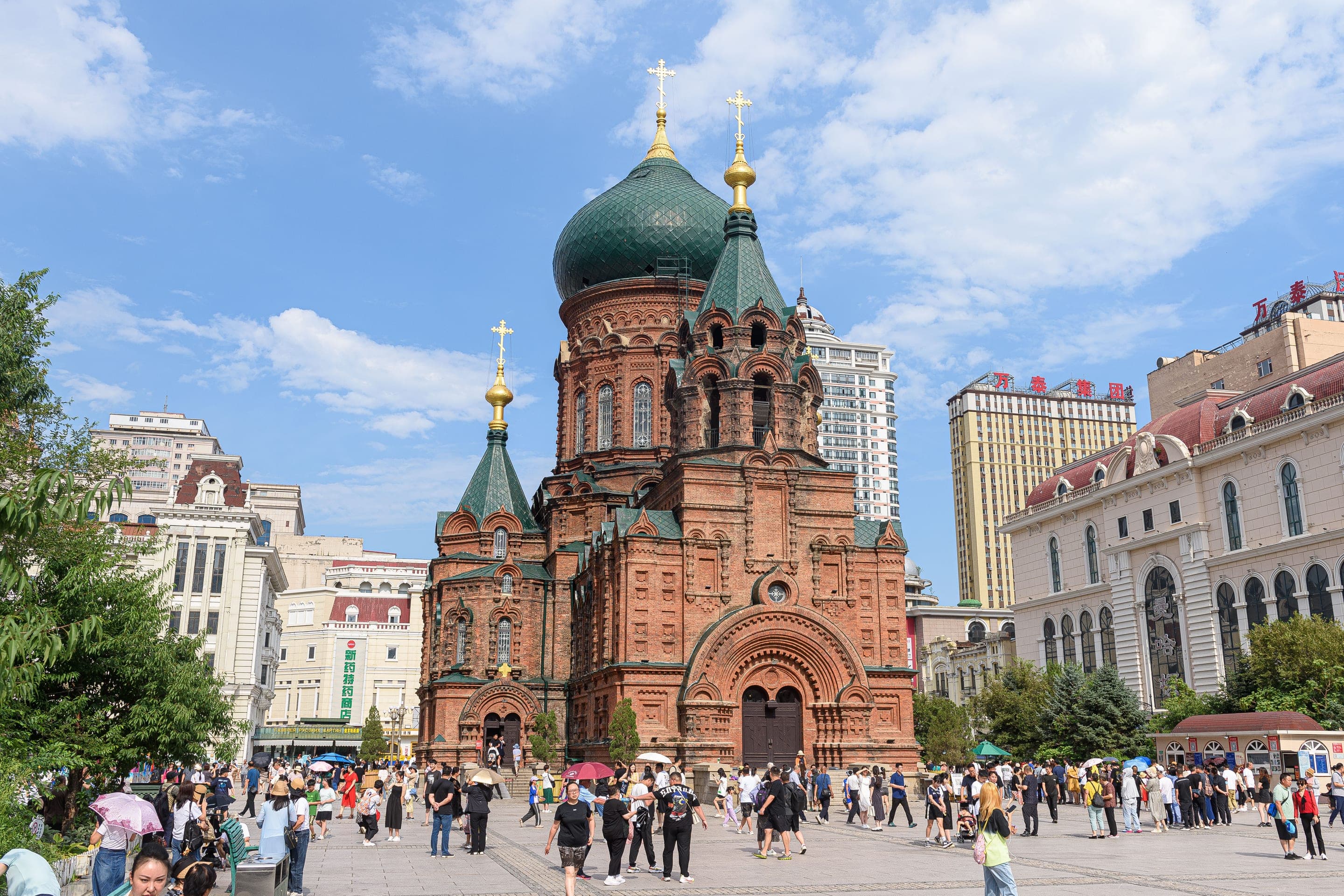
Saint Sophia Cathedral's west facade, Harbin's old Russian quarter

Saint Sophia & the Russian quarter

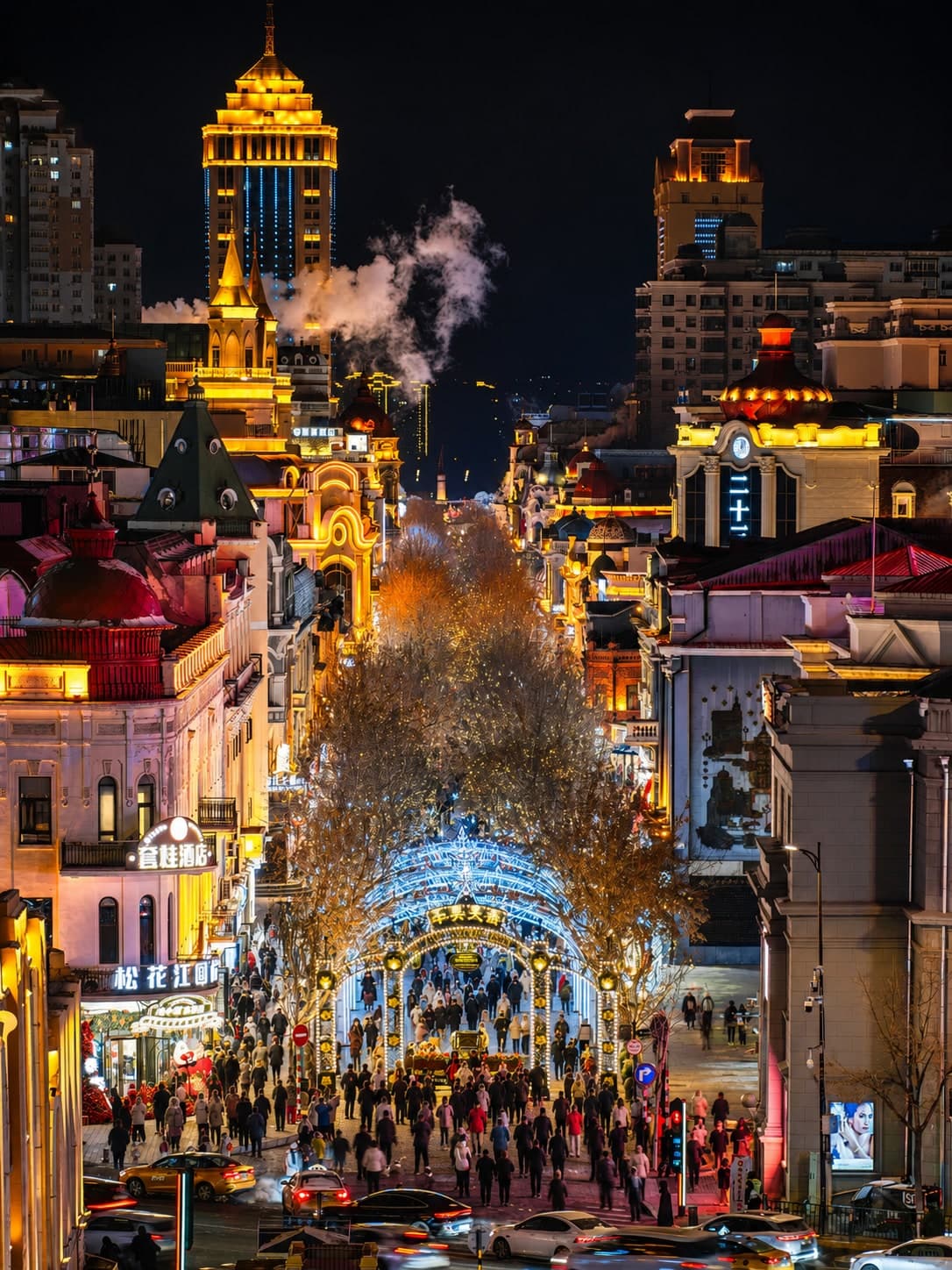
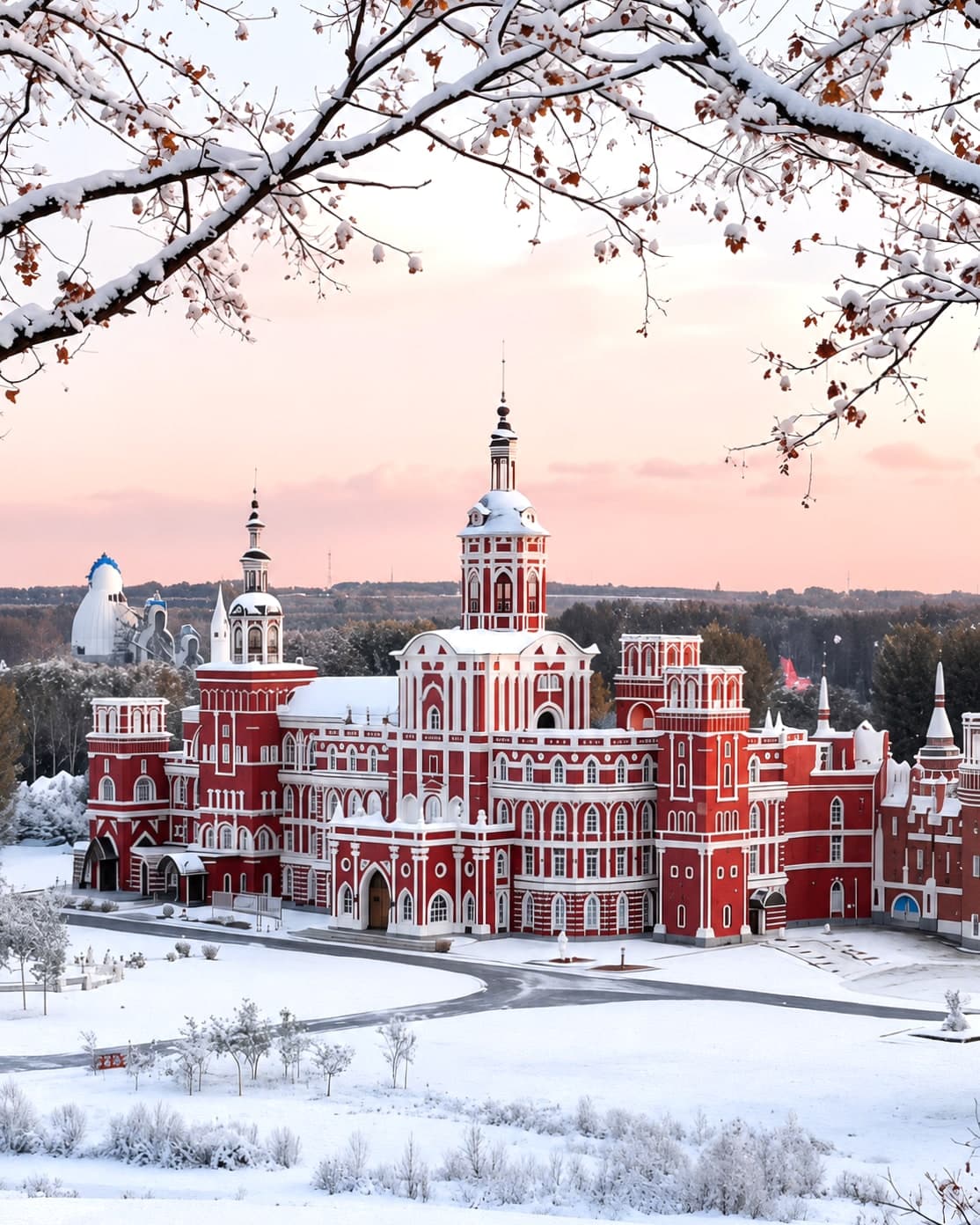
Harbin was a Russian-built railway town in the early twentieth century. Saint Sophia's onion domes and the old Daoliqu district survive. The signature Russian-style red sausage and Harbin beer survive too.

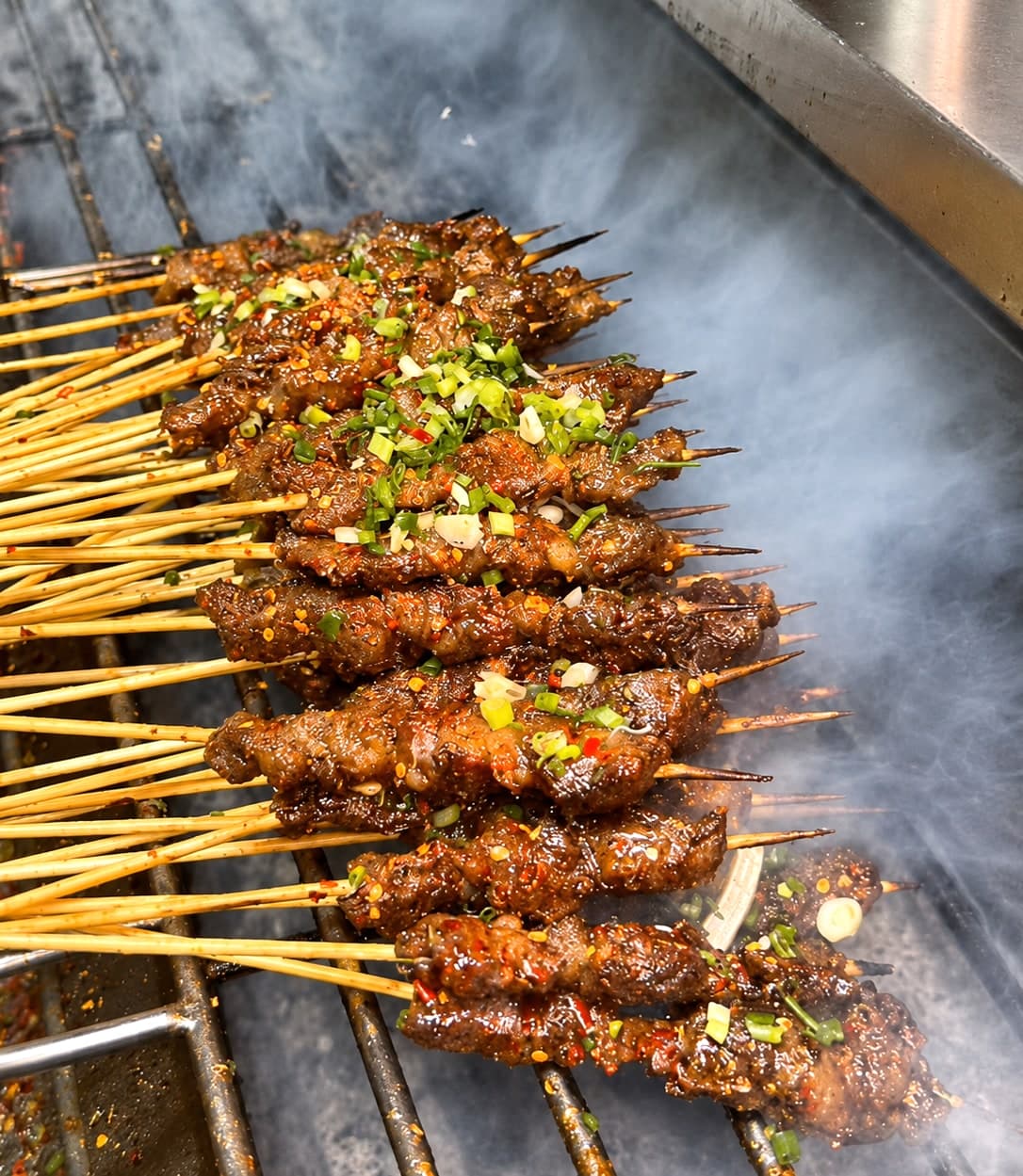
We walk it slowly in proper boots, with a long lunch inside and a stop at the city's named smokehouse for the sausage.

A first day in Harbin

One day,
ice carvers,
Russian quarter, blue hour.

Four nights does Harbin properly. This is the second day, the one that goes from sunrise to blue hour without rushing.

  1. Day 02

    Songhua sunrise to ice festival blue hour.

    Sunrise on the frozen Songhua, watching the carvers cut the next day's blocks. Russian breakfast in an old-town café. Saint Sophia and the Daoliqu walk, with a long lunch inside. Late-afternoon transfer across the river. Ice and Snow World at blue hour, two hours on the ice, hot tea after.

    • The Songhua River at first light, with the carvers on the ice.
    • A long Russian lunch in the Daoliqu old quarter.
    • Ice and Snow World at 5:15 pm, blue hour, before the LEDs overpower the cameras.

Best time

Late December to late February (festival season only)

Days needed

3 to 4 days

Where it sits

Two hours north of Beijing by air

From · per person

US$2,990

Start designing your trip

Your winter China, sketched,
by reply tomorrow.

Tell us your January or February dates and your tolerance for cold. We'll come back with a first-draft route (festival timed to blue hour, kit list confirmed, Beijing leg added if you'd like) and an honest all-inclusive price. No deposit, no obligation.