
Jiuzhaigou
alpine Sichuan, where the lakes hold their colour
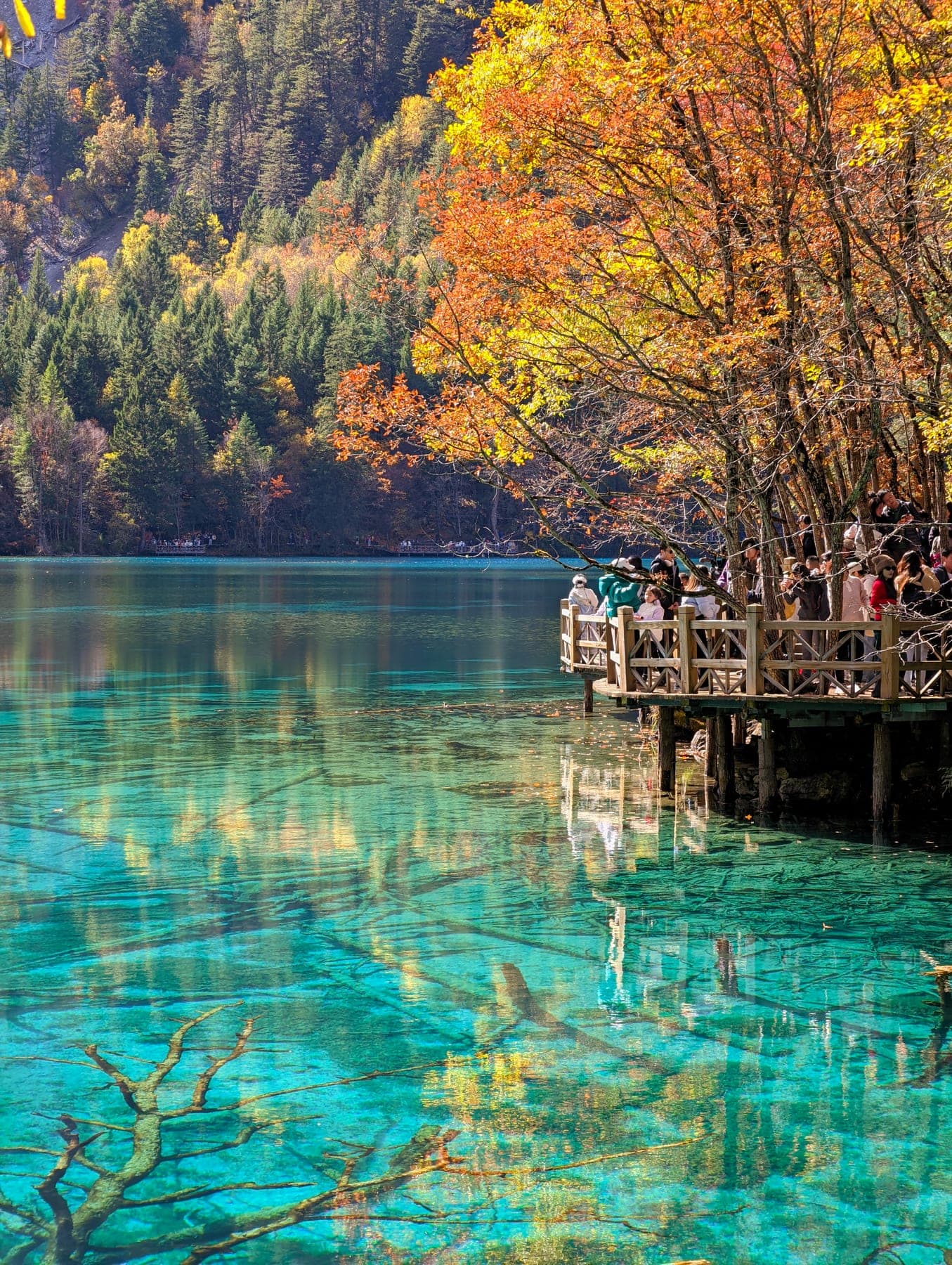
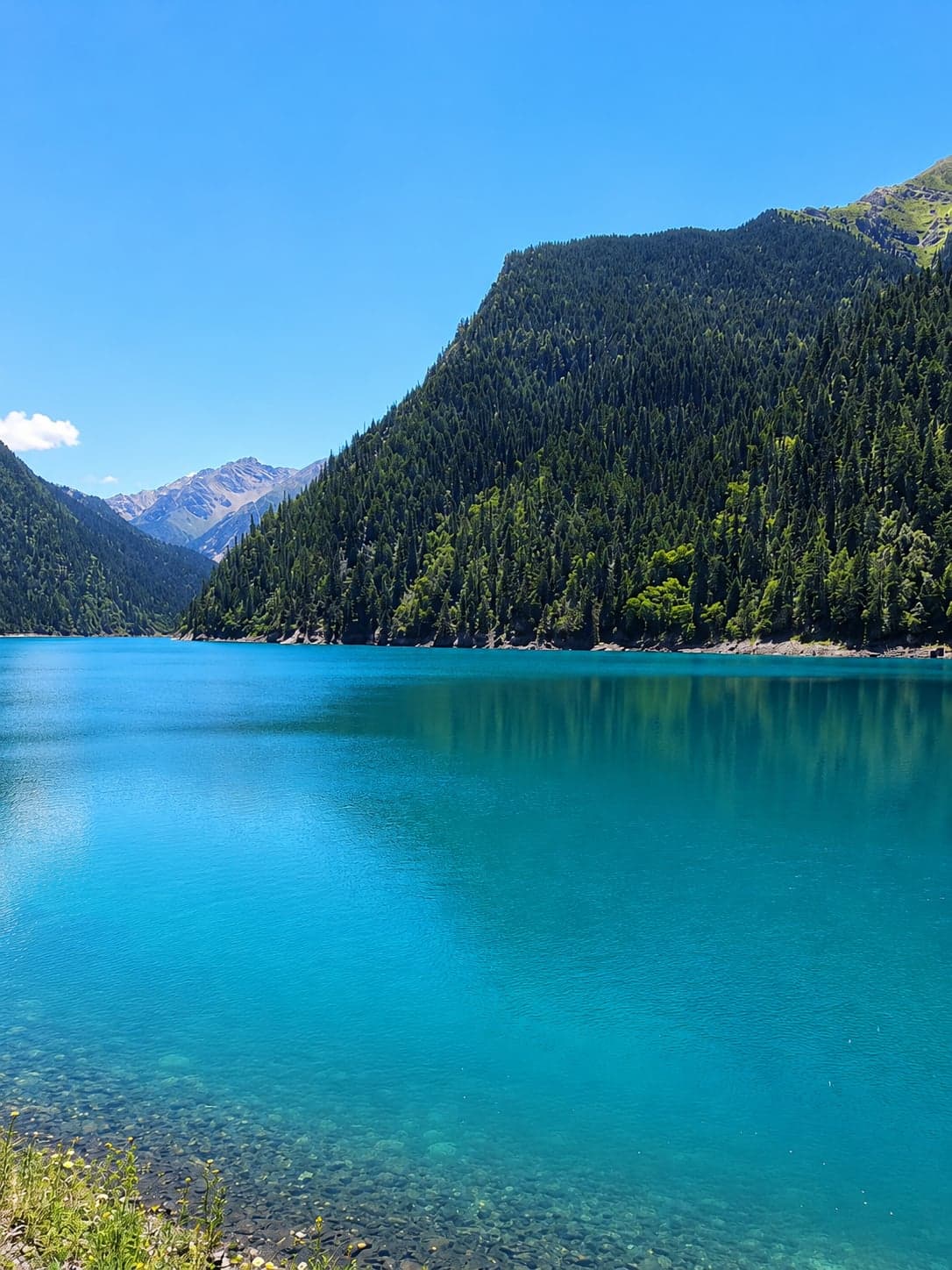
Jiuzhaigou is a Y-shaped alpine valley in northern Sichuan, UNESCO-listed since 1992. Nine Tibetan villages stand on the slopes, with travertine lakes running the floor in turquoise and jade as the day's light moves across them.
Why people
come to Jiuzhaigou.
What to see

Five Flower Lake(Wuhua Hai, the icon of the Rize branch)
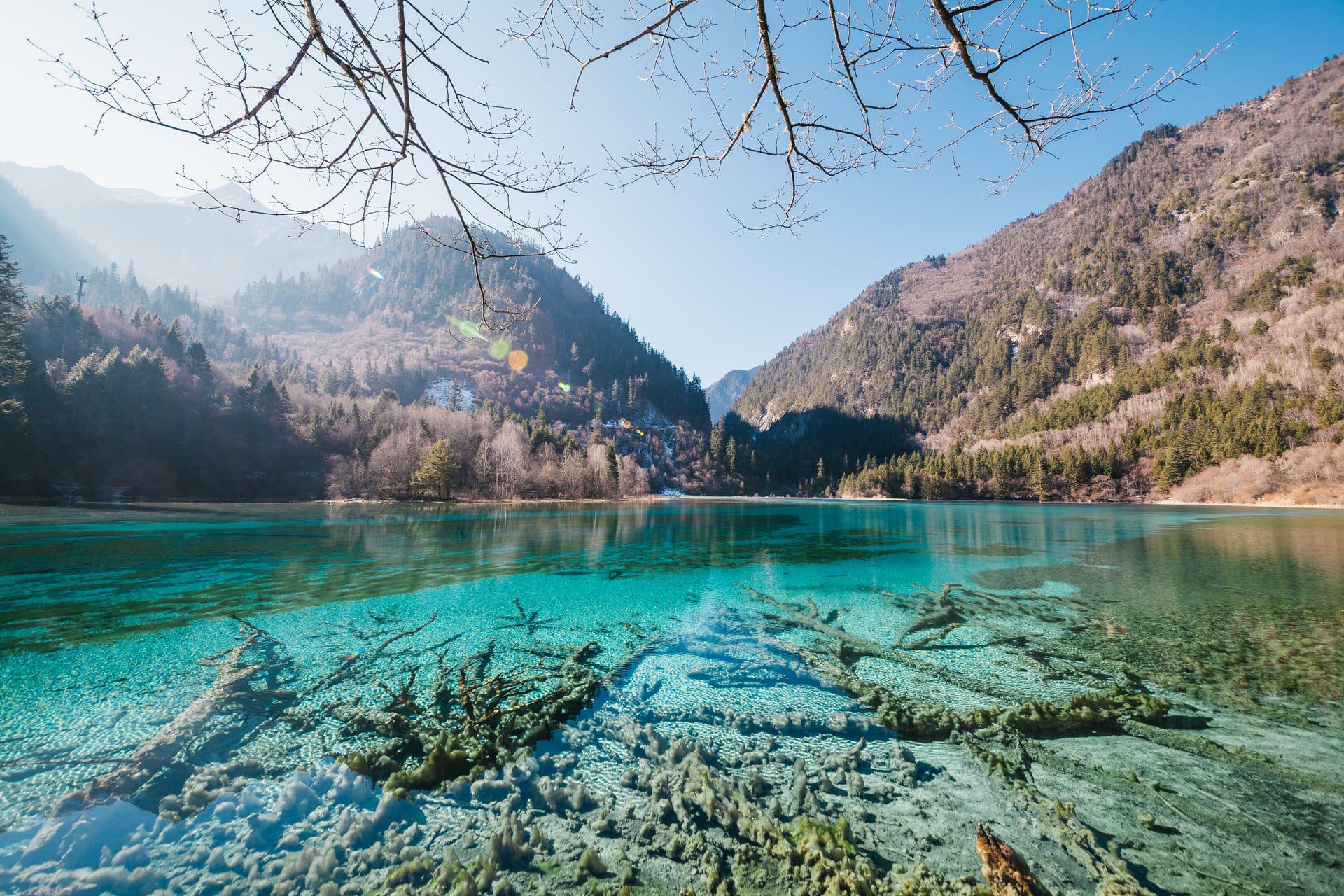
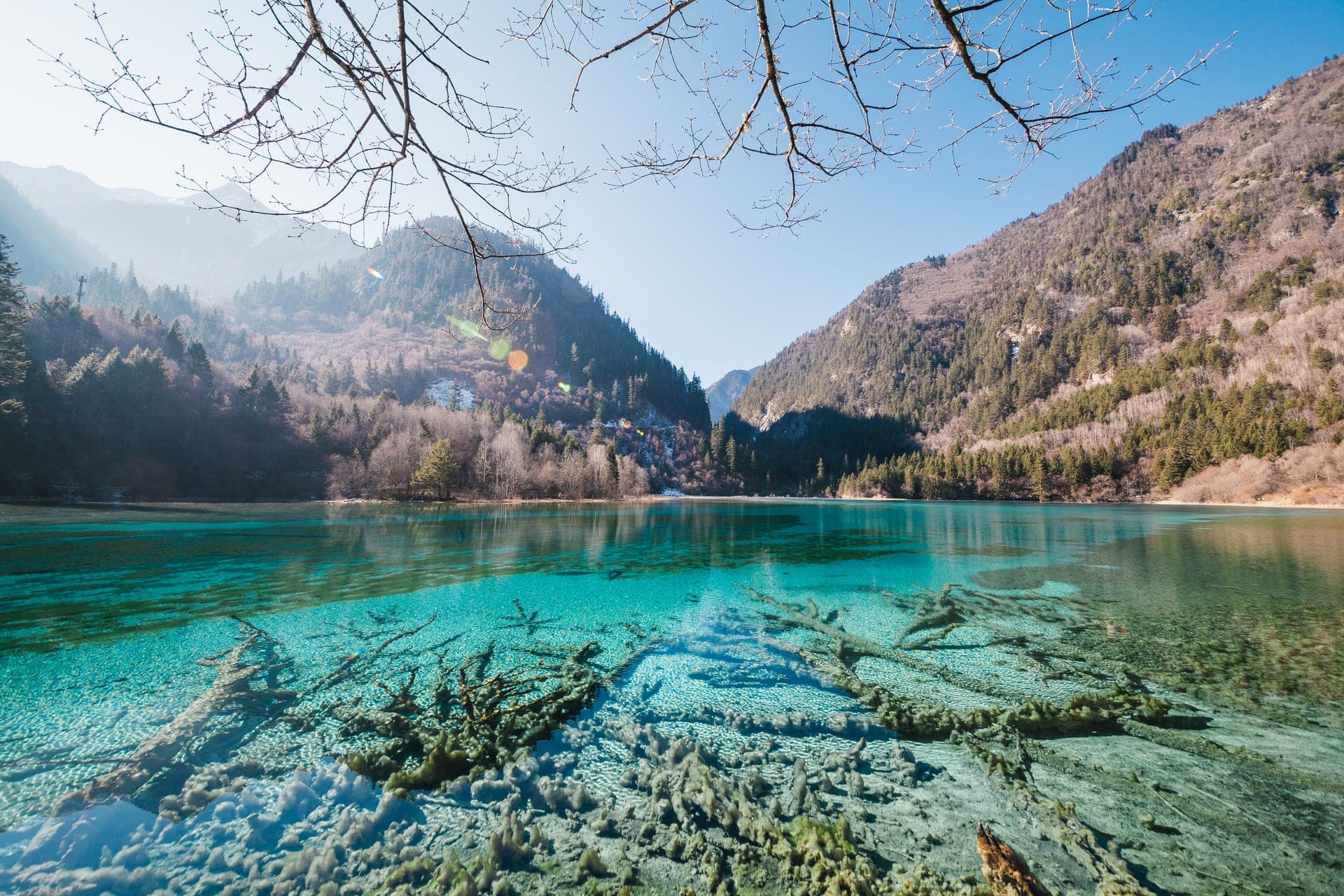
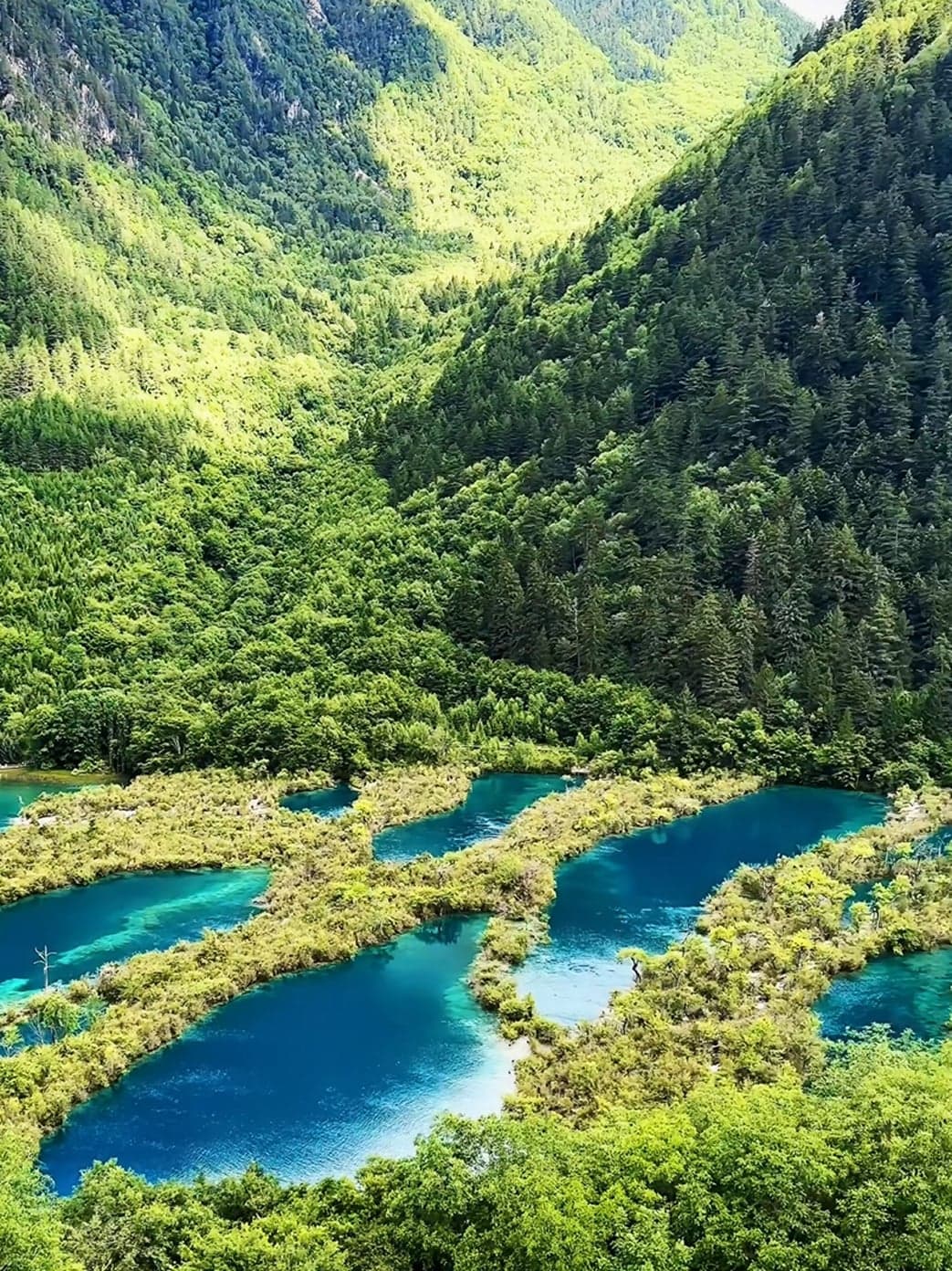
Five Flower Lake is the image most people carry of Jiuzhaigou.
A turquoise pool a hundred metres across, with fallen tree trunks crossed beneath the surface like calligraphy strokes. The colour shifts from emerald in the shallows to sapphire over the deeper end. The water is clear as glass, and the colour comes from calcium carbonate on the lake bed. The boardwalk runs the shore, and a short climb behind the lake gives the overhead view that has carried the place into a thousand photographs. The water is brightest from mid-morning when the light is high. By noon the boardwalk fills with day-trippers, and by mid-afternoon the wind picks up and the mirror is gone.
We get you through the gate as it opens and route you up the Rize branch in reverse, starting at the upper stops while the morning is cool and the boardwalks empty. By the time the day-trippers reach Five Flower Lake, you are already on the climb behind it for the overhead frame, with the water at its brightest. The walk back through the lower stops is unhurried.

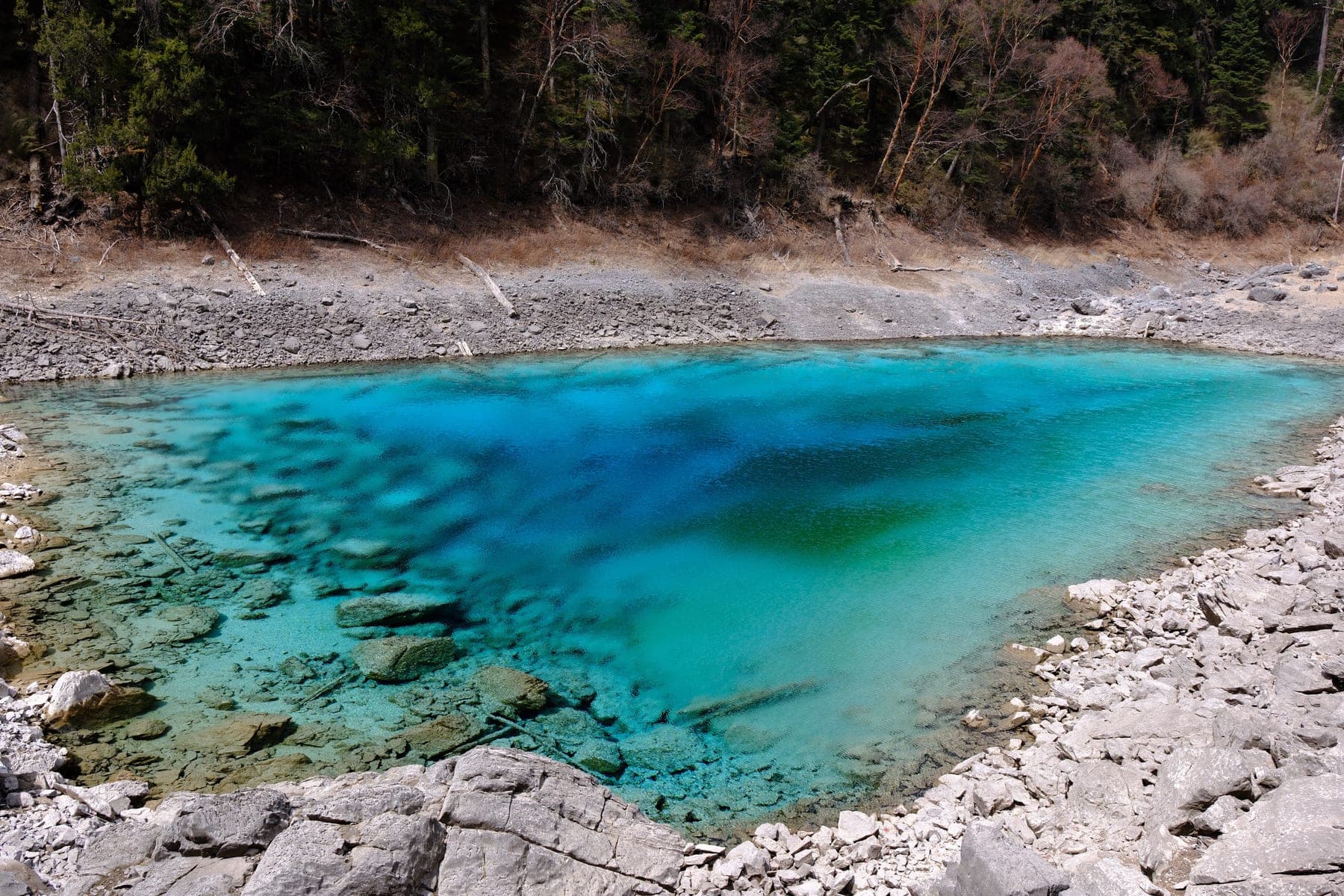
Five Colour Pond(Wucai Chi, the colour basin at the top of the Zechawa branch)
Five Colour Pond sits at the top of the Zechawa branch at roughly three thousand metres.
It is a small carbonate basin where the same minerals that paint Five Flower Lake have settled into a tight palette of jade, emerald, gold and turquoise across one wide pool. The water is as clear as anywhere in the park, and a few minutes' shift in the morning light changes which hue dominates.
We open the day at the top of the Zechawa branch rather than the bottom. Five Colour Pond holds its colour best in the morning's flat plateau light. Your guide carries the Bon and Tibetan-Buddhist stories the locals tell on the path, and the descent stops at the smaller mineral pools the standard route runs past. A flask of hot water travels with us for the altitude.

Nuorilang Falls(the widest travertine fall in China)
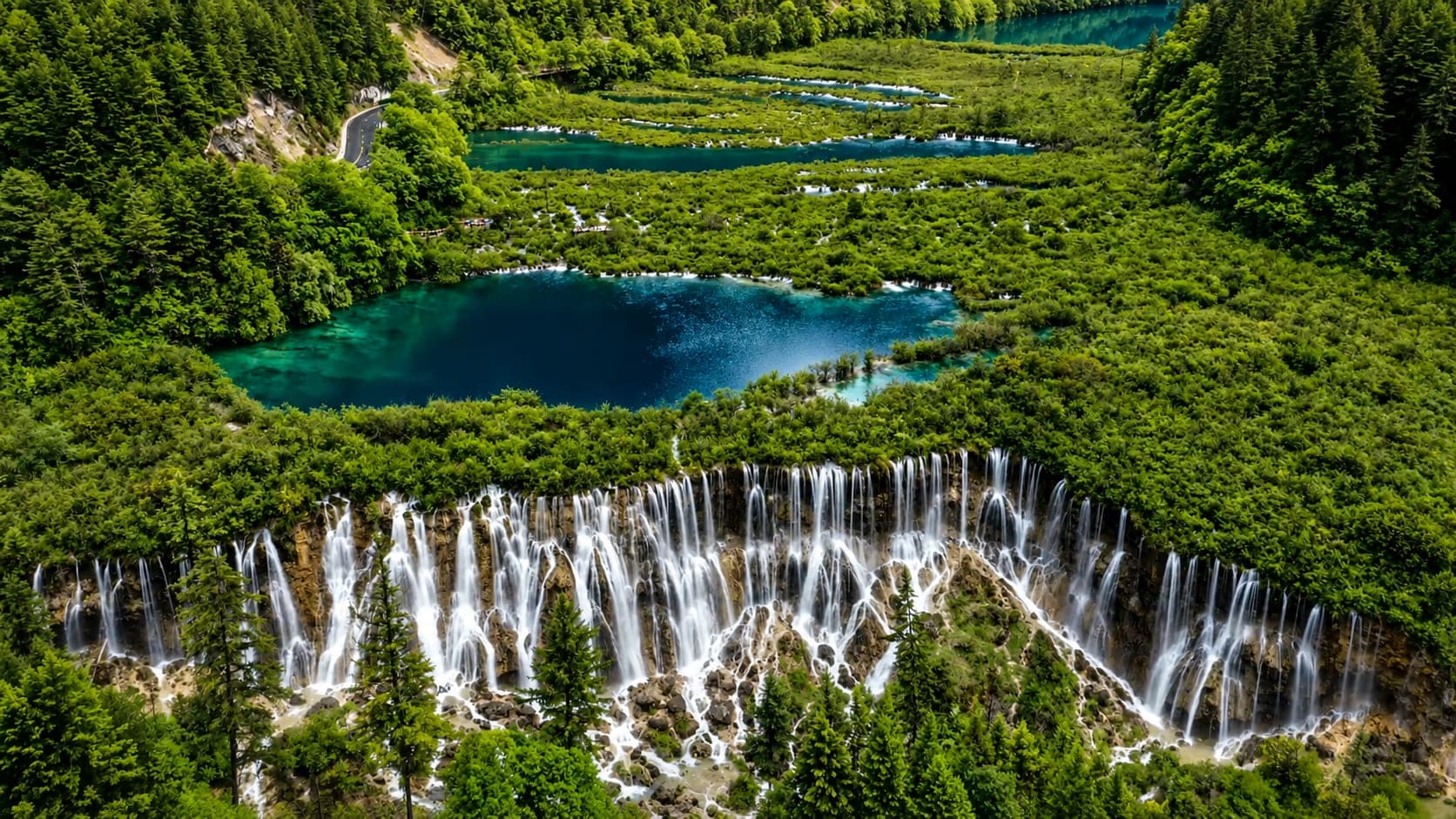
Nuorilang sits at the centre of the Y, where the lower Shuzheng valley meets the two upper branches.
It is the widest travertine waterfall in China, more than three hundred metres across, the curtain stepping down a long calcified shelf into the gorge below. The 2017 earthquake reshaped the falls, and the rebuilt boardwalks now hold both the upper face and the lower lookout, where the spray catches the morning sun and throws rainbows along the lip.
We time the visit for the morning, when the spray off the lower face catches the sun and the rainbow runs the full length of the lip. The boardwalk loop is walked top-to-bottom, which is the order the standard coach itinerary misses. The shuttle hub here is the day's main transfer point, so we cross it once with the morning light rather than three times in a queue.

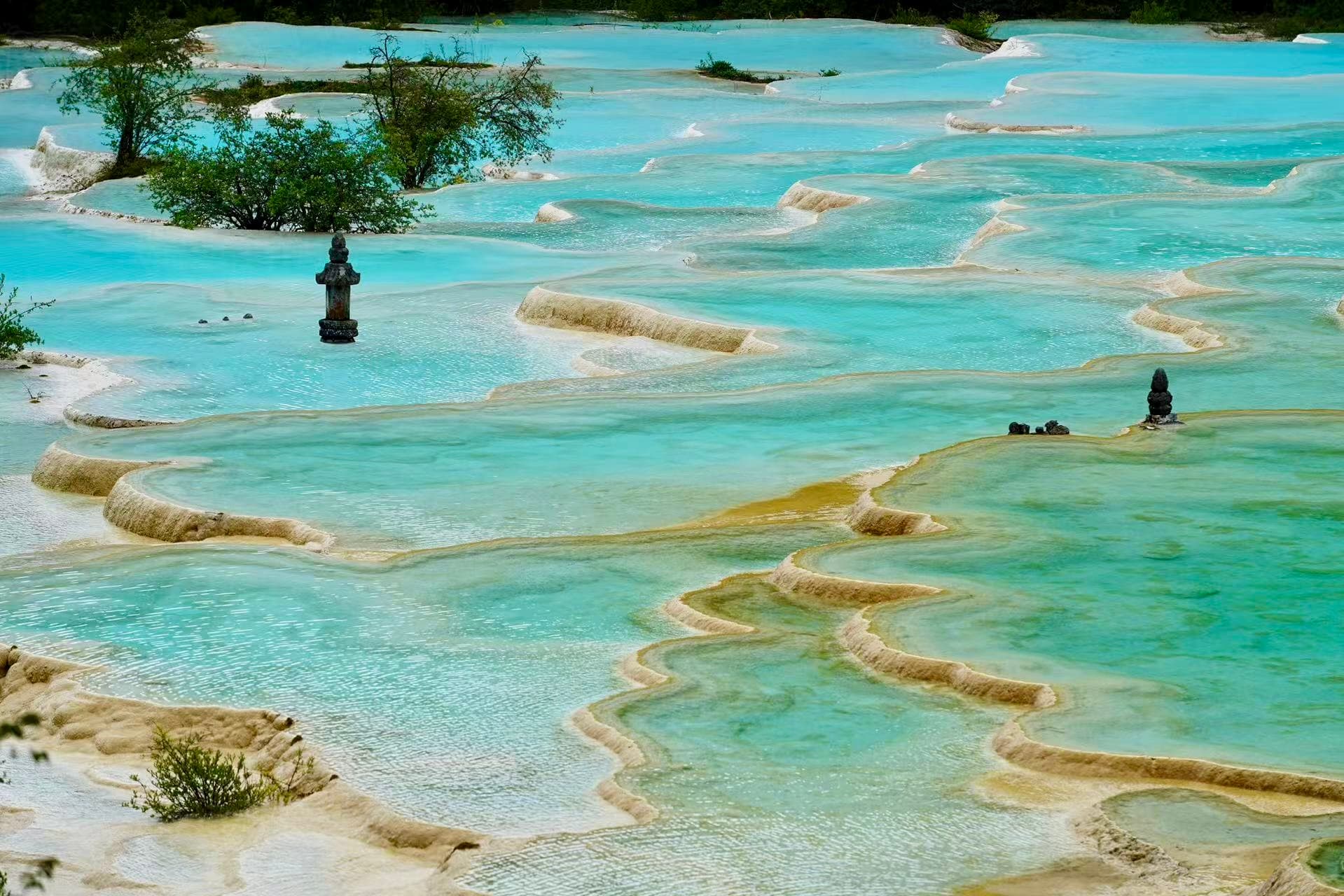
Huanglong(the calcified terraces, UNESCO-paired with Jiuzhaigou in 1992)
Huanglong is the second UNESCO site of northern Sichuan, inscribed in the same 1992 listing as Jiuzhaigou.
It sits two and a half hours by road south of the Jiuzhaigou gate, between three thousand one hundred and three thousand six hundred metres. That puts it higher than most of Jiuzhaigou's lake circuit, in a different landscape entirely. The main valley is a three-and-a-half kilometre walk along a forested ridge. The path steps past calcified pools in jade, gold and turquoise, stacked in terraces down the mountain. The water carries dissolved calcium carbonate from the springs above, and the pool walls have built themselves a millimetre at a time over thousands of years, like a coral reef on land. The headline pool at the top is the largest and most photographed, but the smaller pools along the descent are where the structure is most visible.
We pair Huanglong as a single overnight south of Jiuzhaigou, so the morning at the upper terraces is in the cool light before the coach traffic arrives. The cable car runs the first stretch of climb so the body has its breath at the top. We time the descent for mid-afternoon when the high sun lights the mineral floor. If weather closes the upper terraces, we hold the day for the next morning rather than walk a clouded climb.

Mirror Lake(Jinghai, the dawn reflection)
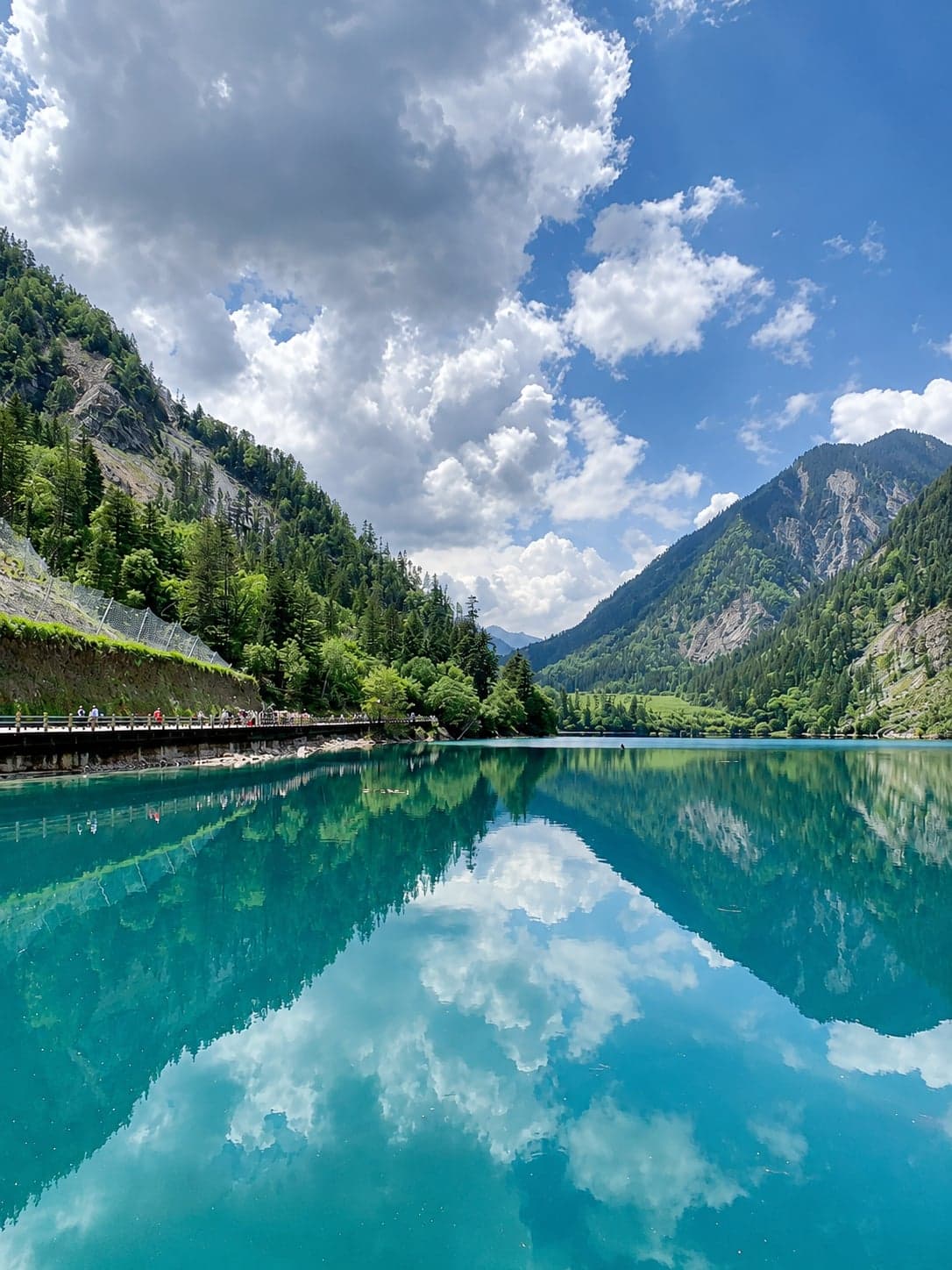
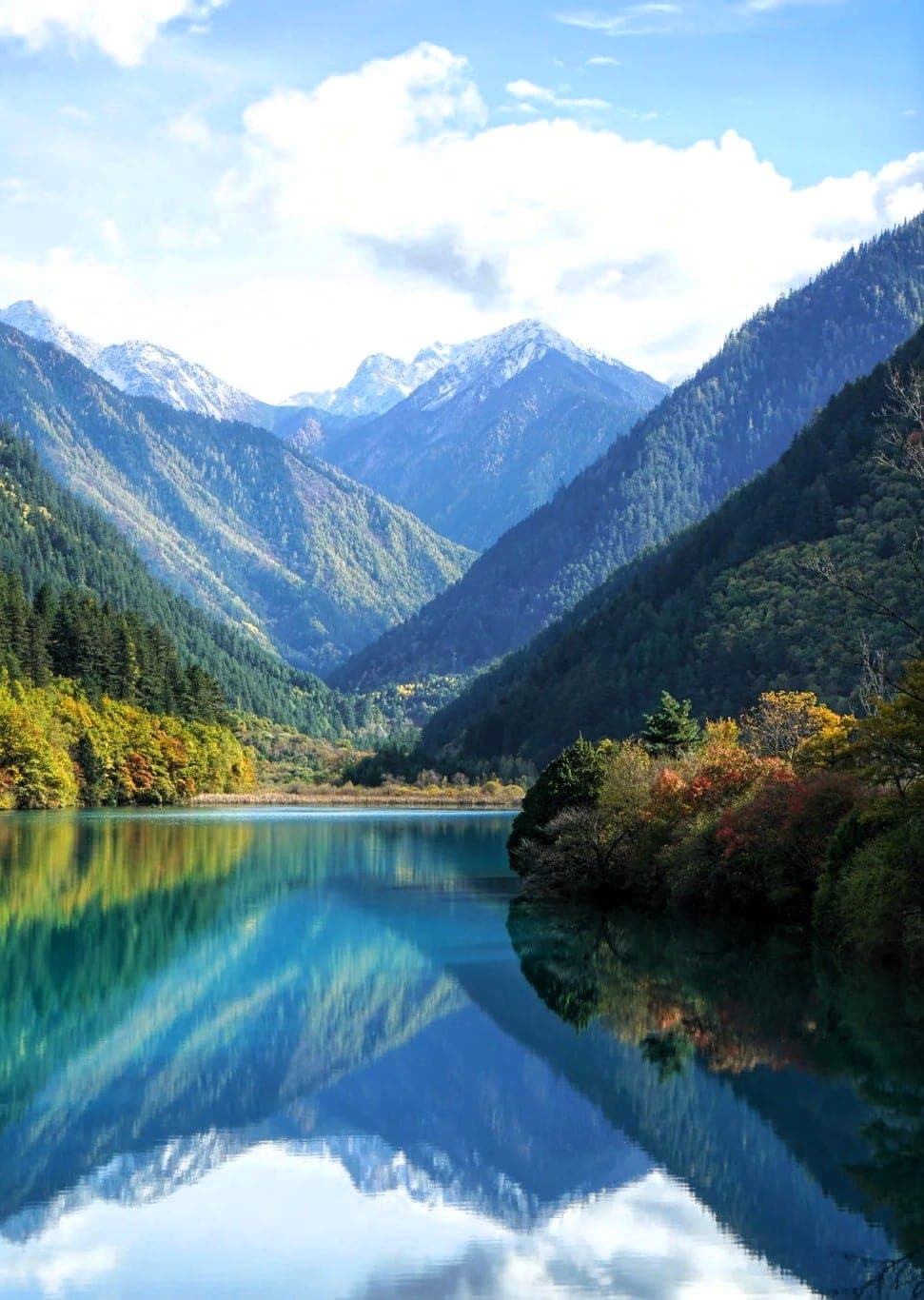
Mirror Lake earns its name in the first hour after the boardwalk opens.
The air sits still over the surface, and the trees on the far bank, the snow peaks behind them and the morning sky all read back from the water like a printed page. By mid-morning the breeze picks up and the mirror is gone for the day. The lake is a long, narrow band along the Rize branch, narrow enough that the reflection runs the full length of the bank.
We schedule the day's first stop at Mirror Lake rather than the photogenic centrepiece higher up, so the reflection lands in the still air before the wind comes. We are through the gate as it opens, not on the first comfortable departure. Your guide carries a flask of hot water for the cool plateau morning. By the time the breeze starts the surface, you are already at the next stop up the branch.

Reed Lake(Lujihai, the gold-reeds lake of the lower Rize)
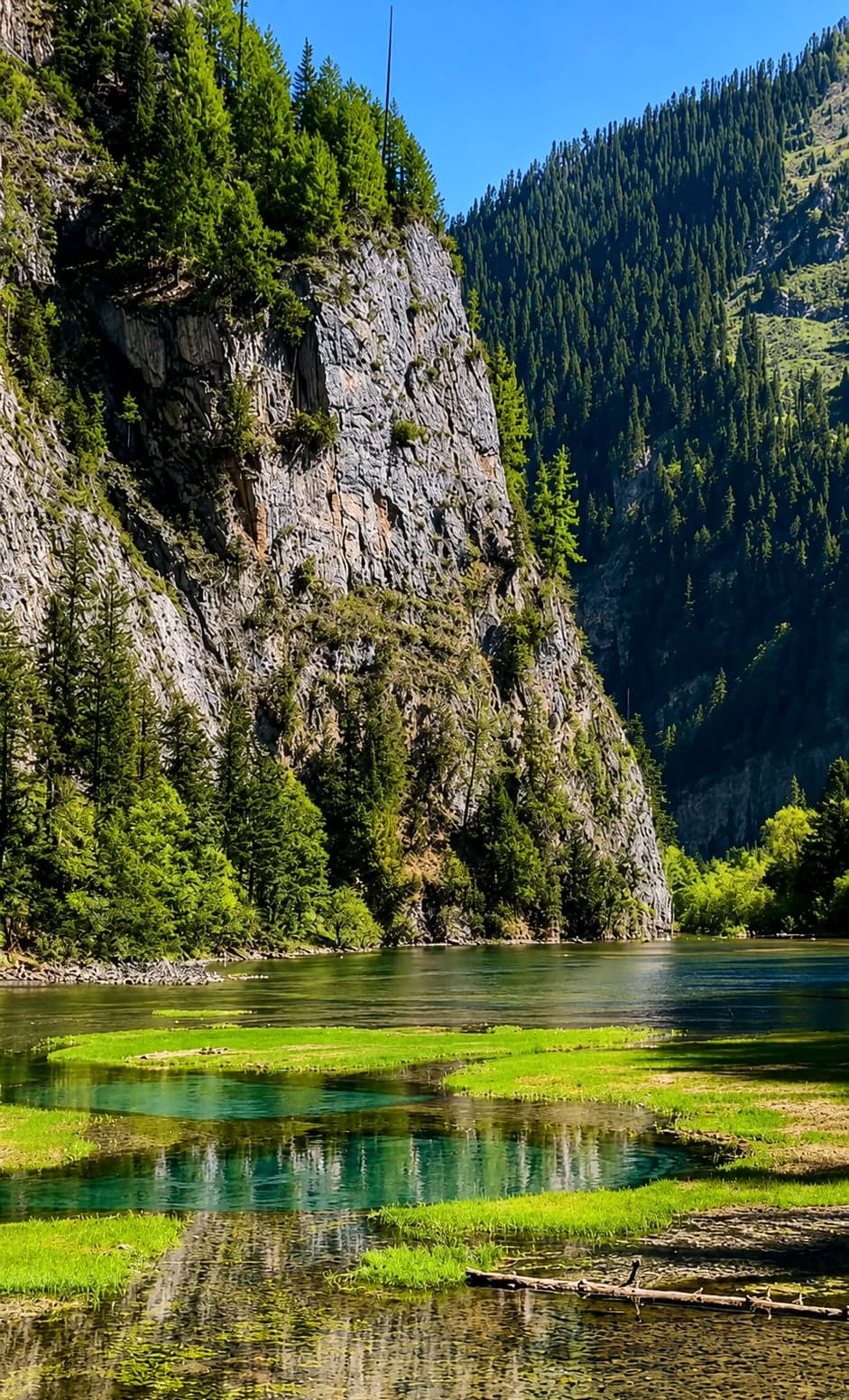
Reed Lake is the only lake in Jiuzhaigou where the reeds carry the colour.
A long shallow band on the lower Rize branch, with thick stands of reed wading through carbonate-blue water. From mid-October to early November the reeds turn copper-gold, and the contrast against the turquoise is stronger here than anywhere else in the park. The boardwalk runs along the water side, with reeds enclosing the path.
We time Reed Lake for the early end of the morning, when the autumn gold reads warmest against the carbonate blue and the roadside pull-off above the lake is still empty. The walking boardwalk along the water side is the one coach groups skip. Your guide takes the slow circuit so the reeds enclose the path rather than the photo angle from the road.
What to eat

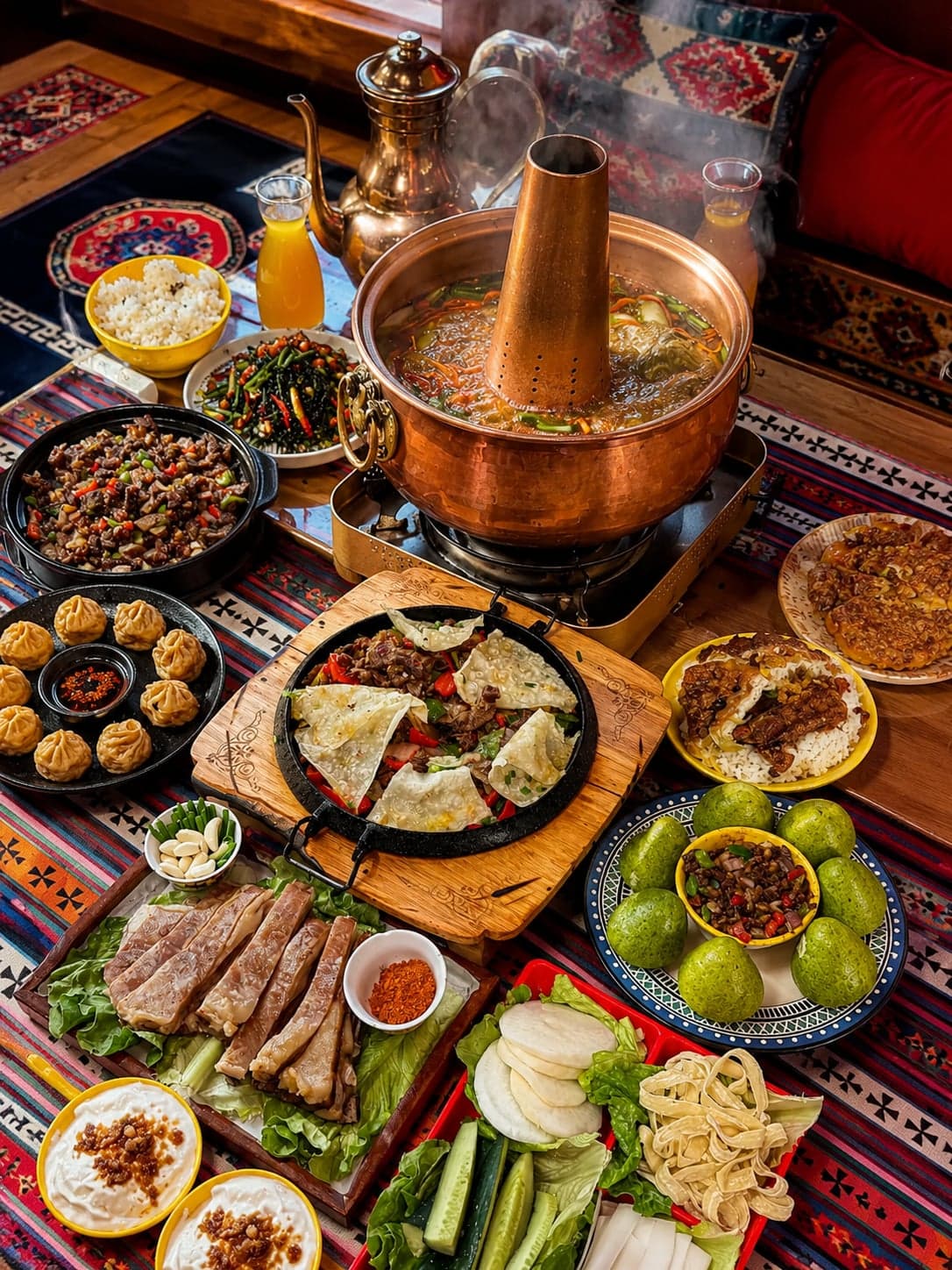
Yak hot pot(yak, the Amdo Tibetan high-protein staple)
Yak is the meat the Amdo Tibetan kitchens of northern Sichuan have cooked with for generations.
The hot-pot version sets a clear broth over the brazier with a handful of dried Sichuan pepper and a few cloves of black cardamom. Yak shoulder, ribs and tripe go in by turn. The flavour is closer to grass-fed beef than to lamb, leaner and a touch gamier, with a clean finish that sits easier at altitude than the chilli-oil pots Chengdu is built around. Barley flatbread mops up the broth at the end.
We sit you at a family-run kitchen in one of the Tibetan villages just outside the park gate, the chef's own pot rather than the visitor-strip version, with the meat cut to order from the morning's deliveries. The broth has been on the simmer since lunchtime, so the spice has had its hours, and the tripe and shoulder arrive in the right order rather than all at once.

Butter tea(the Amdo Tibetan morning plate)
Highland barley grows where wheat will not, and the Amdo Tibetan morning is built around it.
Butter tea is the centrepiece. It is churned from strong black tea, yak butter and a pinch of salt, and the taste lands closer to a warm savoury broth than to anything sweet. It is salty, creamy, slightly nutty from the butter. The flatbread is dense and lightly sweet, brushed with yak butter and cut into wedges. Tsampa, the same roasted-barley flour, gets stirred into the last of the tea and worked into a soft paste with the fingers of one hand.
We arrange the morning at a working kitchen in a Tibetan family's courtyard rather than a tasting bar, so the bread is from the morning's bake and the kettle is the one the family pours from. Your guide demonstrates the tsampa-working technique before you try the first cup, so the second one lands as breakfast rather than as performance.

Highland-barley wine(qingke jiu, the Amdo Tibetan evening drink)
Highland-barley wine is brewed across the Tibetan villages of northern Sichuan from the same grain as the morning bread.
It pours pale gold and low in alcohol, around eight to fifteen per cent. The taste is mild and slightly sour, faintly sweet at the finish, with the soft graininess of the barley underneath. The Amdo Tibetan way is to serve it warm in small bowls around a courtyard fire after dinner, with songs sung between rounds and the host topping bowls before they empty.
We arrange the evening with a family in one of the villages just outside the park gate, the host's own brew rather than the gift-shop bottle, around their own courtyard fire. Songs are not staged. They start when someone feels like singing, and your guide handles the toasting etiquette so the bowls go around at the local pace rather than the visitor one.
What three days
might look like.
- Day 01
Gentle arrival, village quarter.
Most travellers reach Jiuzhaigou by morning flight from Chengdu to Jiuzhai Huanglong Airport, or by the high-speed rail line up to the Huanglong-Jiuzhaigou station. The airport sits at 3,448 metres, higher than most of the park's lakes, so the afternoon is paced for the body rather than the calendar. Check in to the Tibetan-village quarter outside the park gate, take a slow walk along the lower river and the village wheel-wall, and finish the day with butter tea and barley flatbread in a family courtyard. Dinner is yak hot pot at a small kitchen and an early night before the morning's gate call.
- Chengdu morning flight or high-speed rail
- Tibetan-village quarter at the park gate
- Slow river walk and the wheel-wall
- Butter tea and barley flatbread at a family courtyard
- Yak hot pot, early night
- Day 02
Gate at opening, three branches, one long mountain day.
Up at first light to catch the gate as it opens. The day runs the Y of the valley in the order the standard tour misses: up the Zechawa branch first to Long Lake and Five Colour Pond in the morning's flat light, back down through Nuorilang as the rainbow comes to the base of the falls, and along the Rize branch in the early afternoon for Five Flower Lake as the day-trippers leave. Mirror Lake and Reed Lake close the day from the lower branch as the boardwalks empty. Dinner is back in the village with the family kitchen pot.
- Main gate entry
- Long Lake and Five Colour Pond (upper Zechawa)
- Nuorilang Falls
- Five Flower Lake (Rize branch)
- Mirror Lake
- Reed Lake
- Day 03
The terraces of Huanglong, then home.
Drive south to Huanglong for the morning at the upper terraces, with the cable car running the first climb so the body has its breath for the headline pool at the top. The descent works the smaller pools through the mid-afternoon as the high sun lights the mineral floor. A late return to your gate-side hotel or onward to Chengdu in the evening; the route is built around how the weather sits on the upper ridge rather than against the calendar.
- South by road to Huanglong
- Cable car for the first climb
- Headline pool at the top of the walk
- The descent through the smaller pools
- Late return, or onward to Chengdu
Best time
Mid-September to early November · April to early May
Days needed
3 days; 4 with Huanglong as an overnight
Where it sits
One hour by air from Chengdu, or by high-speed rail to the Huanglong-Jiuzhaigou station
Questions worth
answering early.
Three full days is the clean answer for a first visit. One for arrival and altitude wind-down at the Tibetan village quarter outside the gate, with butter tea and a slow river walk. One full day inside the park, through the gate as it opens, working the upper branches before the boardwalks fill. One day south for Huanglong's calcified terraces, the UNESCO pair to Jiuzhaigou inscribed in the same year. Stretch to five if you want a slower morning in the village and an unhurried second day inside the park.
Hand us the dream,
We carry it through.
From your first enquiry to your last airport pickup, our specialists design your trip and stay in contact every step of the way. The guides, drivers and hotels you'll meet are part of our trusted network we've worked with for years, briefed to the same standards.
- Dedicated specialists, start to finish
- Guides briefed to our standards
- Fully transparent, no hidden costs
- No deposit until you confirm
Stretch the trip. Stitch in another.

Chengdu
The southern gateway. One hour by air, or up the high-speed rail line; the sea-level rest before and after the alpine days.
Read this destination
Xi'an
North-south balance. Tang-dynasty courts and the Sichuan alpine, two short flights apart.
Read this destination
Lhasa
The higher continuation. Jiuzhaigou as the staging for the plateau, with Chengdu a soft landing in between.
Read this destination
The Yangtze
South down the river. From the Sichuan alpine to Chongqing, then downstream through the gorges.
Read this destination
Useful before
you enquire.

China tourist visa for US travellers
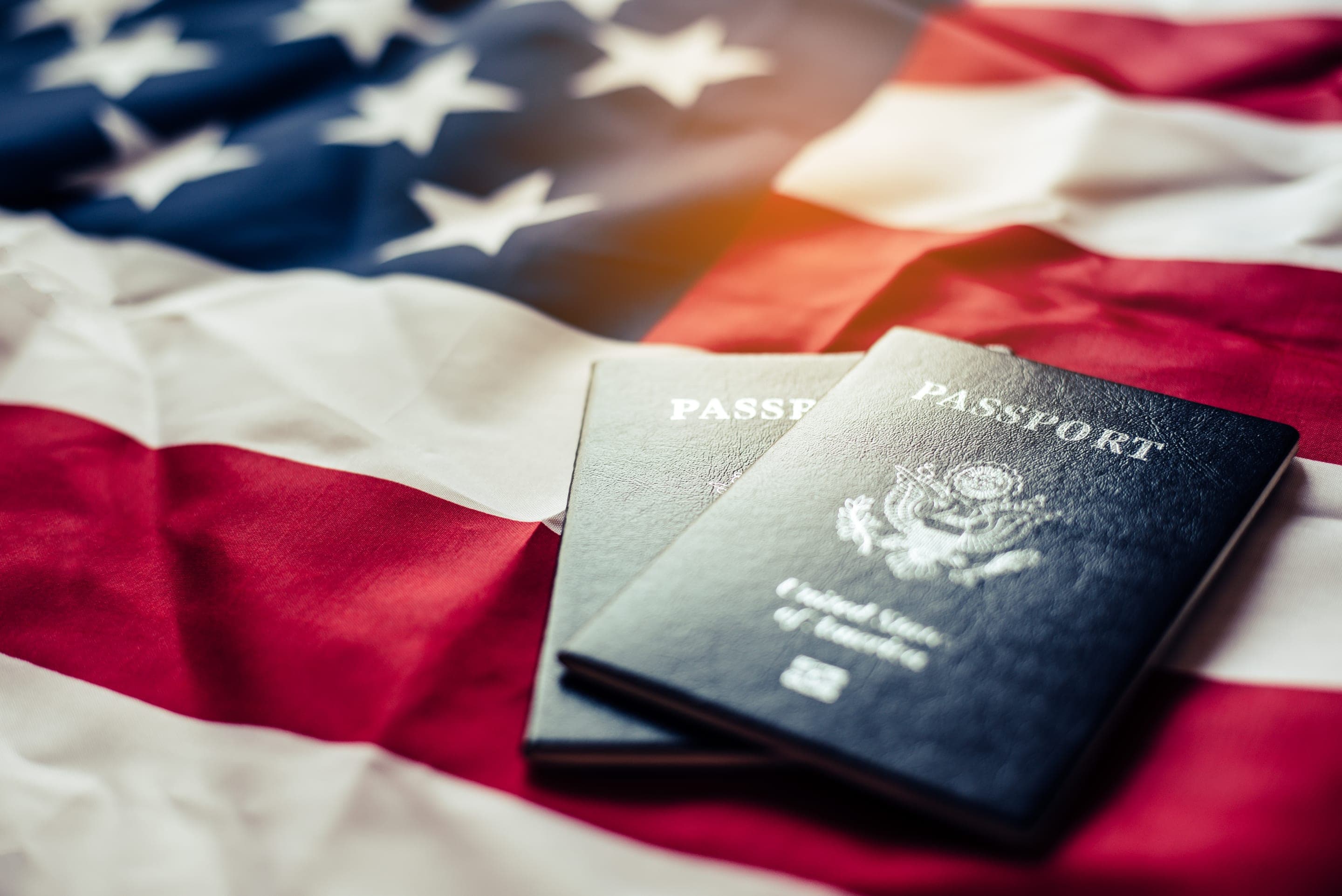
American passports still need a tourist visa for China under current rules. How the L-visa works, what we handle as part of your booking, and what is on you.
Read this guide
When to visit China, month by month
Jiuzhaigou's autumn window runs mid-October to early November. The whole year for the country, read by climate and crowd.
Read this guide
Health, safety and accessibility
Altitude protocols, food safety, road days and medical planning, written plainly before the route is shaped.
Read this guide
Payments and connectivity in China
Set up Alipay or WeChat Pay before you fly. Cards work widely after binding, but limits and small merchants need planning.
Read this guide
How our pricing works
What sits inside the figure on your quote, and what sits outside it. The structure, written out.
Read this guide

Jack Guo
Senior Travel Specialist
Jack has spent ten years working with the guides, drivers and hoteliers across China. He'll be your contact from first enquiry to final airport pickup.
Tell us about your Jiuzhaigou trip
Five quick questions. We'll send you a Jiuzhaigou-anchored draft with the price within one business day. No deposit. No hard-sell.