

China visa-free for Australians: what's actually changed in 2026
·Updated
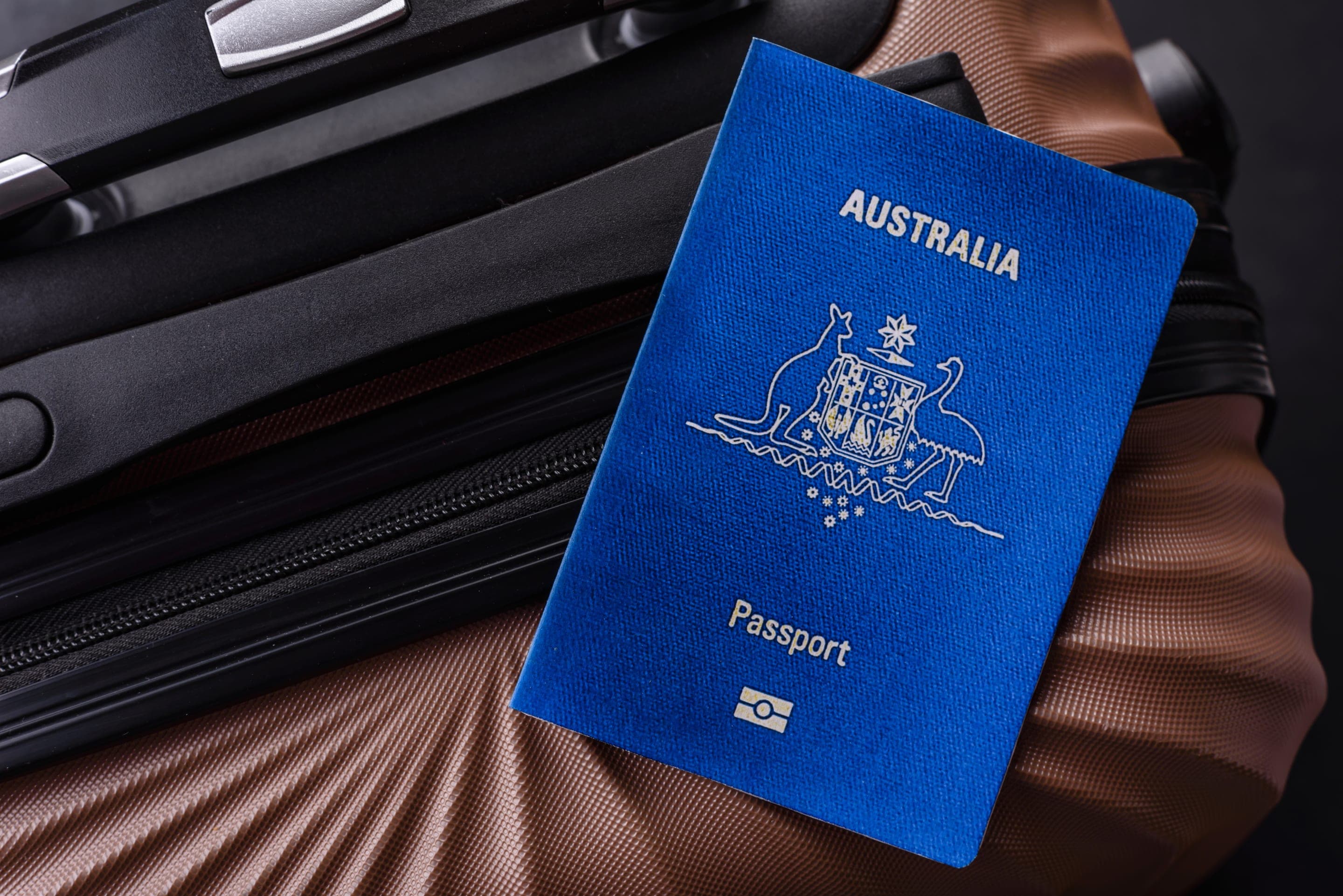
For decades, a trip to China started with a visa appointment. Since 1 July 2024, ordinary Australian passports have not needed one for short visits. The scheme is confirmed through 31 December 2026 and Australia remains on the official visa-free list. Here is what it actually means for planning a trip.
What the scheme actually does
You arrive at a Chinese immigration desk with an ordinary Australian passport and a clear travel purpose. The officer may admit you for up to 30 days. There is no e-visa form to complete before flying, no embassy queue, no fee. Compared with the pre-2024 system, when many travellers paid for a single-entry visa and waited for processing, the simplification is genuine.
The scheme covers mainland China only. Hong Kong and Macau have always been visa-free for Australians, and they remain on their own separate policies.
Sources: NIA visa-free country list · Smartraveller China advice
The edges worth knowing about
Re-entries reset the counter
If you leave the mainland (for example, on a side trip to Hong Kong, Vietnam, or Japan) and come back, you receive a fresh 30 days on re-entry. This makes itineraries that stitch together mainland China with a regional neighbour easier to design than they used to be.
"Up to 30 days" is the ceiling, not a guarantee
Border officers still make the final call. They can ask questions or refuse entry if something looks off: a vague onward ticket, an unusual entry route, or a purpose outside the visa-free categories. In practice this is rare for ordinary tourist travel. We still recommend arriving with a clearly readable plan: return or onward flight on file, accommodation for the first night, and a phone number that works on arrival.
Business visits sit on a fine line
The scheme officially covers tourism, family and friend visits, exchange visits, transit, and short business visits. It does not cover paid work, journalism with credentials, or longer study. If you are flying in to attend a conference and shake hands, you may be inside the scheme. If you are flying in to install equipment, train staff for a week, or report on a story, you are outside it and a regular visa is still the right path.
What it means for trip design
The practical effect on a tailor-made trip is two things. First, the planning window shortens. There is no visa lead time to plan around, so a decision made in May can become a trip in June. Second, multi-country routes get easier. Xi'an plus a stop in Hong Kong, or a Yangtze cruise with a few days in Tokyo, no longer means new visa paperwork at every leg.
The most useful thing the new policy changes is which trips become possible. Trips that would have been ruled out by a visa lead time, like short notice family visits or a long weekend tagged onto a Hong Kong trip, are now back on the table.
It does not, however, change anything about how a good trip in China is arranged on the ground. The harder questions are unchanged: which region in which season, where to base each leg, how to set up Alipay and WeChat Pay before you land. We wrote a separate guide on the payments side; see payments and connectivity in China for that one.
Travelling on a different passport? The full China visa guide covers all 51 visa-free countries, the 240-hour transit rule, and who still needs a visa.
Before you go
Three small things to do in the week before you fly.
- Make sure your ordinary Australian passport is valid for the whole stay. We still prefer a six-month buffer because airlines, transit points, and sudden itinerary changes can be less forgiving than the headline rule.
- Take a screenshot of your return or onward flight on your phone. Border officers occasionally ask to see it.
- If you are connecting through Hong Kong, remember that Hong Kong and mainland China are separate immigration jurisdictions. A flight from Sydney to Hong Kong does not pre-clear you for the mainland; you will go through Chinese immigration again on the mainland-side flight.
That is the scheme in full, as last verified on 4 July 2026. For when to go, how long to stay, and what a properly designed trip looks like, the rest of our travel guides carry the longer answers.
Sources
- National Immigration Administration of the PRC: List of Countries Covered by Unilateral Visa Exemption. Verified 2026-07-04.
- Ministry of Foreign Affairs of the PRC: Visa waiver policy notice, 15 February 2026. Verified 2026-07-04.
- Embassy of the PRC in Australia: Consular and visa information. Verified 2026-07-04.
- Smartraveller (Australian DFAT): China travel advice. Verified 2026-07-01.
Frequently asked questions
For ordinary Australian passport holders travelling for an approved short-visit purpose, no advance visa application is required. Border officers still make the final entry decision.
Related reading
Best time to visit China
The right month depends on which regions you're heading to, and which you're saving for next time.
How many days do you need in Xi'an?
Two days is functional. Three is the right answer. We explain what the third day buys you.
What day one in China actually looks like
Airport, train station, your driver, the SIM card. The first 24 hours, paced down so nothing on day one is a guess.
Where to go now the visa wall is gone
Starting points across China, all designed around the same private-trip standard. The visa change makes shorter, more spontaneous trips practical.
If this is the kind of trip you're imagining, let's design yours.