

Payments and connectivity in China: what works in 2026
·Updated
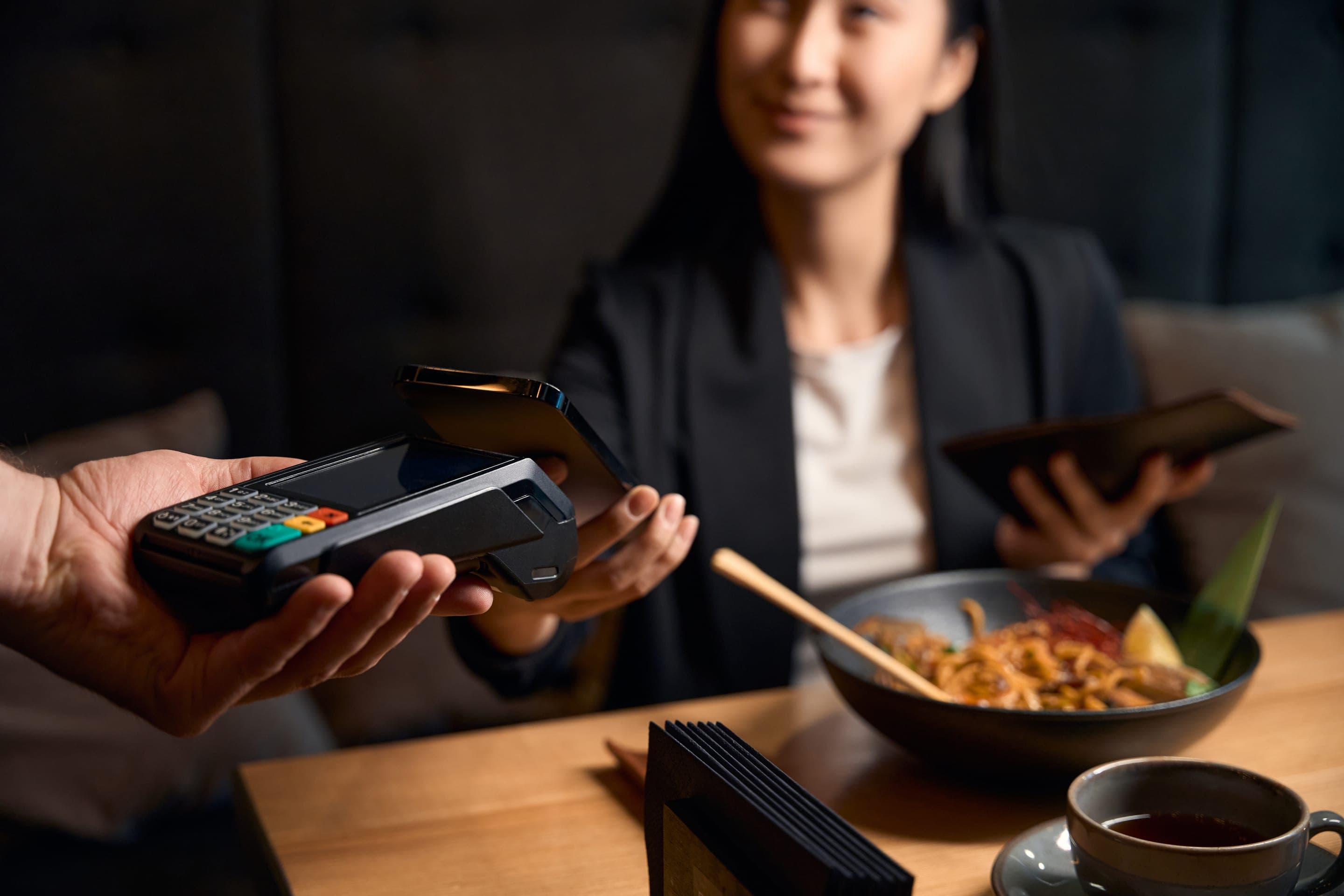
Most pre-2024 advice on paying for things and getting online in China is now wrong. Alipay and WeChat Pay both accept Visa and Mastercard inside their apps. eSIM activation works on major overseas carriers without a Chinese ID. The practical playbook has settled, and this page is what we currently brief travellers on before they fly.
Alipay and WeChat Pay for foreign cards
The biggest practical change. Both apps run a "Tour Pass" flow that accepts a Visa or Mastercard issued outside China, with per-transaction caps in the low hundreds to low thousands and monthly caps a few multiples of that. That is more than enough for a two-week trip including meals, taxis, museum tickets, and souvenirs. Your enquiry consultant will confirm the current caps in the currency you switch the site to before you fly.
Install both apps before you fly. The download path on the Chinese mainland is slower and occasionally requires a fresh account. iPhones and Android phones issued outside China both run the apps without modification.
Inside the app, scan-to-pay is the universal pattern. You hold your phone, the vendor scans your QR. Both apps display a recent transactions list in English. There is no language barrier in normal use.
Cards, cash, and where they still matter
Credit cards work at international-brand hotels, at the airport, and at a small number of high-end restaurants that cater to overseas guests. Outside that, foreign cards are not the default rail. Use the apps.
Cash still works everywhere we use, including small market stalls and noodle shops. Carry RMB 1,000-2,000 in cash for the first day in case an app payment fails (which it occasionally does on the first scan as the apps verify your identity).
ATMs accept overseas cards at major bank branches. Bank of China, ICBC, and China Construction Bank are the three we recommend. Withdrawal fees apply on both sides of the transaction; check your card's overseas withdrawal terms before flying.
Getting online: eSIMs, VPNs, and the WeChat wall
The eSIM path is the easiest one. Most major carriers in Australia, the UK, the US, Canada, New Zealand and the EU support overseas eSIM activation for China; the AU carriers we brief most often are Telstra, Optus, and Vodafone, and the equivalent tier from your home country typically behaves the same way. You arrive, switch the eSIM on, and have a working Chinese mobile data connection within minutes. Data plans typically run the equivalent of a modest daily café spend depending on volume.
A VPN is still useful, but the situation is more nuanced than the simple "install a VPN to access Google" advice from a decade ago. Travellers on an overseas eSIM are routed through international gateways, which means many sites that would be blocked on a Chinese SIM remain accessible. The VPN is the backstop if you switch to a local SIM mid-trip.
We recommend installing one trusted VPN before flying (ExpressVPN, Astrill, or NordVPN are the three we currently brief). The download flow inside China is sometimes blocked; before-you-fly is the path that always works.
Hotel WiFi and the sensible-discipline question
Hotel WiFi at the brands we use (Aman, Mandarin Oriental, Park Hyatt, Rosewood, etc.) is professional-grade and bypasses the local content filter on most international sites. It is also, like any hotel WiFi anywhere in the world, observable by the property's network team and, in China specifically, subject to occasional state inspection.
Practical discipline:
- Do not log into home-country banking on hotel WiFi
- Do not log into work email containing sensitive material
- The VPN handles both of the above without friction
- WhatsApp, Signal, iMessage, and Gmail all work on hotel WiFi at the brands we use, with or without VPN
For a leisure trip, none of this changes the daily experience. It is the same surveillance discipline you would apply at any hotel in a country with active state monitoring. The cognitive overhead is "install one VPN before flying."
Related reading
If this is the kind of trip you're imagining, let's design yours.