

Tipping, etiquette, and the small social mechanics
·Updated
Most etiquette guides for China are either old (written when foreign travellers were a novelty) or generic (the same five tips you would find for Japan or Korea). What follows is the current practical layer, the small mechanics that decide how a traveller is received in 2026.
Tipping: what we cover, what you may want to add
Tipping is socially complicated in China in a way it is not in most Western markets. The historical answer was "do not tip"; the contemporary answer is "tip in specific situations, do not tip in others". Our all-in pricing handles the awkward cases for you.
Inside the all-in figure: a generous service tip is paid by us to the guide and the driver at the end of each touring day, at the rates we have pre-agreed. The traveller does not need to think about it.
Where small discretionary tips are appropriate (for travellers who want to add something):
- Hotel bell desk after they have moved bags, RMB 20-30
- Hotel housekeeping, RMB 20-30 per day if the service has been good
- Hotel room service, 10% rounded, in cash when the meal arrives
- Spa treatments, 10% rounded, paid at reception
Where tipping is not appropriate and may cause confusion:
- Restaurants outside hotels: do not tip; the bill is the bill
- Taxis: round up to the next yuan; do not add 10%
- Museum staff or site officials: do not tip; in some cases this is actively against policy
Dining: the small mechanics that signal respect
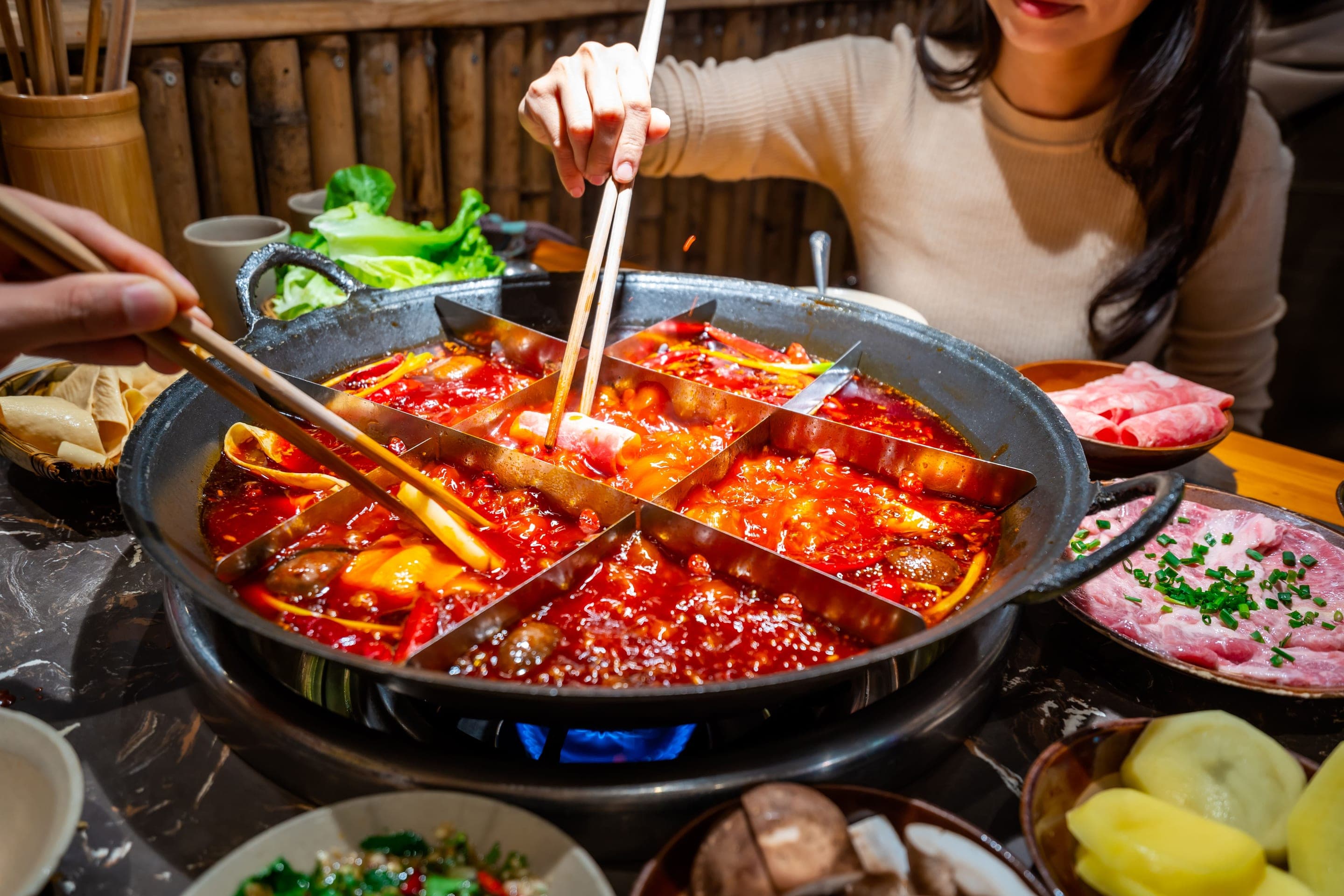
The Chinese table is communal. Dishes are shared, not plated individually. The visitor mechanics that signal respect:
- The host (or the most senior person) usually places the first food on the lazy susan and may serve guests directly. Accept what is offered.
- Use the serving spoons or the back end of your own chopsticks to take from shared dishes if no serving utensil is present. Do not use your eating end.
- Do not stand chopsticks vertically in a rice bowl. The visual reference is to funeral incense; it is the one chopstick rule with real social weight.
- Tea is poured for others before yourself. When someone pours tea for you, a light two-finger tap on the table is the traditional thank-you and is widely understood.
- Toasting at dinner with baijiu is enthusiastic and frequent. The polite move for a visitor who does not want to keep up is to toast with tea or water; this is socially acceptable and not seen as refusal.
- Finishing every grain of rice in the bowl is appreciated but not required. Leaving a tiny bit is fine.
Photography: the rule changes site by site
Photography rules in China are more granular than the simple "no flash inside museums" rule most travellers expect. The current shape:
- Headline sites (the Forbidden City, the Bund, the Terracotta Army pits): photography is fine including without flash; tripods and selfie sticks are sometimes restricted
- The Shaanxi History Museum and other major museums: usually fine without flash; the conserved warriors gallery does not allow photography
- Temples and active religious sites: ask before photographing monks, ceremonies, or interiors of working halls
- Border zones, military installations, government buildings: do not photograph, ever
- People: ask before photographing individuals close-up; the answer is usually yes, sometimes no, occasionally with a small payment expected (decline politely if so)
- Drones: heavily restricted in most cities; assume not allowed unless we have arranged a permit
The general principle: if you are unsure, ask the guide first. Twenty seconds of asking removes the only category of social friction this generates.
Gifts, thanks, and the end-of-trip handover
Travellers occasionally ask whether to bring gifts for the guide or driver. The honest answer: not necessary, but if you want to, the convention works as follows.
The gift should be small. Something from home carries the most resonance: a tin of biscuits made in the country you flew from, a small jar of local honey, a piece of locally-crafted soap. Avoid anything expensive enough to feel like an obligation rather than a thank-you.
Present the gift two-handed at the end of the trip, in the airport drop-off lobby, with a short sentence ("Thank you for the week"). The recipient may decline once politely before accepting. This is convention; offer again, and they will accept.
If you prefer not to bring a gift, a written thank-you sent later (we forward to the guide and driver) is equally valued. Many travellers ask us for the guide's contact details afterwards; we share these unless the guide has asked us not to.
Related reading
If this is the kind of trip you're imagining, let's design yours.