
Nanjing
the southern capital, six dynasties deep
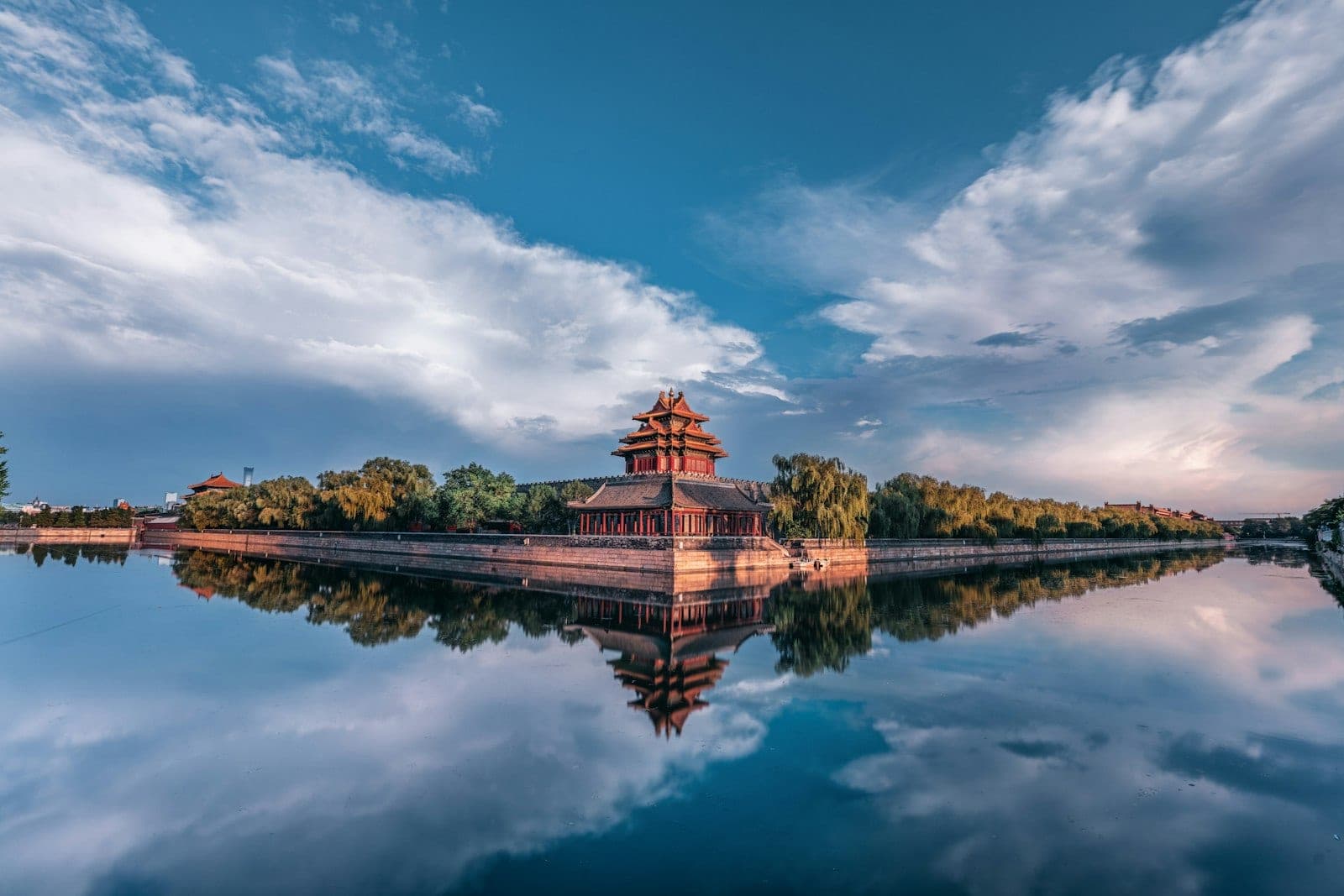
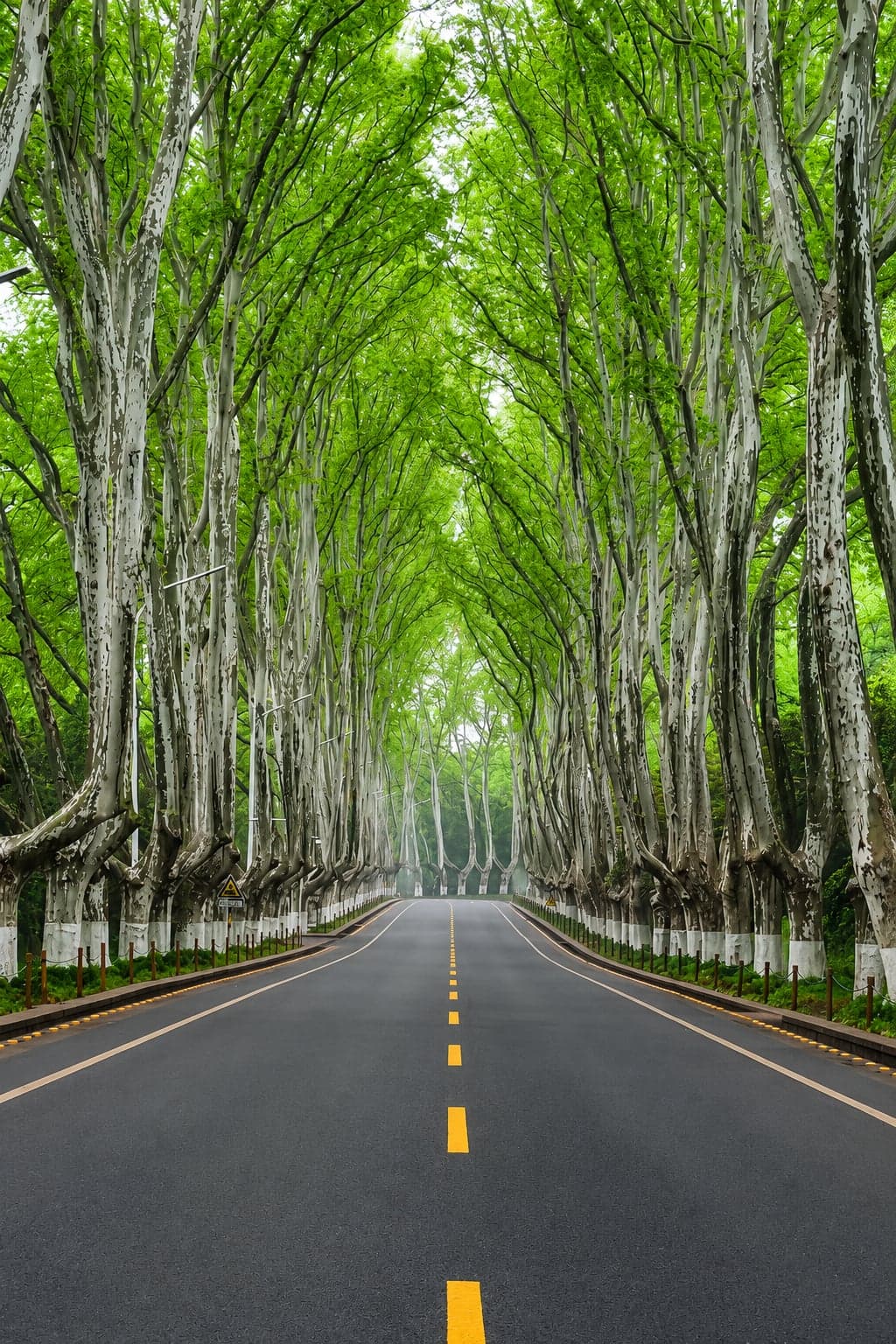
Nanjing has carried the southern capital across six dynasties. Twenty-five kilometres of Ming city wall still stand, the Hongwu Emperor lies under Purple Mountain, and the Qinhuai painted boats still drift past the Confucius Temple after dark.
Why people
come to Nanjing.
What to see

Ming Xiaoling Mausoleum(UNESCO 2003, the Hongwu tomb)
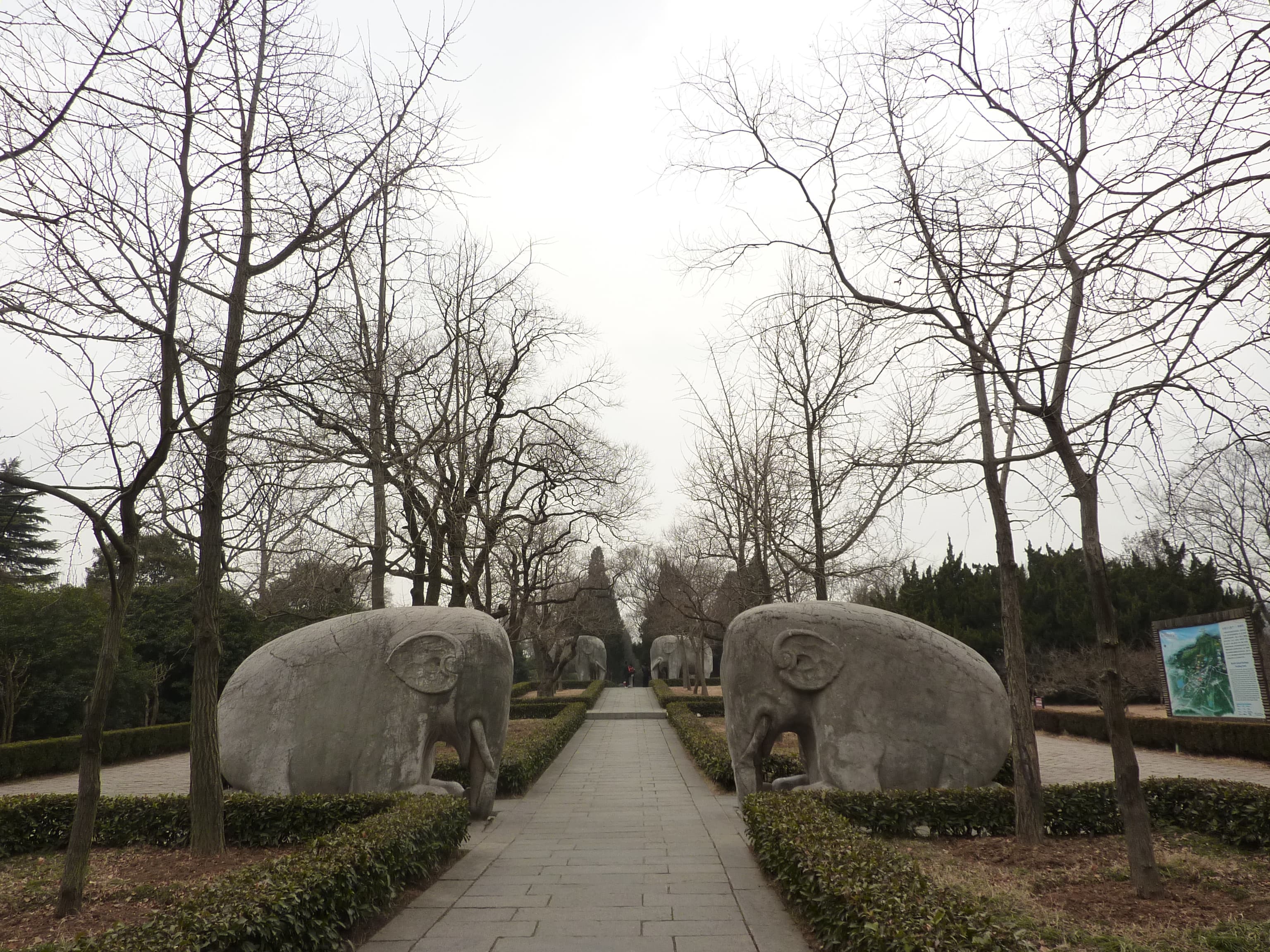
Ming Xiaoling is the tomb the Hongwu Emperor built for himself on Purple Mountain, the model every Ming and Qing tomb after had to follow.
The Spirit Way runs almost a kilometre between paired stone elephants, camels, kylin, lions and human officials. Begun in 1381, finished in 1405, the complex covers 1.7 million square metres of forest and stone.
We open the day at the Spirit Way, walking the stone-animal pairs while the morning forest still belongs to the early arrivals. The route is sequenced Spirit Way, Square Citadel, then the burial mound from the side path, so the scale builds rather than peaks too early. A Ming-history specialist is arranged for travellers who want the imperial-tomb thread back to the Northern Song.

Sun Yat-sen Mausoleum(Zhongshan Ling, the 1929 burial)
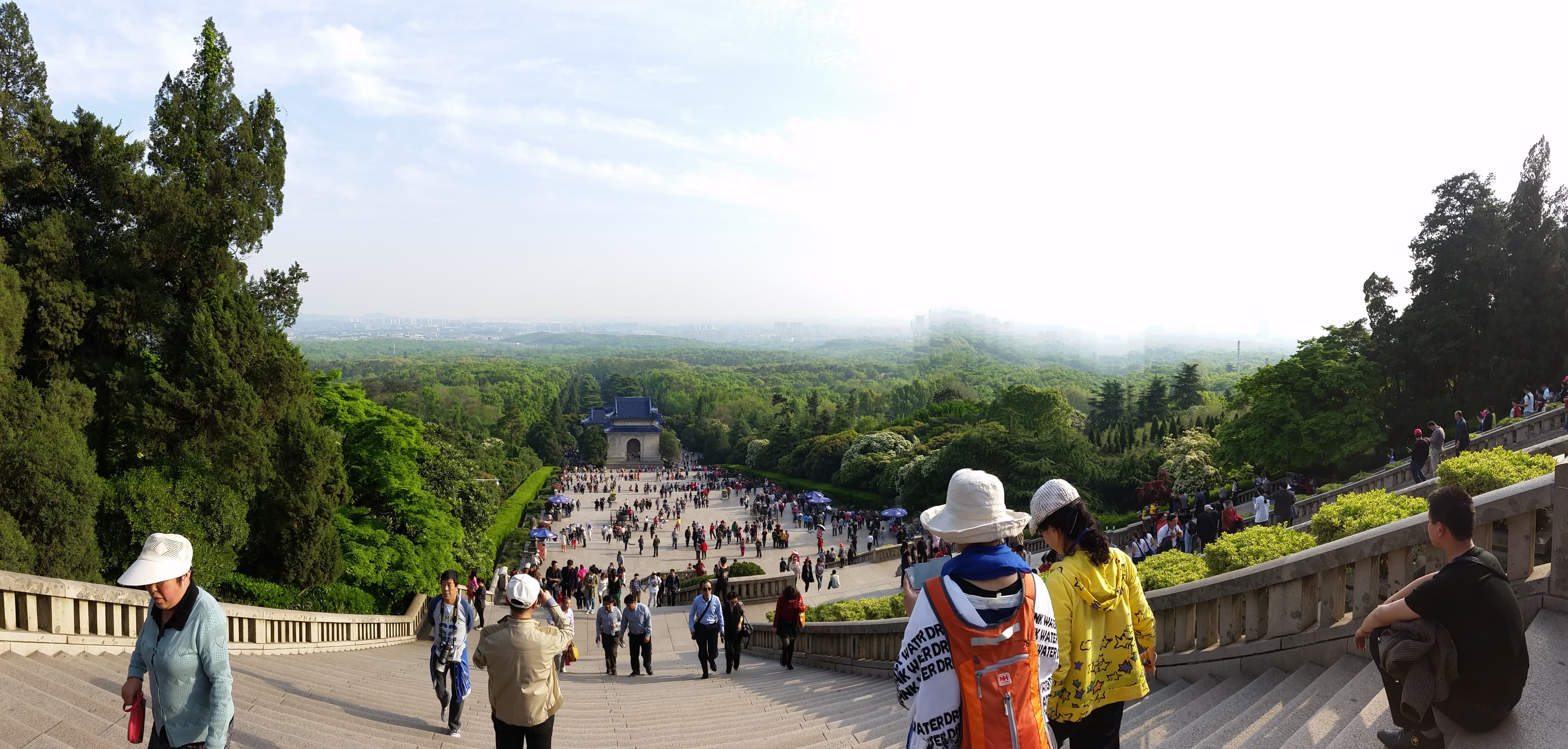
The Sun Yat-sen Mausoleum sits on the second peak of Purple Mountain, a five-year build between 1926 and 1929 that married imperial-tomb form to 1920s Beaux-Arts.
Three hundred and ninety-two granite steps climb 480 metres from the gate to the memorial hall, with the bell-shaped plan reading from the air as the Republic's call to action. Sun was interred on 1 June 1929.
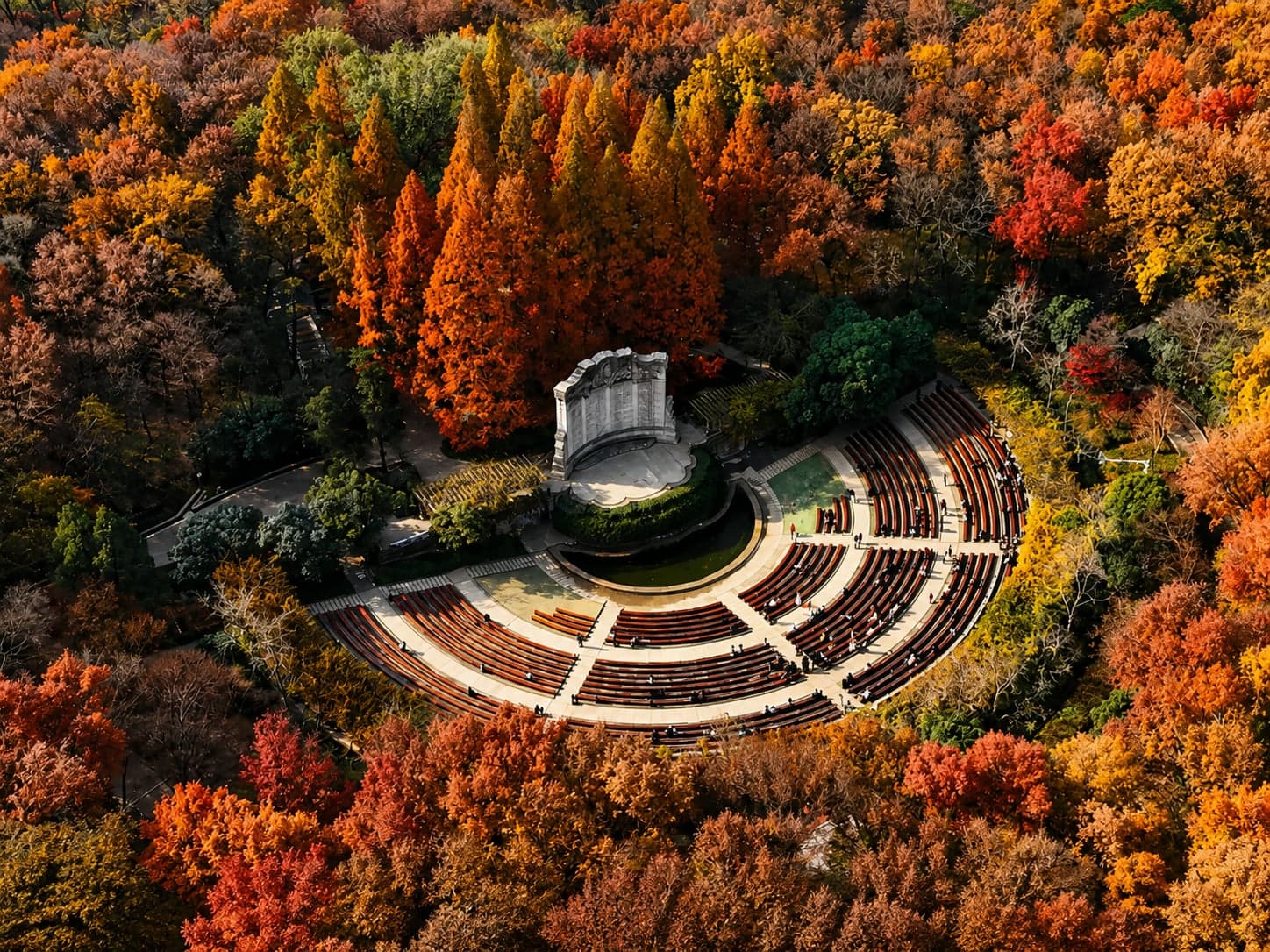
We choose the second window of the day, when the early crowds have moved on but the steps stay cool in the morning shade. Your guide reads the design choices on the climb up, the bell-plan, the granite, the steps that gain a metre with every flight, then sets the descent through Music Stage where the leaf cover is at its softest.

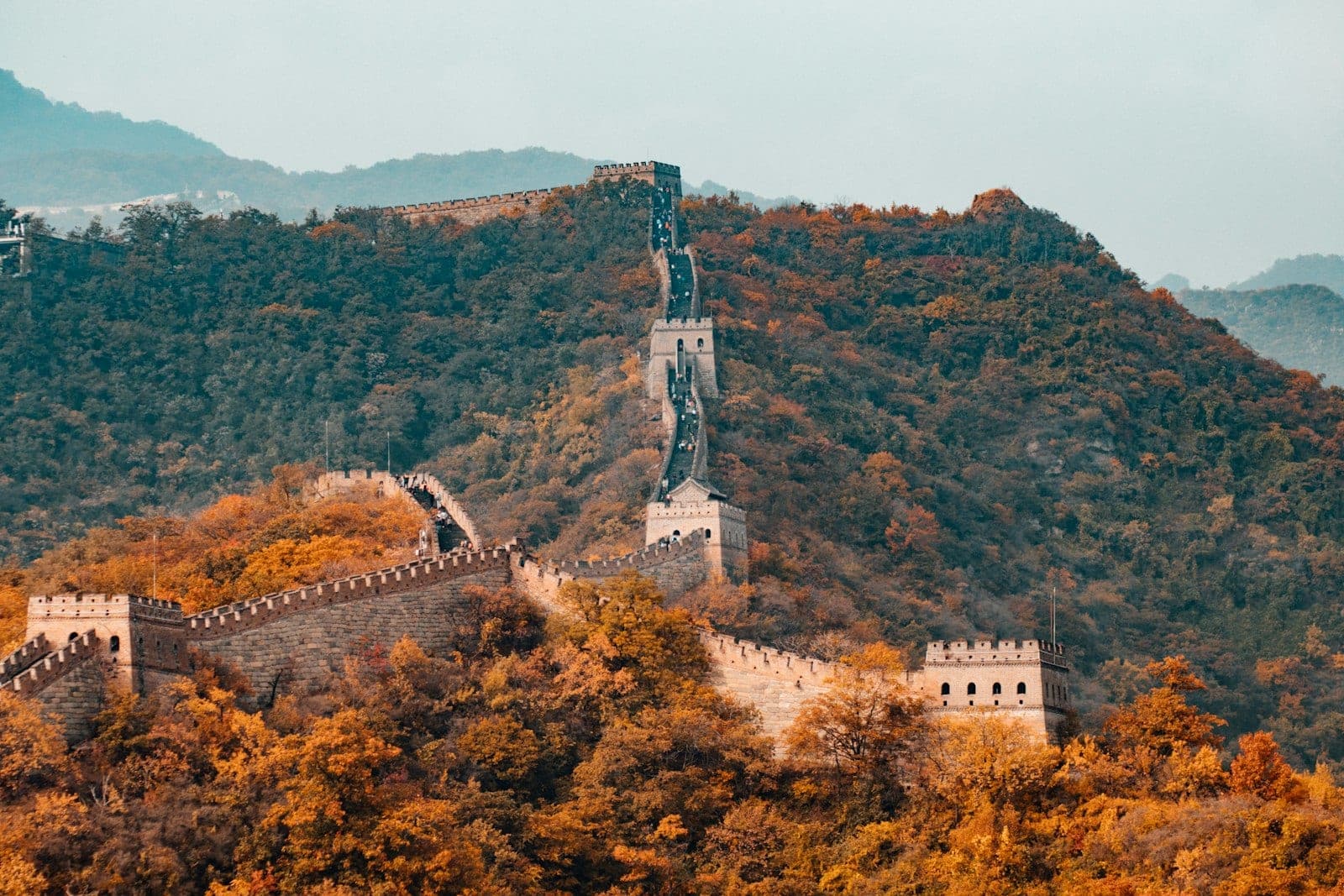
Nanjing City Wall(the Ming Hongwu rampart)
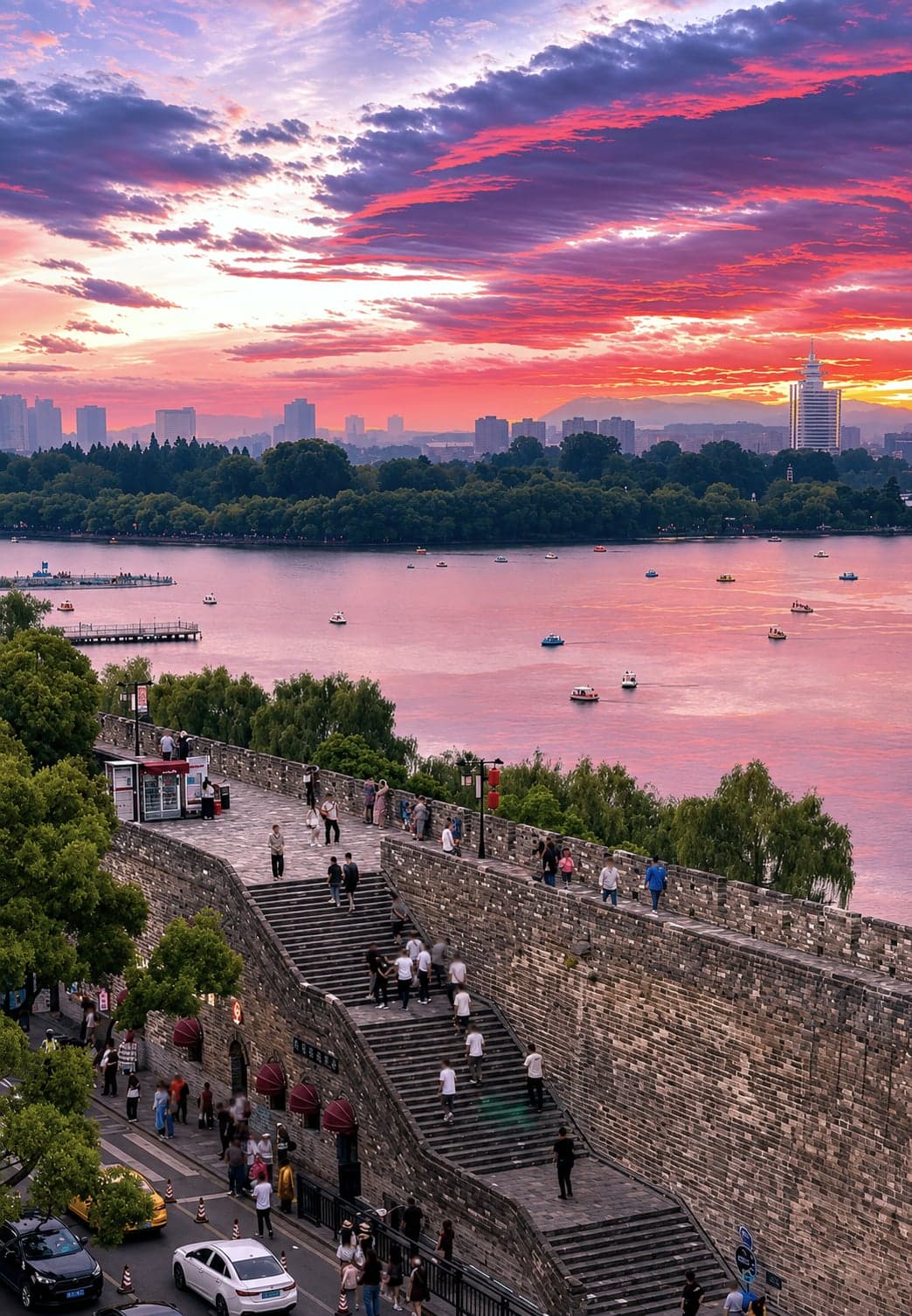
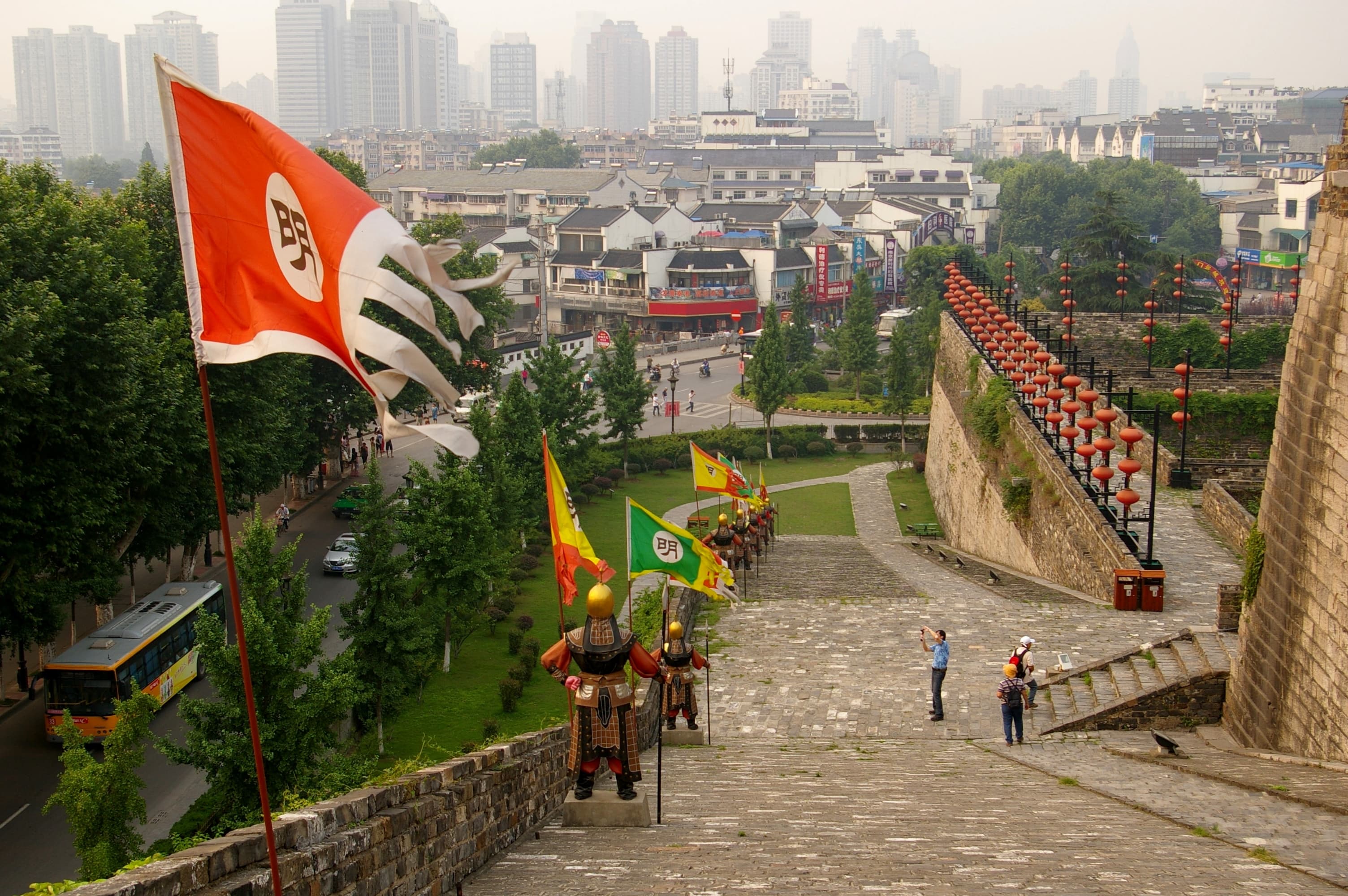
Nanjing's Ming rampart is the longest surviving city wall in the world, 25 of the original 35 kilometres still standing.
The Hongwu Emperor ordered it built between 1366 and 1386, and the bricks still carry the kiln marks of the prefectures that supplied them. The Zhonghua Gate barbican on the south side is the showpiece: four nested gates and twenty-seven tunnels.
We climb the wall at the Zhonghua Gate barbican in the late afternoon, when the brick warms and the shadows in the tunnels deepen. The route walks the four gates in sequence, then takes the long rampart east toward the Qinhuai for a softer descent. A second short stretch above Jiming Temple is added in cherry season.

Confucius Temple and Qinhuai River(Fuzimiao, the painted-boat lanes)
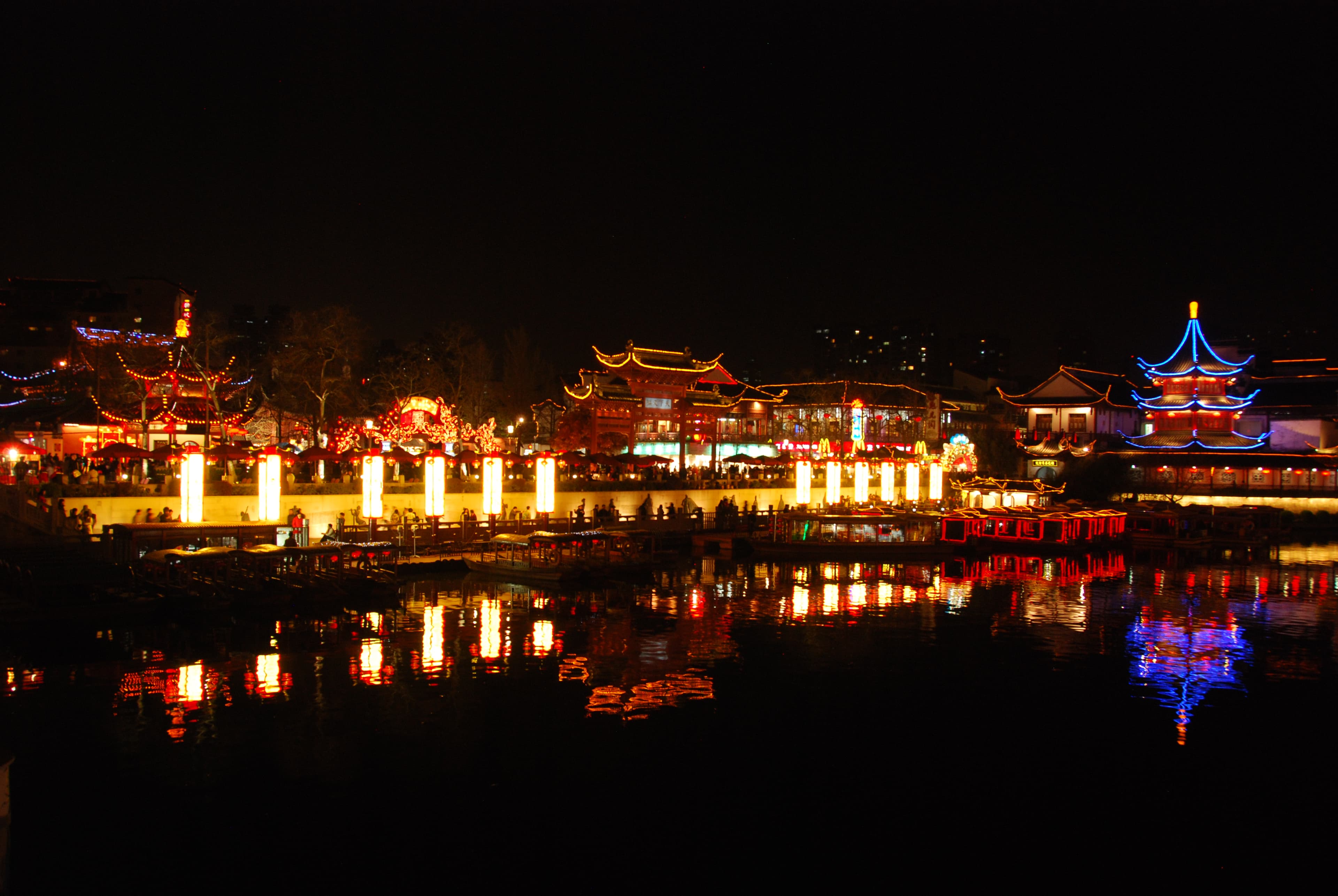
The Confucius Temple and the inner Qinhuai canal hold the city's longest unbroken evening.
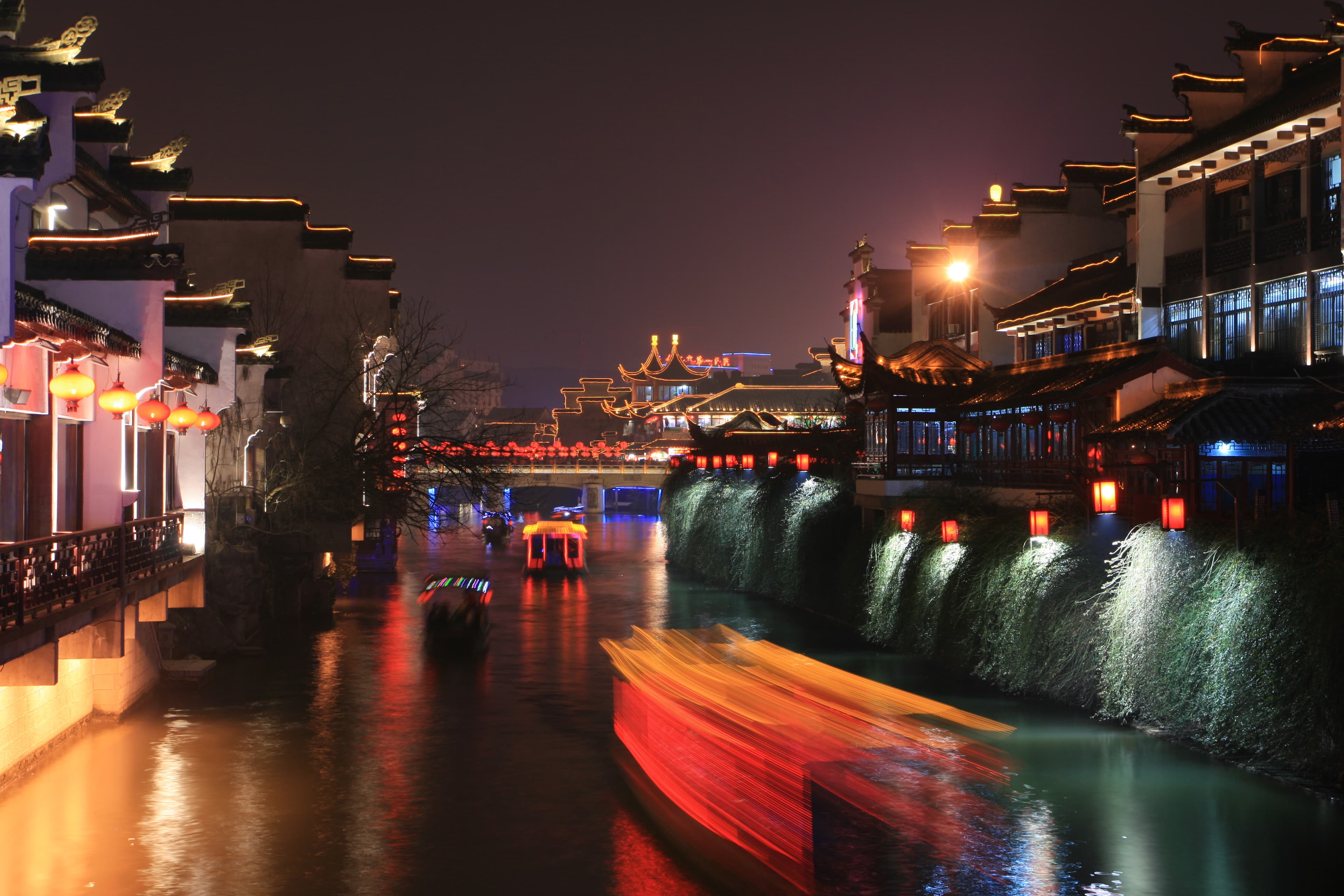
The temple precinct has carried the imperial-exam school, the Ming-Qing pleasure-house district and the snack street that came in around them, all in one walkable bend of water. Painted boats run the canal after dark from Panchi Wharf in front of the temple's Dacheng Hall.
We book a chartered painted-boat slot for the dusk window, with the route looping past Bailuzhou, the East Water Gate and the Zhonghua Gate from the river rather than the road. A guqin or sheng player is set on board on the premium option. A guided snack walk through the precinct precedes the boat so dinner is the boat itself.

Presidential Palace(the Republican seat, 1912 to 1949)
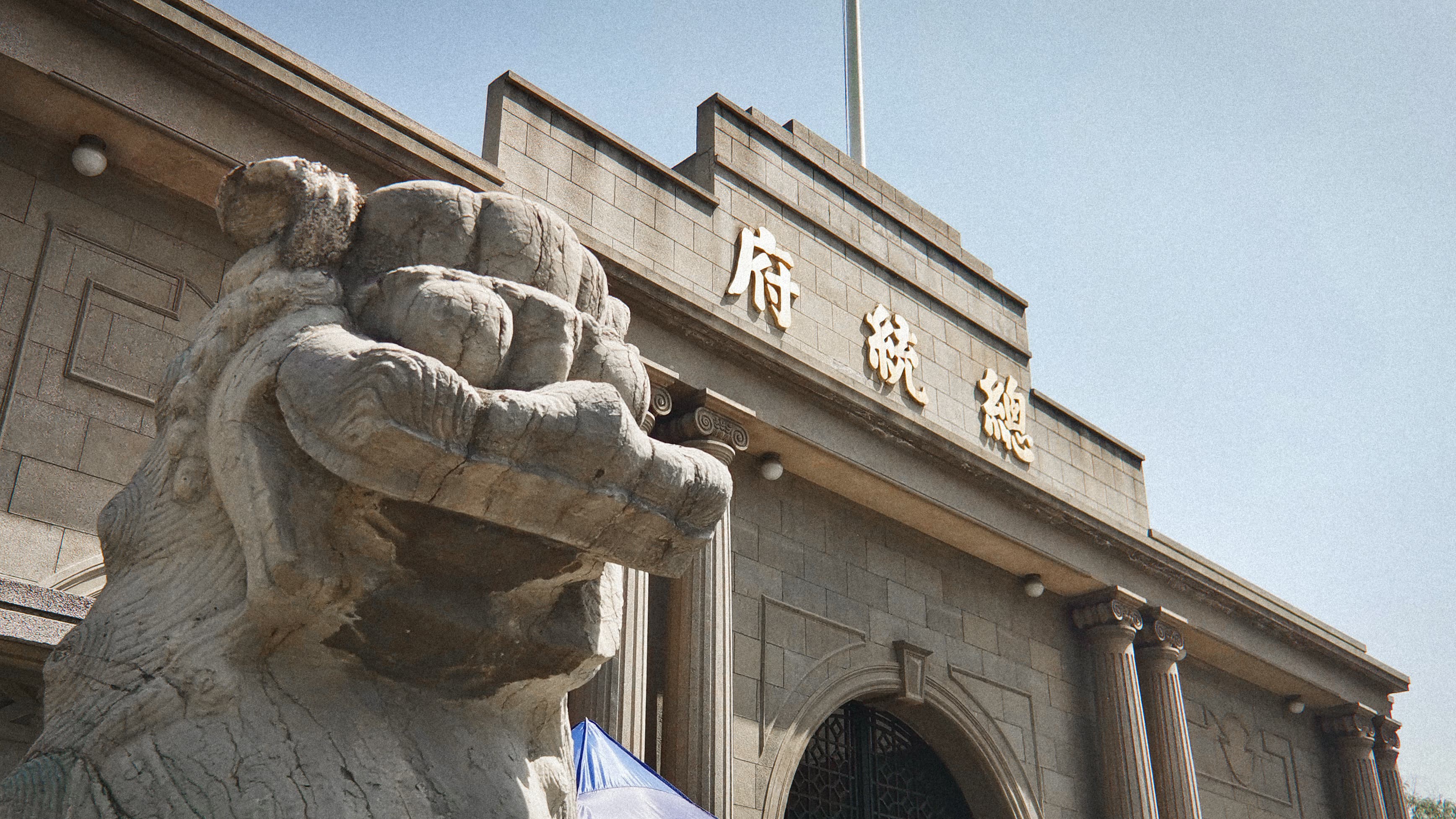
The Presidential Palace stacks five eras of Chinese power into one walled courtyard complex.
The site began as a Ming princely manor, served as the Qing Liangjiang Viceroy's yamen, held the Taiping Heavenly Kingdom palace, opened on 1 January 1912 as Sun Yat-sen's provisional presidential office, and ran as Chiang Kai-shek's Republican presidential office through to 1949. The garden and the lake at the rear sit underneath the same dates.
We sequence the visit through the courts the buildings were used in chronologically, Taiping at the front, Sun in the middle, Chiang at the back, so the layered history reads as a single line through the day. A Republican-history specialist is arranged for travellers who want extended commentary in the colonial-period offices.

Memorial Hall of the Nanjing Massacre(a place of remembrance, not a sight)
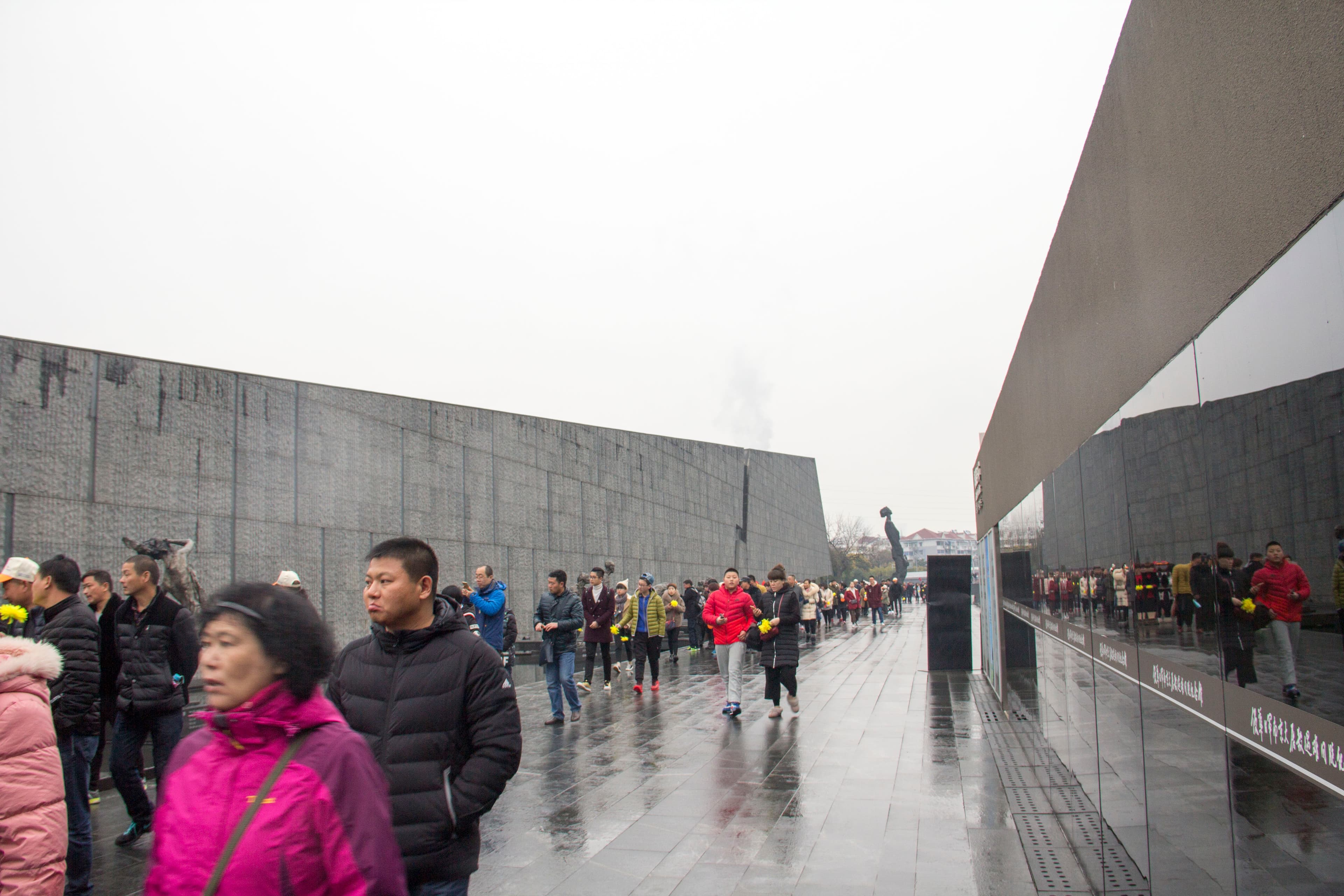
The Memorial Hall is not a sight in the way the other rooms on this page are.
It is a place of remembrance, opened on 15 August 1985 on the ground of a mass grave from the winter of 1937 and 1938, expanded in 2007 and now holding eleven sets of documentary archive on UNESCO's Memory of the World Register. The building, the grounds, and the silence are the visit.
We hold this visit for the morning, with a quieter slot booked and the rest of the day kept light. Your guide briefs the protocol before entry, no photographs in the solemn zones, no group commentary near the wall of names, and stays close for the documentary archive at the end. The car waits at the exit for an unhurried return.

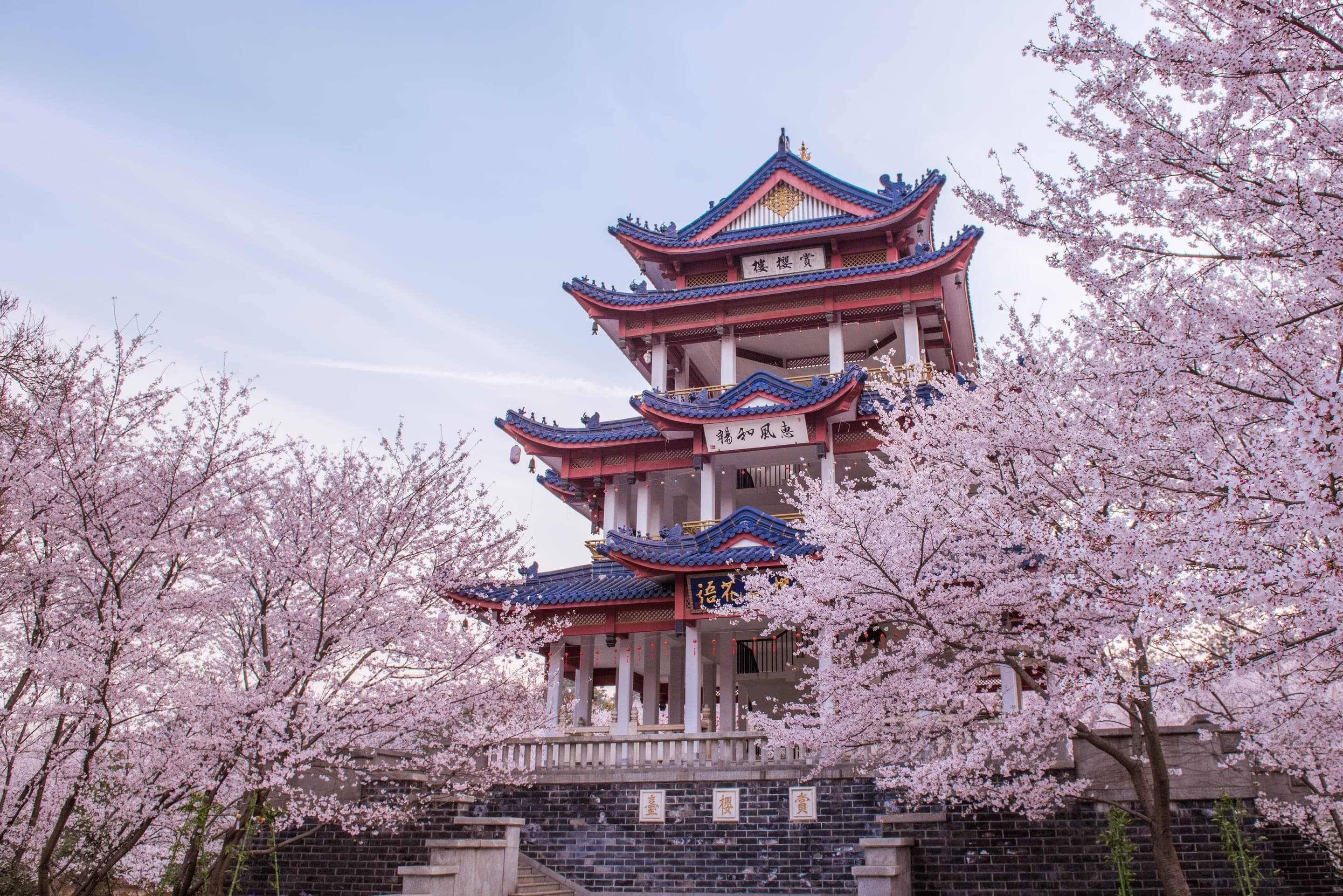
Jiming Temple(the cherry-blossom temple under the wall)
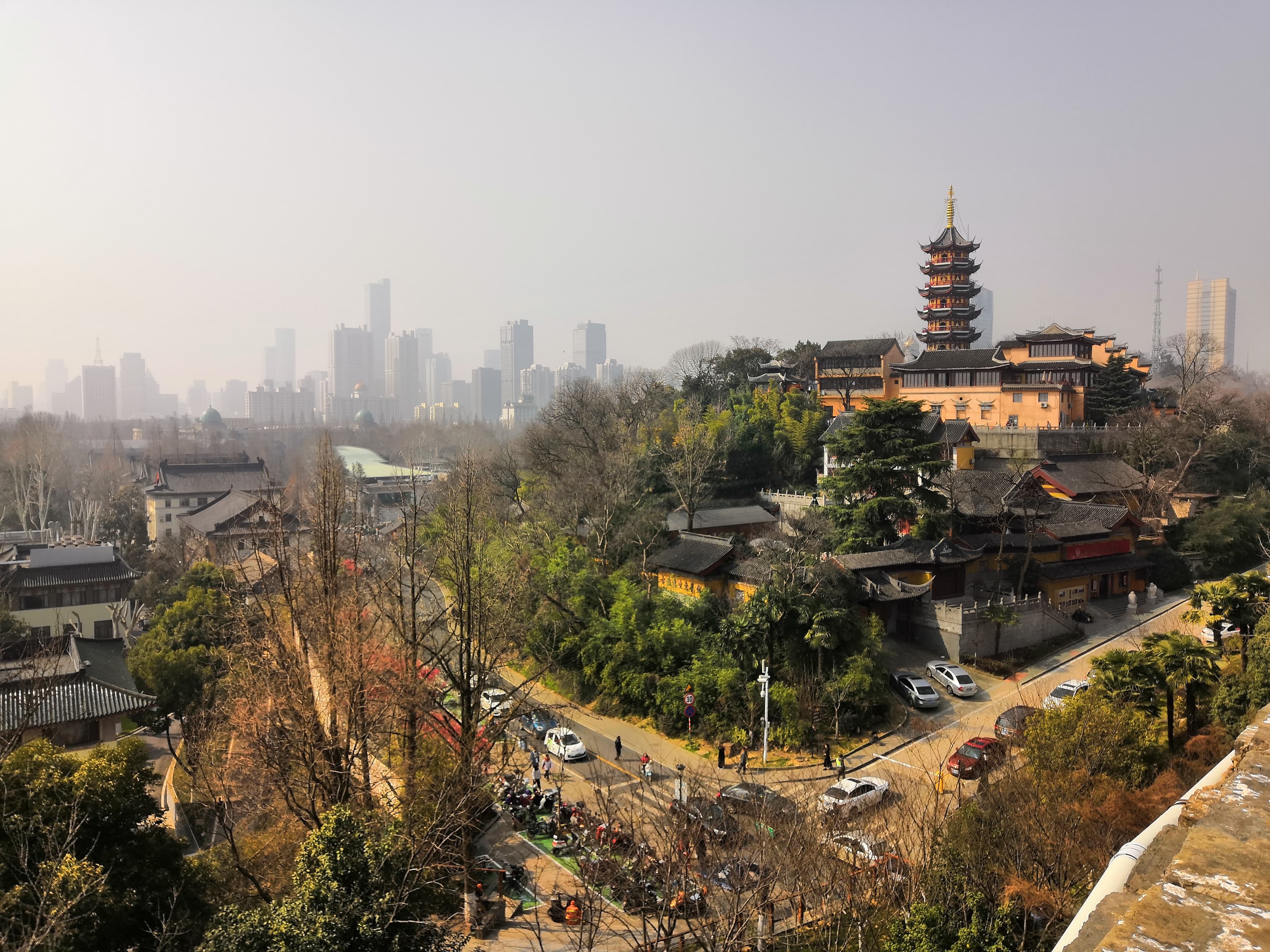
Jiming Temple sits on a low hill against the Taicheng wall, a working Buddhist nunnery first built as Tongtai Temple in 527 under the Liang and rebuilt by the Hongwu Emperor in 1387.
The avenue of cherry trees below the wall draws the city in for the second half of March; the rear hall keeps incense and quiet through the rest of the year.
We come early in the cherry window, before the day's phone crush sets in along the avenue, with the route walking the temple first and the cherry stretch on the way down. Out of season, the visit pairs with a short walk on the Taicheng wall above so the city wall and the temple read as one block of skyline.

Qixia Mountain and Qixia Temple(the autumn-maple monastery)
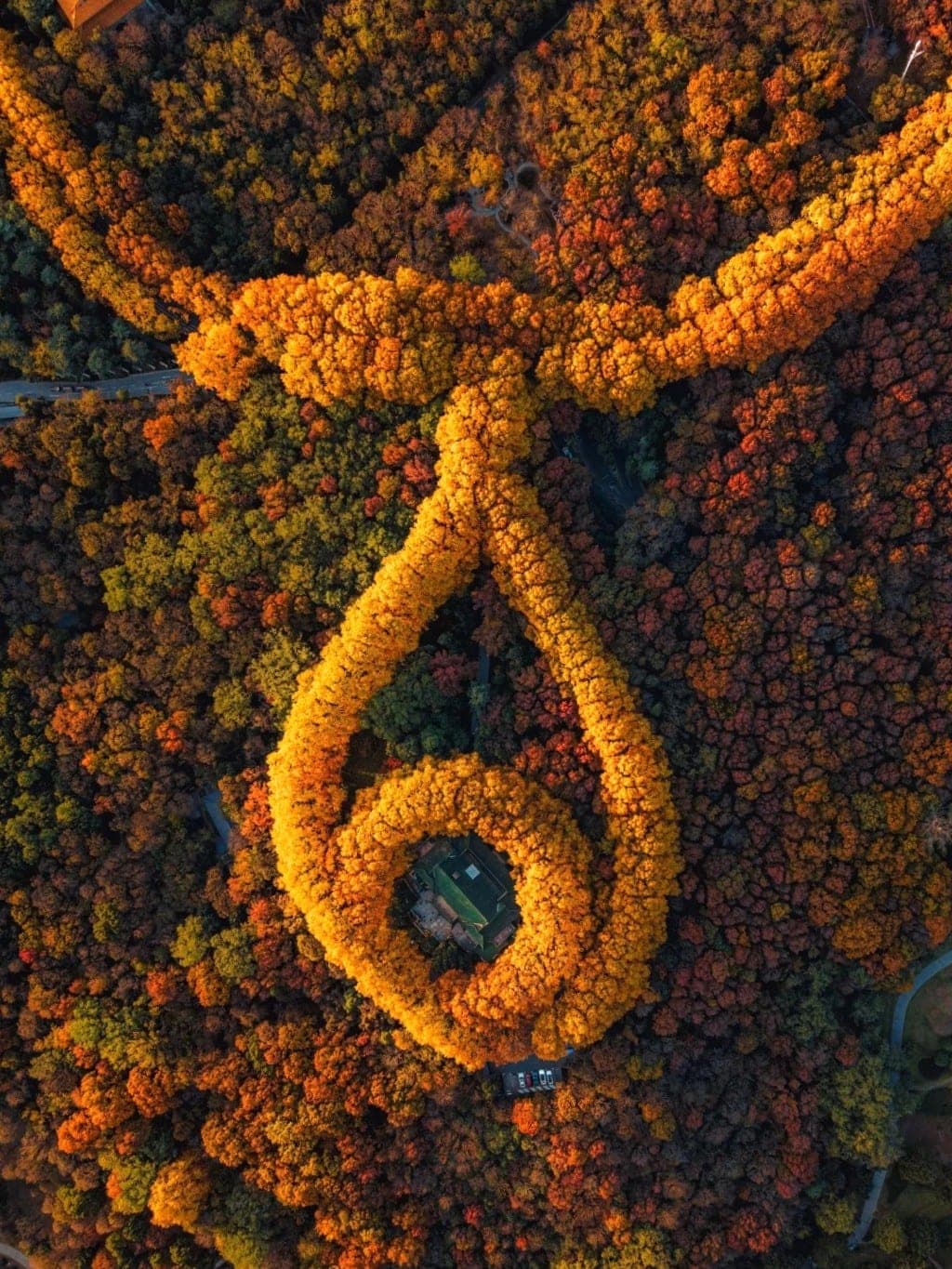
Qixia Mountain sits twenty-two kilometres northeast of the city, and the temple at its foot was founded in 489 by the monk Ming Sengshao under the Southern Qi.
Behind the main halls, the Thousand Buddha Cliff carries the only Southern Dynasties Buddhist grottoes in China, 297 niches and more than 500 figures. Late October to mid-November is the maple-leaf month.
We choose the maple-leaf weeks where the date allows, with the route timed for a weekday and the temple opened before the cliff so the cool morning belongs to the early walkers. Lunch is at a vegetarian kitchen near the monastery rather than the canteen at the gate.

Niushoushan Cultural Park(the Usnisa Palace, opened 2015)
Niushoushan sits thirty kilometres south of the city, and the Usnisa Palace at its head opened in 2015 as one of the strangest interiors in modern China.
The vast subterranean Buddhist hall, 220 metres long and almost 90 metres tall, holds what is held to be the only surviving parietal-bone relic of Shakyamuni Buddha. The architecture is the visit.
We book the entry slot against the day's light-cycle in the dome, so the descent through the upper hall coincides with the Buddha-light sequence rather than catching it half-way through. The route walks the upper galleries first for the scale, then drops to the relic chamber once the eye has settled.
What to eat

Nanjing salted duck(Yan Shui Ya, the autumn osmanthus version)
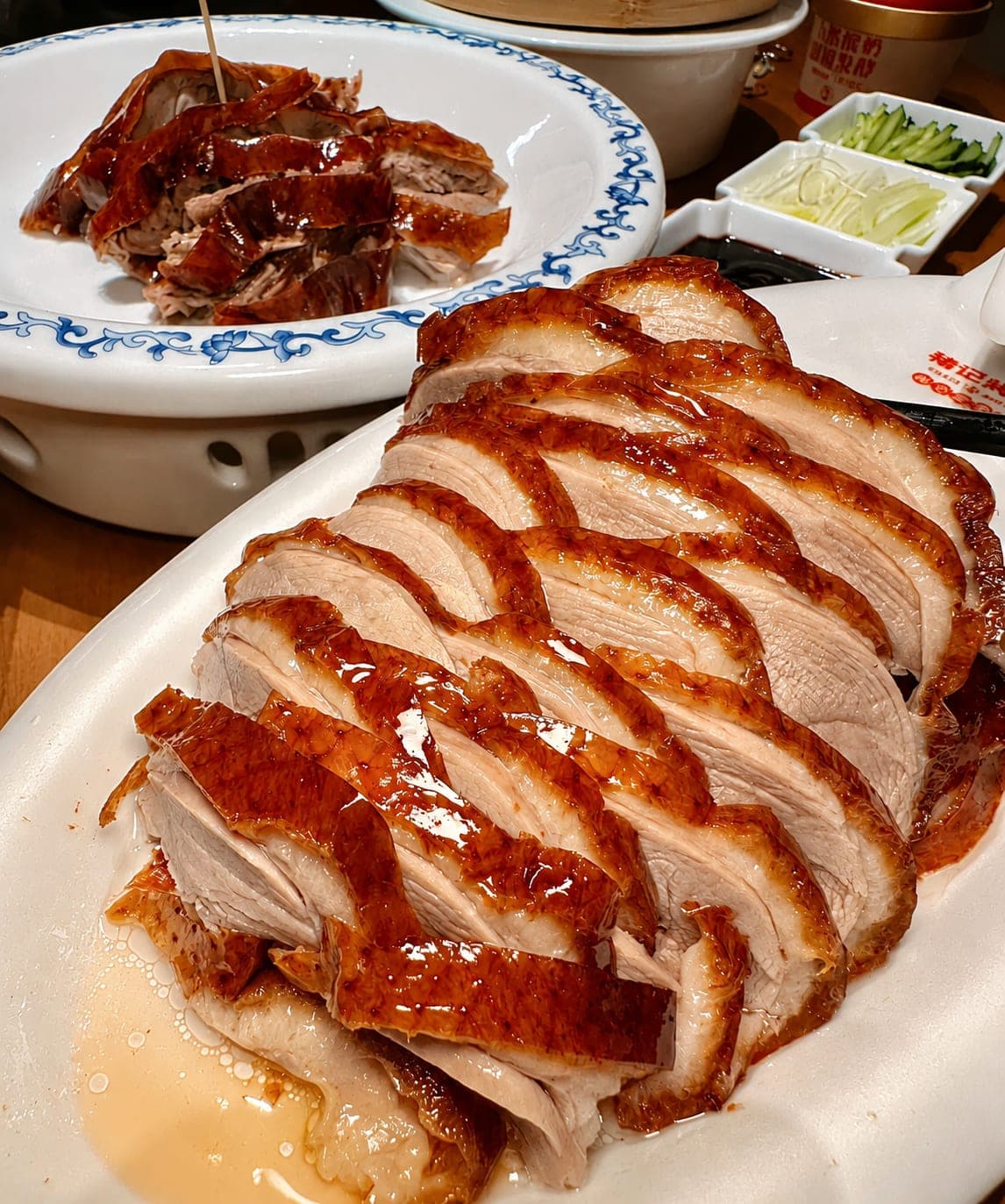
Nanjing salted duck is the dish the city's name carries in the Chinese kitchen, and the autumn version is the one to plan a meal around.
The duck is dry-cured, brine-soaked, then simmered, never roasted, so the skin sets ivory-pale and the meat tightens into a clean, cool, ham-like bite. The flavour reads as clean saline-savoury with a faint floral lift when osmanthus is in season. National Geographical Indication since 2012, the technique on the intangible heritage list since 2021.
We seat you at a respected old house where the brine pot has been kept on a continuous master stock for years rather than rebuilt each season. The duck is brought whole to the table and cut down by the kitchen, and a small dish of the brine is served on the side so the saline-floral layer reads clearly.

Duck-blood vermicelli soup(Ya Xue Fen Si Tang)
Duck-blood vermicelli soup is what Nanjing reaches for between meals.
A clear, light, savoury duck broth carries silky cubes of duck-blood curd, slippery sweet-potato vermicelli, and a few pieces of duck liver, gizzard and intestine. The blood cubes are near-tofu in flavour, mild and almost sweet, prized for the way they slip across the spoon. Ginger and scallion lift the broth, and a small spoon of chilli oil is set on the side for those who want it.
We choose a long-established old-town stall where the duck stock is built fresh each morning and the vermicelli is hand-cut on the day. Your guide demonstrates the order of the spoon, broth first, blood second, vermicelli last, so the textures land in sequence rather than all at once.

Qinhuai Eight Delicacies(Qinhuai Ba Jue, the Confucius Temple snack tray)
The Qinhuai Eight Delicacies are the eight signature snacks of the Confucius Temple precinct, formalised by the city in 1987 across a set of named historic houses.
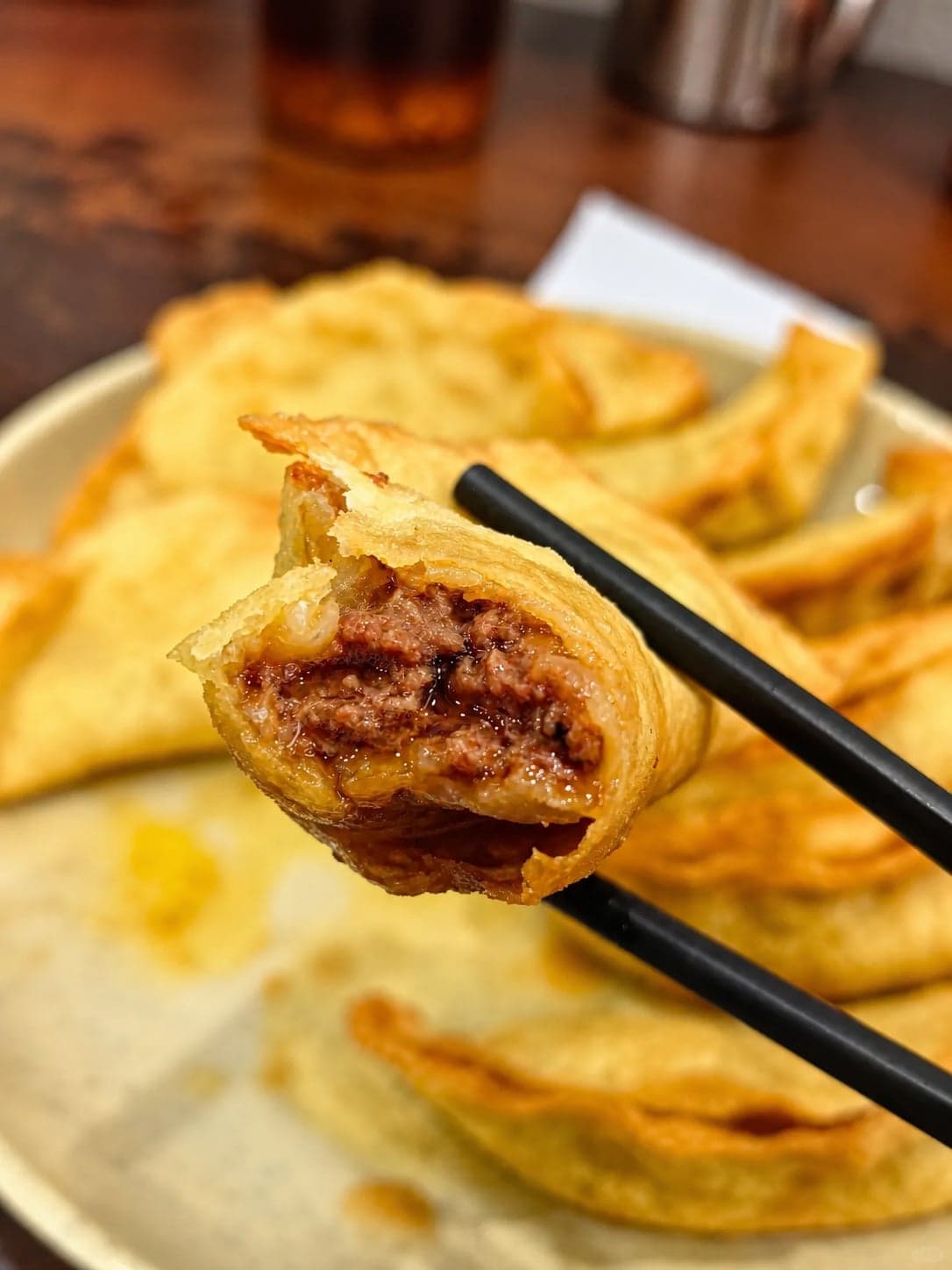
Duck-oil sesame pancake shatters like good baklava, the pan-fried beef dumpling carries a crisp lacquer base, beef-soup noodles ride a clear stock, and the crab-roe soup bun bursts hot broth over the bowl. The savoury-rich end of Nanjing's table, set across an evening rather than a meal.
We arrange a guided six-stop tasting across the precinct on a working evening, with the route sequenced so each house is hit in its busy cooking window. Crab-roe soup buns are timed to a small group order so the broth is still hot at the table. Tea is poured between houses to reset the palate.
Shows and experiences

Qinhuai painted-boat cruise(Hua Fang, from Panchi Wharf)
The Qinhuai painted-boat cruise is the way the Confucius Temple precinct has been seen for as long as the canal has been lit.
A fifty-minute loop carries the boat from Panchi Wharf past Bailuzhou, the East Water Gate, the Zhonghua Gate, and back. Both banks burn with red lanterns through the run, and the canal stays calm enough for the painted hull to read in the water.
We book a chartered painted boat rather than the public ticket so the route runs to your pace, with a guqin or sheng player set in the centre cabin on the premium option. The departure is timed for the dusk window when the lanterns first switch on, and a quiet riverside terrace is set for an after-cruise tea.

Kunqu opera at Lanyuan Theatre(the Jiangsu Province Kunqu seat)
Lanyuan Theatre is the small two-hundred-seat house attached to the Jiangsu Province Kunqu Theatre.
A weekly Saturday programme runs scenes from the canon, with full-length Peony Pavilion and The Palace of Eternal Life staged several times a year. Bilingual surtitles run across the apron. Kunqu is the six-hundred-year classical theatre of the Yangtze region; Nanjing is its working seat outside Suzhou.
We book front-table seats for the night the surtitle support is strongest, with a pre-show briefing on the plot since the libretto runs in classical Chinese. Tea is poured throughout. A quiet car waits at the lane outside so the return is unhurried.

Yunjin brocade demonstration(the great-flower draw loom, intangible heritage)
Yunjin brocade is the silk-gold-peacock-feather cloth Nanjing wove for the Ming and Qing courts.
The Nanjing Yunjin Museum keeps a working great-flower draw loom on the floor, operated by a two-person team: one weaver below, one pattern-master above, each line set by hand. The craft was inscribed on the intangible heritage list in 2009. A finished bolt represents months of work; a few centimetres a day is the going pace.
We arrange a private slot at the loom so the two-person crew demonstrates the line, the lift of the pattern-master's frame, and the return drop, then walks you through the colour blocking with samples in hand. A small woven trial-strip can be set on the loom against your name if the request is made ahead.
What three days
might look like.
- Day 01
Purple Mountain, the wall, the Qinhuai after dark.
Begin the morning at Ming Xiaoling, walking the Spirit Way before the day's coaches arrive and then the Square Citadel and the burial mound from the side path. Continue to Sun Yat-sen Mausoleum in the soft mid-morning shade and a leisurely Jiangsu lunch on the slope. The afternoon climbs the Zhonghua Gate barbican on the Ming city wall, with the route timed for the warming late-afternoon brick. As dusk falls, the day finishes on a chartered painted boat from Panchi Wharf for the Qinhuai loop and a quiet riverside dinner after.
- Ming Xiaoling Mausoleum
- Spirit Way
- Sun Yat-sen Mausoleum
- Zhonghua Gate barbican
- Qinhuai painted-boat cruise
- Confucius Temple precinct
- Day 02
Five eras under one roof, the city's memorial.
Spend the morning at the Memorial Hall of the Nanjing Massacre, with a quieter entry slot booked and the rest of the day kept light to follow. A simple lunch follows away from the memorial grounds. The afternoon walks the Presidential Palace in chronological order, Taiping at the front, Sun in the middle, Chiang at the back, with the lake garden at the rear as the day's softening close. As evening settles, a guided six-stop Qinhuai Eight Delicacies tasting unfolds at the pace of a slow walk.
- Memorial Hall of the Nanjing Massacre
- Documentary archive (Memory of the World)
- Presidential Palace
- Republican-era offices
- Qinhuai Eight Delicacies tasting
- Day 03
Temples and ridges, brocade in the afternoon.
Begin the day at Jiming Temple as the morning chanting fills the rear hall, then walk the Taicheng wall above into the cherry stretch in season. Continue out to Qixia Mountain for the autumn maples and the Thousand Buddha Cliff at the temple behind, with a vegetarian lunch in the monastery kitchen. The afternoon returns to the city for a private slot at the Yunjin Museum's working draw loom. For those wishing to extend the evening, a Saturday Kunqu programme at Lanyuan Theatre is set with front-table seats and bilingual surtitles.
- Jiming Temple
- Taicheng wall walk
- Qixia Mountain (autumn)
- Qixia Temple and Thousand Buddha Cliff
- Yunjin Museum (private loom slot)
- Kunqu at Lanyuan Theatre (optional)
Best time
Mid-March to early April; late October to mid-November
Days needed
3 days; 2 with a short stop
Where it sits
Shanghai 75 minutes by rail; Beijing 3 hours 13 minutes; Xi'an under 5 hours
Questions worth
answering early.
Three full days is the right shape for a first Nanjing stop. One day for Ming Xiaoling, Sun Yat-sen Mausoleum, the city wall and the Qinhuai. One day for the Memorial Hall and the Presidential Palace. One day for Jiming, Qixia and the Yunjin loom, with a Kunqu evening on the side. Two days work if Nanjing is sitting between Shanghai and a longer Beijing leg.
Hand us the dream,
We carry it through.
From your first enquiry to your last airport pickup, our specialists design your trip and stay in contact every step of the way. The guides, drivers and hotels you'll meet are part of our trusted network we've worked with for years, briefed to the same standards.
- Dedicated specialists, start to finish
- Guides briefed to our standards
- Fully transparent, no hidden costs
- No deposit until you confirm
Stretch the trip. Stitch in another.

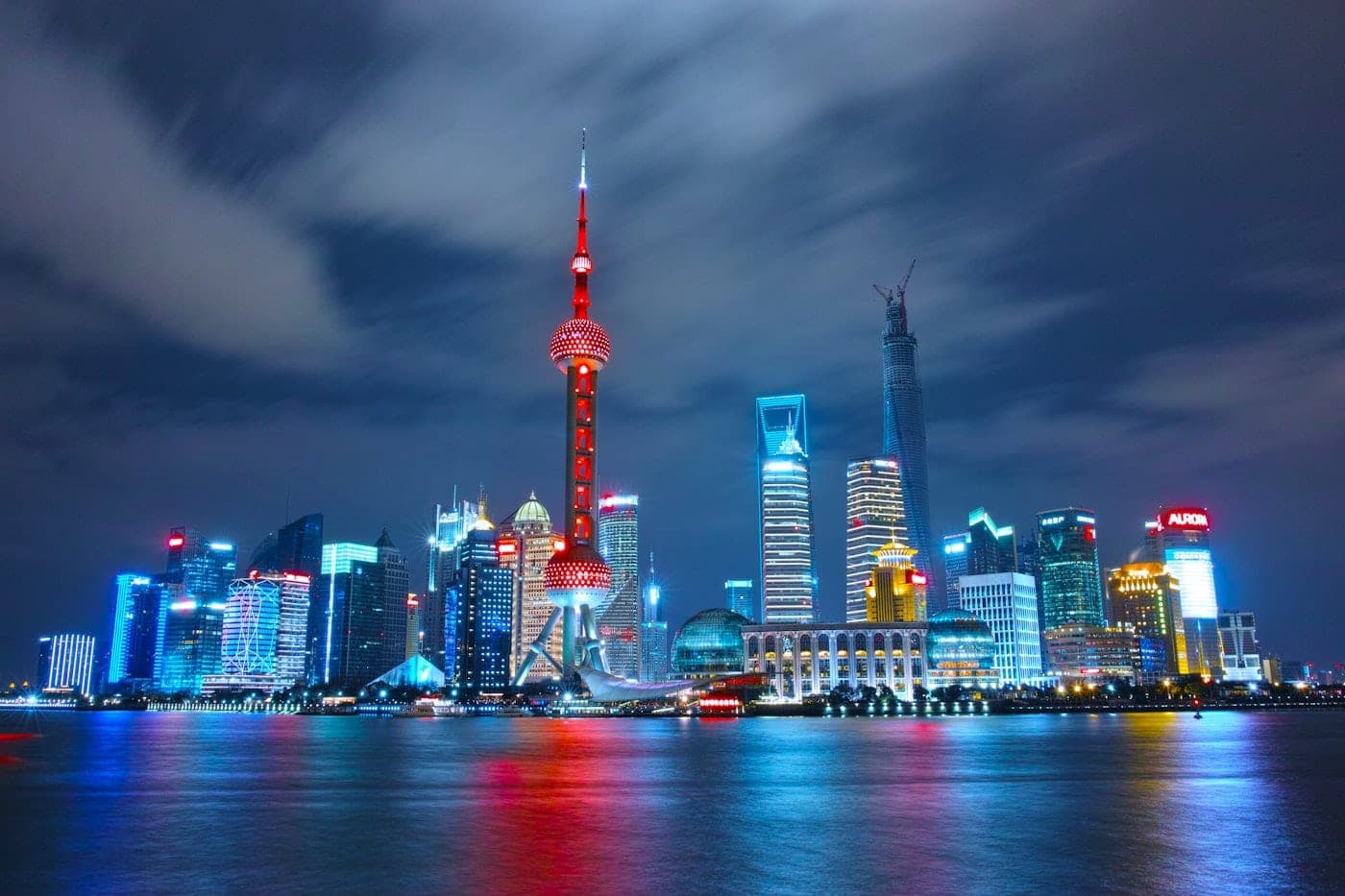
Shanghai
East seventy-five minutes by rail. The Republican capital pairs cleanly with the modern city across the river.
Read this destination
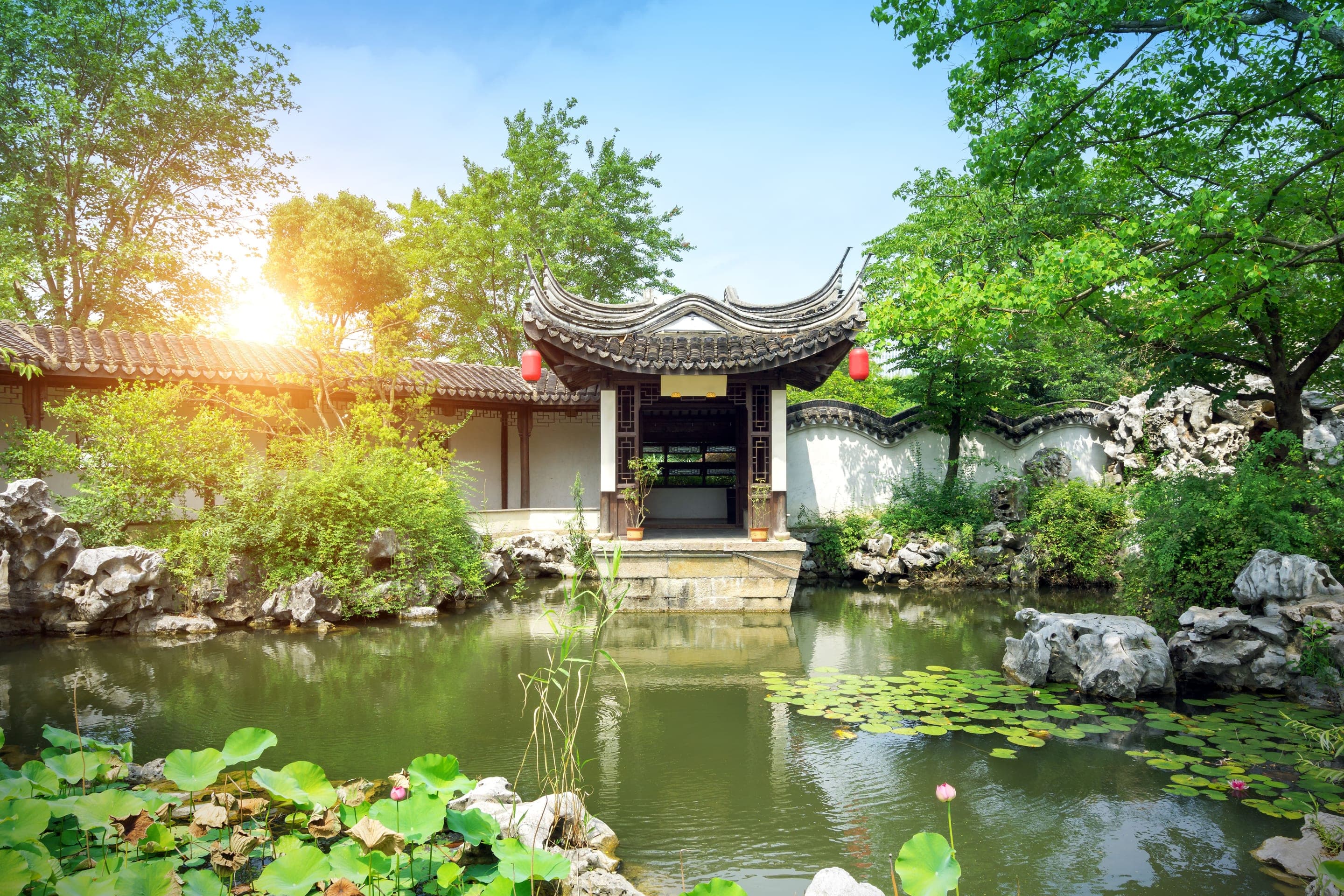
Suzhou
East just over an hour by rail. Classical gardens and the canal towns on the Jiangnan circuit.
Read this destination
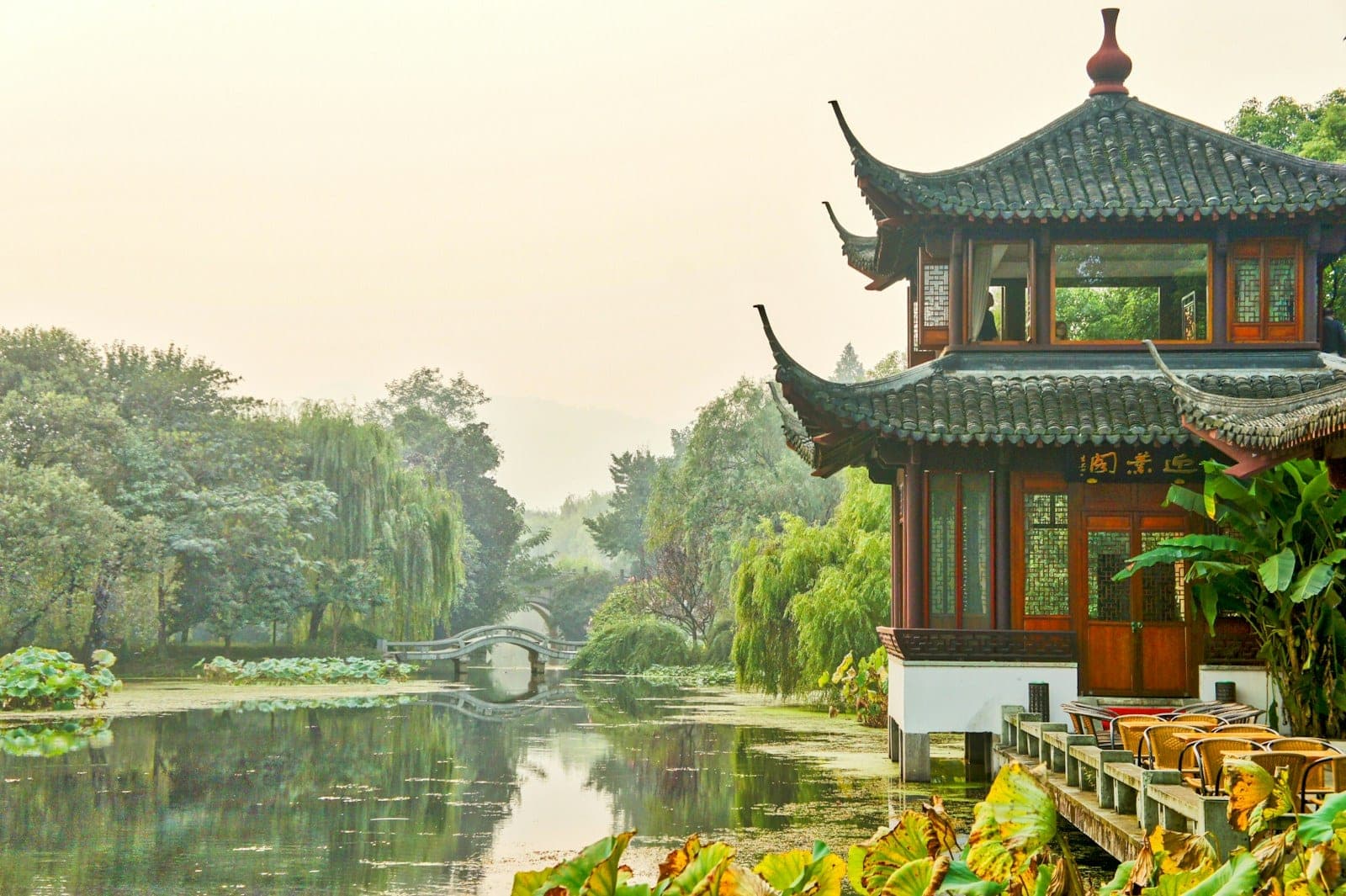
Hangzhou
South an hour by rail. West Lake closes the lower-Yangtze loop with a calmer day or two.
Read this destination
Useful before
you enquire.

China tourist visa for US travellers
American passports still need a tourist visa for China under current rules. How the L-visa works, what we handle as part of your booking, and what is on you.
Read this guide
When to visit China, month by month
Mid-March for cherry blossom, late October for maple leaf. The whole year in Nanjing, read by climate and crowd.
Read this guide
How many days do you need in China
Nanjing slots between Shanghai and Beijing on the eastern route. What those days hold, and how the legs connect.
Read this guide
Payments and connectivity in China
Set up Alipay or WeChat Pay before you fly. Cards work widely after binding, but limits and small merchants need planning.
Read this guide
How our pricing works
What sits inside the figure on your quote, and what sits outside it. The structure, written out.
Read this guide

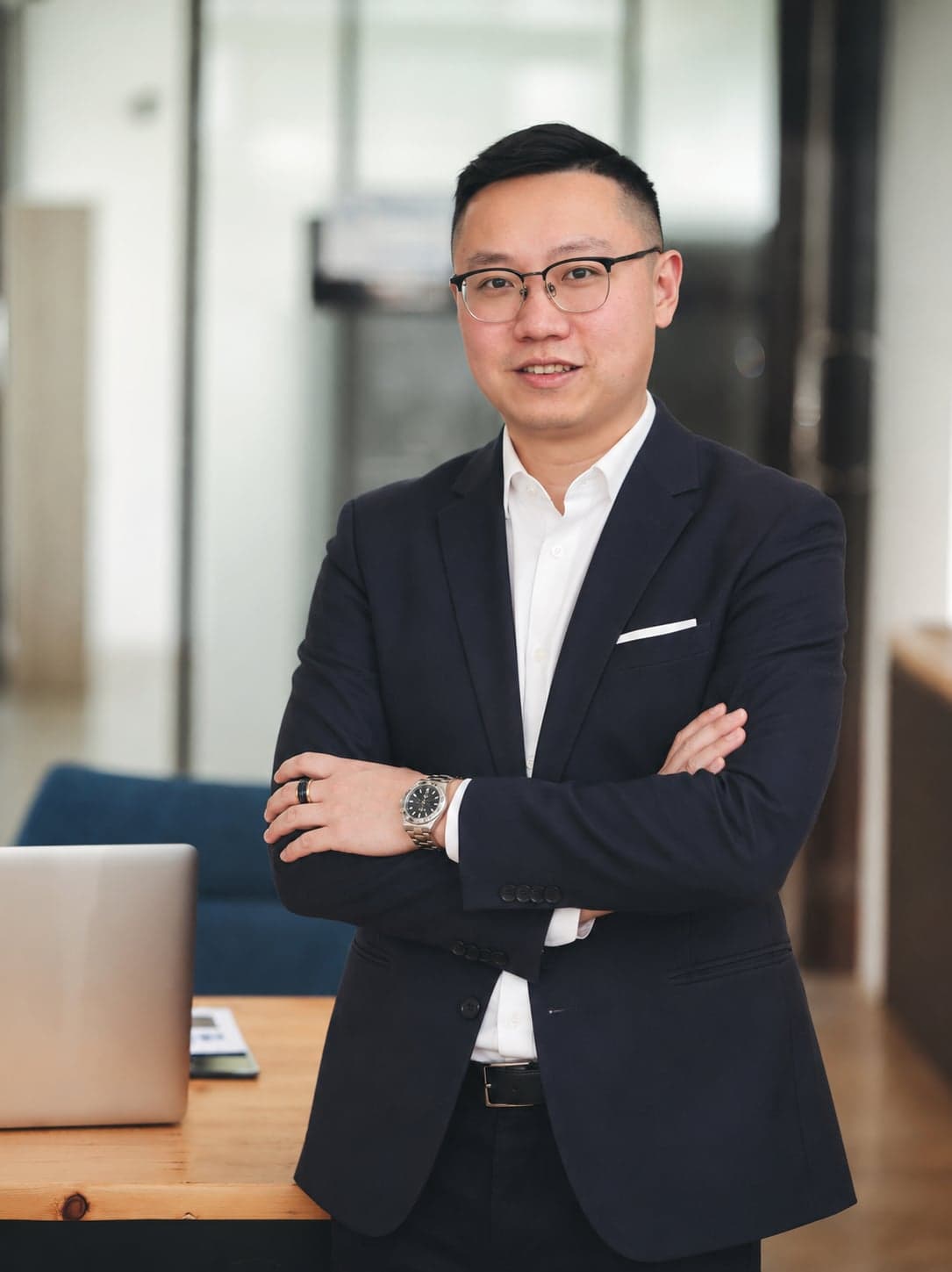
Jack Guo
Senior Travel Specialist
Jack has spent ten years working with the guides, drivers and hoteliers across China. He'll be your contact from first enquiry to final airport pickup.
Tell us about your Nanjing trip
Five quick questions. We'll send you a Nanjing-anchored draft with the price within one business day. No deposit. No hard-sell.