
Shenzhen
the China that built itself in forty years
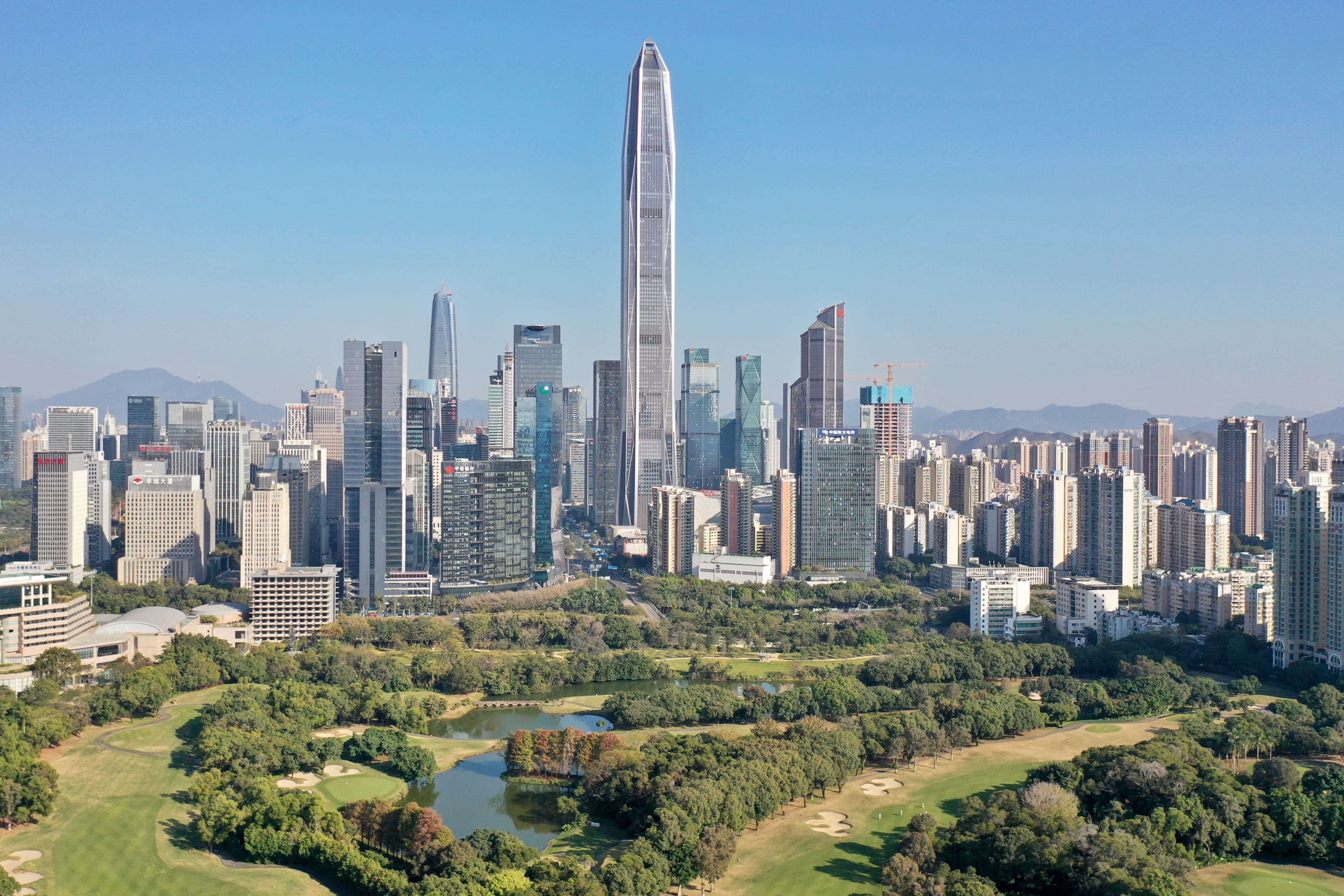
Shenzhen is China's first Special Economic Zone, opened on Bao'an County farmland in 1979 and grown to seventeen million people inside forty years. The new towers downtown house the headquarters of China's tech industry. The city's edges fold out into Wutong Mountain's pine ridges, the Dapeng Peninsula's quiet coves, and a restored Hakka town at Gankeng.
Why people
come to Shenzhen.
What to see

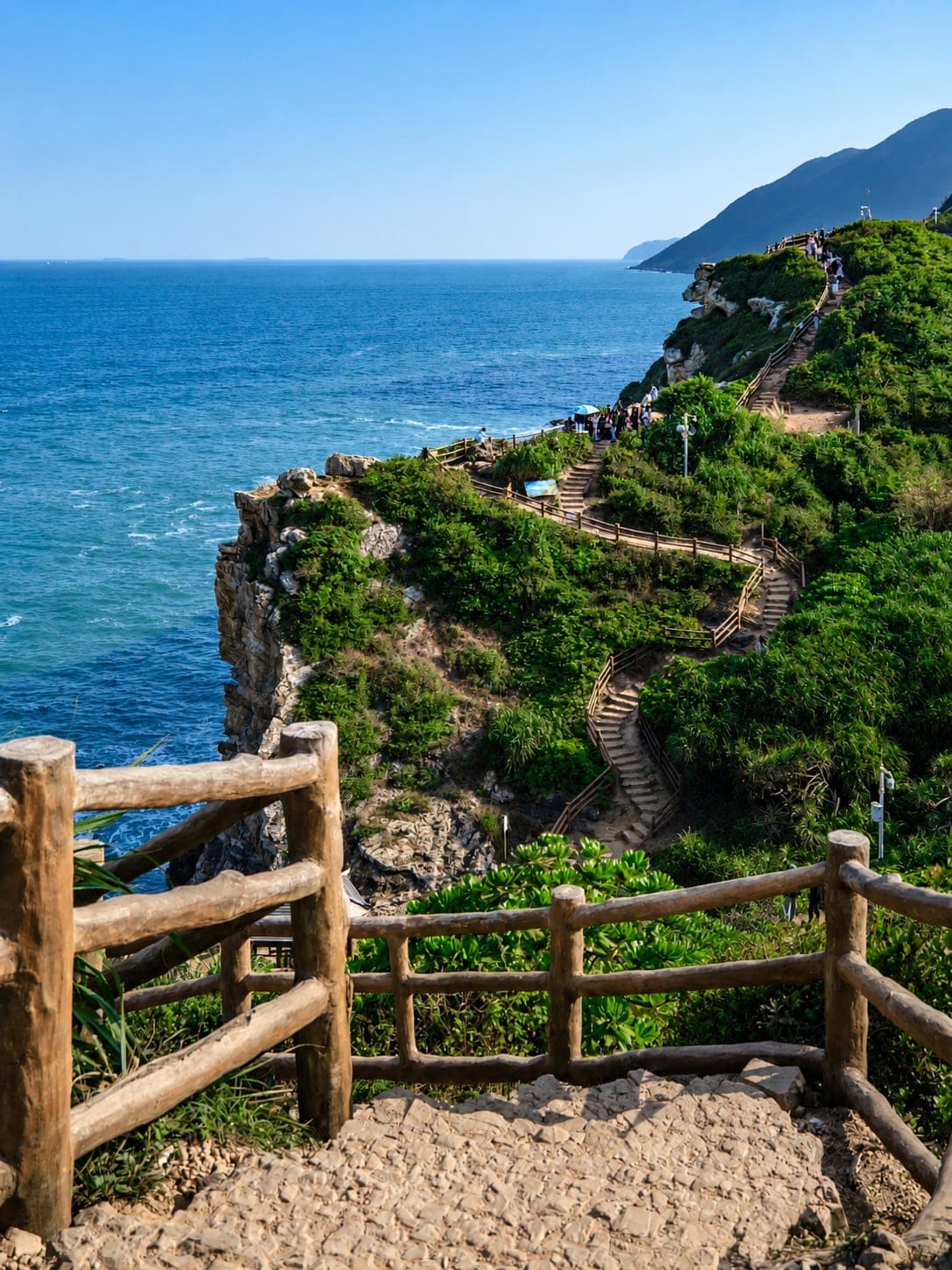
Yangmeikeng(the Dapeng Peninsula cove)
Where the Yangmei River meets the sea on the eastern Dapeng Peninsula, a sheltered cove framed by green hills and dark volcanic rock.
The coastal road runs out along the headland to a lighthouse on the cape, with a small working fishing village still on the bay. Locally considered the gentlest swimmable beach inside Shenzhen's boundaries.
We drive the coast road on a clear midweek morning with a peninsula driver who knows the tide and the wind shelter at the headland. The walk out to the lighthouse is paced so the lookout lands at golden hour.

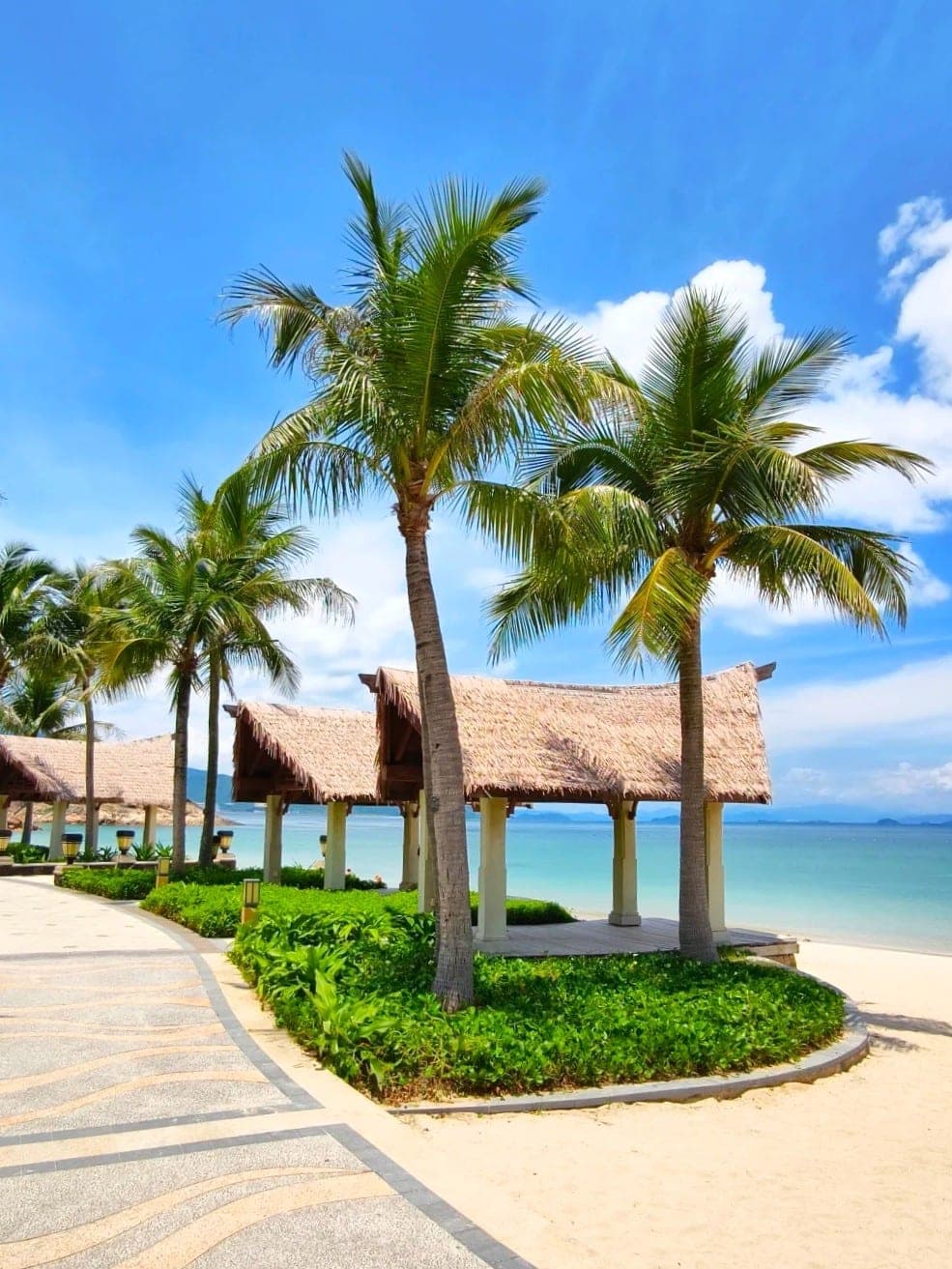
Jue Diao Sha(the Dapeng Peninsula white-sand crescent)
A white-sand crescent on the east face of the Dapeng Peninsula, sheltered between two green headlands with a long row of casuarina pines along the back of the beach.
The offshore reef draws snorkellers from across the delta on summer weekends, and the water clears to turquoise in the shoulder months. Locally rated as Shenzhen's best swimming beach.
We arrange the visit for a Tuesday or Wednesday morning, before the weekend coaches reach the gate, with a quiet stretch near the southern headland set aside for your group. Snorkel kit and shade are placed under the casuarinas before you arrive.

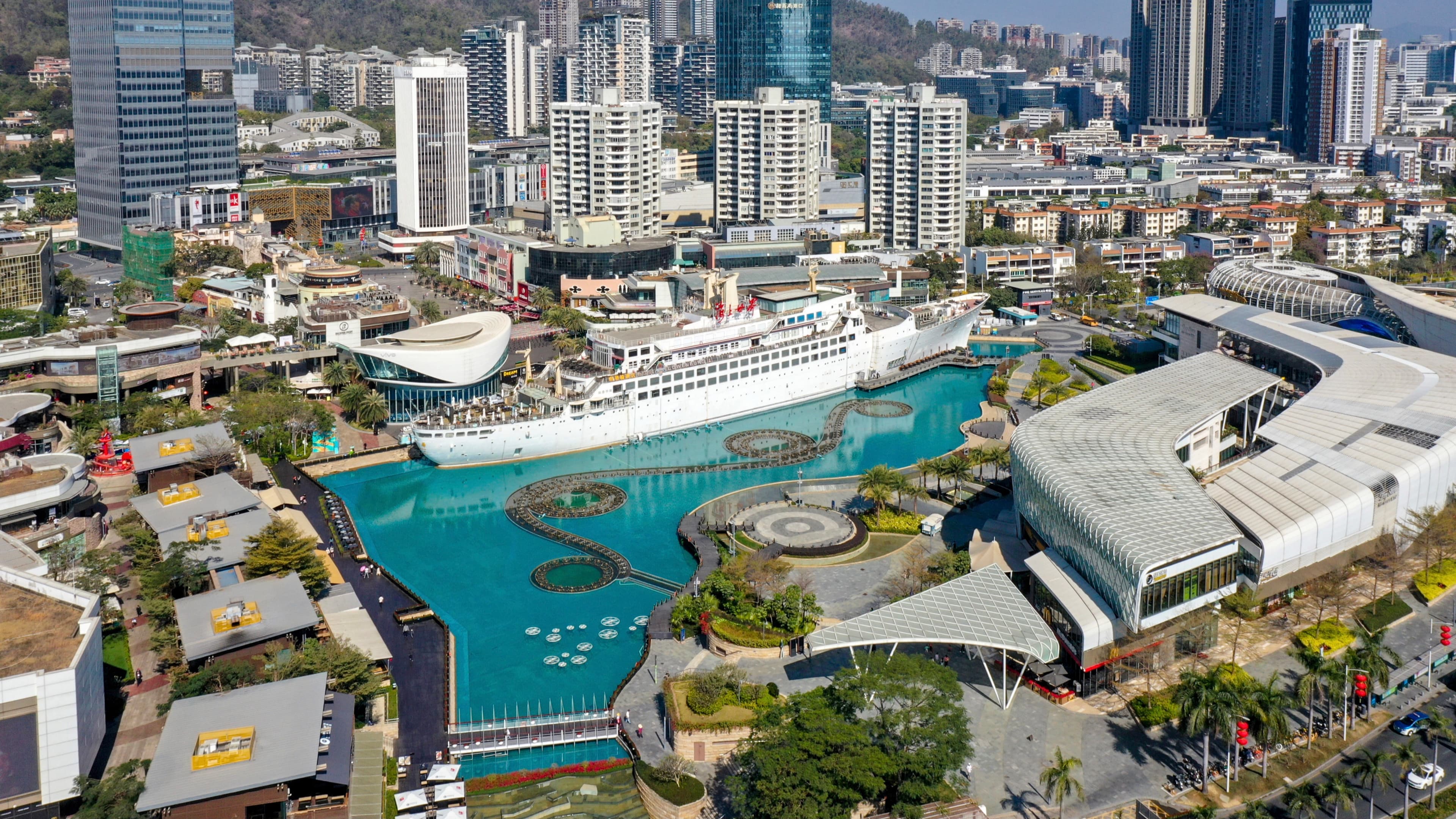
Sea World(Hai Shang Shi Jie, the Shekou waterfront plaza)
Built around the Minghua, a French-built ocean liner that Shenzhen acquired in 1983 and moored at Shekou as its first foreign-investment landmark.
The ship now houses a hotel and restaurant; the surrounding plaza holds open-air cafes, microbreweries, a bookshop, and a nightly fountain show choreographed around the hull. The Shekou ferry terminal to Hong Kong and Macau sits directly behind.
We walk the plaza in the early evening, in time for the fountain show against the Minghua's lit silhouette. Dinner is arranged at one of the older Cantonese kitchens along the plaza perimeter.

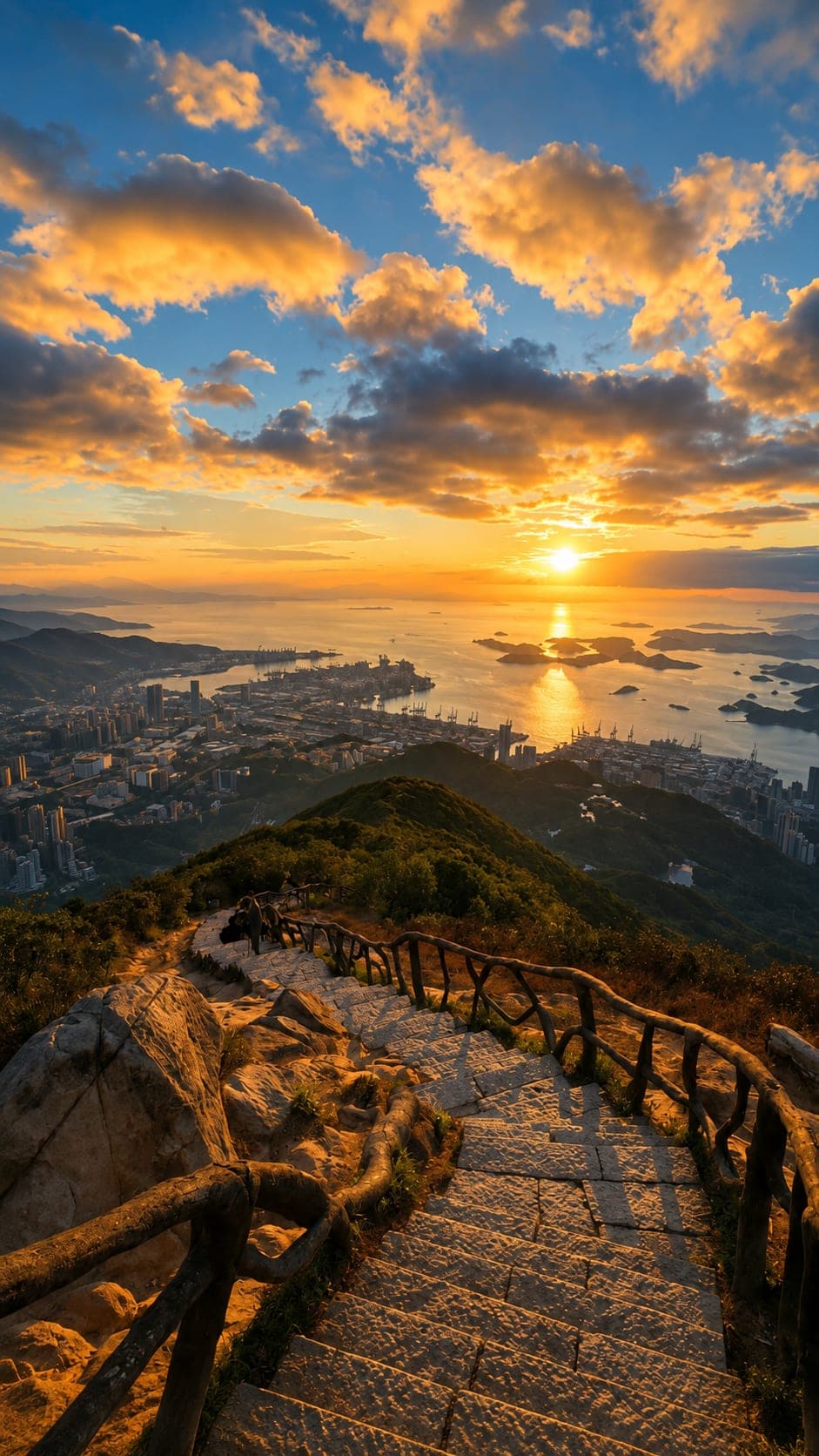
Wutong Mountain(Wu Tong Shan, the city's highest peak)
At 944 metres, Dawutong is Shenzhen's highest point, sitting on the eastern boundary with Hong Kong.
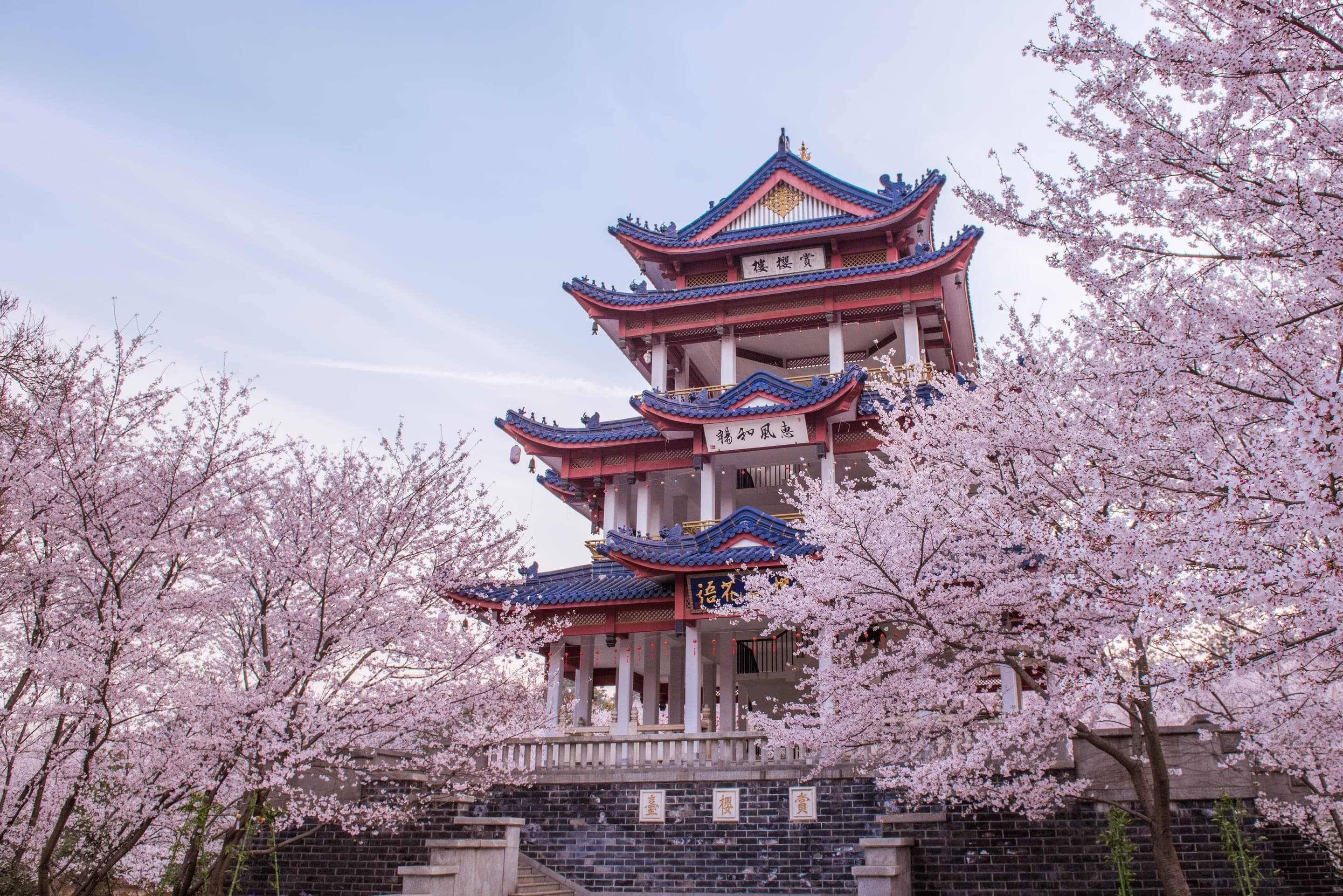
The granite ridge runs ten kilometres north to south, with Mirs Bay on one flank and the city's reservoir lakes on the other. Cherry blossoms along the western approach open for about ten days in late winter.
We take the western approach during the cherry-blossom window and the harder eastern ridge for clear-air winter mornings. The ascent is split into thirds: car to the trailhead, an hour up the stone path, and the last ridge walked at conversation pace.

Gankeng Hakka Town(the restored late-Ming clan village in Longgang)
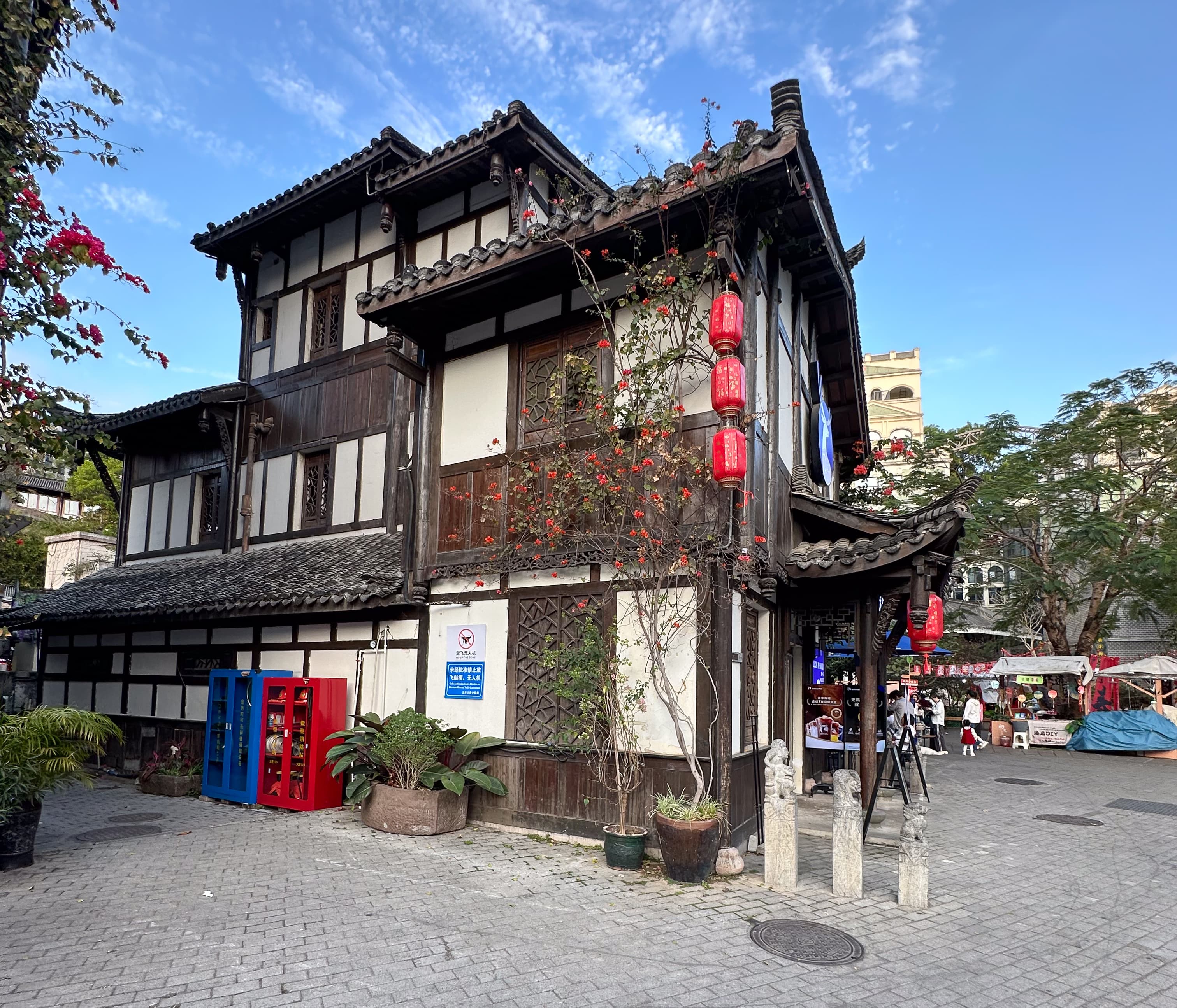
A Hakka migrant village settled in the late Ming in the hills of Longgang on the city's northern edge.
Clan houses, ancestral hall, watchtower, and stone bridges survive across a tight grid of stone lanes, restored in the 2010s with small cafes and design studios kept inside the original courtyards. A Hakka opera stage runs weekend programmes.
We visit on a weekday morning, when the lanes keep their working-village rhythm rather than the weekend foot traffic. Lunch is arranged inside one of the original clan houses, with salt-baked chicken and niang doufu from the family's own kitchen.

Joy Coast(Huan Le Gang Wan, the Bao'an waterfront)
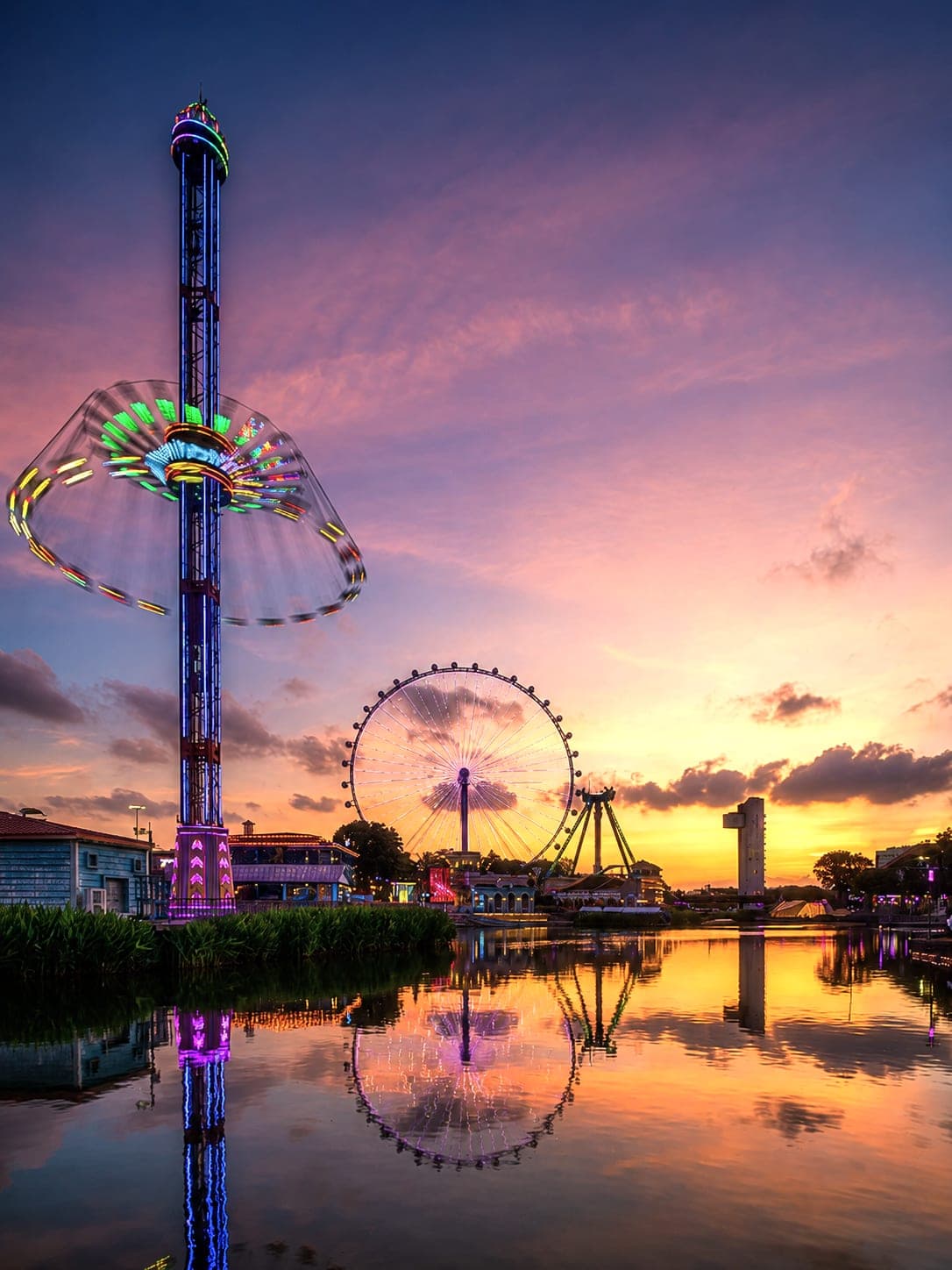
A waterfront park along the western edge of Bao'an, finished in 2021 around an inland lagoon facing Shenzhen Bay.
The 128-metre Bay Glory observation wheel rises from the centre of the park, with shopfront blocks, an outdoor concert lawn, and a children's water playground arranged along the lagoon edge. The light-and-fountain show after dark draws families from across the western city.
We time the wheel for blue hour on a clear evening, when the harbour bridge to the south and the Mawan port skyline are at their sharpest. The fountain show is watched from the lagoon's eastern walkway, beyond the line of the spray.

Window of the World(Shi Jie Zhi Chuang, the icon-replica park)
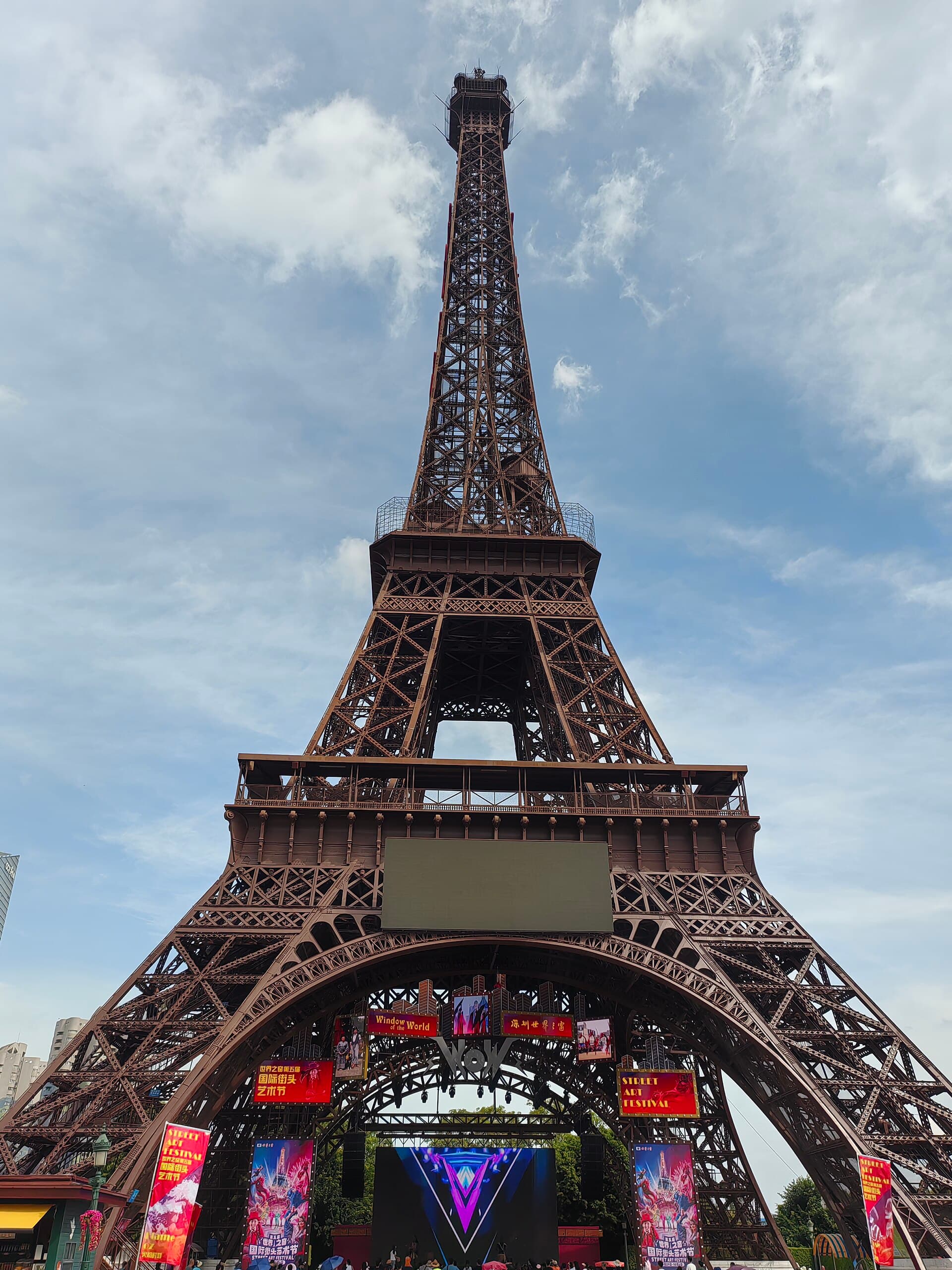
Opened in Nanshan in 1994 as one of China's first themed parks, with around 130 scaled-down replicas of world landmarks set across forty-eight hectares: Eiffel Tower, Pyramids, Taj Mahal, Roman Colosseum, Mount Rushmore.
The park is a 1990s artefact in itself, much loved by the city's families for the weekend fireworks and the country-themed restaurants along the perimeter.
We schedule the visit for late afternoon, so the replica circuit lands in golden light and the fireworks close the evening. Tickets and fast-track entry are pre-set so the gate queues do not start the visit.

Talent Park(Ren Cai Gong Yuan, the Nanshan lakeside park)
A lakeside park on the northern edge of Nanshan, finished in 2017 around a central lake.
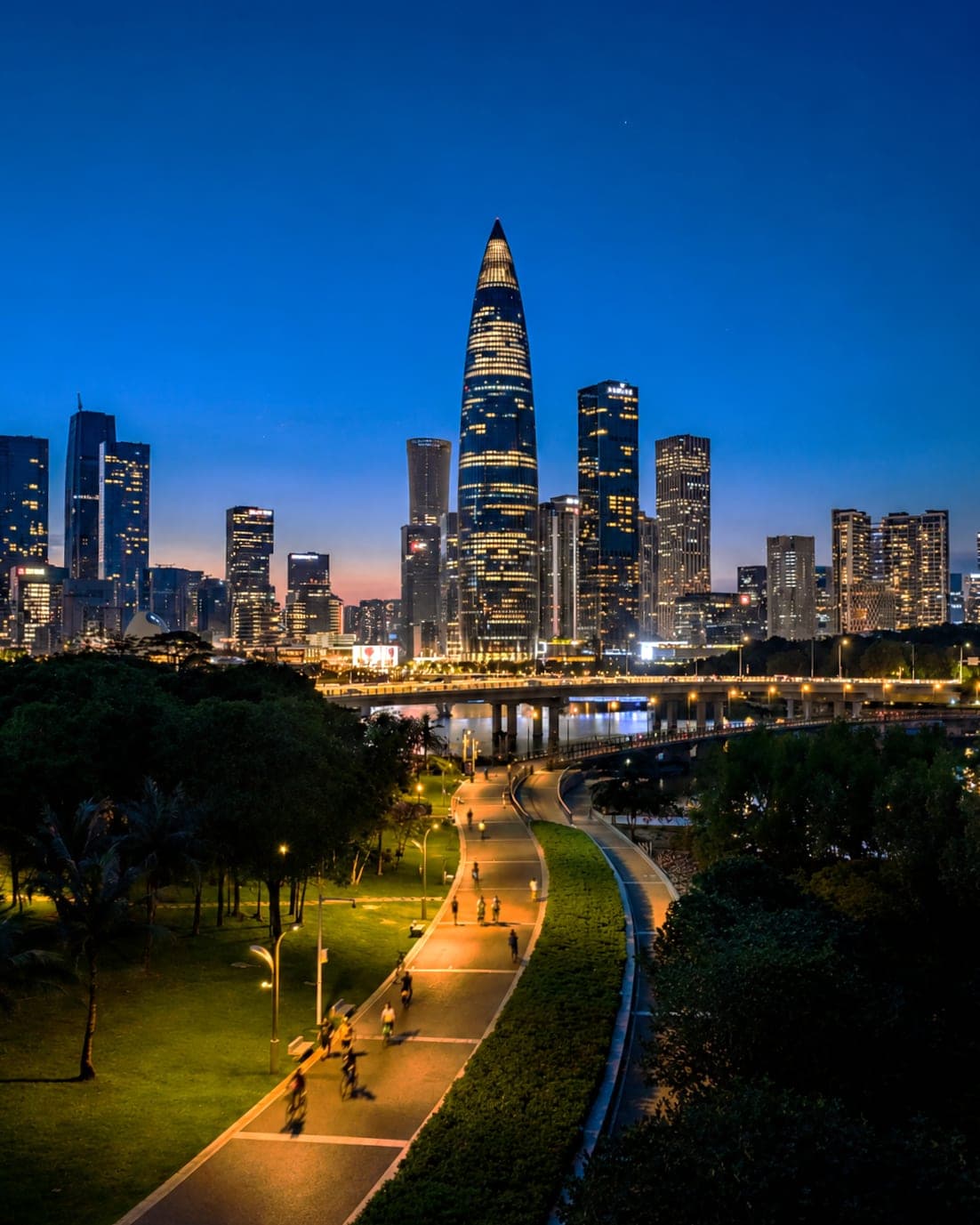
The Nobel laureate avenue runs along the eastern shore with engraved bronze plaques for each prize winner; the southern walkway gives an unobstructed line on the Shenzhen Bay bridge and the Hong Kong hills across the water. Cyclists, joggers, and morning tai chi all share the perimeter.
We walk the lake at sunrise on a clear morning, when the bay-bridge silhouette is sharpest and the joggers have not yet filled the path. Coffee from the lakeside cafe is timed for the bench at the southern viewpoint.

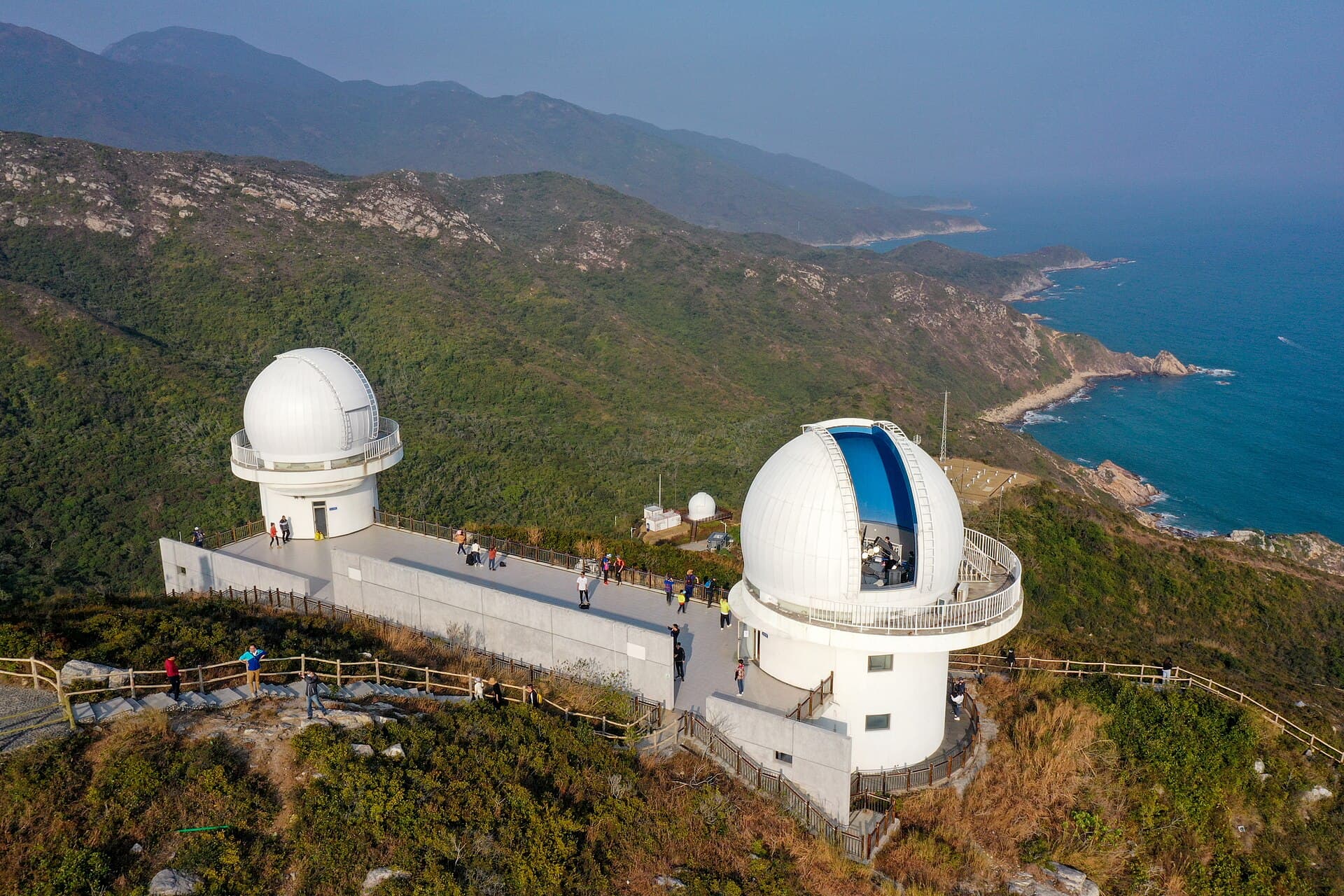
Shenzhen Astronomical Observatory(Shen Zhen Tian Wen Tai, on the Dapeng Peninsula)
The city's only public observatory and the southernmost in mainland China, set on an open headland on the southern Dapeng Peninsula.
The main dome houses a Cassegrain telescope; the smaller pavilion runs guided night-sky sessions on clear evenings. By day, the headland gives long views down the South China Sea and across to the Hong Kong islands.
We book the evening session for a new-moon weeknight with a clear forecast, when the sky above the headland is at its darkest. A picnic supper is set on the observation terrace before the session opens.
What to eat

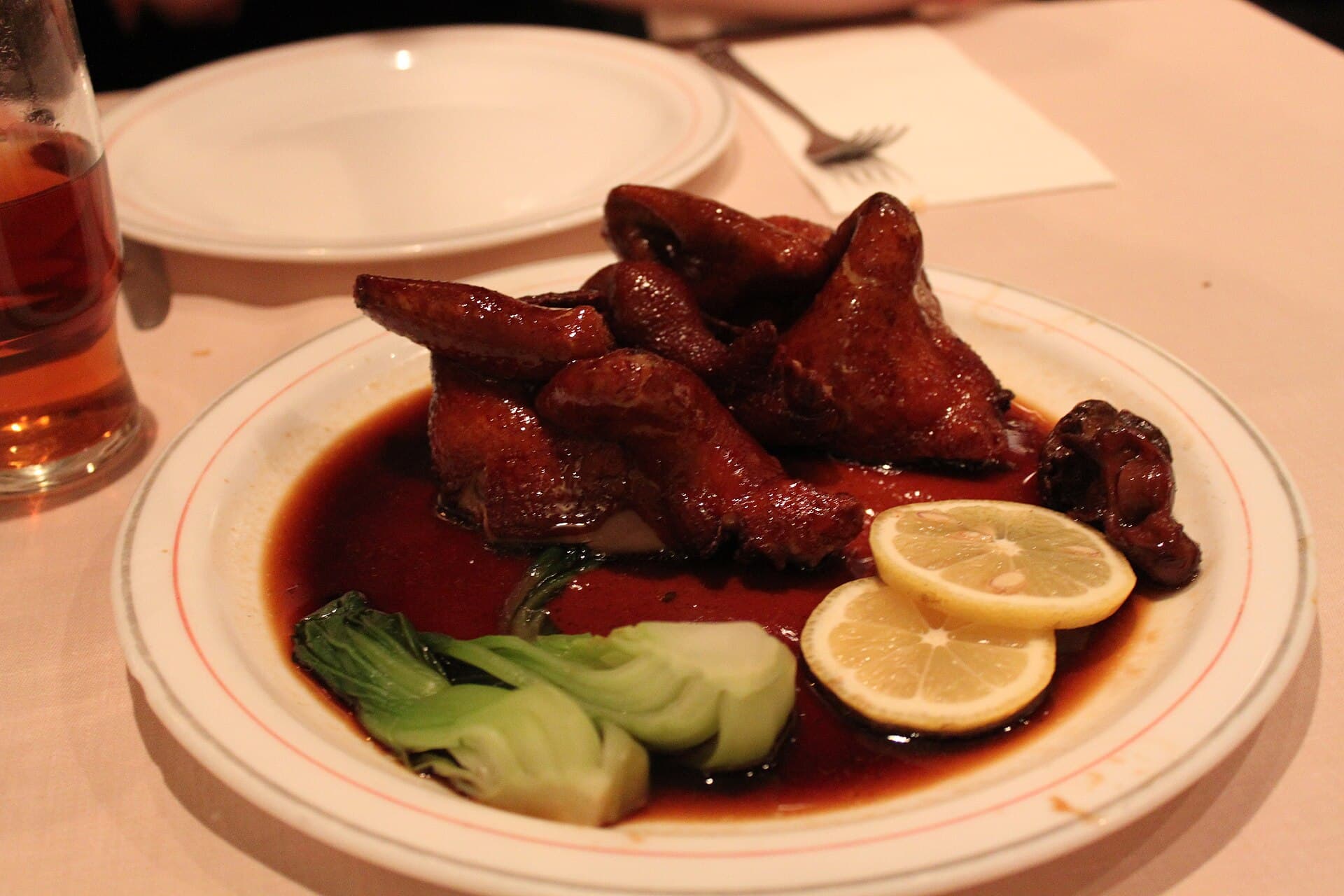
Roast pigeon(siu gap, the Cantonese roast bird)
The small dark bird of the southern banquet table, raised on a strict twenty-five-day cycle and roasted whole with a maltose and rose-wine glaze.
The skin lacquers to deep mahogany and snaps cleanly under the knife; the breast stays pink and juicy, the leg pulls clean from the bone. A small dish of salt-and-pepper or five-spice dip waits at the table.
We book a Bao'an roast house where the pigeons are bought live at dawn and the kitchen times the roast against your arrival. Two birds per four-top is the rule: one plain, one with the cooked-rice stuffing the house has held for decades.

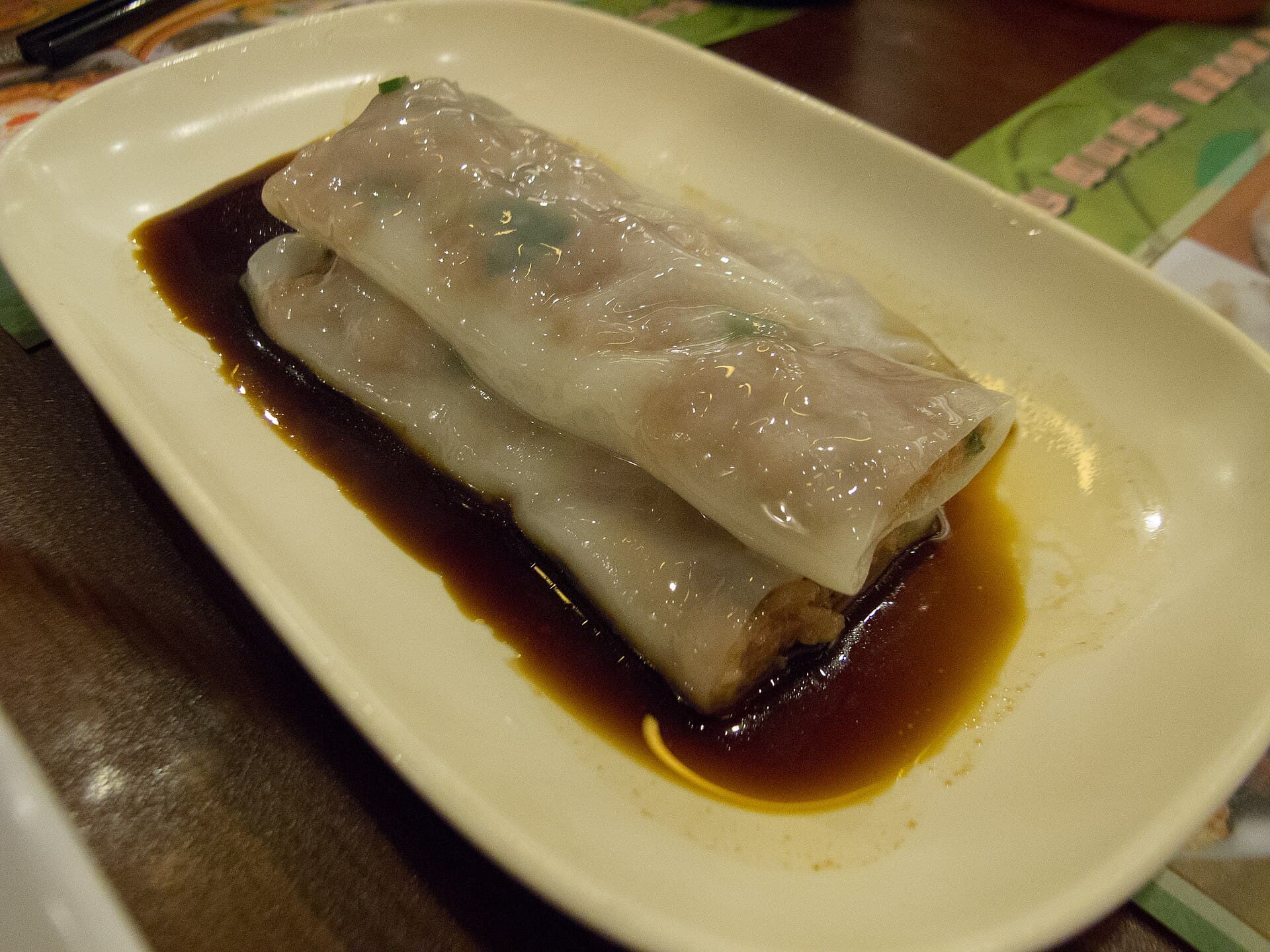
Cheung fan(rice noodle rolls, the Cantonese breakfast pillar)
The Cantonese breakfast pillar: a sheet of rice-flour batter steamed into a translucent skin barely thicker than a postcard, folded around prawn, char siu, beef, or fried dough sticks and finished with a light sweet soy.
Texture is the test, slippery and silken with just enough bite to hold the filling. The older Shenzhen houses still steam to order, one bronze tray at a time.
We take the counter seat at a Shekou house that still works the bronze trays one at a time, where the prawns are pulled from the live tank that morning. Order is by the tray, with each roll arriving at its proper warmth.

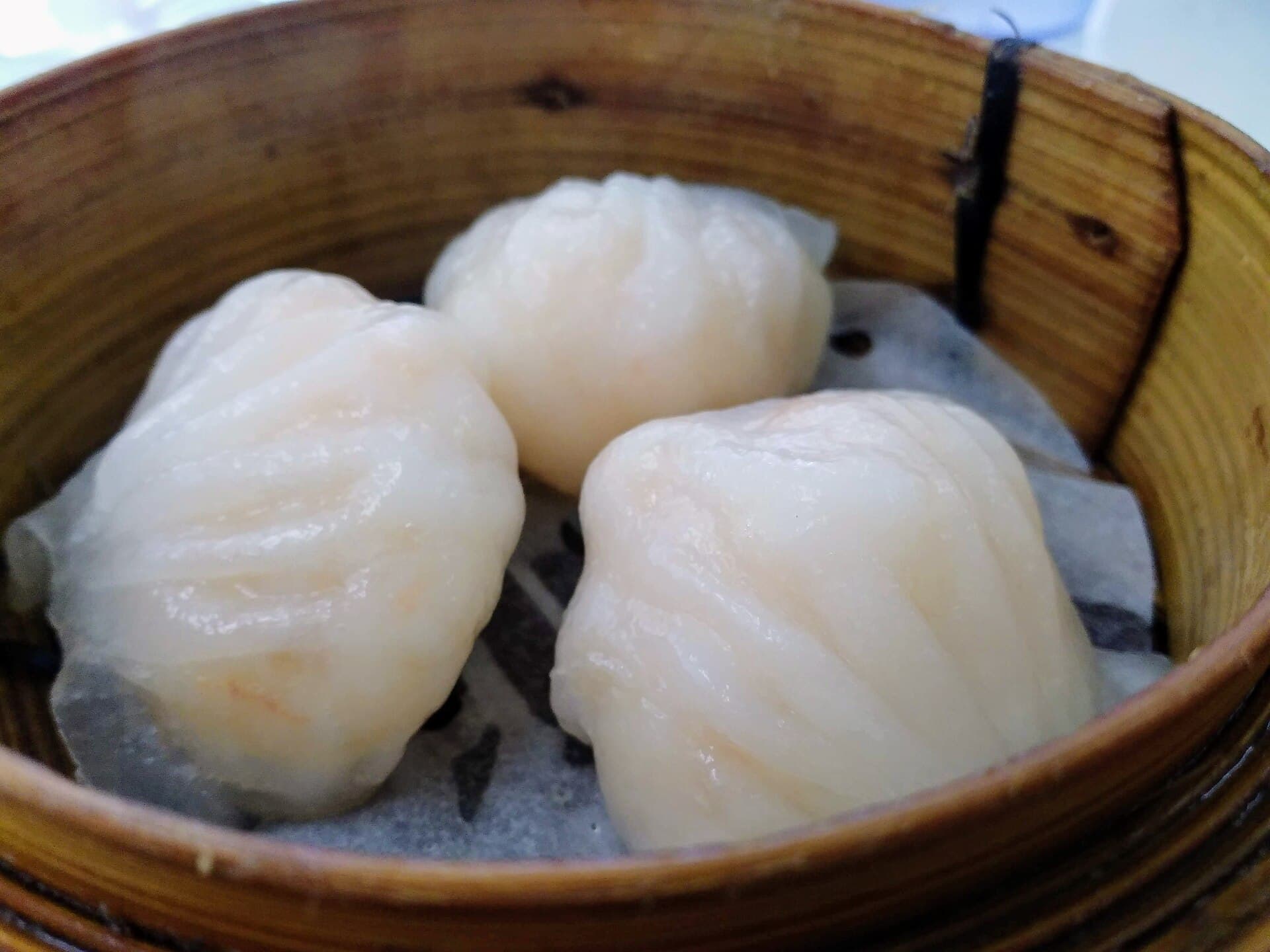
Cantonese dim sum(yum cha at the Futian counters)
Morning food, eaten from late breakfast through early lunch with tea poured continuously.
Har gow comes translucent around sweet, snapping prawn; siu mai is savoury with mushroom under pork and shrimp; char siu bao is soft and yielding around glossy barbecue pork. Hong Kong-grade kitchens have migrated north to Futian over the past decade, and the wrappers are folded with the same patience.
We book a Hong Kong-led Futian kitchen on a weekday morning, when the chefs have time to fold the har gow wrappers to seven pleats rather than five. Tea is paired by the room (jasmine, chrysanthemum, or pu'er) rather than by the order.
Shows and experiences

Ping An Free Sky(116th-floor observation deck, 547 metres up)
The Free Sky observation deck sits 547.6 metres above central Futian on the 116th floor of the Ping An Finance Centre, with thirty-six glass observation pockets suspended around the perimeter.
From this height, Shenzhen reads as a single forty-year project: the older Luohu grid in the foreground, Shekou tapering west toward the open bay, the Civic Center and Shenzhen Museum below.
We book the 10:00 first-entry slot on a forecast-clear morning, with a backup afternoon slot held in case the dawn haze does not lift. Winter is the most reliable season for visibility across the delta; summer can flip on a forecast.

Splendid China and Folk Culture Village by night(Jin Xiu Zhong Hua, the evening route)
The Overseas Chinese Town pairs miniature replicas of China's heritage sites with full-scale ethnic village quarters from across the country.
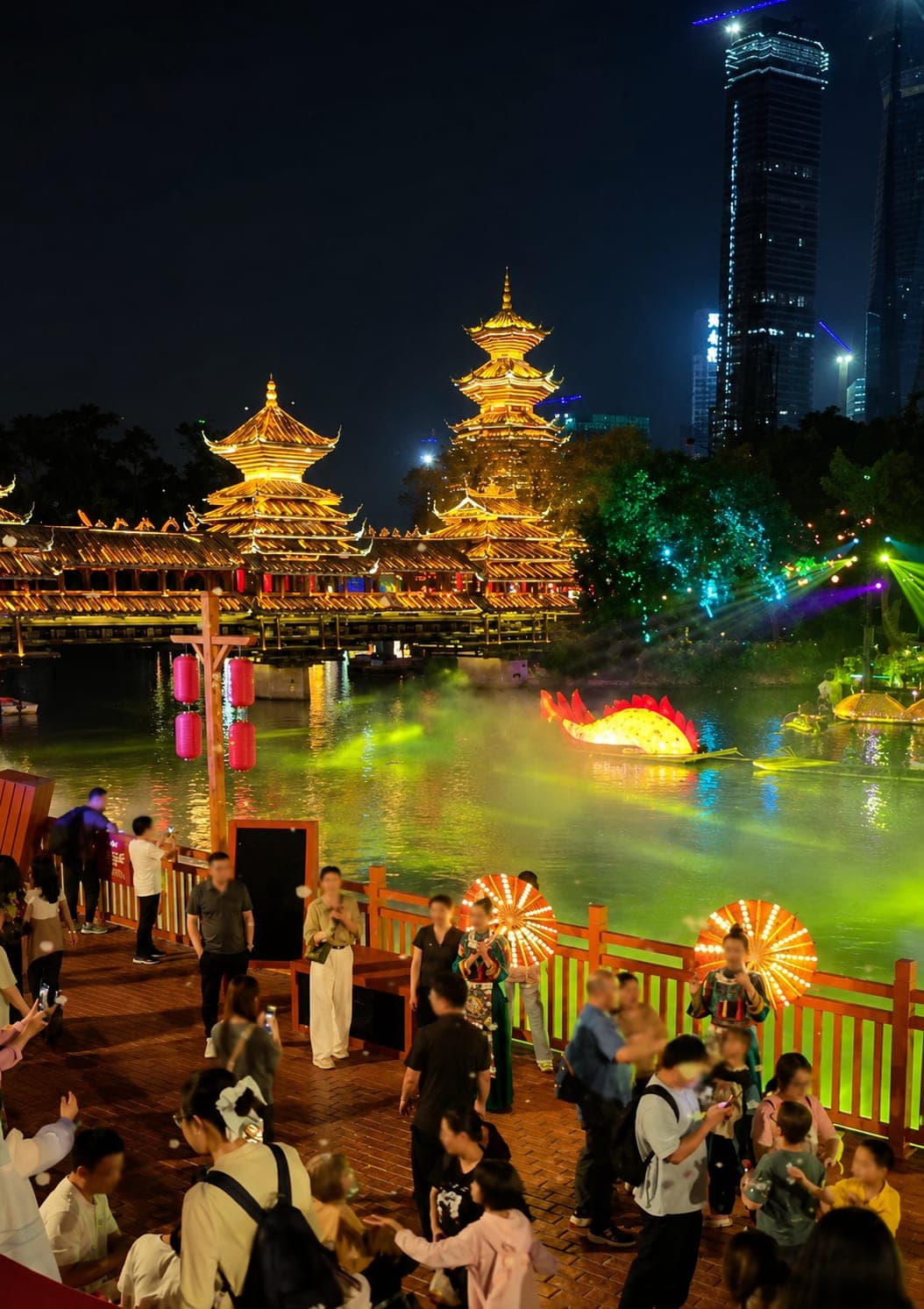
The evening programme runs torch-lit parades, ethnic-minority music sets, and a closing dance on the central stage. The miniatures hold their silhouettes better under lights than in daylight.
We pre-book front-block seats at the central stage so the closing dance lands in detail rather than at distance. The night sequence is paced rather than rushed.

Xu Yan(the Cantonese banquet and Hanfu dance, Nanshan)
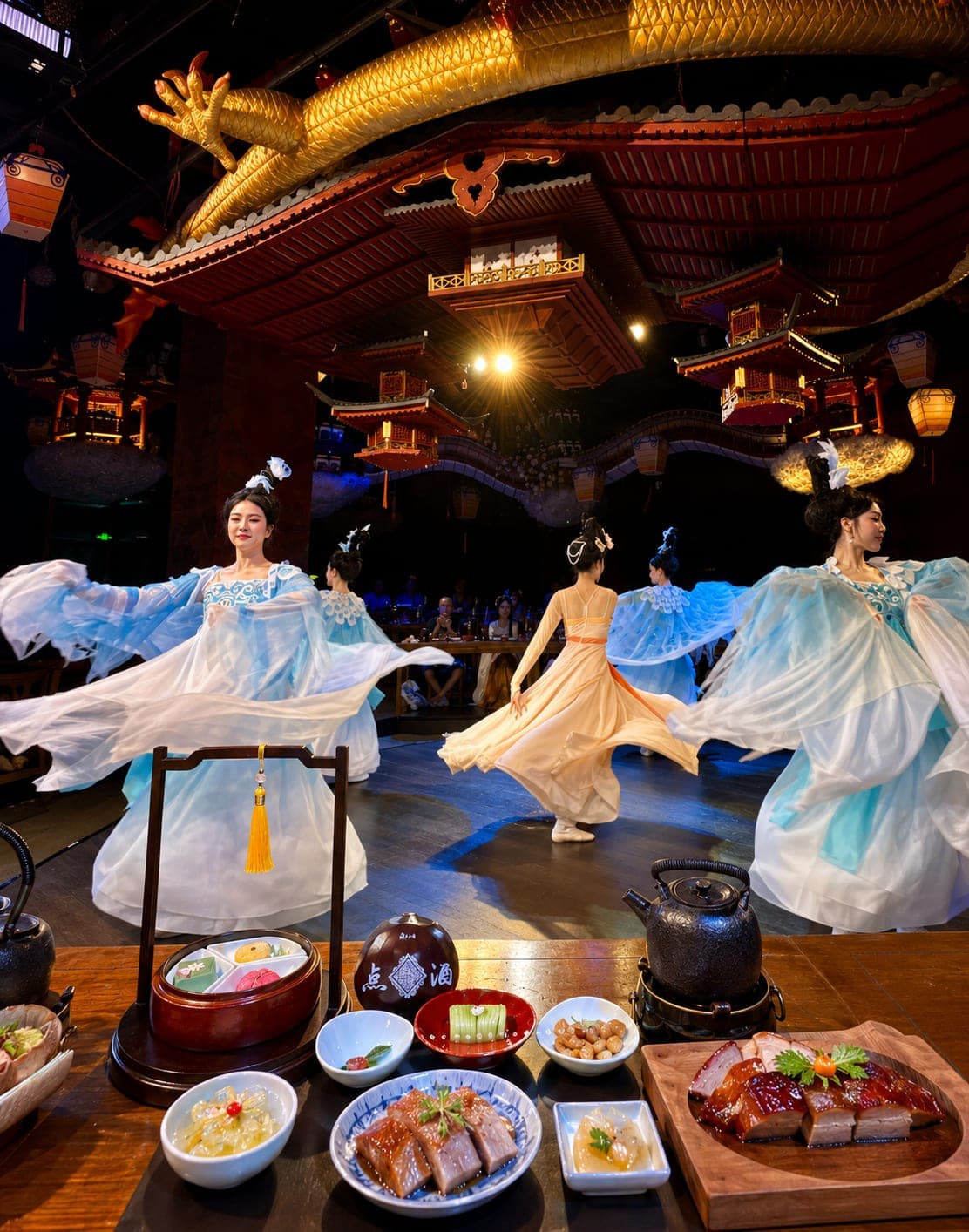
Xuyan is a Cantonese banquet held nightly in a vaulted hall in Nanshan, with a Hanfu dance set running through the meal.
Eight courses move across the Cantonese canon (suckling pig, roast pigeon, double-boiled soup, steamed fish, a noodle close); the central stage runs three dance interludes between the course flights. The hall is built around the stage, with tables ringed close enough for the choreography to land in detail.
We book a front-block table on a weekday evening, when the dance company plays to a quieter room than the weekend block. Course pacing is briefed against the dance breaks so the kitchen and the stage stay in step.
What three days
might look like.
- Day 01
Skyline morning, lakeside walk, Sea World by night.
Begin the day at the Free Sky observation deck on the 116th floor of the Ping An Finance Centre, where the city reads as a single forty-year project below. Continue mid-morning to Talent Park's lakeside for a walk to the southern viewpoint, with the Shenzhen Bay bridge and the Hong Kong hills clear on the horizon. After a Cantonese lunch in Nanshan, the afternoon turns to Window of the World for the icon-replica circuit. As evening falls, the visit to Sea World in Shekou ends with the fountain show in front of the lit Minghua ocean liner, and dinner waits at one of the older Cantonese kitchens along the plaza.
- Ping An Free Sky observation deck
- Talent Park (lakeside walk)
- Window of the World
- Sea World plaza (Shekou)
- Cantonese dinner on the Minghua
- Day 02
Ridge in pink, Hakka clan house, ridge under stars.
Spend the morning on Wutong Mountain via the western approach, paced so the cherry-blossom window or the winter ridge view lands without rush. Lunch is arranged inside a Hakka clan house in Gankeng Old Town, with salt-baked chicken and niang doufu poured from the family's own pots. The afternoon turns to the lanes of Gankeng, with time at the Hakka opera stage on weekends. As evening falls, the drive south to the Dapeng Peninsula brings you to the Shenzhen Astronomical Observatory for a guided night-sky session on a clear new-moon evening.
- Wutong Mountain (western approach)
- Dawutong summit
- Gankeng Hakka Town
- Hakka clan-house lunch
- Shenzhen Astronomical Observatory (night session)
- Day 03
Peninsula coves, ethnic-village evening, Xuyan to close.
Begin the day at Yangmeikeng on the eastern coast, walking the headland to the lighthouse cape at golden morning, then south along the peninsula road to Judiaosha for the white-sand crescent at midday. Return to the city for a late afternoon at Joy Coast in Bao'an, with the Bay Glory observation wheel timed for blue hour over Shenzhen Bay. As evening falls, the night programme at Splendid China and the Folk Culture Village runs torch-lit parades and the closing central-stage dance. For those wishing to extend the evening, Xuyan's Cantonese banquet and Hanfu dance set in Nanshan close the day.
- Yangmeikeng cove
- Judiaosha Beach
- Joy Coast (Bay Glory wheel)
- Splendid China night programme
- Xuyan (optional)
Best time
October to April; avoid July to September monsoon
Days needed
2 to 3 days
Where it sits
14 minutes by high-speed rail from Hong Kong; 29 minutes from Guangzhou
Questions worth
answering early.
Three nights covers Shenzhen comfortably. Day one runs Free Sky, Talent Park, Window of the World, and Sea World by night. Day two heads east: Wutong Mountain, a Hakka lunch in Gankeng, and the observatory under a new-moon sky. Day three turns to the Dapeng Peninsula coves at Yangmeikeng and Judiaosha, then Joy Coast and the Splendid China night programme to close.
You enjoy the trip,
we do the rest.
From your first enquiry to your last airport pickup, our specialists design your trip and stay in contact every step of the way. The guides, drivers and hotels you'll meet are part of our trusted network we've worked with for years, briefed to the same standards.
- Dedicated specialists, start to finish
- Guides briefed to our standards
- Fully transparent, no hidden costs
- No deposit until you confirm
Stretch the trip. Stitch in another.

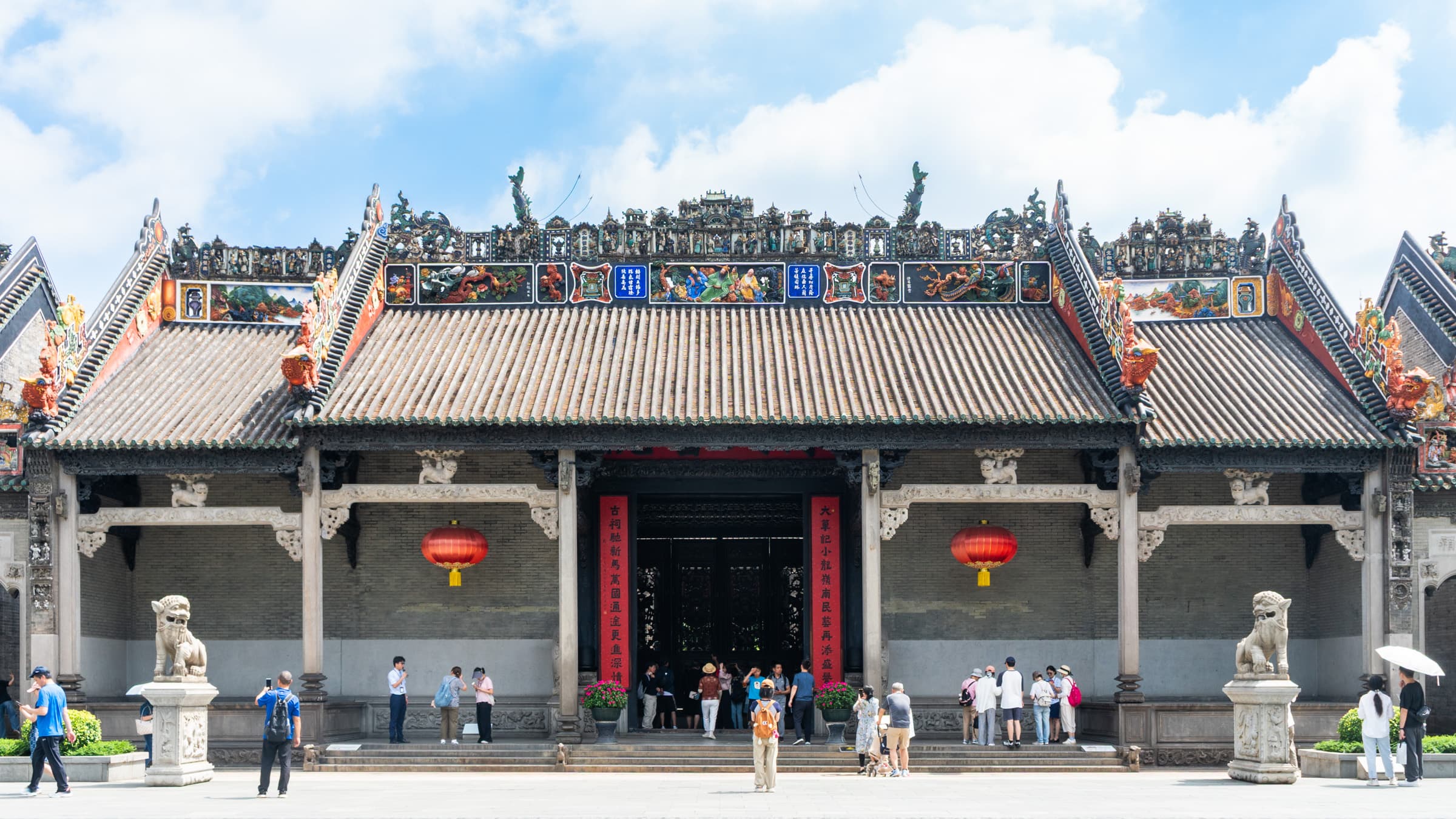
Guangzhou
Twenty-nine minutes by high-speed rail north. The Cantonese pair: Guangzhou for the trade-era heritage, Shenzhen for the forty-year city.
Read this destination
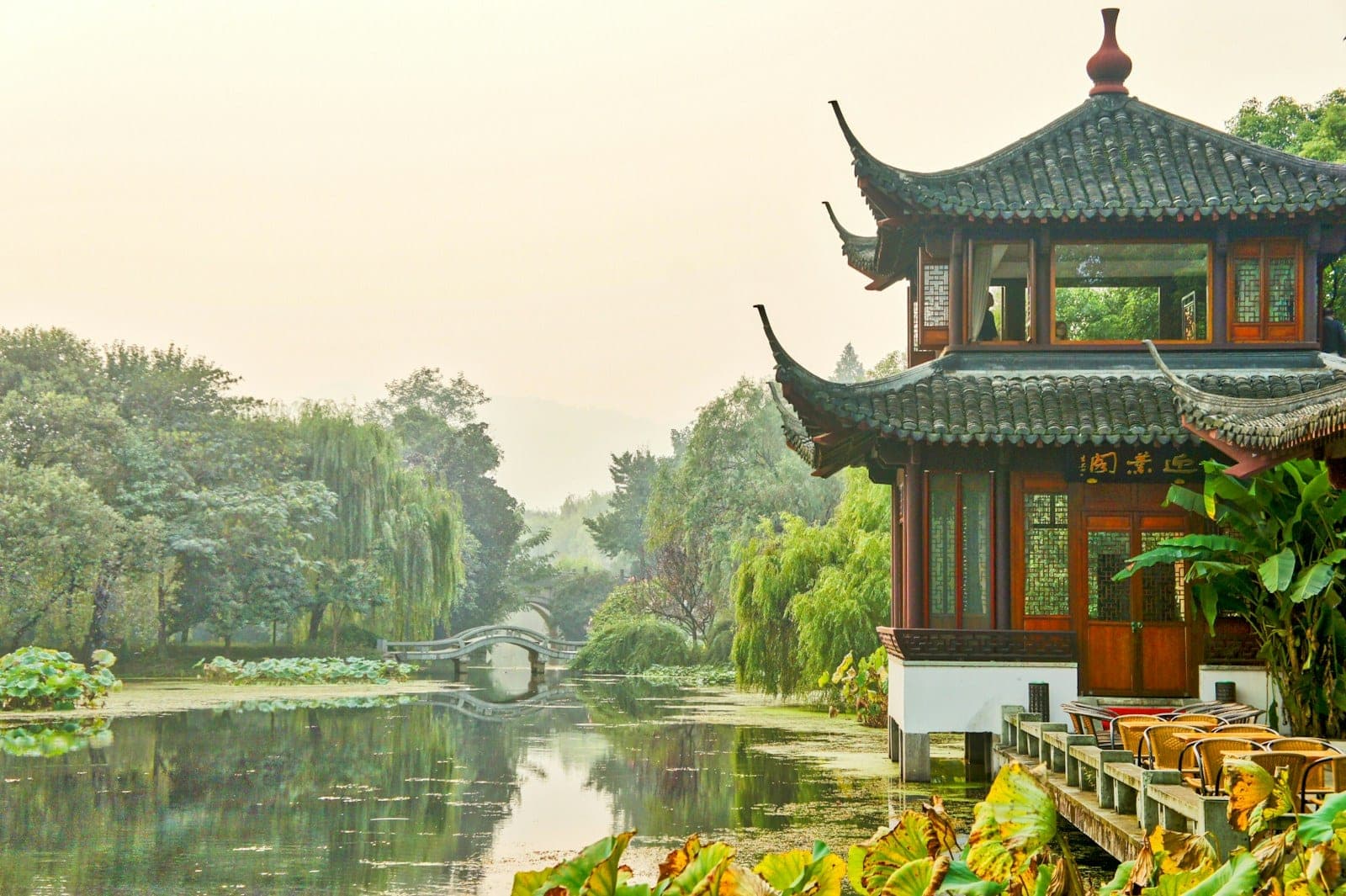
Hangzhou
Two-hour flight north. The water-city counter to Shenzhen's skyline: West Lake's tea hills against Futian's towers.
Read this destination
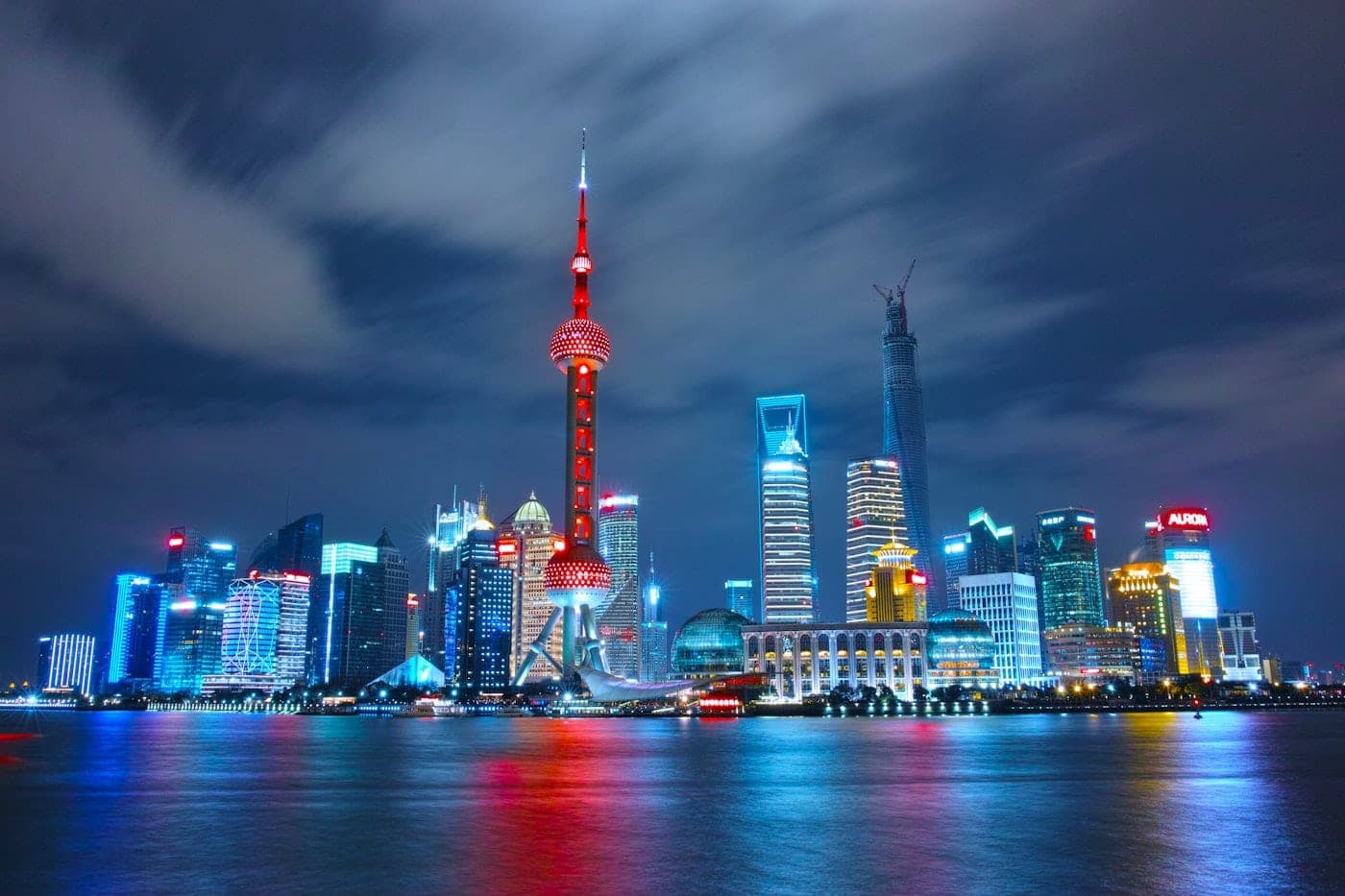
Shanghai
Two-hour flight north. The two faces of modern China: Shenzhen as the forty-year city, Shanghai as the century-long one.
Read this destination
Useful before
you enquire.

China tourist visa for US travellers
American passports still need a tourist visa for China under current rules. How the L-visa works, what we handle as part of your booking, and what is on you.
Read this guide
When to visit China, month by month
October to April is the workable window for Shenzhen and the Dapeng coast. The whole year, by climate and crowd.
Read this guide
How our pricing works
What sits inside the figure on your quote, and what sits outside it. The structure, written out.
Read this guide
Payments and connectivity in China
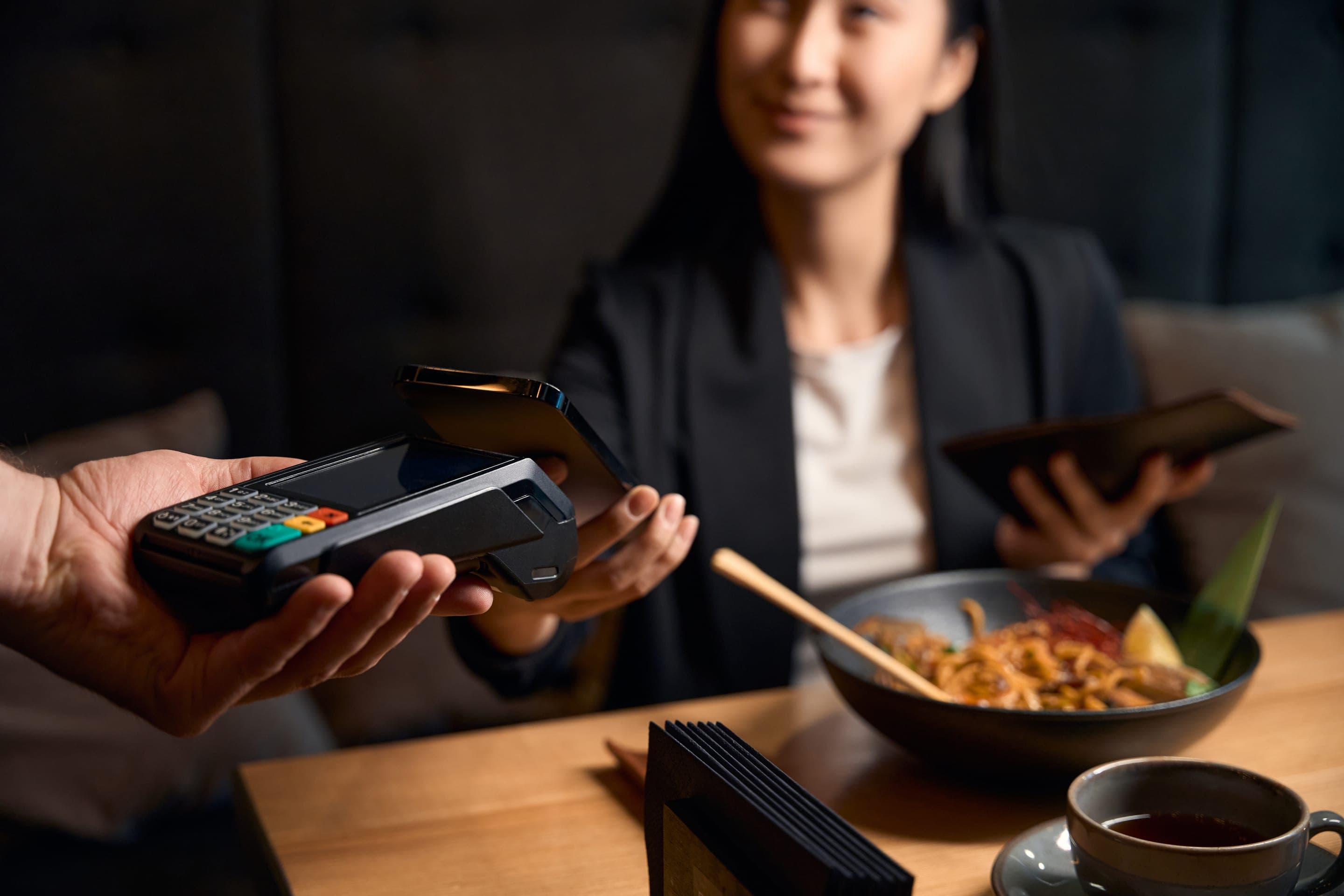
Alipay and WeChat Pay now take overseas Visa and Mastercard. The practical setup to do before you fly.
Read this guide
Design your Shenzhen trip
Start with your preferences. We'll craft a private itinerary in Shenzhen that fits how you like to travel.

Jack Guo
Your travel specialist
Jack has spent ten years working with the guides, drivers and hoteliers across China. He'll be your contact from first enquiry to final airport pickup.