
Fuzhou
Min culture, banyan trees, the seven alleys
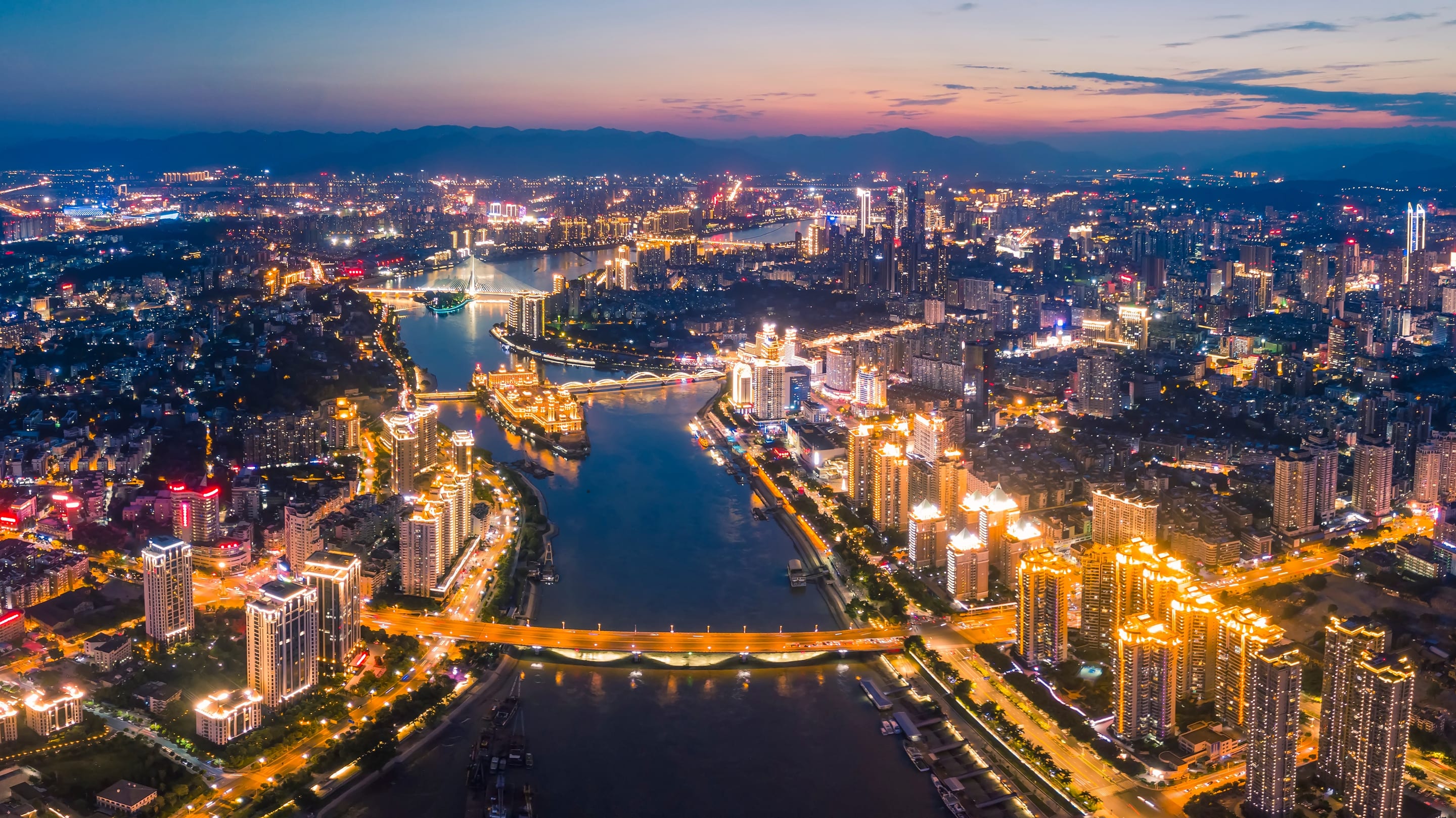
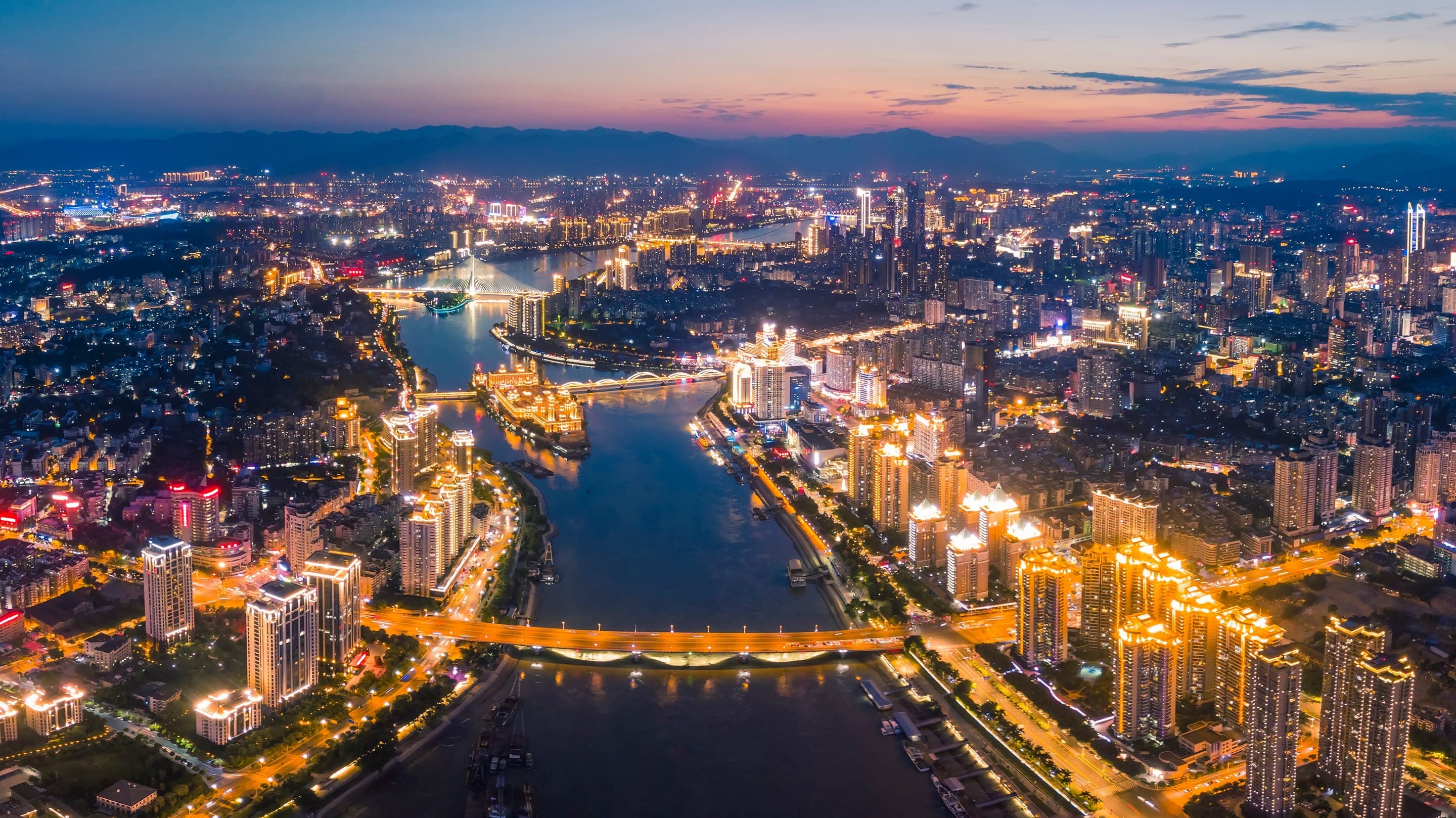
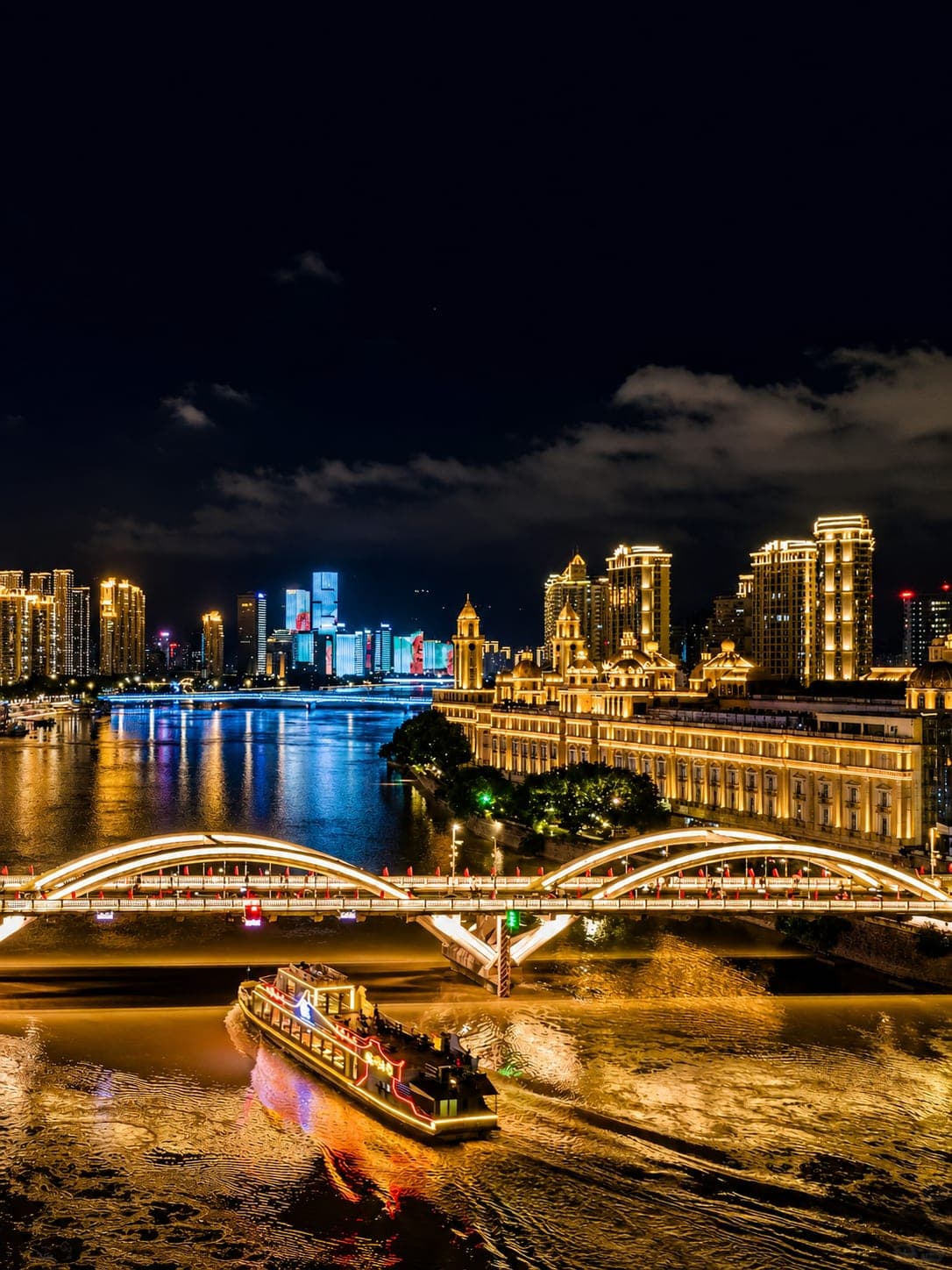
Fuzhou is the capital of Fujian, on China's southeast coast. The Three Lanes and Seven Alleys preserve an intact Qing-era street network in the city centre. The Min River runs east to west through the heart of the city, separating old Fuzhou from Nantai Island and Yantai Hill across the water.
Why people
come to Fuzhou.
What to see

Three Lanes and Seven Alleys(San Fang Qi Xiang, the Qing residential grid)
At the heart of old Fuzhou, ten parallel lanes hold an intact Qing-era residential grid of merchant courtyards, scholar pavilions and gabled clan houses.
The memorial hall of Lin Zexu, the imperial commissioner who burned the opium chests at Humen in 1839, opens off one lane; the former residence of Yan Fu, the first Chinese translator of Huxley and Spencer, sits on another.
We walk the grid at first light with a local historian who reads the courtyards by architecture and lineage, not as a stop list. A pot of jasmine tea is set out for you in one of the merchant mansion courtyards before the public gates open for the day.

Fujian Museum(Fujian Bo Wu Yuan, the provincial collection)
On the western shore of West Lake Park, the Fujian Museum holds the province's principal collection.
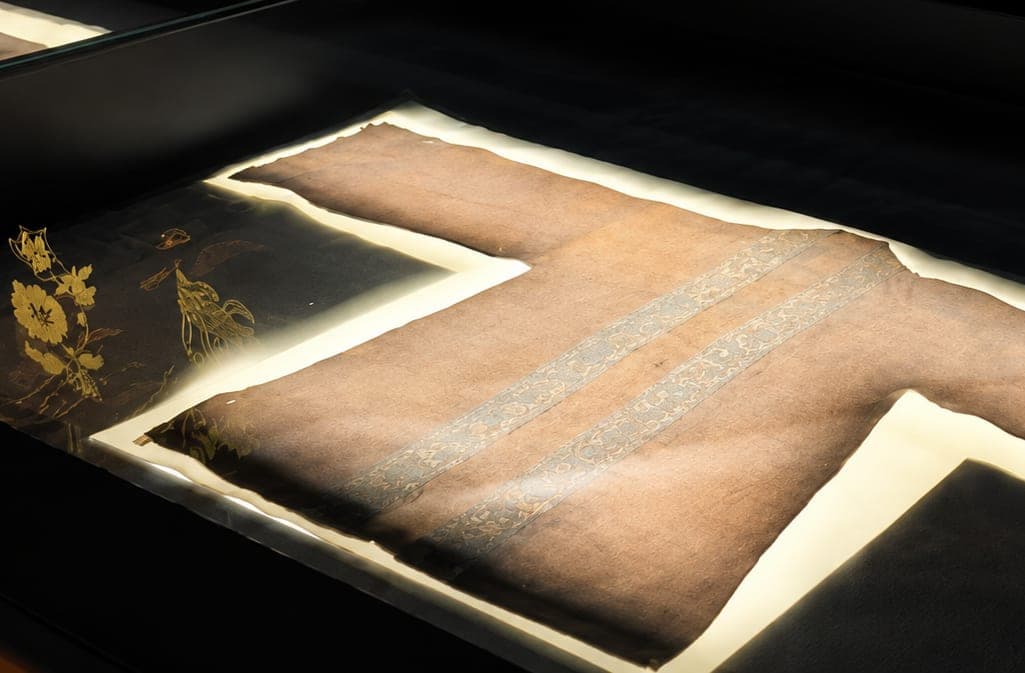
The upper-floor Min Yue galleries trace the early kingdom's bronze age and its absorption into the Han empire; below, the maritime-trade hall sets out the Quanzhou-era ceramic and silver trade with the Indian Ocean. The Tang tomb-figurine hall is the room you'll linger in.
We book the entry reservation against your passport details, since the official portal asks for a Chinese mobile number that overseas travellers cannot use. Your guide opens at the Min Yue galleries, walks the maritime hall next, and closes at the figurine room.

Min Yue Shui Zhen(the canal-and-pavilion quarter)
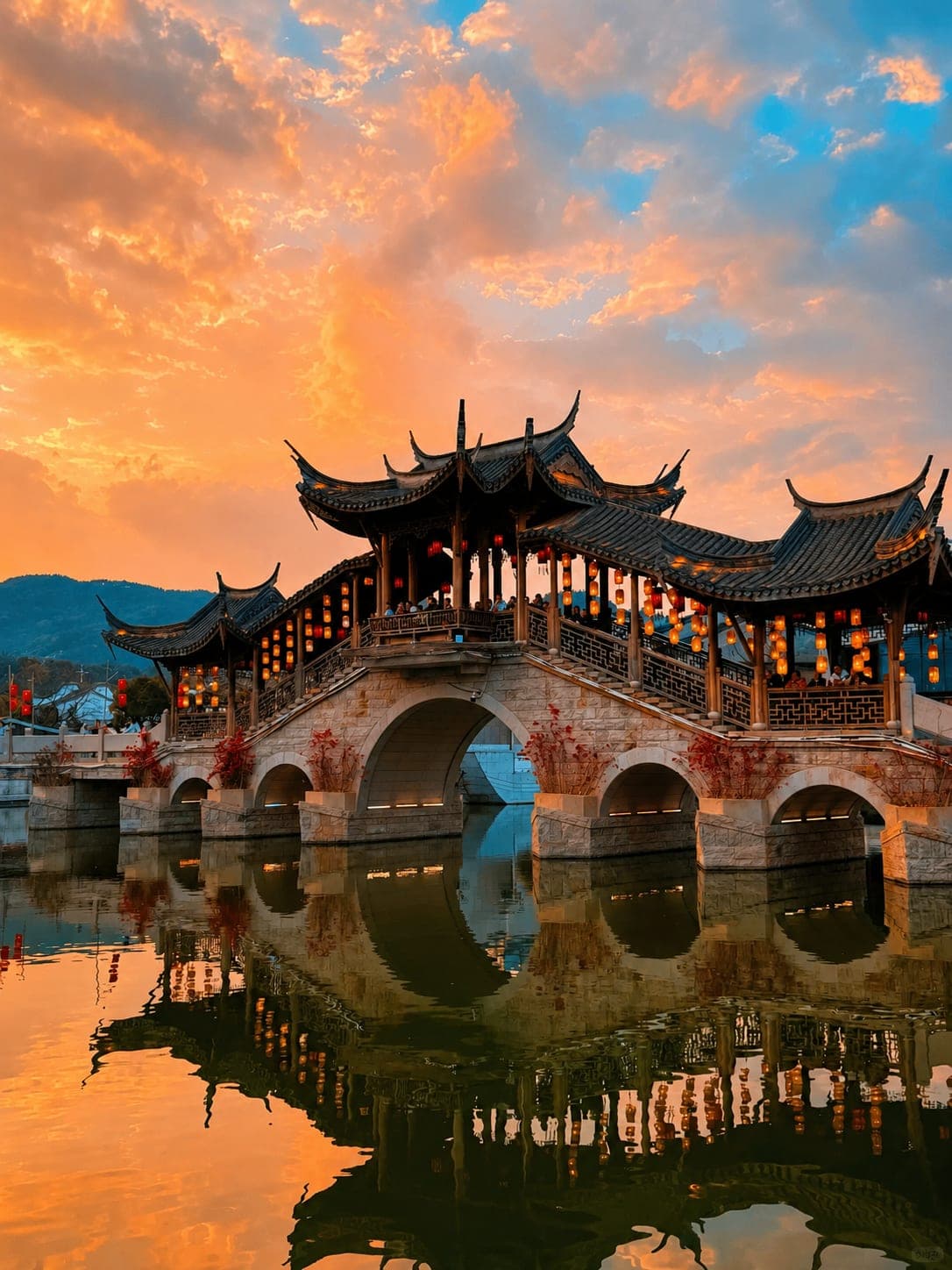
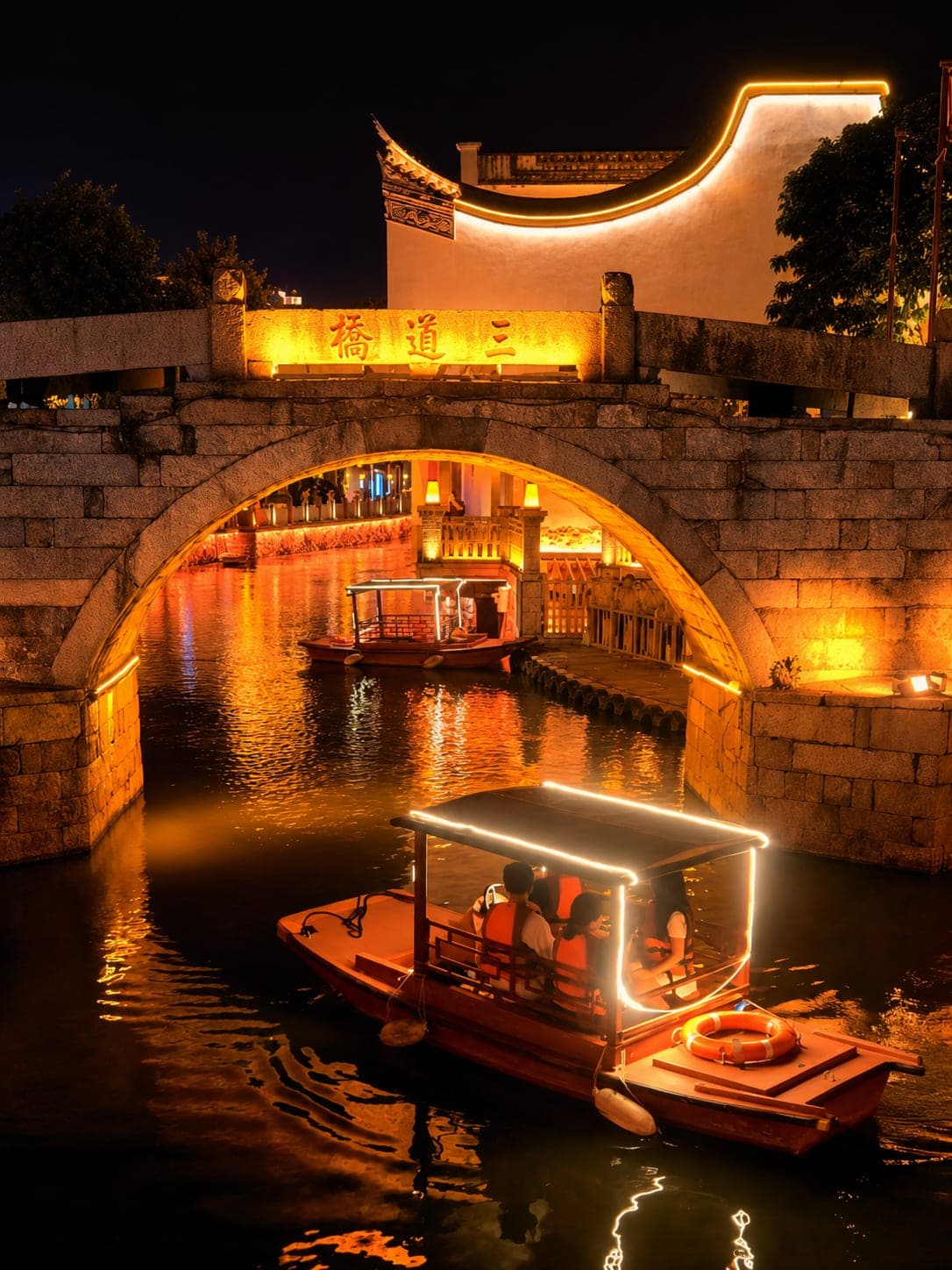
Opened in 2019 just outside central Fuzhou, a reconstructed Min-style quarter of canal streets, gabled pavilions and stone bridges set around a working lattice of waterways.
The Min-opera theatre at the centre runs an afternoon programme; the south-arc studios keep lacquer-thread work, paper-cutting and bodiless lacquer alive. The boats run from dawn until late evening.
We arrive in the late afternoon, when the lanterns come on along the canals and the daytime coach loads have thinned. A private boat is held for the early-evening route through the southern arc, and the Min-opera matinee is checked against your day with seats booked in the front block.

Shang Hang and Xia Hang(the merchant-guild quarter)
On the southern bank of the Min River, the surviving merchant-guild quarter where Fuzhou's nineteenth-century trade in tea, sugar and timber once filled dozens of guildhalls.
Restoration kept the standing halls and a row of Qing arcades along the riverfront, with cafes and small studios set behind the courtyard walls. The opera house at the centre runs a weekend programme.
We walk the quarter on a weekday afternoon with a guide who reads the guildhall pediments and the porcelain-trade signage along the arcade row. The most ornate of the standing halls is opened for a quiet half-hour visit.

West Lake Park(Xi Hu Gong Yuan, the city's oldest garden)
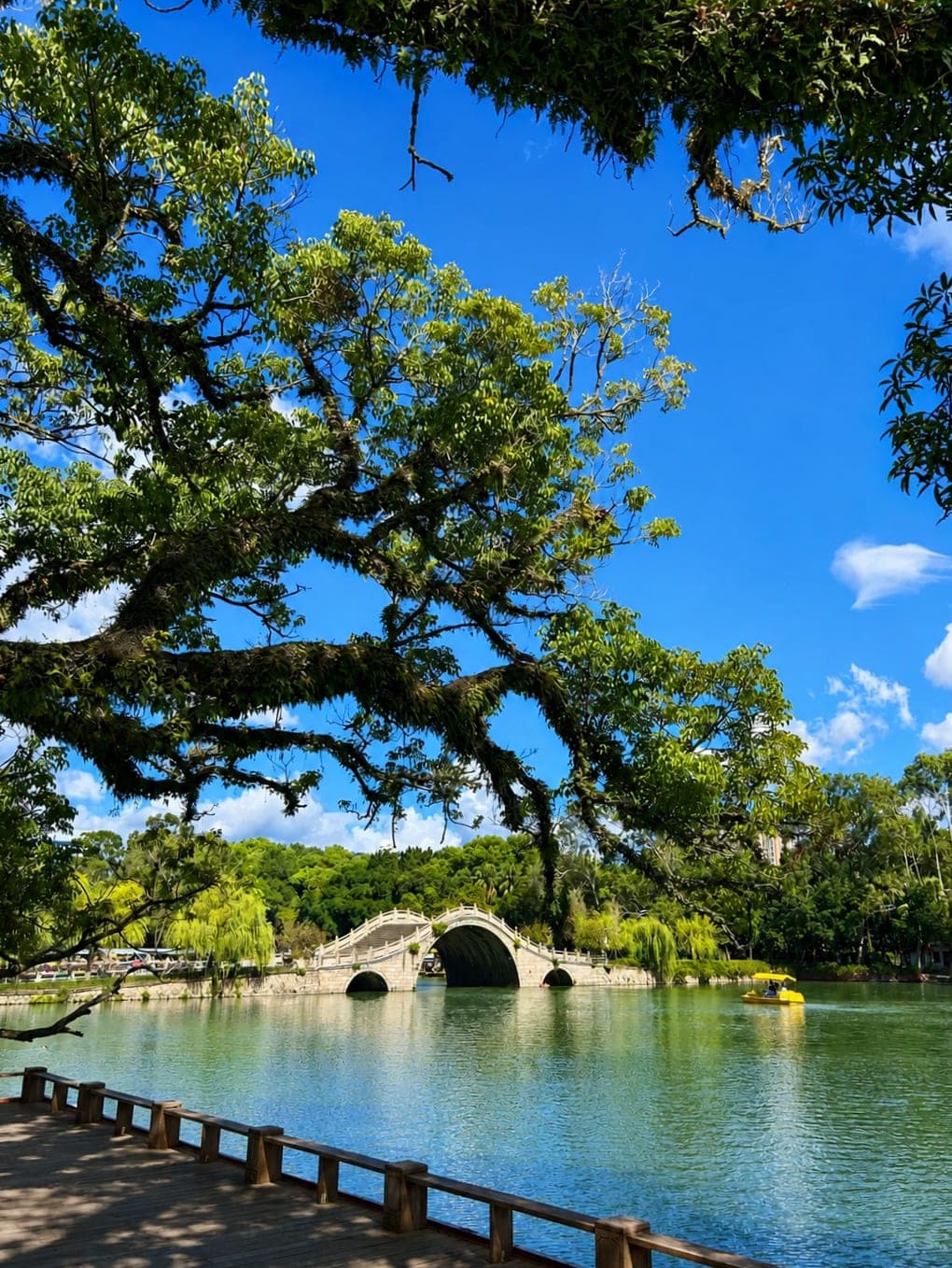
Fuzhou's oldest public garden, dug as a reservoir in 282 CE under the Western Jin and reshaped through the Tang into a scholar retreat of three small islands linked by stone bridges.
The Min Lake Pavilion holds calligraphy by Lin Zexu; Kaihua Temple sits on the central island under century-old banyans. At dawn the paths fill with tai chi groups and, in season, dragon-boat crews.
We walk the lake at dawn, when the morning tai chi groups have the islands and the bridges to themselves. The route opens at Kaihua Temple, crosses the central island and ends at the Min Lake Pavilion for the Lin Zexu calligraphy before the day-trippers arrive.

Yantai Hill(Yan Tai Shan, the treaty-port concession quarter)
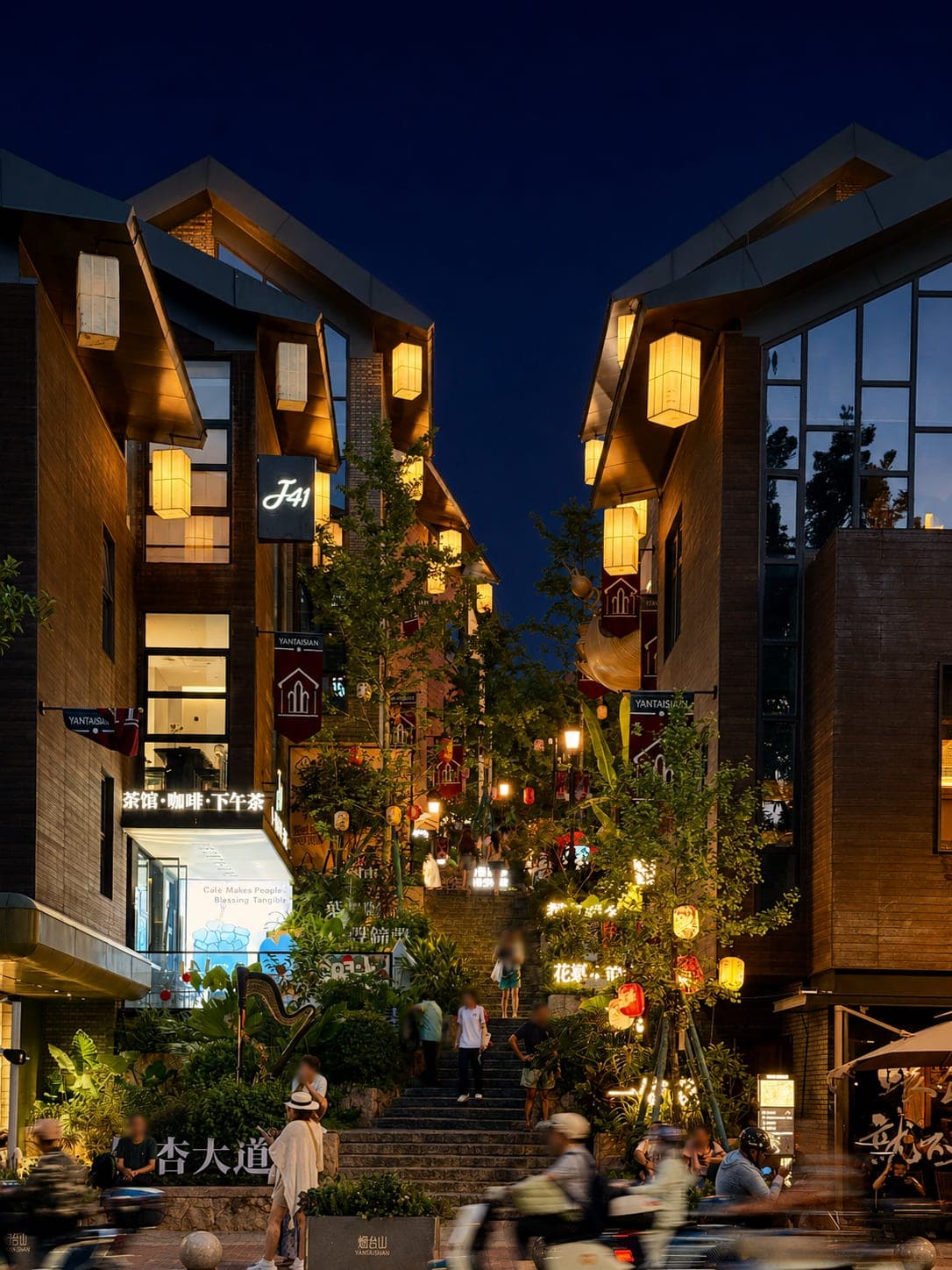
On the northern slope of Nantai Island, across the Min River from old Fuzhou.
After Fuzhou opened as one of the five treaty ports in 1842, the hill filled with foreign consulates and trading houses that ran the southern tea export at its peak. About 150 of those concession buildings have been restored since the late 2010s; the quarter reopened in 2022.
We walk the quarter on a weekday afternoon with an architectural historian who reads the consulate buildings as fabric, not as a stop list. Two restored interiors not on the public route are opened for the visit.

Dong Jie Kou(the city's main crossroads)
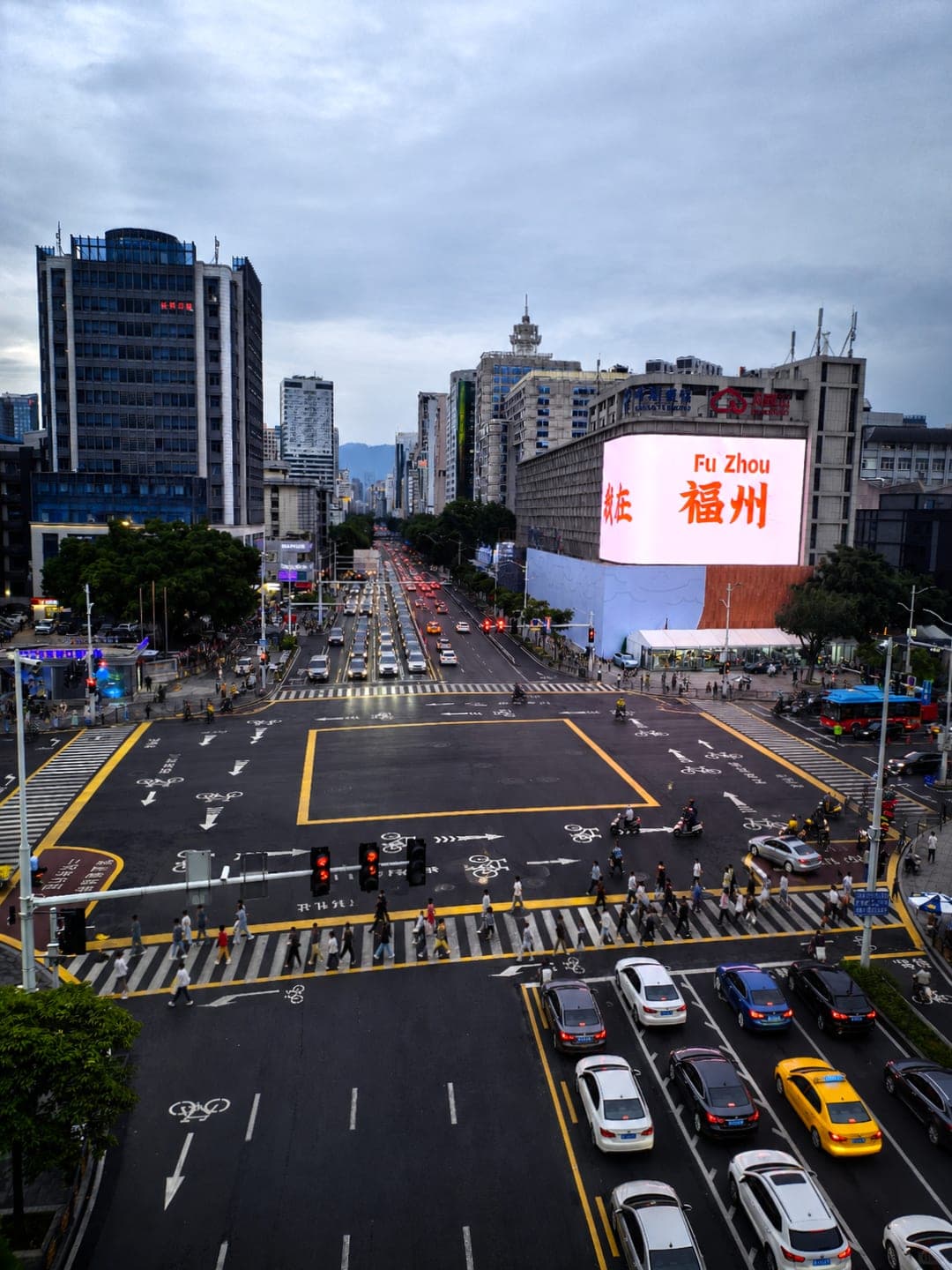
The principal crossroads of old Fuzhou, where the city's east-west axis meets the north-south spine running down from Drum Tower Square.
The Eastern Street arcades hold the surviving early-twentieth-century shopfronts; the Three Lanes and Seven Alleys heritage block opens directly off the north-west corner. Dongbai, the city's first department store, still trades on the eastern corner.
We use Dongjiekou as the pivot for an old-city afternoon, walking south from the crossroads into Three Lanes and Seven Alleys, then east along the Eastern Street arcades to a tea-house counter your guide keeps for the late-afternoon hour. The crossroads itself is read in passing, not queued for.

Mount Gu(Gu Shan, the city's eastern peak)
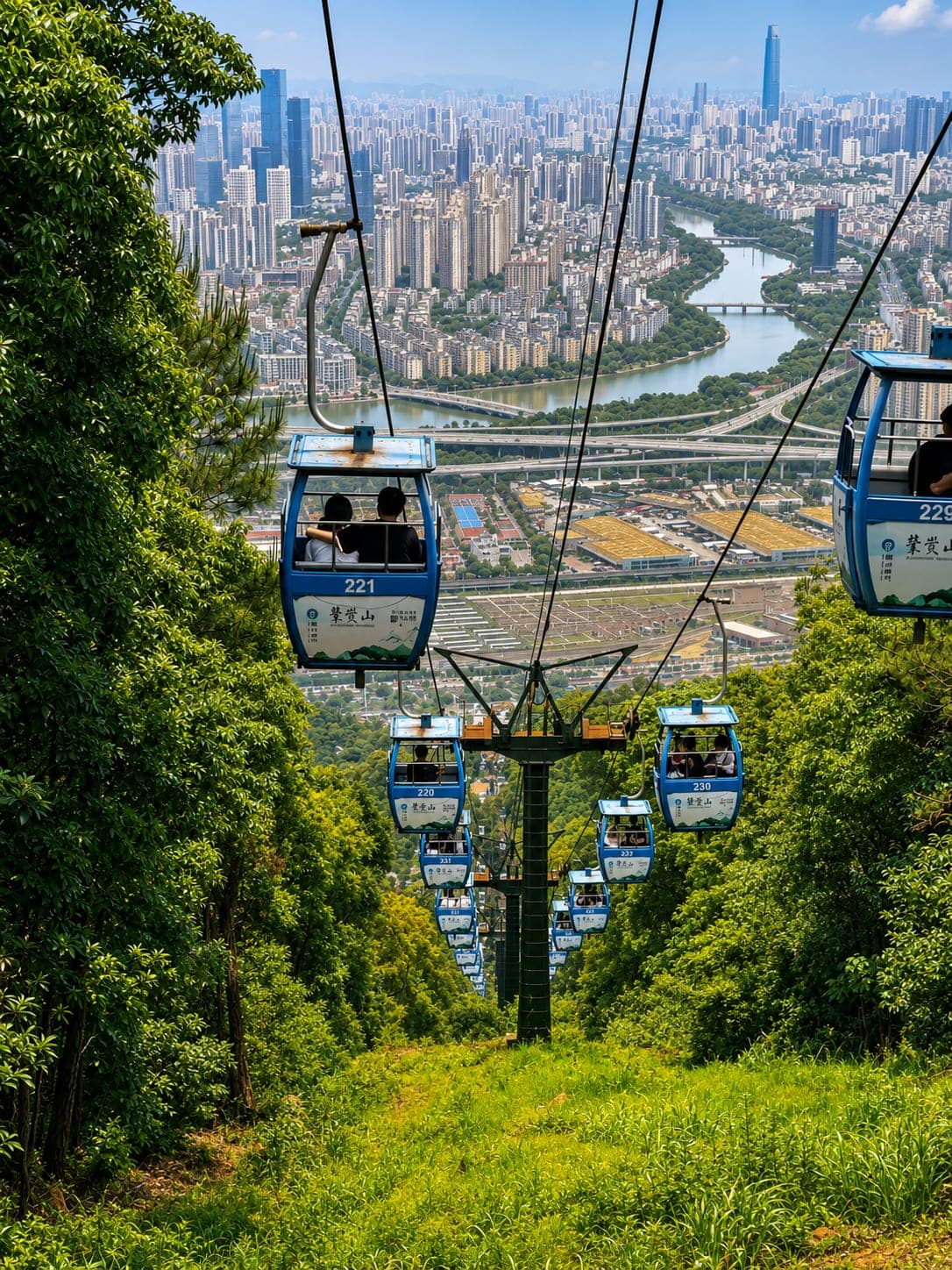
Rising 925 metres on the eastern edge of Fuzhou, the city's most-walked sacred mountain, with Yongquan Temple, a Chan Buddhist monastery founded in 908, set in its forested upper reaches.
A stone path runs from the village through the gorge to the temple courtyard, with a teahouse halfway and dozens of carved-rock inscriptions along the route. The monastery still holds an active community.
We pace the ascent so the temple courtyard lands at the morning chanting hour, with a stop at the gorge teahouse for cool barley tea on the way up. The cable car is held in reserve for a tired afternoon descent.

Zhongzhou Island(Zhong Zhou Dao, the Min River European-style block)
A small island in the middle of the Min River between old Fuzhou and Nantai Island, just downstream of the historic Wanshou Bridge crossing.
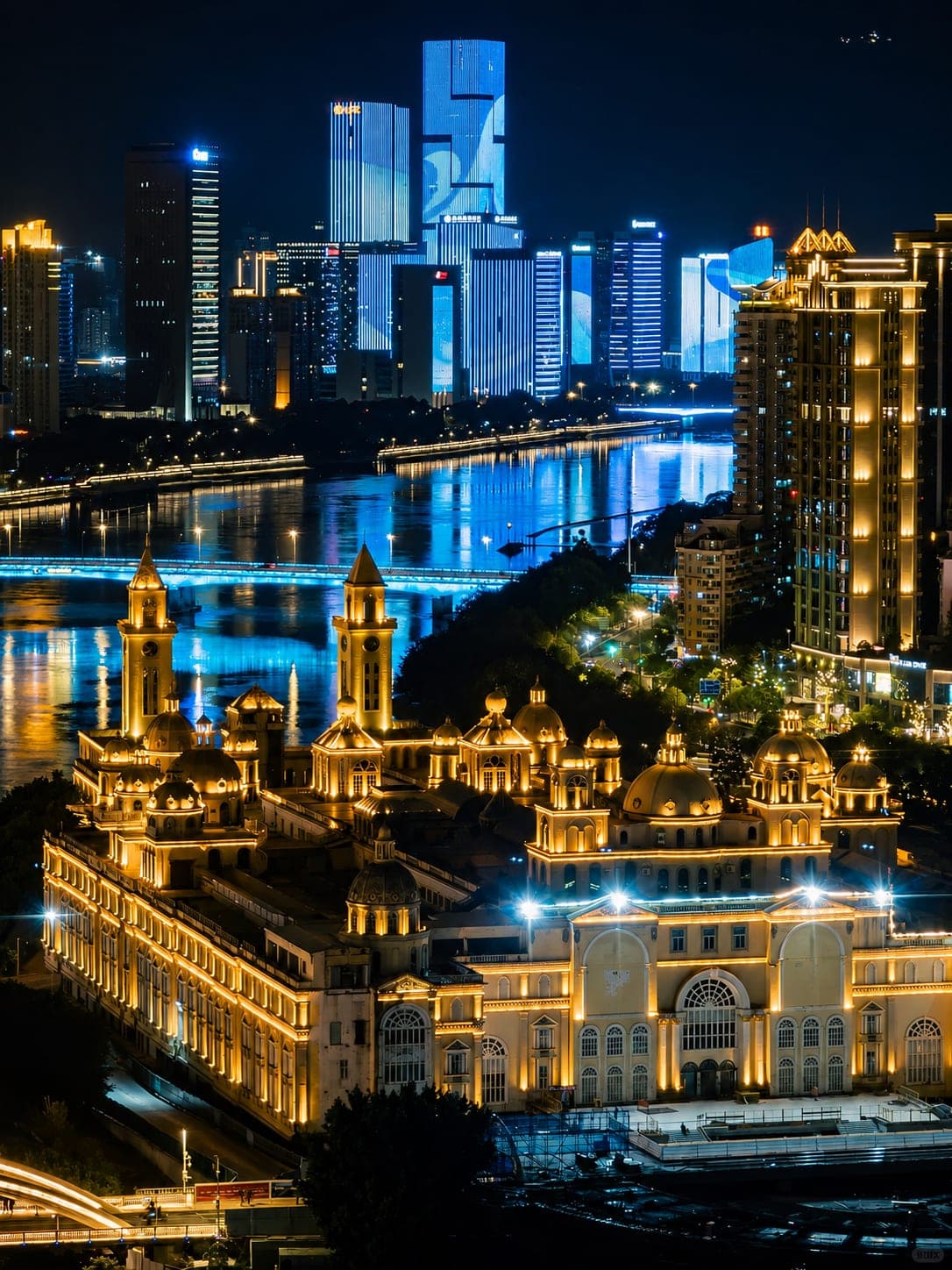
It was rebuilt around an unusual stand of red-brick European-style facades, terraced cafes and a riverfront light show after dark. The Wanshou Bridge alignment, first laid in the Yuan dynasty, still runs across the island's northern end.
We walk the island in the early evening, when the European-style block lights up and the bridge silhouette frames the western end. The light show reads best from a riverfront table at one of the southern cafes, away from the crowded central pier.
What to eat

Fuzhou fish balls(yu wan, the city's signature bowl)
Fuzhou fish balls are made from a paste of fresh eel or yellowfin pounded with sweet-potato starch into a thin, translucent skin, then wrapped around a small pork-and-water-chestnut filling and dropped into a clear, salty broth.
The ball bounces on the tooth; the warm pork pocket inside is lightly seasoned and the broth is clean enough that the seaweed garnish still reads.
We take the stools at a fish-ball counter the family has held for ninety years, where the paste is hand-pounded each morning and the balls dropped into the broth in front of you. The bowl is paired with a small dish of seaweed and pickled radish from the same kitchen.

Fuzhou rou yan(the meat-paste wonton)
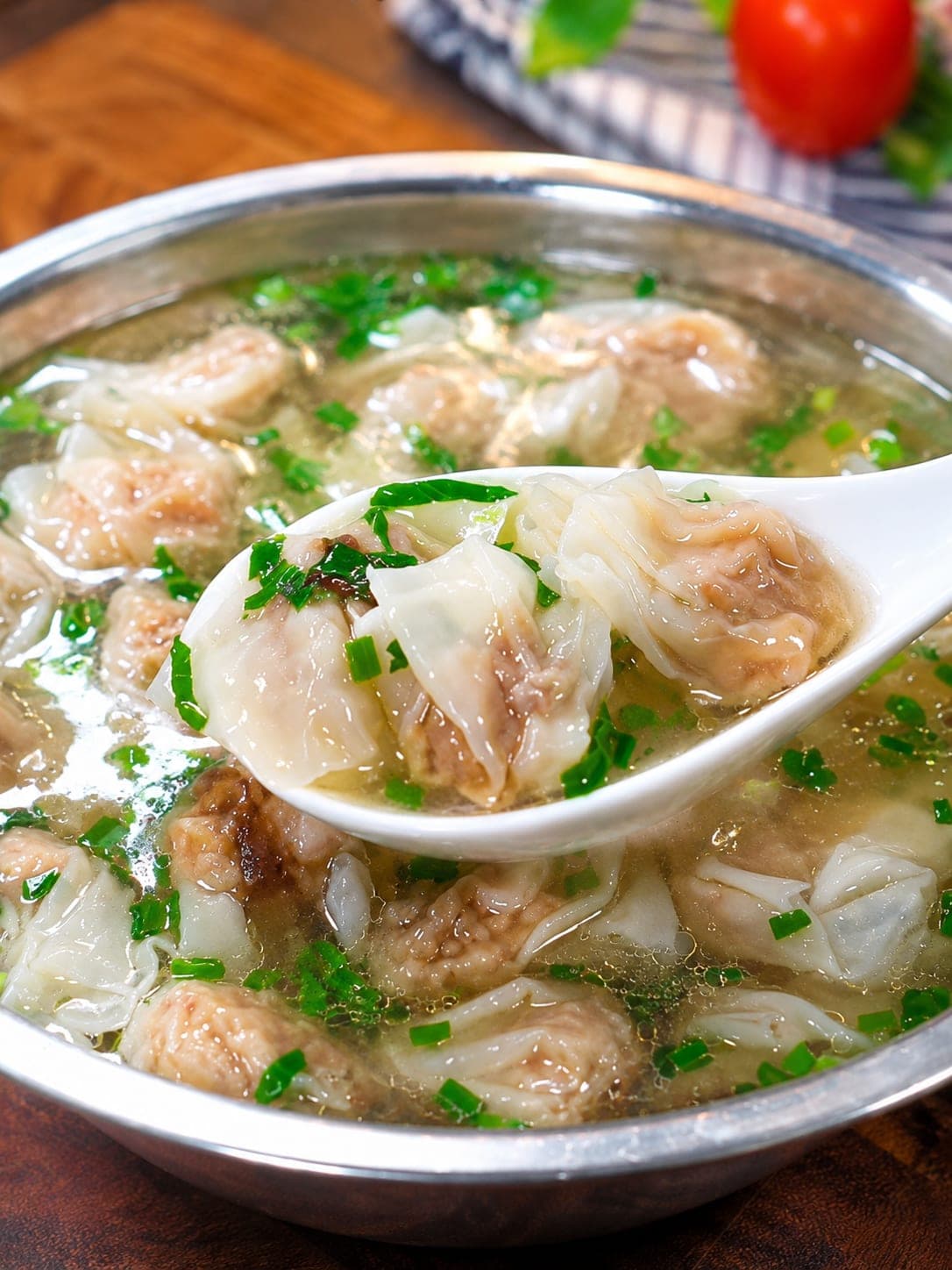
Rou yan, the 'meat swallow', is Fuzhou's own wonton: the wrapper is pork-leg paste pounded with sweet-potato starch into a sheet thin enough to read through.
Invented locally in the Song dynasty, it is paired with Fuzhou silk noodles at weddings and birthdays as the city's longevity bowl. The filling is minced fish or pork, the broth clear and lightly savoury, the silk noodles drinking it back at the close.
We take a table at a multi-generation rou yan house in the old quarter, with the family member who still hand-pounds the wrapper paste behind the counter, within talking distance of your bowl. A second order of silk noodles follows in the same broth.

Guo bian hu(the rice-paste pot-side breakfast)
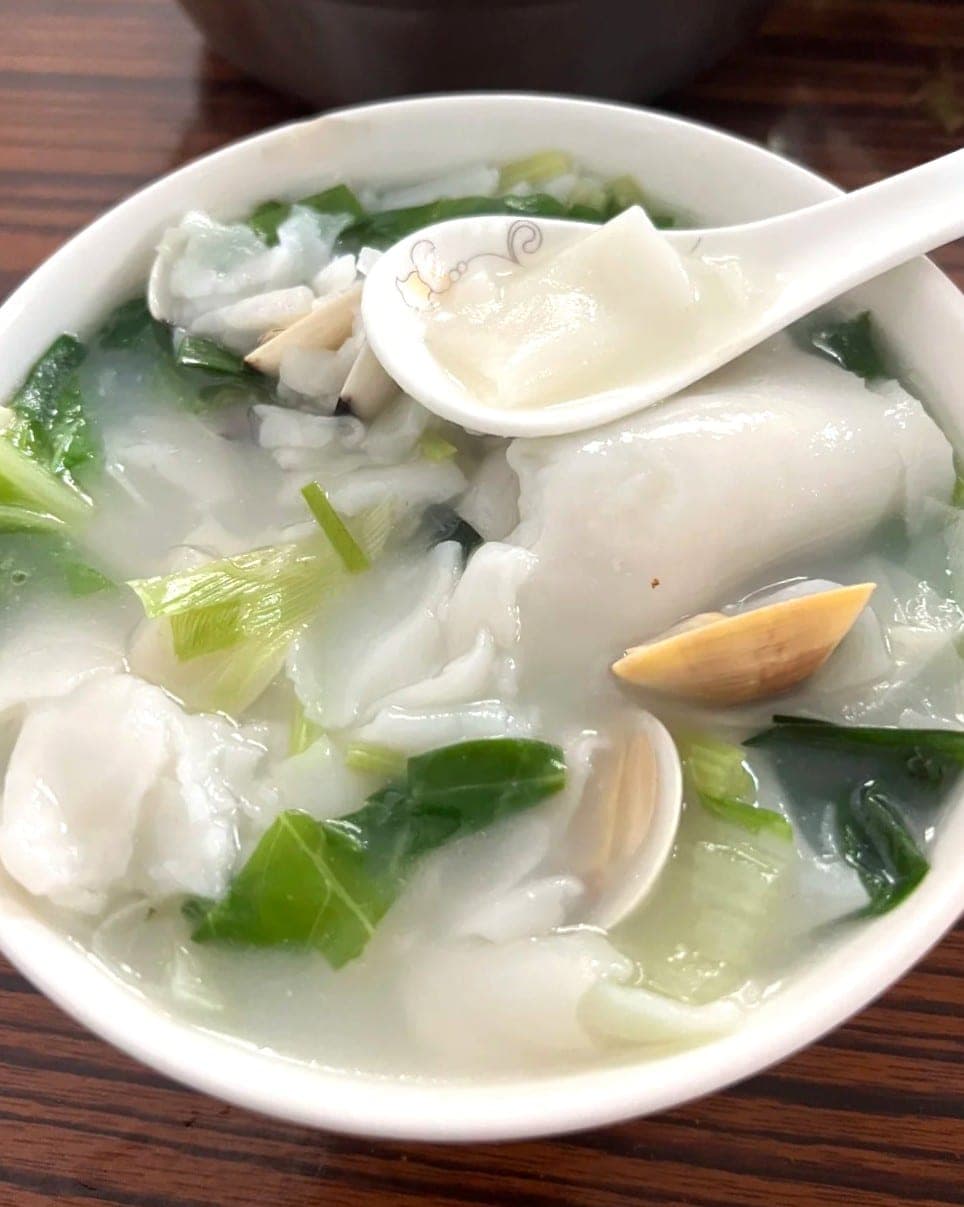
Fuzhou's morning bowl: rice-flour batter ladled around the rim of a wok of clam, oyster, dried-shrimp and pork broth, where it steams against the hot iron and slides into the soup, breaking into soft white ribbons as it hits.
The clam and oyster make it savoury and faintly sweet; the rice ribbons soften against the chewy seaweed. Eaten with a fried sesame stick on the side.
We take the morning counter at a guo bian hu house that still ladles the batter to order, one wok at a time. A side of fried sesame sticks and pickled radish comes with the bowl.
Shows and experiences

Min River night cruise(after dark on the river)
After dark, the banks of the Min River light up the length of the old city: the Wanshou Bridge in silhouette, the Zhongzhou Island European-style block on its central isle, the Strait Culture and Art Centre's five magnolia-petal halls rising on the south bank.
The night sailing makes the city read as one river-built place, not two banks across the water.
We charter a small private river boat for the evening, with a Mandarin- or English-speaking captain who runs the route at your pace, not against a schedule. The sailing opens at the old town's pier, turns at Zhongzhou Island and closes at the Strait Art Centre with a light supper served on board.

Yuyan(immersive Tang-style imperial banquet)
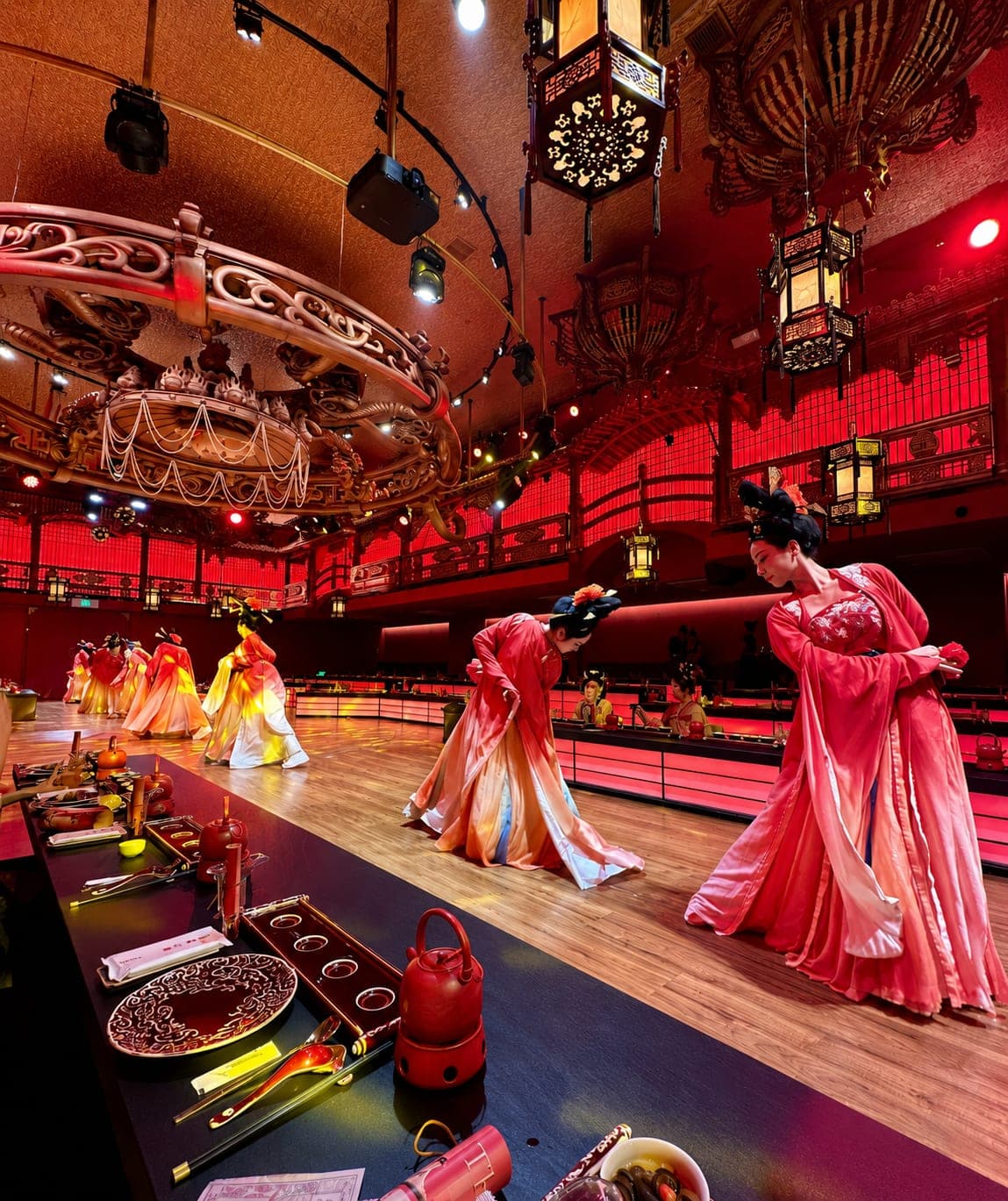
In a Tang-styled hall in central Fuzhou, lantern light dims and the central stage takes the room.
A Fuzhou imperial banquet, headed by Buddha Jumps Over the Wall, arrives between turns of opera, song, and ceremonial dance. Diners may take the meal in their own clothes or in a provided Tang-style robe and makeup.
We book a front-block table on a weekday evening, where the dance passes closest. The Tang-style robes are an option, set against your day so the costume window does not push the menu out of sync.

Gui'an Hot Springs(Gui An Wen Quan, the volcanic spring resort)
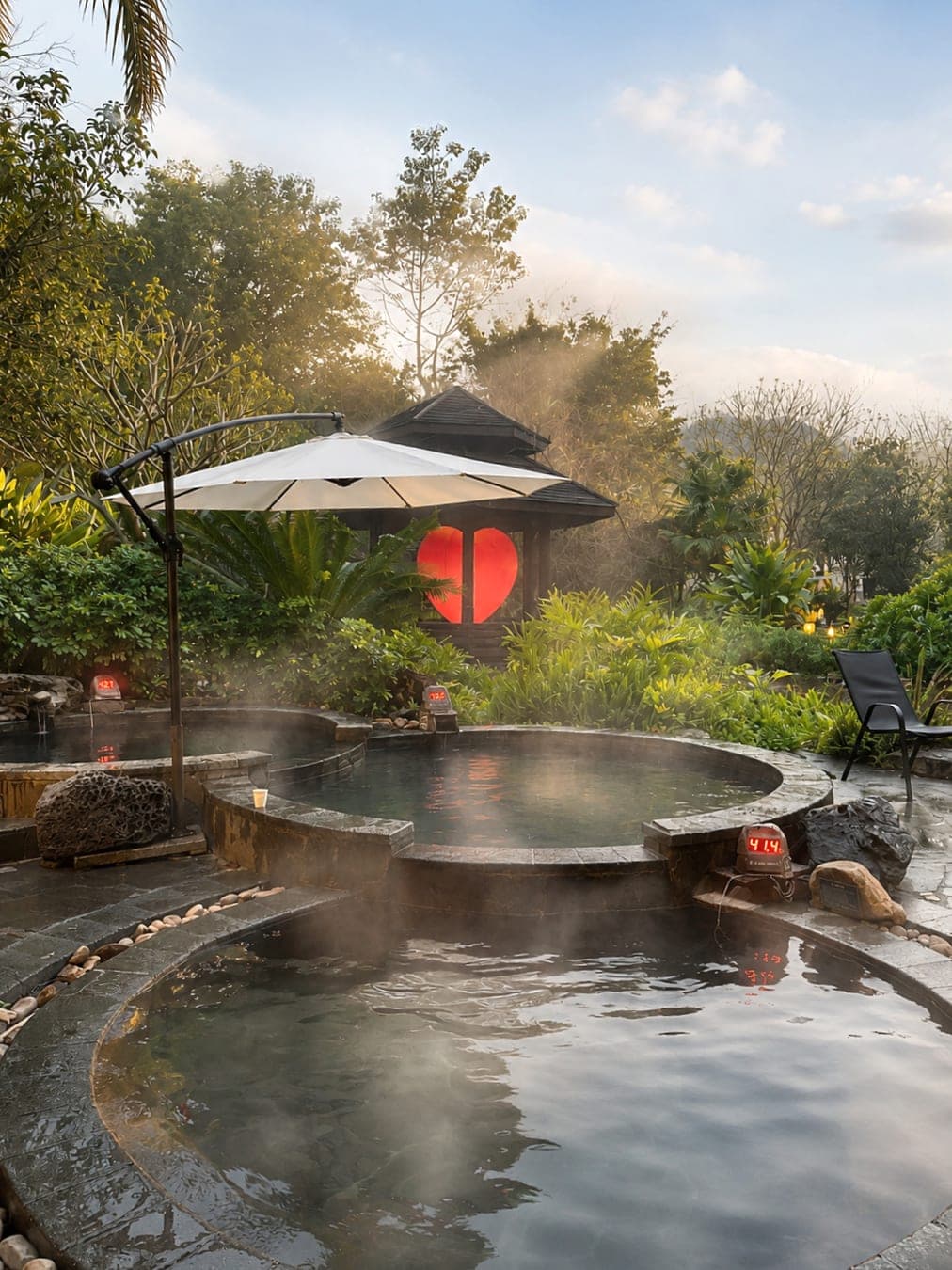
North of central Fuzhou, where geothermal water rises clear and odourless from volcanic rock at around 75 degrees Celsius before being tempered down to the pool.
The resort spreads over a terraced hillside with more than fifty open-air pools, mineral baths and Chinese-medicine herbal soaks, with private cabins set into the trees for couples and families.
We pre-arrange a private cabin and the pool sequence with the spa, so the route runs cooler to warmer rather than the reverse, with the herbal-infusion pool timed for the close. A light Min meal is set in the cabin before you leave, with the drive back to Fuzhou under an hour.
What three days
might look like.
- Day 01
Lanes at dawn, lake at noon, the river by night.
Dawn walk through Three Lanes and Seven Alleys with our historian, with tea in one of the mansion courtyards before the public gates open. Mid-morning, walk to West Lake Park beneath the city's centuries-old banyans, ending at the Min Lake Pavilion for the Lin Zexu calligraphy. Lunch at a multi-generation rou yan house in the old quarter, paired with silk noodles in the same broth. Afternoon free at your hotel. As evening falls, a private Min River night cruise opens at the old town's pier and closes at the Strait Art Centre on the south bank.
- Three Lanes and Seven Alleys (dawn)
- West Lake Park
- Min Lake Pavilion (Lin Zexu calligraphy)
- Rou yan house lunch
- Min River night cruise
- Day 02
Mountain morning, museum afternoon, single-table close.
Begin the day at Mount Gu, pacing the stone path through the gorge to Yongquan Temple so the courtyard lands at the morning chanting hour, with a stop at the gorge teahouse on the way. Descend by cable car and return to the city for a guo bian hu lunch at a long-running counter. As afternoon turns, the Fujian Museum holds the Min Yue bronze galleries and the Quanzhou-era maritime trade hall. For those wishing to extend the evening, Yuyan sets a Tang-style imperial banquet to close.
- Mount Gu (stone path)
- Yongquan Temple
- Guo bian hu (long-running counter)
- Fujian Museum
- Yuyan (optional)
- Day 03
Guildhalls, treaty-port quarter, hot springs to close.
Spend the morning at Shangxiahang, with a guide who reads the merchant-guild pediments and the porcelain-trade signage along the arcade row. Cross the river for an afternoon at Yantai Hill, walking the seventeen-consulate quarter with an architectural historian and stepping inside two restored interiors not on the public route. As evening approaches, the drive north of the city brings you to Gui'an Hot Springs, with a private cabin held and the pool sequence pre-arranged from cooler to warmer.
- Shangxiahang guildhalls
- Qing arcade row (Min River frontage)
- Yantai Hill consulate quarter
- Restored consulate interiors
- Gui'an Hot Springs (private cabin)
Best time
October to April
Days needed
2 to 4 days
Where it sits
Around two hours by high-speed rail from Shenzhen; around three hours from Shanghai
Questions worth
answering early.
Two to four days for the city itself. Two days covers the Three Lanes and Seven Alleys at dawn, West Lake Park, and a rou yan or fish-ball lunch, with the Min River night cruise to close. A third day adds Mount Gu's stone path to Yongquan Temple, the Fujian Museum's Min Yue galleries, and a Tang-style imperial banquet at Yuyan. A fourth day takes in Shangxiahang's guildhalls, Yantai Hill's treaty-port quarter, and an evening at Gui'an Hot Springs. Fewer than two days and the dawn-and-dusk windows that make Fuzhou worth the visit get squeezed out.
You enjoy the trip,
we do the rest.
From your first enquiry to your last airport pickup, our specialists design your trip and stay in contact every step of the way. The guides, drivers and hotels you'll meet are part of our trusted network we've worked with for years, briefed to the same standards.
- Dedicated specialists, start to finish
- Guides briefed to our standards
- Fully transparent, no hidden costs
- No deposit until you confirm
Stretch the trip. Stitch in another.

Shenzhen
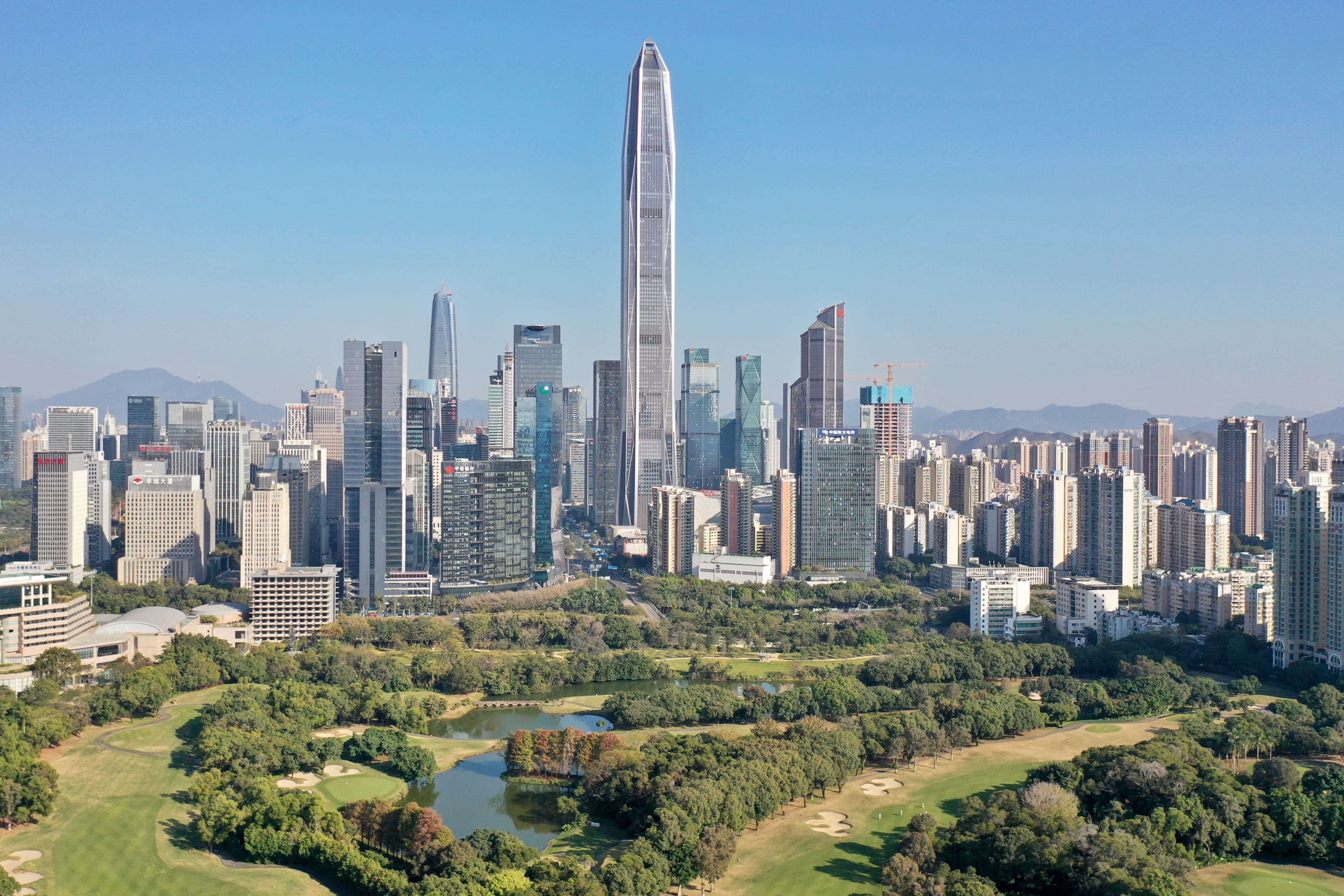
Two-hour high-speed rail south. The coastal southeast pair: Min heritage in Fuzhou, the forty-year city at Shenzhen.
Read this destination
Guangzhou
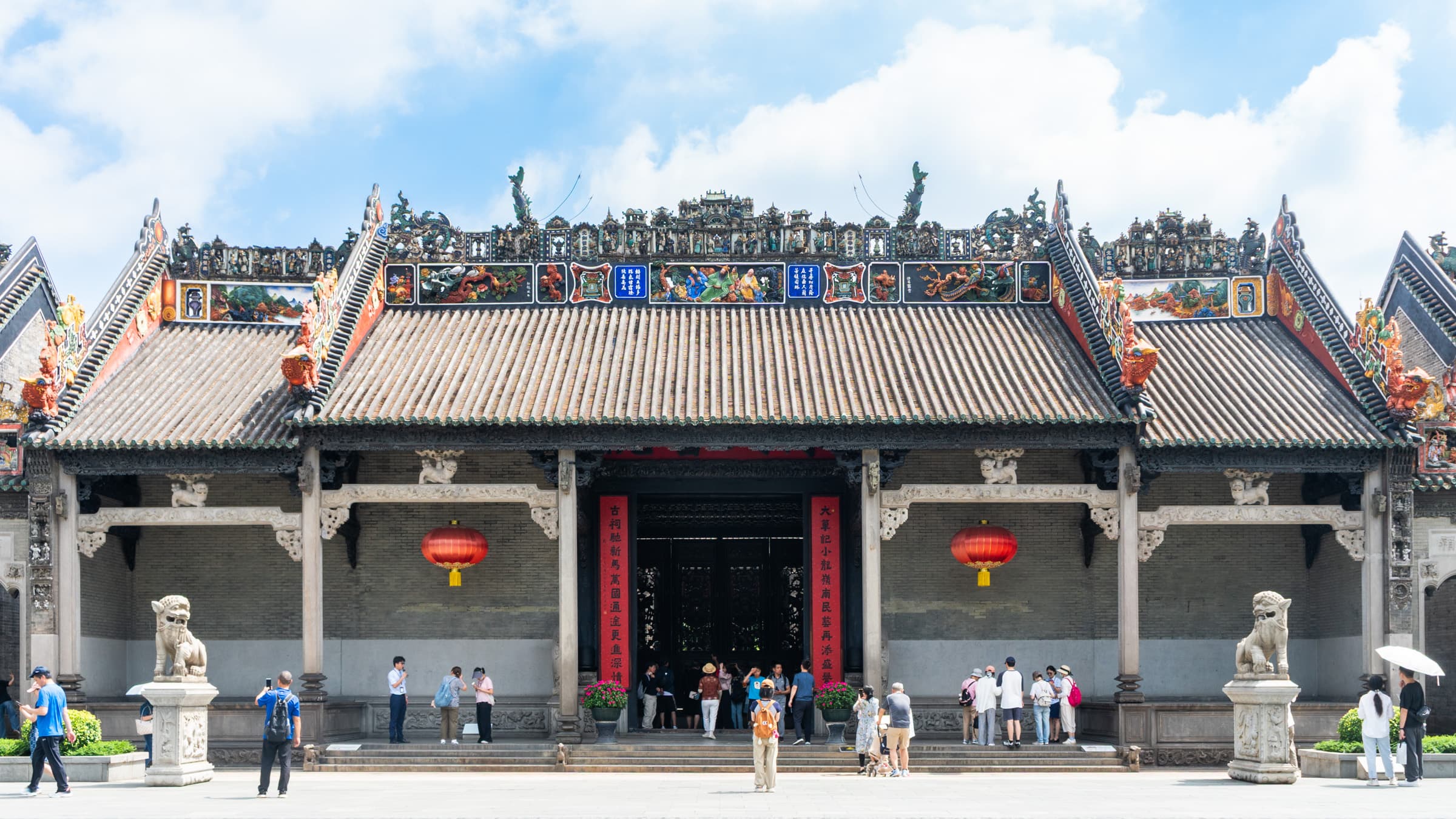
Three hours by high-speed rail south. The two great southeastern food cities, Min and Cantonese, on the same coastal line.
Read this destination
Shanghai
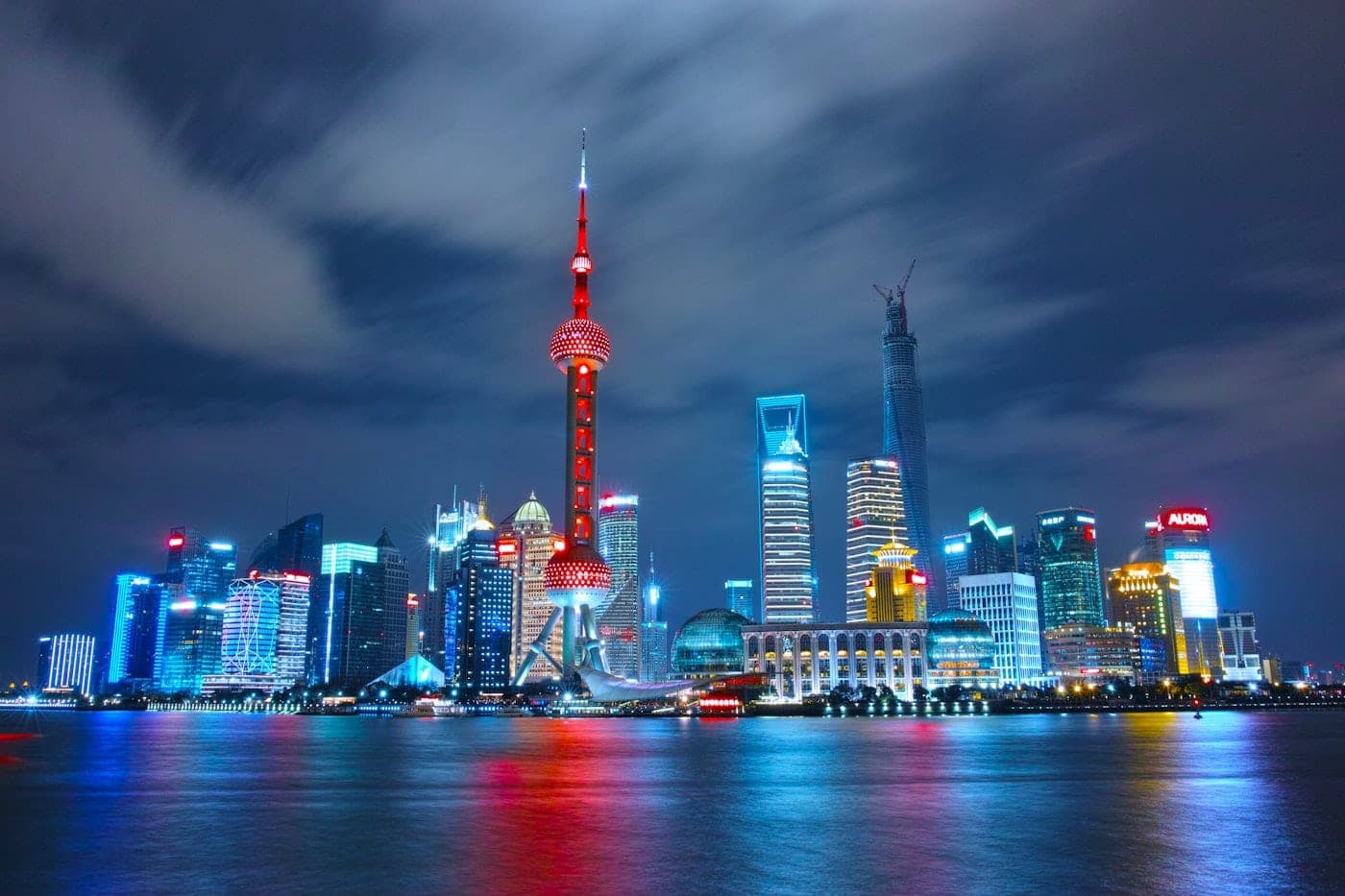
Around three hours by high-speed rail north. Min coast then the Bund. Two ports, two centuries, one country.
Read this destination
Useful before
you enquire.

China tourist visa for US travellers
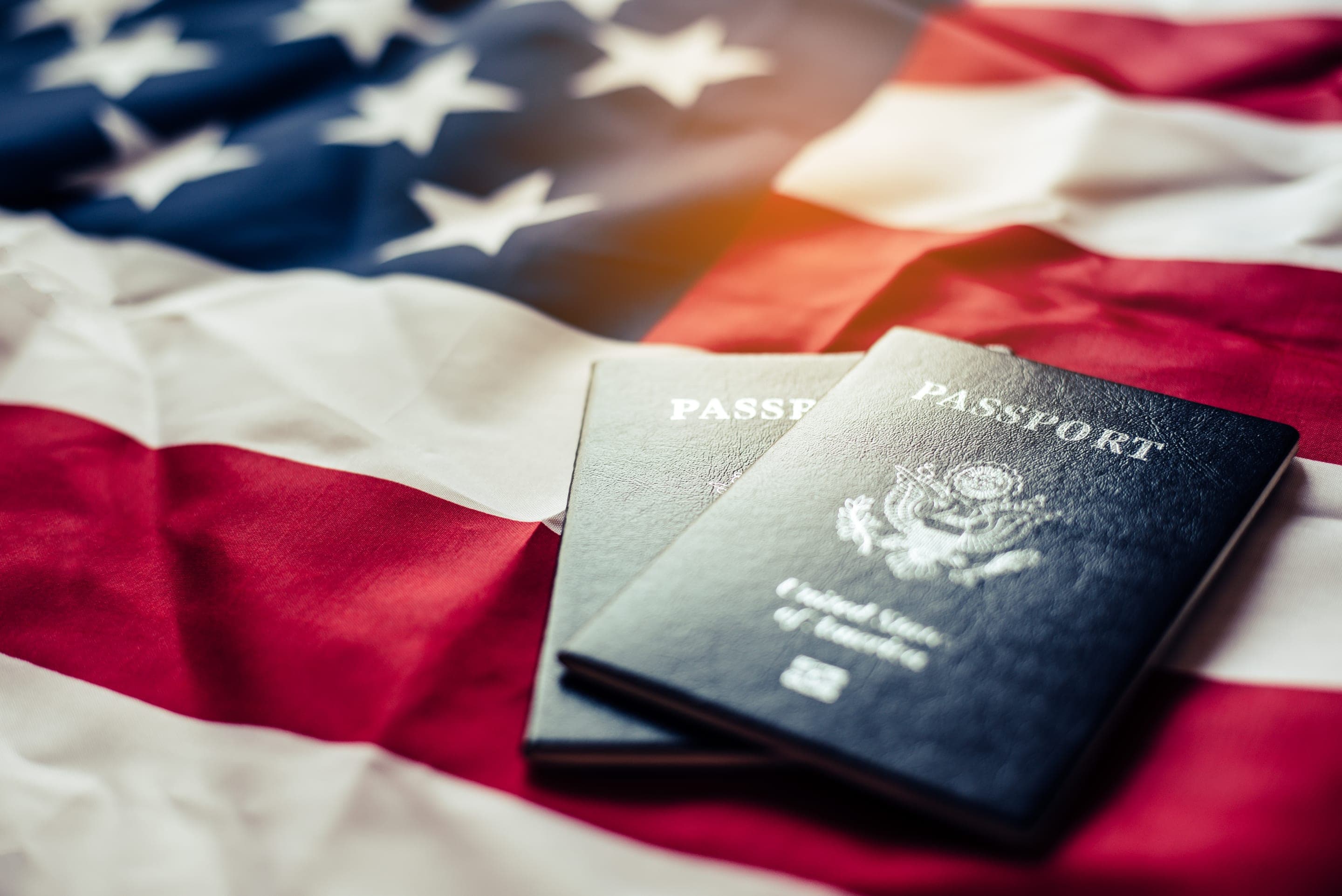
American passports still need a tourist visa for China under current rules. How the L-visa works, what we handle as part of your booking, and what is on you.
Read this guide
When to visit China, month by month
October through April is the cleanest window for Fuzhou and the southeast coast. The full year, read by climate and crowd.
Read this guide
How many days do you need in China
Fuzhou inserts naturally between a Pearl River Delta leg and a Yangtze-mouth leg. How the regions stitch together.
Read this guide
Payments and connectivity in China
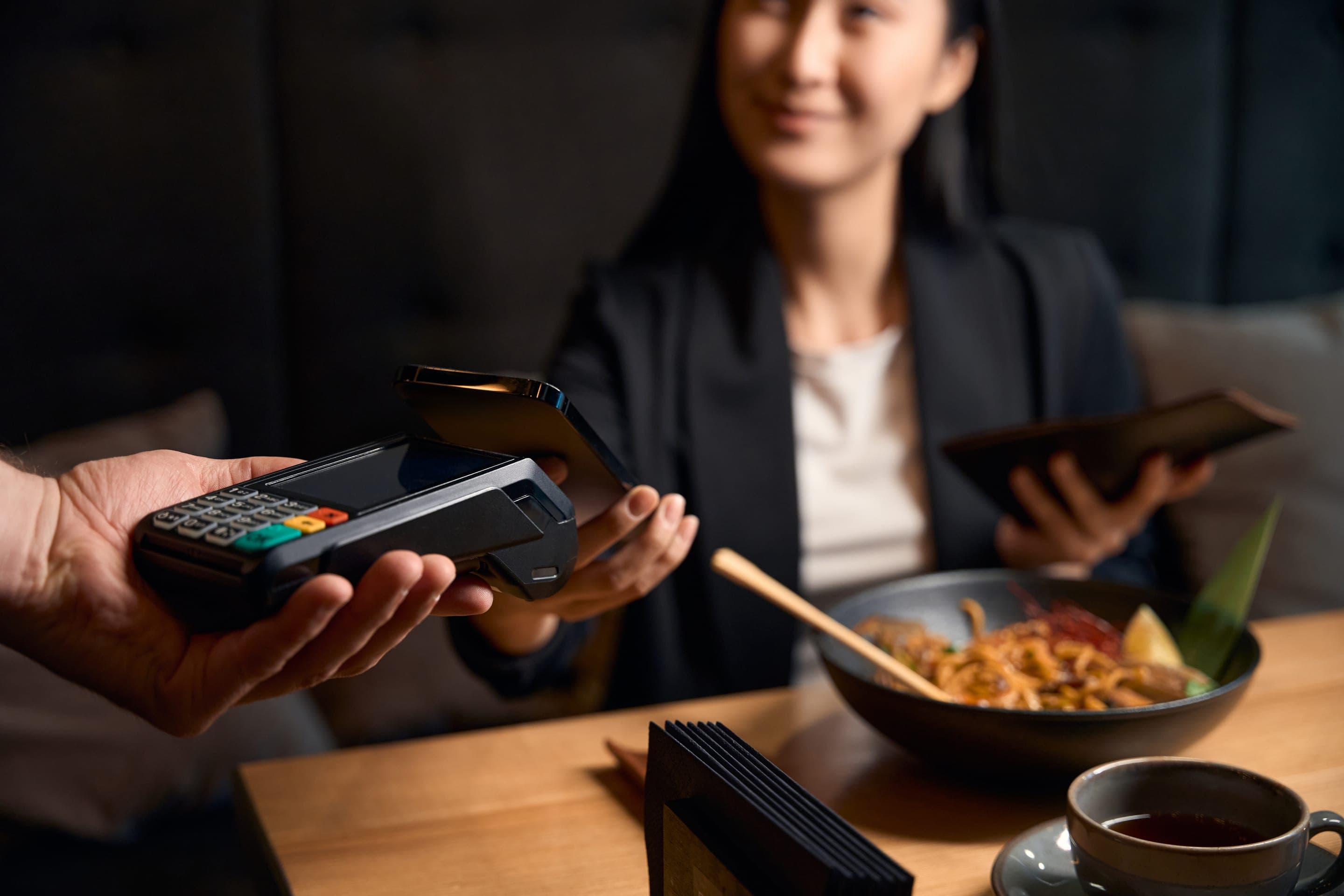
Alipay and WeChat Pay now take overseas Visa and Mastercard. The practical setup to do before you fly.
Read this guide
How our pricing works
What sits inside the figure on your quote, and what sits outside it. The structure, written out.
Read this guide
Design your Fuzhou trip
Start with your preferences. We'll craft a private itinerary in Fuzhou that fits how you like to travel.

Jack Guo
Your travel specialist
Jack has spent ten years working with the guides, drivers and hoteliers across China. He'll be your contact from first enquiry to final airport pickup.