
Guiyang
the karst-and-minority heart of Guizhou
Guiyang is the gentlest way into ethnic-minority China. A Ming pavilion stands in the Nanming River downtown, Miao silver and Buyi stone villages sit a short drive out, and the country's largest waterfall is two hours west.
Why people
come to Guiyang.
What to see

Jiaxiu Pavilion(the city's Ming silhouette)
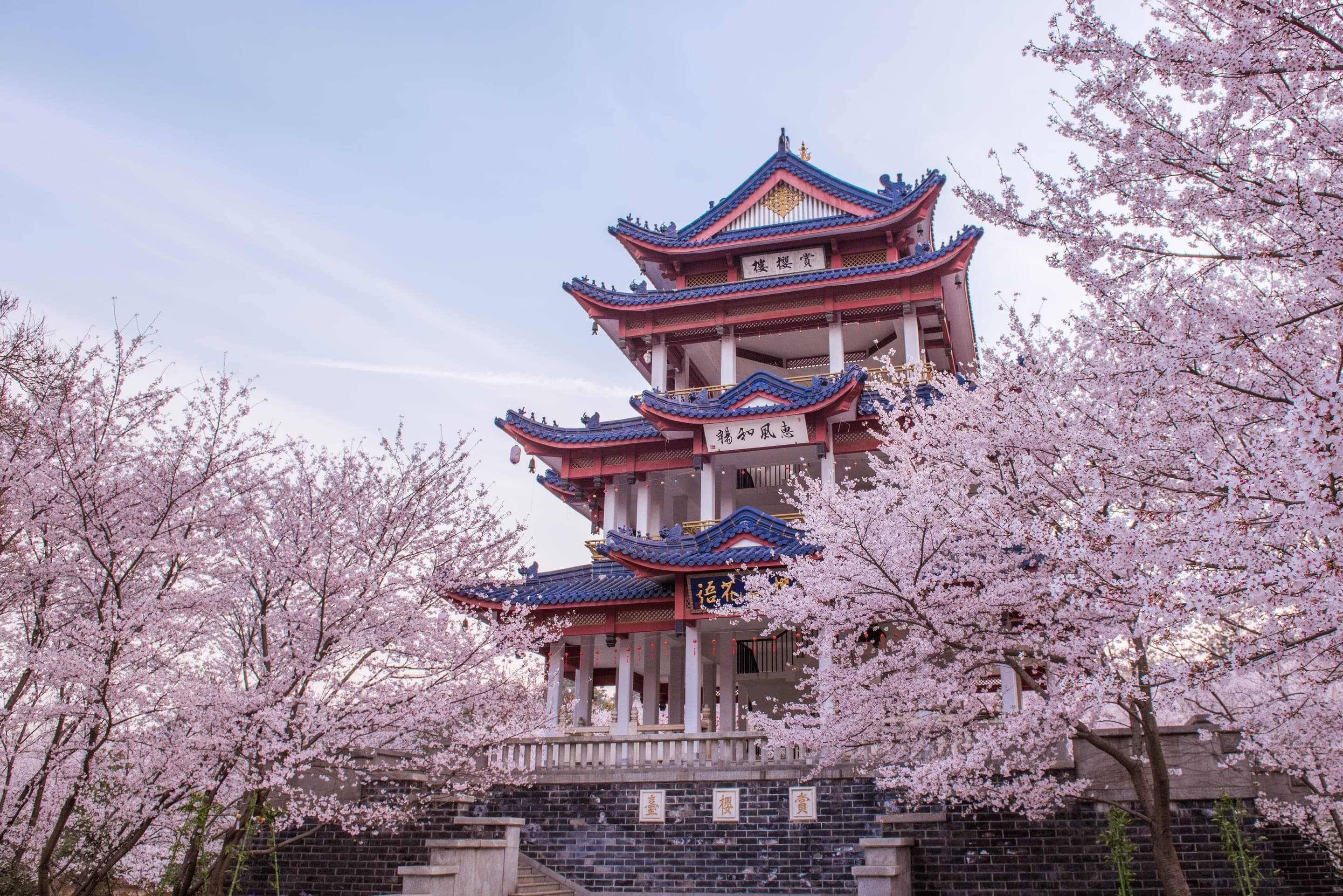
Jiaxiu Pavilion is Guiyang's signature image: a three-storey Ming pavilion balanced on a stone outcrop in the Nanming River, joined to the banks by Fuyu Bridge.
It was raised in 1597 by the governor of Guizhou, who named it the finest under heaven. Lit at dusk, it carries the old city's calm right through the modern downtown.
We bring you here at blue hour, when the lanterns inside the pavilion glow against a sky still pale enough to read the river. The walk crosses Fuyu Bridge from the south bank so the pavilion grows in front of you, then loops past the Qing-era guildhall complex next door rather than doubling back through the road.

Qingyan Ancient Town(the Ming garrison village)
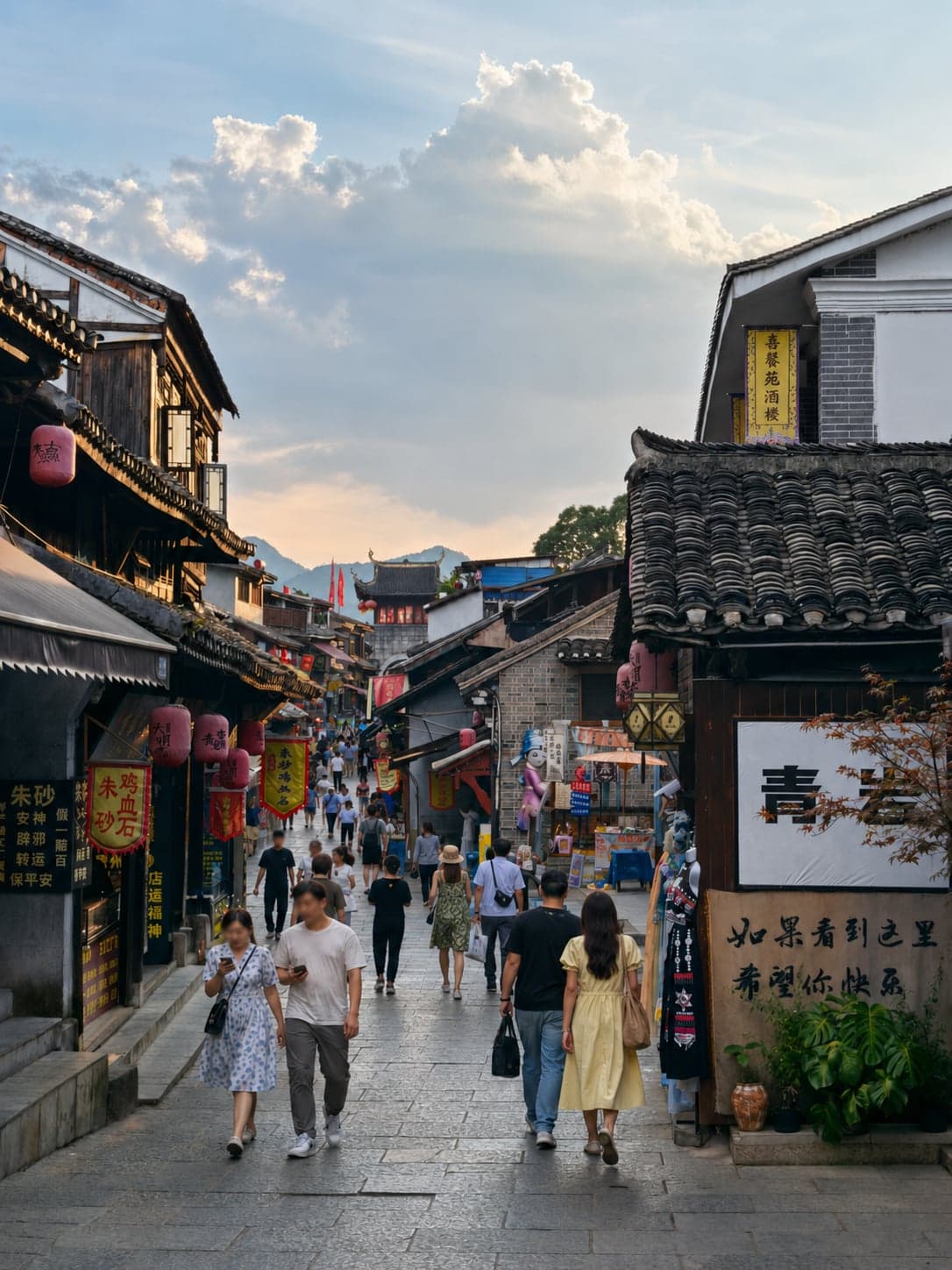
Qingyan was founded in 1378 as a standing-army garrison cut from the Guizhou stone.
Walls, gates, lanes, and house plinths are all the same grey limestone, sluiced clean by the rain. The town is unusual for its four-religions corner, where a Buddhist temple, a Daoist shrine, a Catholic chapel, and a Protestant church all stand within a few minutes of each other, a Qing-and-Republic-era footprint that survived intact.
We drive out for late morning, after the early coach groups have moved on but before the lunch service crowds. The route enters by the south gate, climbs the old city wall for the rooftop view, and times the descent for a sit-down rose-sugar-cake tasting at one of the older confectioner houses on Beijie. Lunch is at a family kitchen, not the visitor canteen.

Qianling Mountain Park(Hongfu Temple and the macaque hill)
Qianling is the wooded hill that sits right in the city, forest stitched into the old downtown.
A 1.5 km path climbs through cedar shade to Hongfu Temple, a Qing Buddhist monastery founded in 1672 with incense smoke usually drifting from the courtyards. Wild macaques work the path and the temple steps, used to people, sometimes too used to people.
We choose the morning window, when the macaques are alert and the cedar shade keeps the air cool. The cable car runs you up so the temple is unrushed, and the descent comes by foot at your own pace. Your guide keeps snacks zipped away and demonstrates the no-eye-contact rule the regulars use to walk past the bolder males.

Wenchang Pavilion(the nine-cornered Ming tower)
Wenchang Pavilion is the small, strange, lovely tower most visitors miss.
Built in 1609 on a corner of the old city wall, it is the only three-storey, nine-cornered pavilion in China: 81 beams, 54 columns, every structural number a multiple of nine, the imperial number. The upper floors hum with the geometry as you walk under them.
We pair Wenchang with a hutong-style walk through the surrounding Wenchang Lane, a pocket of old grey-brick courtyards the modern city has not yet eaten. Your guide explains the nine-fold geometry by reading the beam ends, and the visit times for late afternoon when the doors are open and the staircase climb is unhurried.

Huaxi Park(the 1930s landscape garden)
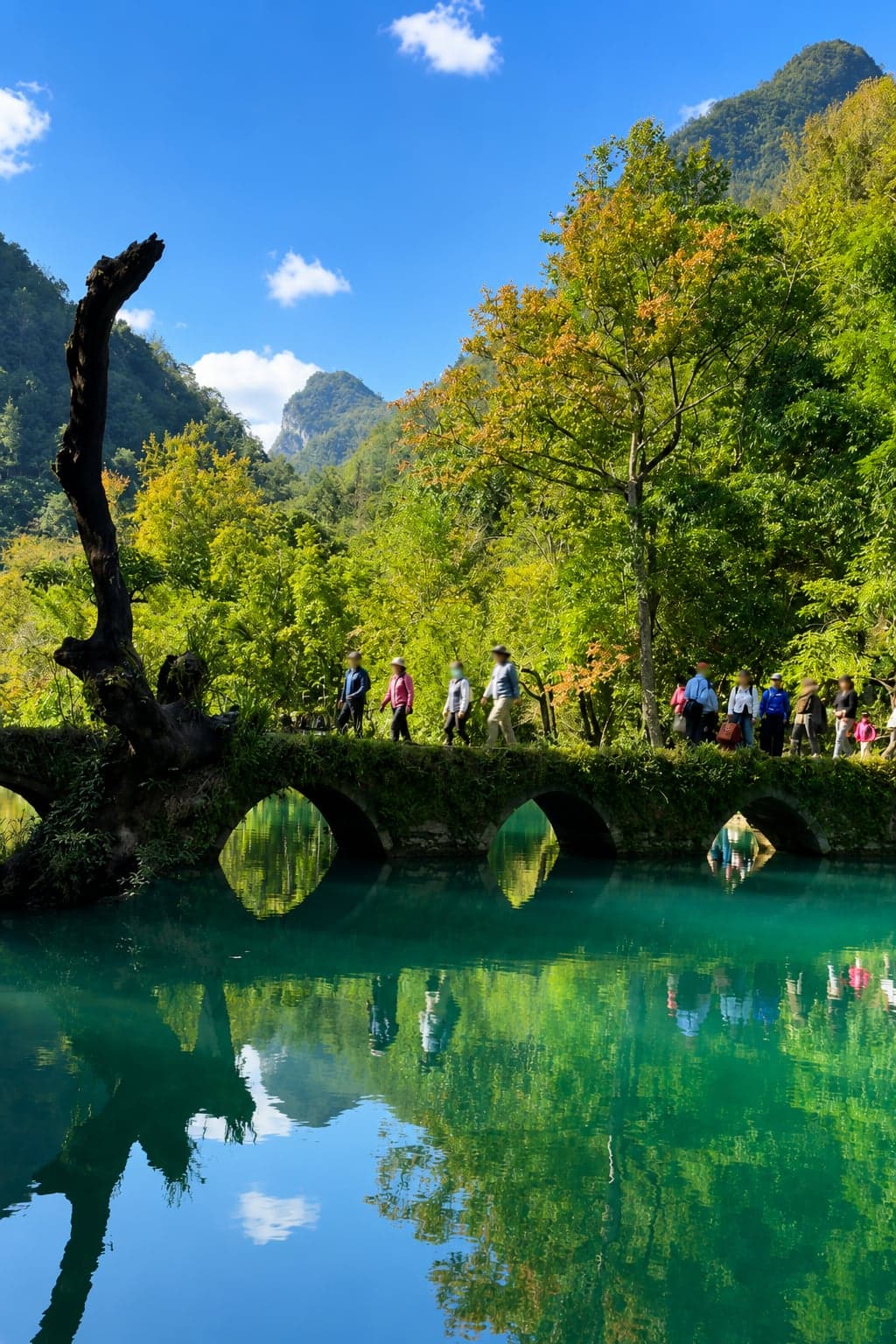
Huaxi is the soft suburban garden Guiyang built around its loveliest creek, twelve kilometres south of the city.
Stone bridges step across the Flower Stream, willows and peach trees line the banks, and a network of small islands and pavilions reads as a quiet 1930s landscape work. The garden gave its name to Guizhou's first national urban wetland park, which now stitches the whole valley together.
We come early on a weekday, when the locals are doing tai chi by the water and the tea pavilion above the willow grove is open for a pot of green. The route walks the upper bridges first for the long view down the creek, then drops to the Plum Garden in late winter or the lotus pond in midsummer.

Tianhetan(karst, in compact form)
Tianhetan is the karst-in-miniature park that lets you taste Guizhou's landscape without driving half a day.
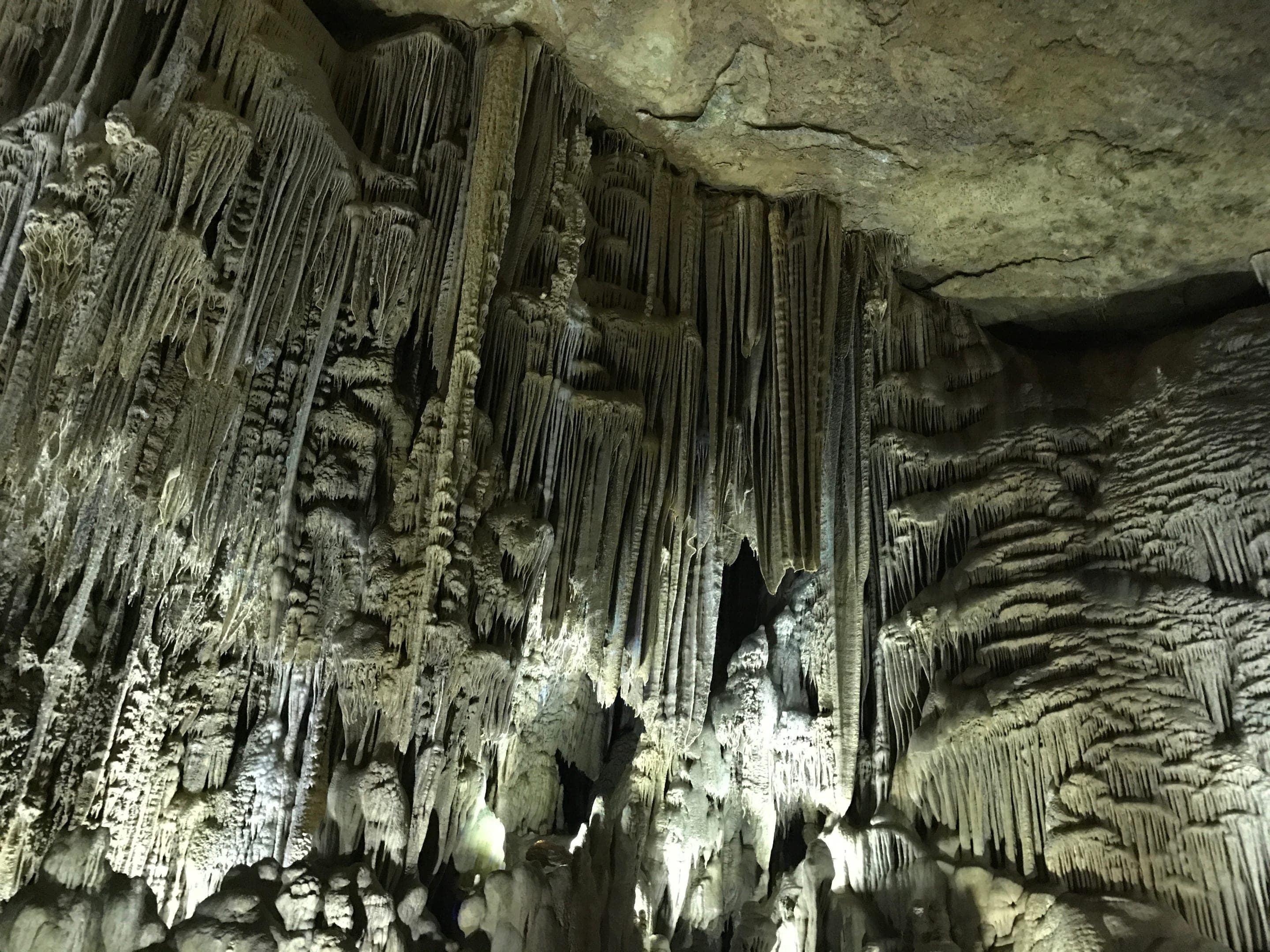
Twenty-four kilometres from town, it folds waterfalls, a kilometre-long water cave navigated by boat, a multi-level dry cave, and natural stone bridges into a single afternoon walk. The water cave is the highlight, the boat sliding through limestone arches under fluorescent stalactites.
We book the boat slot ahead so the water cave runs without a wait, and the route is sequenced waterfalls first, dry cave second, water cave last so the boat ride lands as the day's climax. Lifejackets and warm cardigans are handed out before the boat, since the cave runs cool even in summer.

Guizhou Provincial Museum(the ethnic-culture primer)
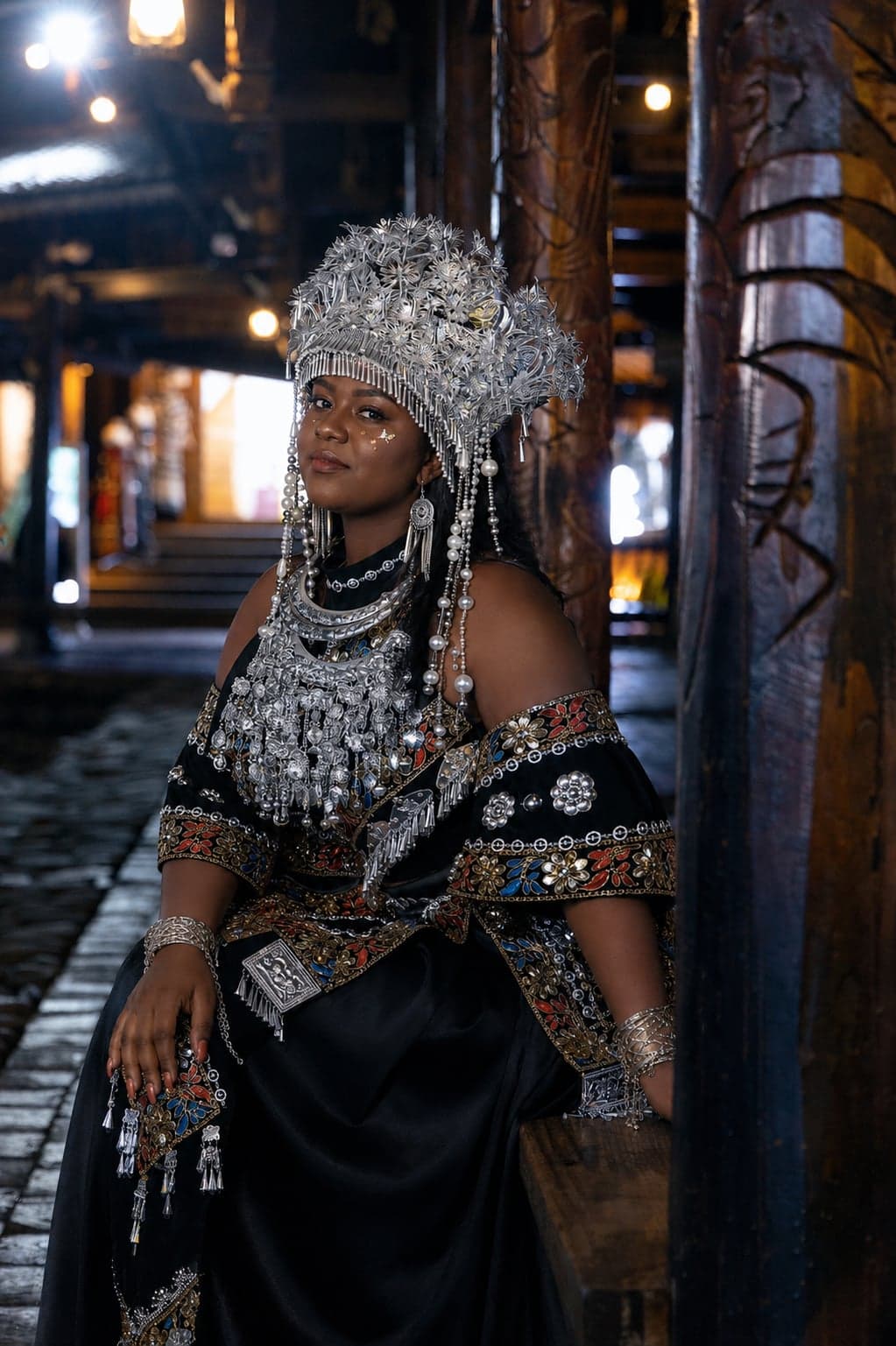
The Guizhou Provincial Museum holds the country's leading collection of Miao silver and ethnic textiles.
The new building opened in 2015 with more than 270,000 artefacts; over a third are ethnic objects, with the silver headdress room the clear centre of gravity. It is the single best way to read what you will see in the villages downstream of Guiyang before you arrive.
We start the day here, before driving out to the minority country. Your guide takes the silver and textile halls first and reads the regional differences between Miao branches, so the headdresses you see in a Xijiang or Langde village are no longer interchangeable. A reservation against your passport is booked ahead so the timed entry is settled.

Huangguoshu Waterfall(China's largest, as a day trip)
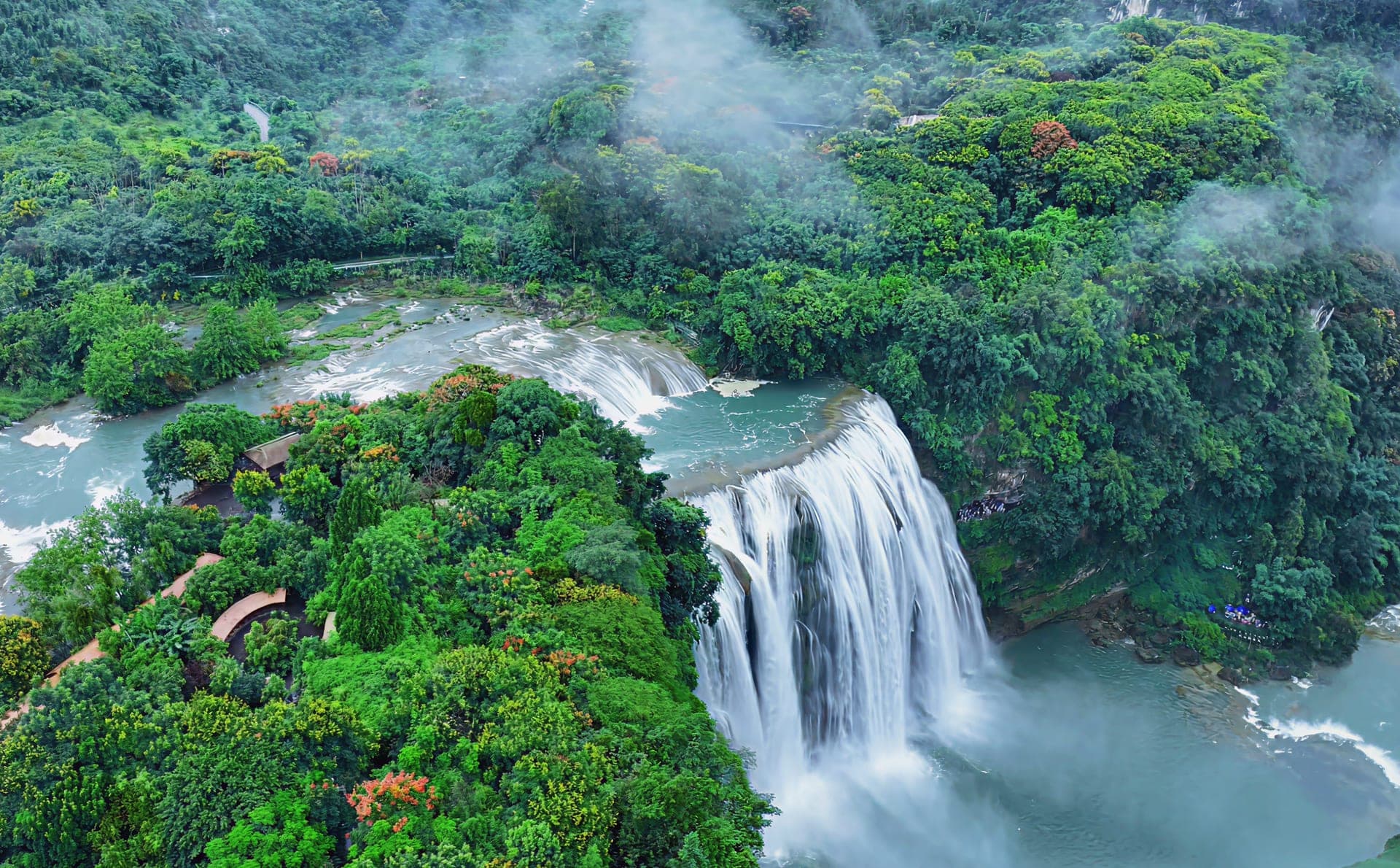
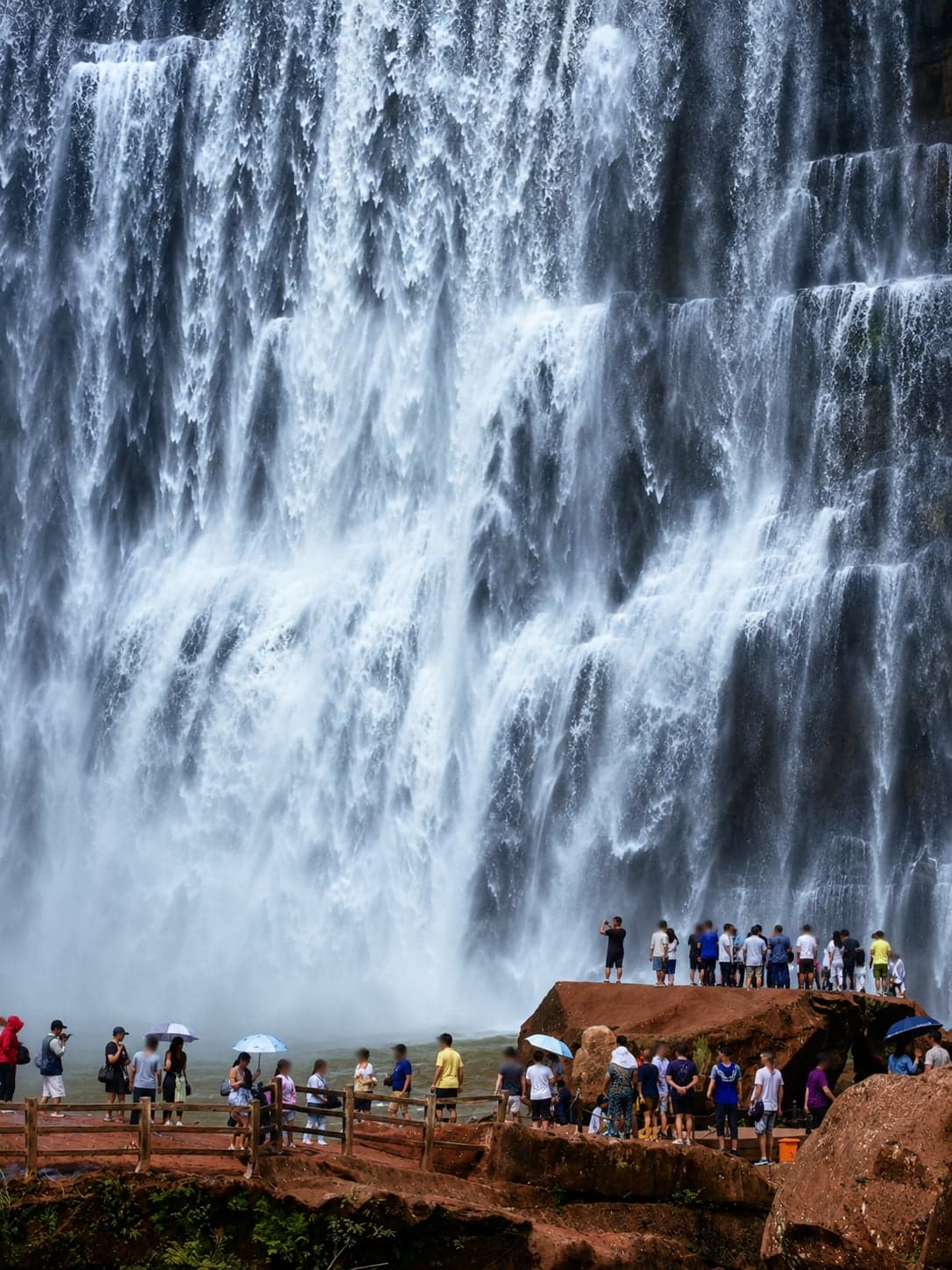
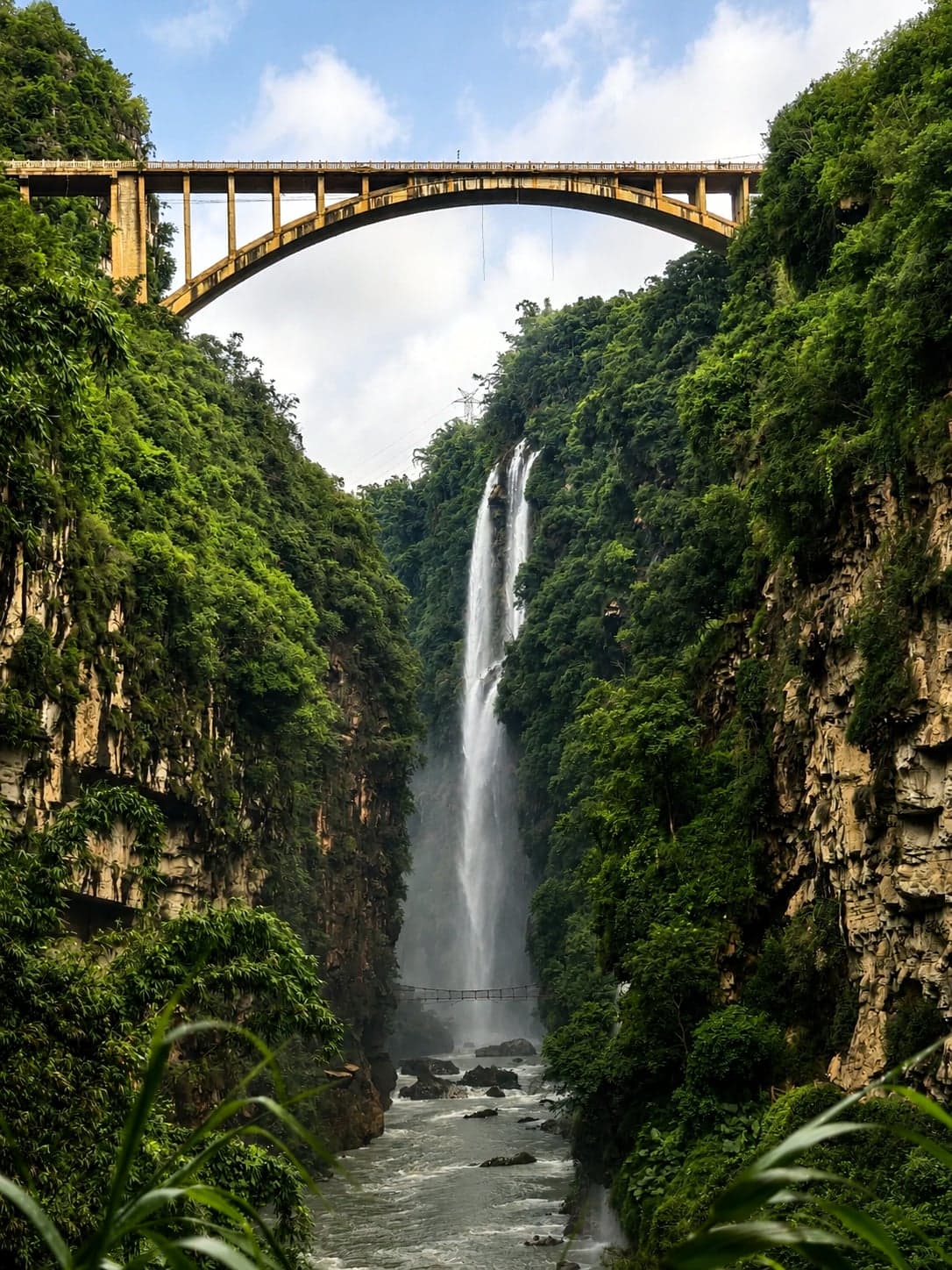
Huangguoshu is the largest waterfall in China, 78 metres tall and 101 metres wide, set in the karst country two hours west of Guiyang.
The real surprise is the Water Curtain Cave, a 134-metre natural tunnel that runs behind the cascade, so the route passes through the water itself and looks out from the inside. Spray, noise, and rainbows all at once.
We leave the city before seven so the trail is yours for the first hour, with the Water Curtain Cave walked early before the long midday queues build. The route is timed so the main viewing platform catches the late-morning light for the rainbow. Lunch is at a local Buyi kitchen on the road back, not the gate-side canteen.

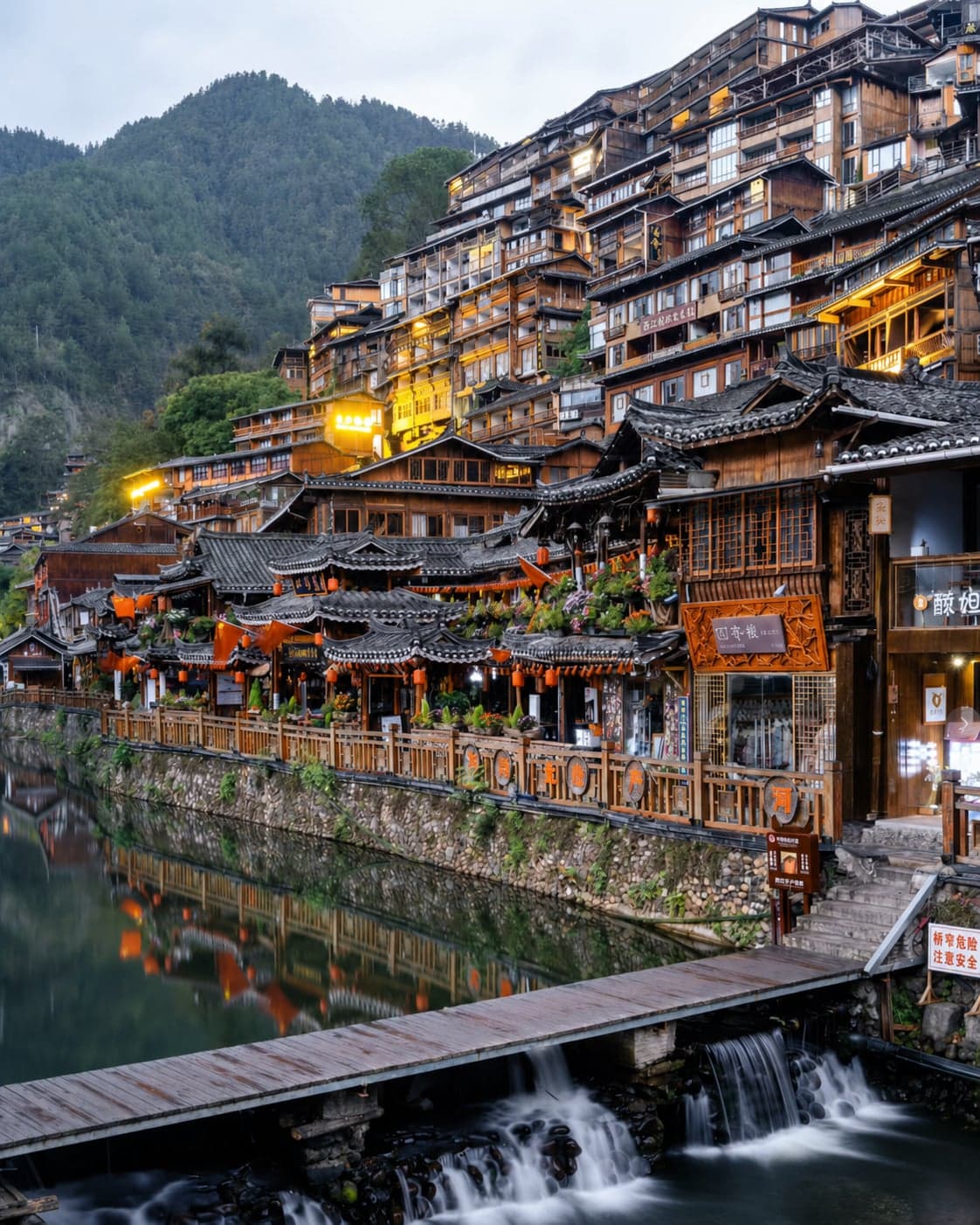
Zhenshan Buyi Village(the 400-year-old stone village)
Zhenshan sits on a peninsula in the Huaxi reservoir, twenty kilometres from Guiyang.
The whole village is built from local stone slabs: walls, lanes, courtyards, roofs of grey shale stacked dry. Founded in the Ming as a small fortress and resettled by the Buyi, it now holds about 140 Buyi households and runs a quiet eco-museum where the village itself is the exhibit.
We arrange the visit through the eco-museum's Buyi hosts, so the route is led by a village elder rather than a tour guide. The morning lap circles the upper lanes for the rooftop view across the reservoir, then drops into a private courtyard for Buyi rice wine and the day's pickled greens before the drive back.
What to eat

Sour-fish soup hot pot(Suan Tang Yu, the Miao red broth)
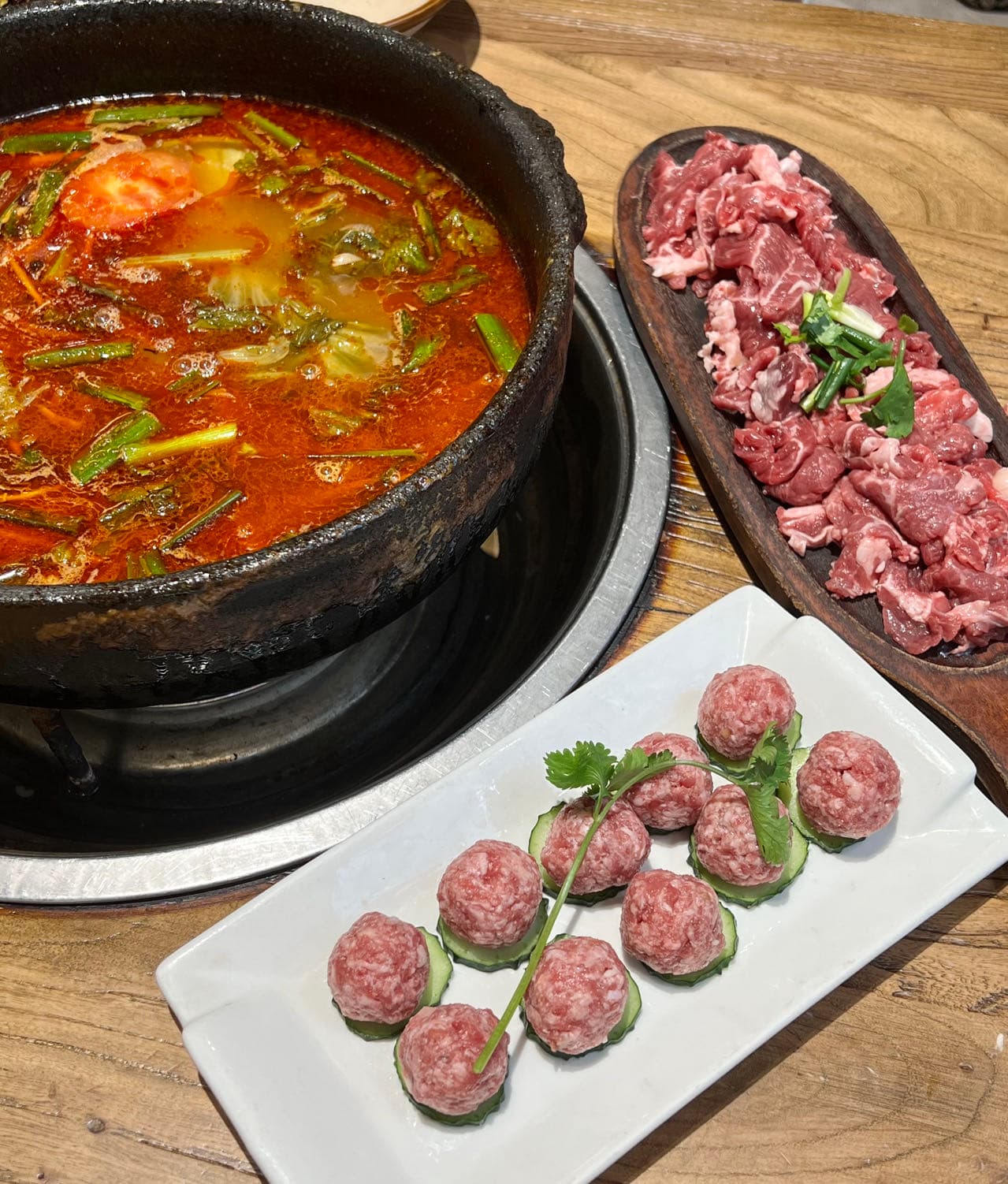
Sour-fish soup is Guizhou's signature bowl.
A red broth, ferment-thickened over days from Guizhou's small cherry tomatoes and glutinous-rice water, comes to the boil at your table; the kitchen drops in a whole river fish, herbs, and tofu sheets in front of you. The flavour is bright and tangy without being sharp, almost yoghurty under the tang, with a slow chilli warmth that builds across the meal. The skin slips off the bone after about ten minutes in the pot.
We seat you at a respected old Miao house where the sour base is still fermented in-house. Your guide demonstrates the dipping-sauce ritual, a small bowl of zhanshui mixed at the table from chilli, garlic, peanut and fish-mint, so each piece of fish carries the dressing the locals use. Order rate is paced so the broth deepens through the meal.

Siwawa(Guiyang's swaddled-baby rice rolls)
Siwawa, swaddled-baby in the local register, is the dish Guiyang built around a sense of play.
The kitchen sends out a tray of fifteen or twenty julienned vegetables, a stack of paper-thin rice-flour wrappers, and a jug of dark, sour-spicy zhanshui sauce. You build each parcel, fold the wrapper closed like a blanket, top with the sauce, eat in one. Crisp and herbal at first bite, then sour-spicy lift from the sauce: cooling, savoury, almost a salad.
We choose a long-established siwawa house where the sauce is mixed to order from the day's fresh chilli oil and pickled bamboo brine. Your guide builds the first parcel at the table so you see the fold, then steps back so the next twenty are yours to assemble. A spice-light version of the sauce is set on the side from the start.

Changwang noodles(Chang Wang Mian, the city's breakfast)
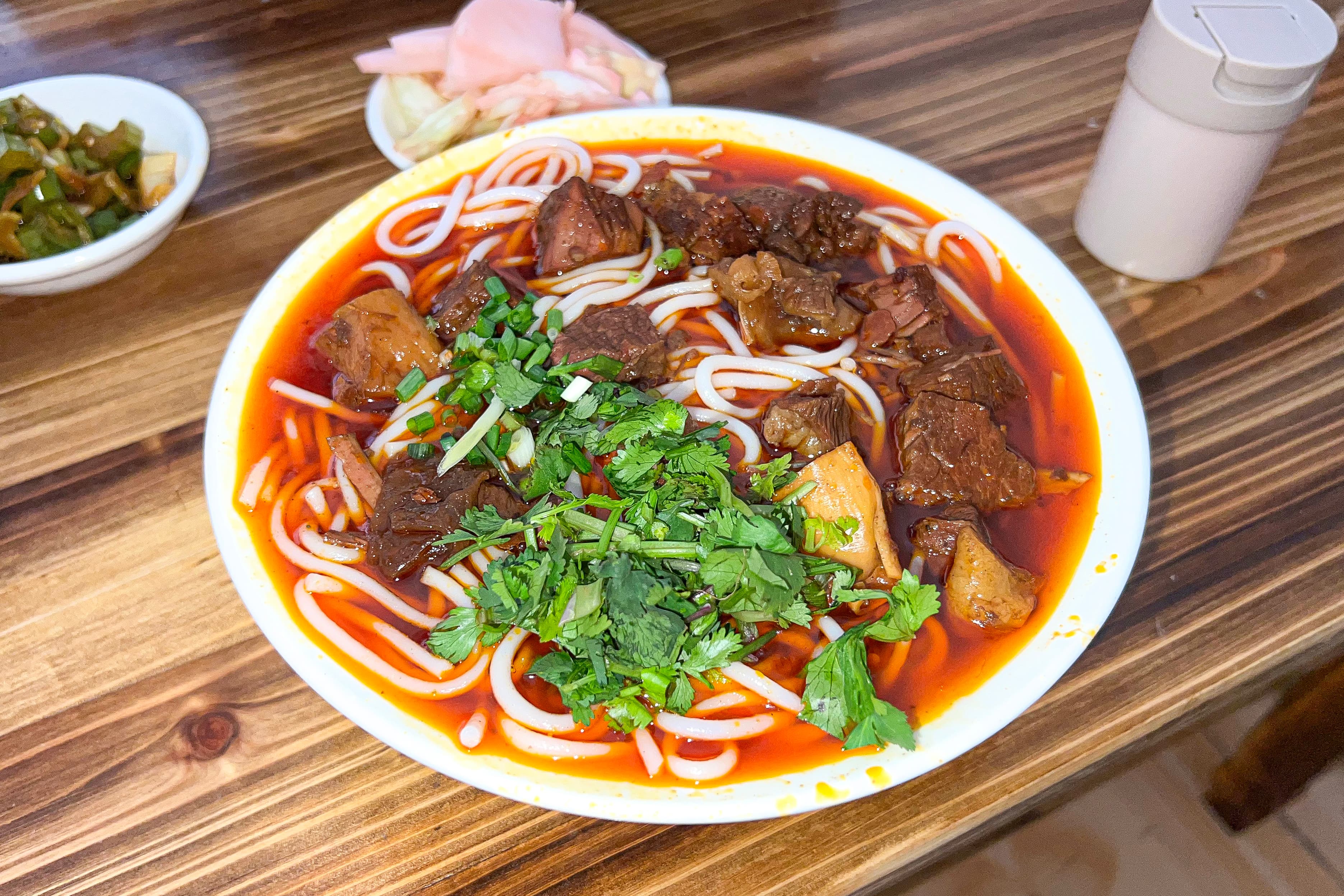
Changwang noodles are what Guiyang reaches for first thing in the morning.
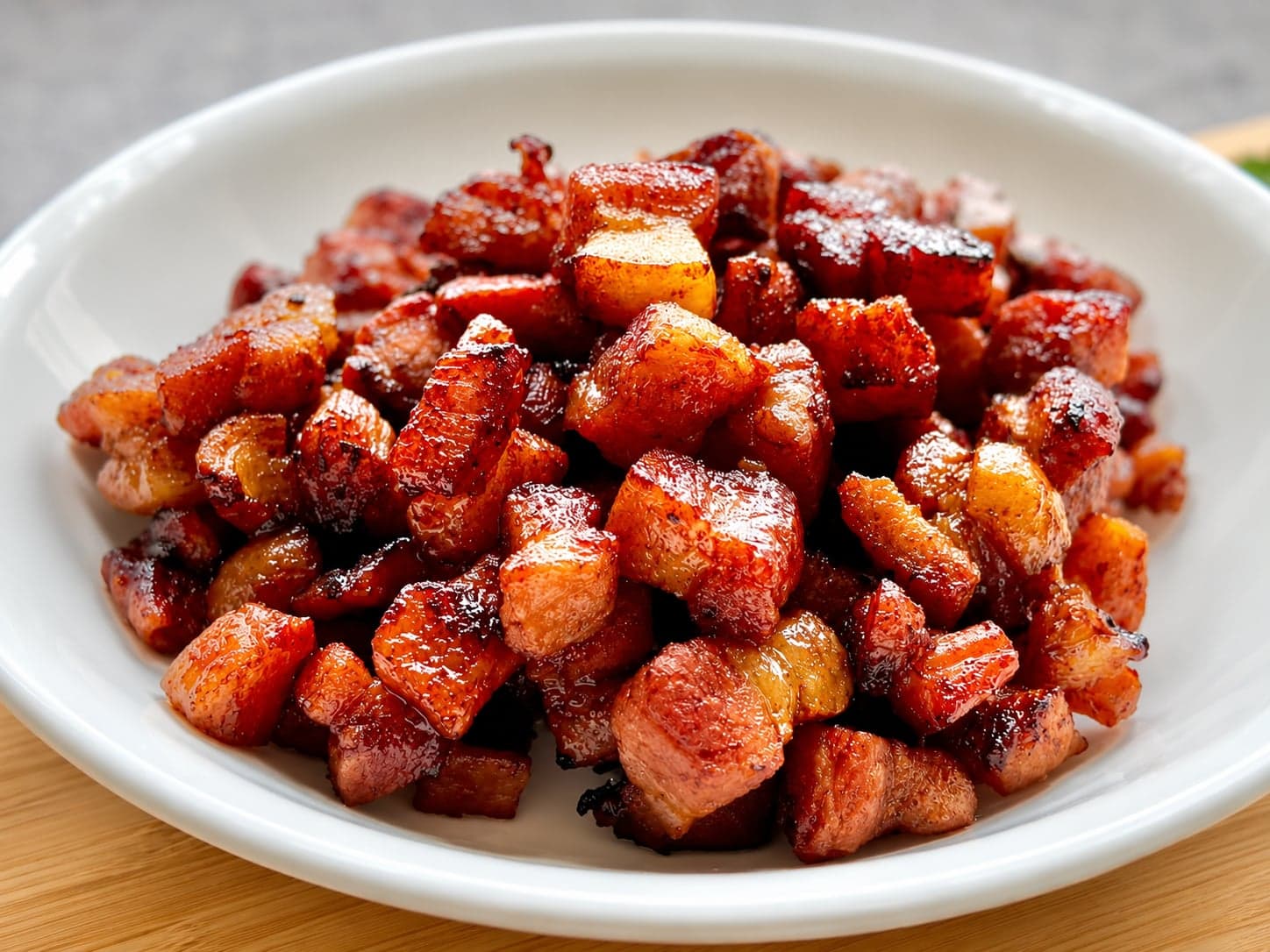
Hand-pulled egg noodles sit in a glossy red-chilli-oil broth with pork intestine, cubes of silky duck-blood curd, and a scattering of crisp pork-fat scraps. The intestine is cleaned and braised until springy, the blood curd is custardy and mild, and the broth is savoury-spicy rather than burning, with a soft numbing edge from green Sichuan pepper.
We take you to one of the city's older Changwang houses on the morning shift, when the broth is at its richest from the night before. Your guide orders both the standard bowl and a lighter version so a first-timer reads the dish with and without the chilli. A small plate of pickled greens comes alongside to reset the palate between bowls.
Shows and experiences

Multicoloured Guizhou Wind(Duocai Guizhou Feng, the ethnic dance revue)
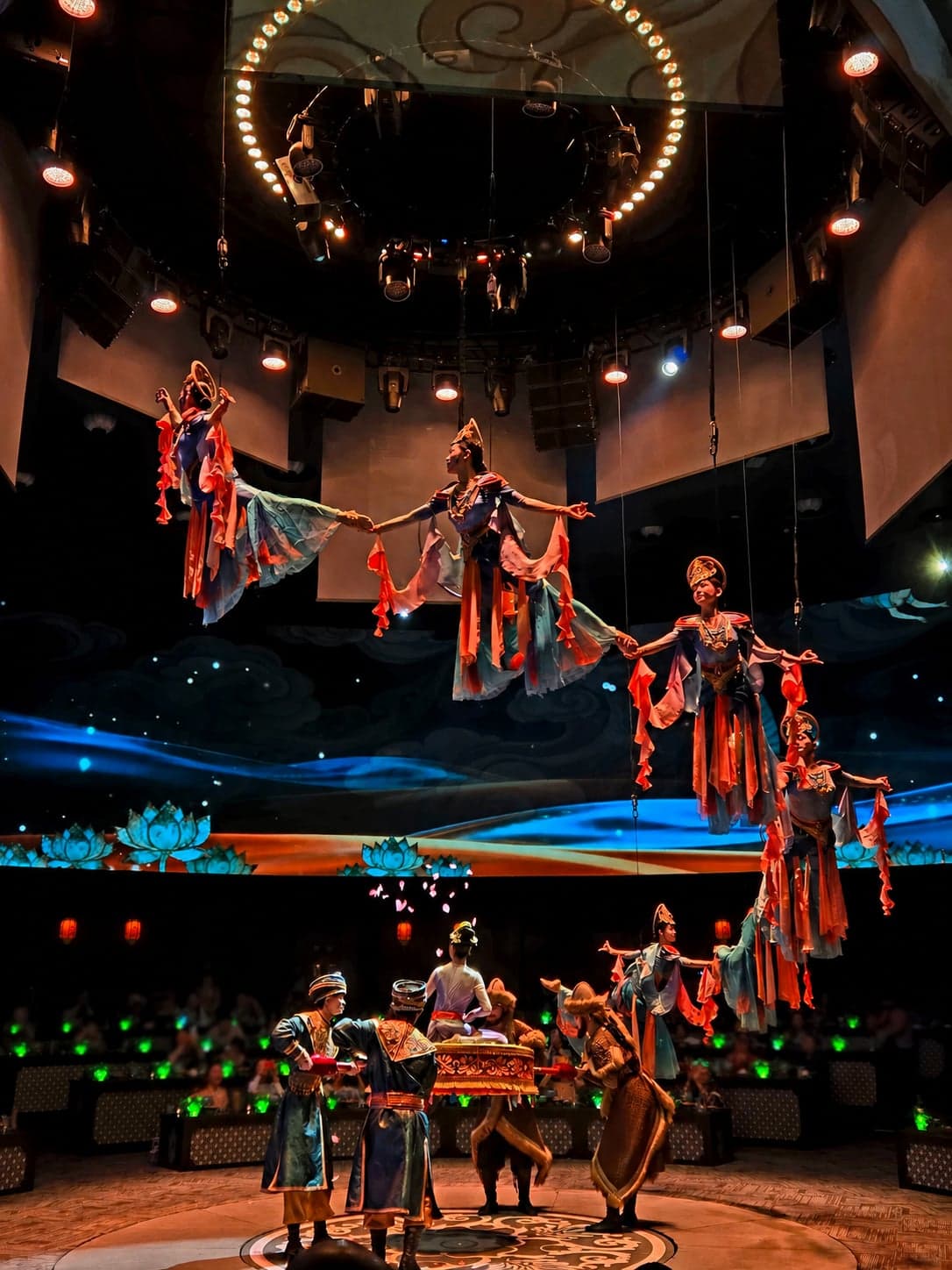
Multicoloured Guizhou Wind is the long-running ethnic song-and-dance revue at the Guizhou Grand Theatre.
The two-hour show carries the music of the Miao, Dong, Buyi and Yi onto a single stage: silver headdresses catching the spotlights, lusheng bamboo pipes, Dong polyphonic chorus, drum and reed-pipe dances. It has played continuously since 2007, with more than 5,000 performances on the count.
We book seats in the central front rows, where the silver costumes carry their actual weight and the lusheng pipes are loudest. The car waits at the theatre exit for a quiet ride back, so the show is not followed by a queue for a taxi. The visit pairs naturally with an afternoon at the Guizhou Provincial Museum, so the costumes on stage carry context.

Miao silver and batik workshop(craft hands-on with a Miao master)
A half-day in a working Miao studio either side of Guiyang: silver-smithing or batik.
The silver session pairs you with a Gaopo master, hammering and engraving a small pendant from a silver round. The batik session draws a pattern in hot wax with a copper knife, then dyes the cloth in a natural indigo vat, the wax cracking under the dye to leave the signature spiderweb lines.
We book the studio against the date and the master's schedule so the session is one-on-one, not a group demonstration. Your guide translates the craft talk in real time, since the masters speak Miao and Guiyang Mandarin between them. Pieces left to set are couriered to your hotel the same evening, so the day reads as a half-day, not a return trip.

Long-table banquet(Chang Zhuo Yan, the Miao village feast)
The long-table banquet is the way a Miao village welcomes guests.
Rows of wooden tables push together down the centre of the village square; sour-fish soup, drum-hidden pork, cured pork and sausage, mountain greens, and clay-jar rice wine arrive in waves. The hosts sing welcome songs as they pour, working table by table in full silver headdress. Toasting is communal, and the rice wine is sweet and mild.
We arrange the banquet at a small Buyi or Miao village in the country around Guiyang rather than the show-village versions further out, so the room reads as a village hosting guests rather than a performance. Your guide briefs the toasting protocol before the meal, and a non-alcoholic round of plum or rice juice is set up alongside for anyone sitting out the wine.
What three days
might look like.
- Day 01
First read of the city, Miao silver in context.
Begin the morning at the Guizhou Provincial Museum, where the silver and textile halls give a clear primer on the Miao, Dong and Buyi villages you will visit downstream. A relaxed lunch follows in the old downtown, with the afternoon eased into Qianling Mountain Park, the cable car running up to Hongfu Temple and the descent on foot at your own pace. As evening approaches, the route returns to Jiaxiu Pavilion for blue hour, with dinner at a respected old sour-fish-soup house near the river.
- Guizhou Provincial Museum
- Miao silver and textile galleries
- Qianling Mountain Park
- Hongfu Temple
- Jiaxiu Pavilion (blue hour)
- Sour-fish soup dinner
- Day 02
Stone garrisons, willow gardens, a quiet village.
Spend the morning at Qingyan Ancient Town, the Ming garrison village cut from grey stone, with a walk along the south wall and a rose-sugar-cake tasting on Beijie. Continue south for a leisurely lunch at a Huaxi family kitchen, then a slow afternoon in Huaxi Park among the willow bridges and stone islands. As the light softens, the day finishes at Zhenshan Buyi Village, where a village elder hosts a private courtyard tasting of Buyi rice wine and the day's pickled greens.
- Qingyan Ancient Town
- South gate and old city wall
- Huaxi Park
- Flower Stream bridges
- Zhenshan Buyi Village
- Buyi rice-wine courtyard tasting
- Day 03
Karst country, the country's largest waterfall.
Leave Guiyang before seven and drive west into the karst country toward Huangguoshu, the country's largest waterfall. The trail is yours for the first hour, with the Water Curtain Cave walked early before the long midday queues build, and the main viewing platform timed for the late-morning rainbow. A relaxed Buyi-kitchen lunch follows on the road back, with the afternoon left soft. For those wishing to extend the day, a half-day Miao silver workshop with a master silversmith can be set up on return to Guiyang.
- Huangguoshu Waterfall
- Water Curtain Cave (behind the cascade)
- Main viewing platform
- Buyi-kitchen lunch
- Miao silver workshop (optional)
Best time
March to May; September to October
Days needed
2 to 3 days
Where it sits
Two scheduled hours by air from Beijing or Shanghai; two hours from Kunming by high-speed rail
Questions worth
answering early.
Two to three full days is the right shape. One day inside the city for the museum, Qianling and Jiaxiu Pavilion. One day for Qingyan, Huaxi Park and a Buyi village. A third day west for Huangguoshu Waterfall, with the option of a half-day Miao silver workshop on return. Add further days if you want to push deeper into the Qiandongnan villages around Kaili and Xijiang.
Hand us the dream,
We carry it through.
From your first enquiry to your last airport pickup, our specialists design your trip and stay in contact every step of the way. The guides, drivers and hotels you'll meet are part of our trusted network we've worked with for years, briefed to the same standards.
- Dedicated specialists, start to finish
- Guides briefed to our standards
- Fully transparent, no hidden costs
- No deposit until you confirm
Stretch the trip. Stitch in another.

Kunming
West two hours by rail. Yunnan's ethnic-minority colour continues from Guizhou's; both cities pair on the high plateau.
Read this destination
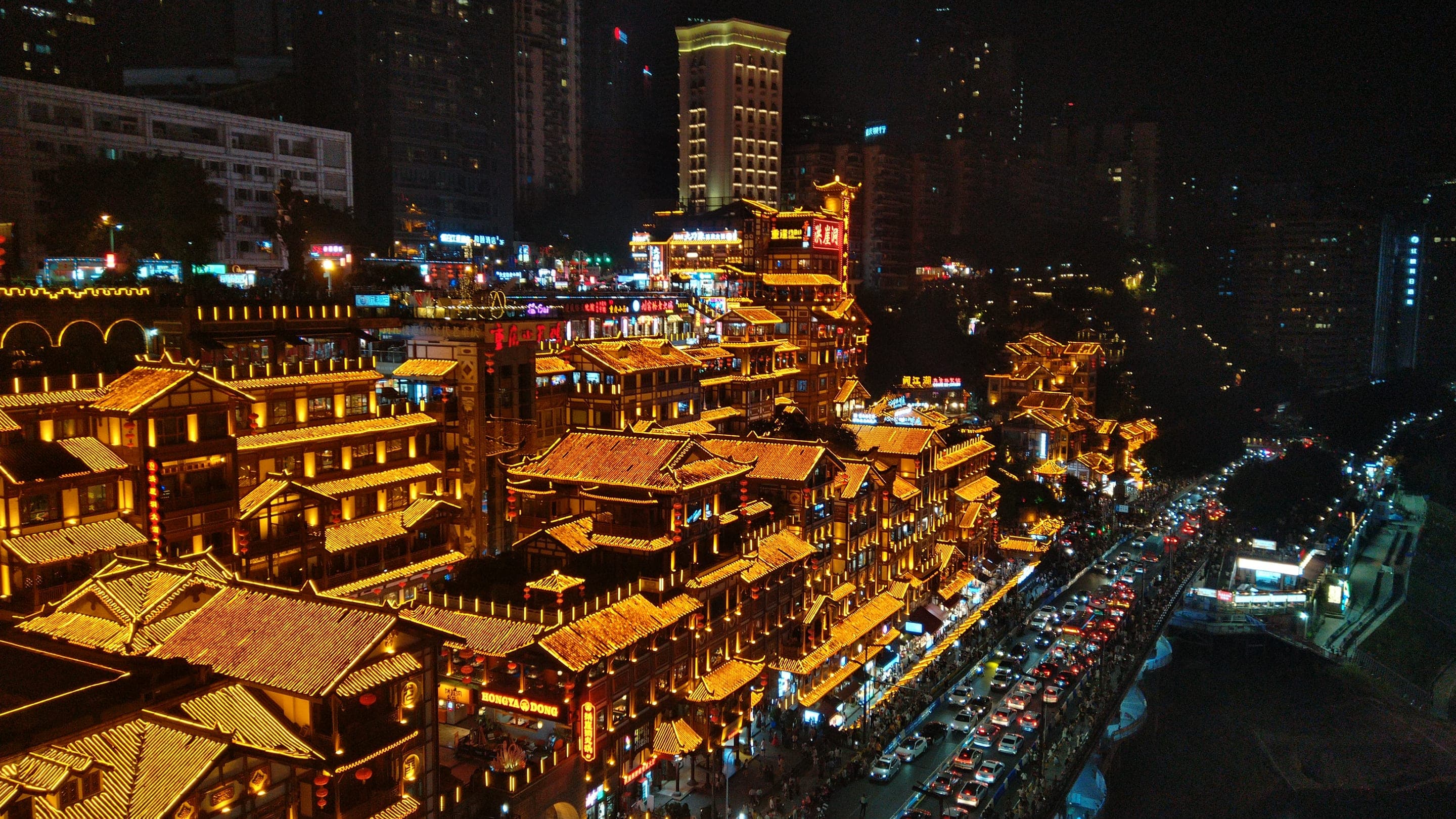
Chongqing
North two hours by rail. Yangtze gateway and a softer continuation through the Three Gorges.
Read this destination
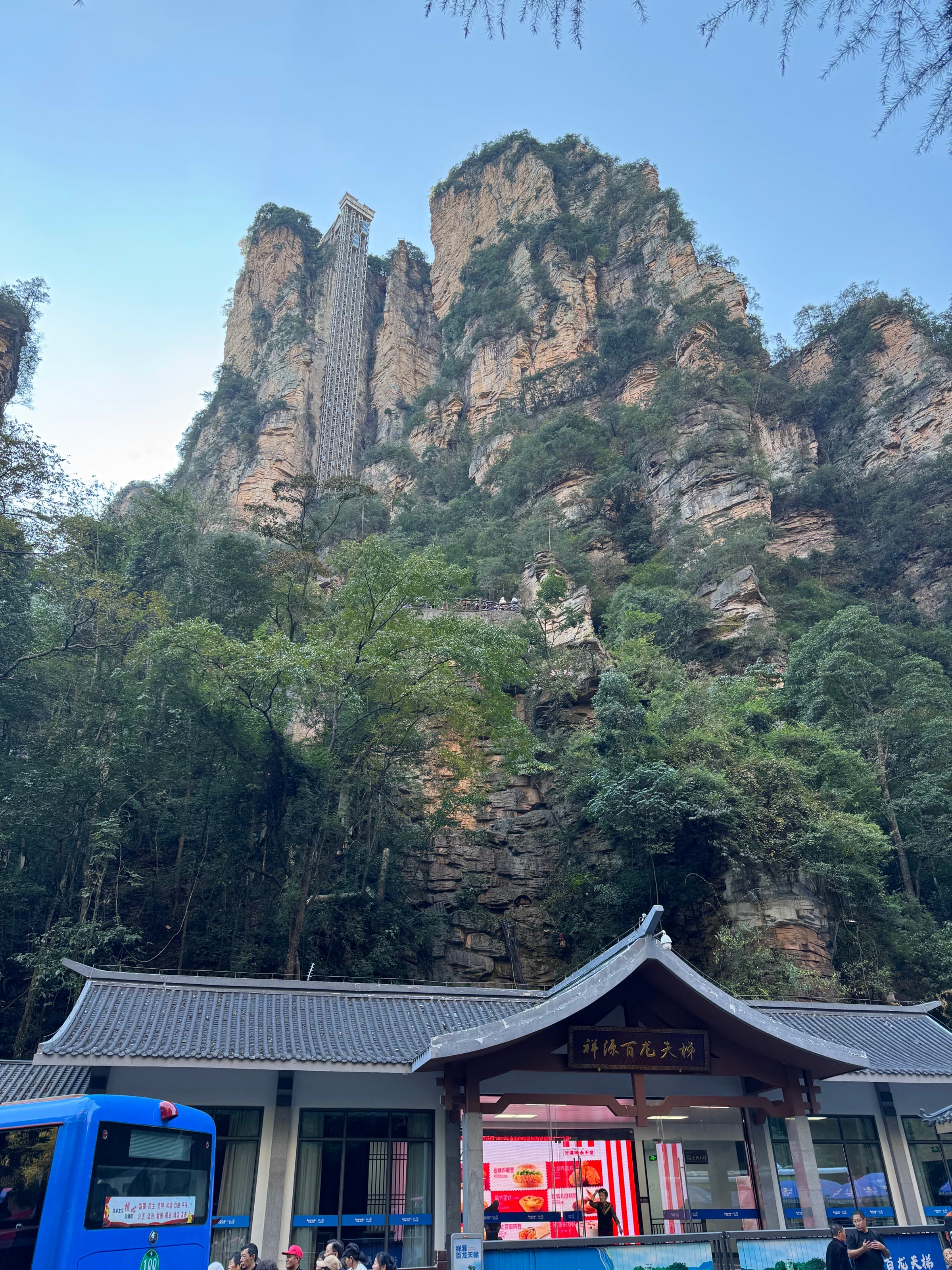
Zhangjiajie
East two and a half hours by rail. Karst pillars and the cable-tram country up at Tianzi Mountain.
Read this destination
Useful before
you enquire.

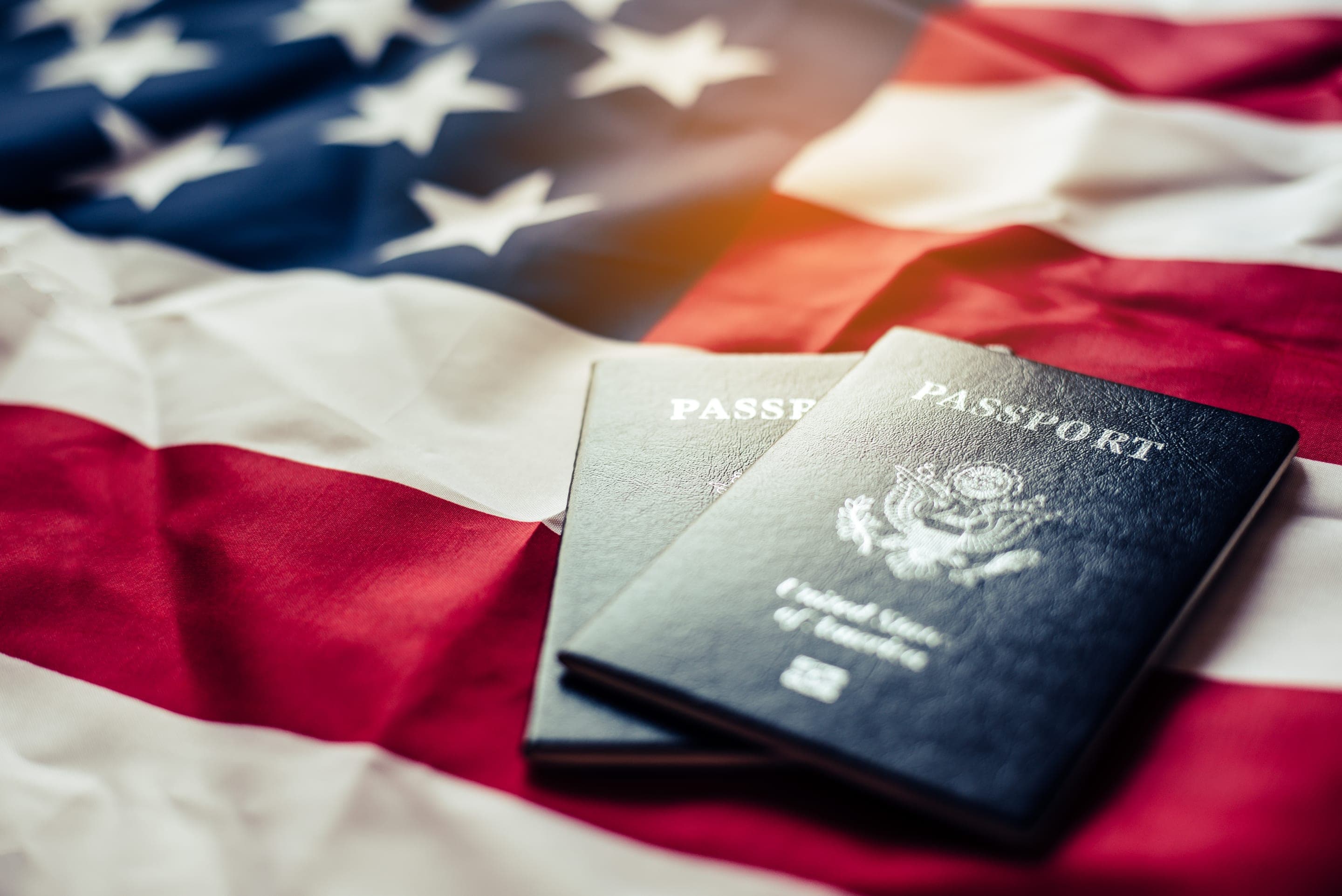
China tourist visa for US travellers
American passports still need a tourist visa for China under current rules. How the L-visa works, what we handle as part of your booking, and what is on you.
Read this guide
When to visit China, month by month
March through May and September through October are the cleanest windows for Guiyang. The whole year, read by climate and crowd.
Read this guide
How many days do you need in China
Guiyang adds 2 to 3 days to a Yunnan-Guizhou loop. What those days hold, and how the legs connect.
Read this guide
Payments and connectivity in China
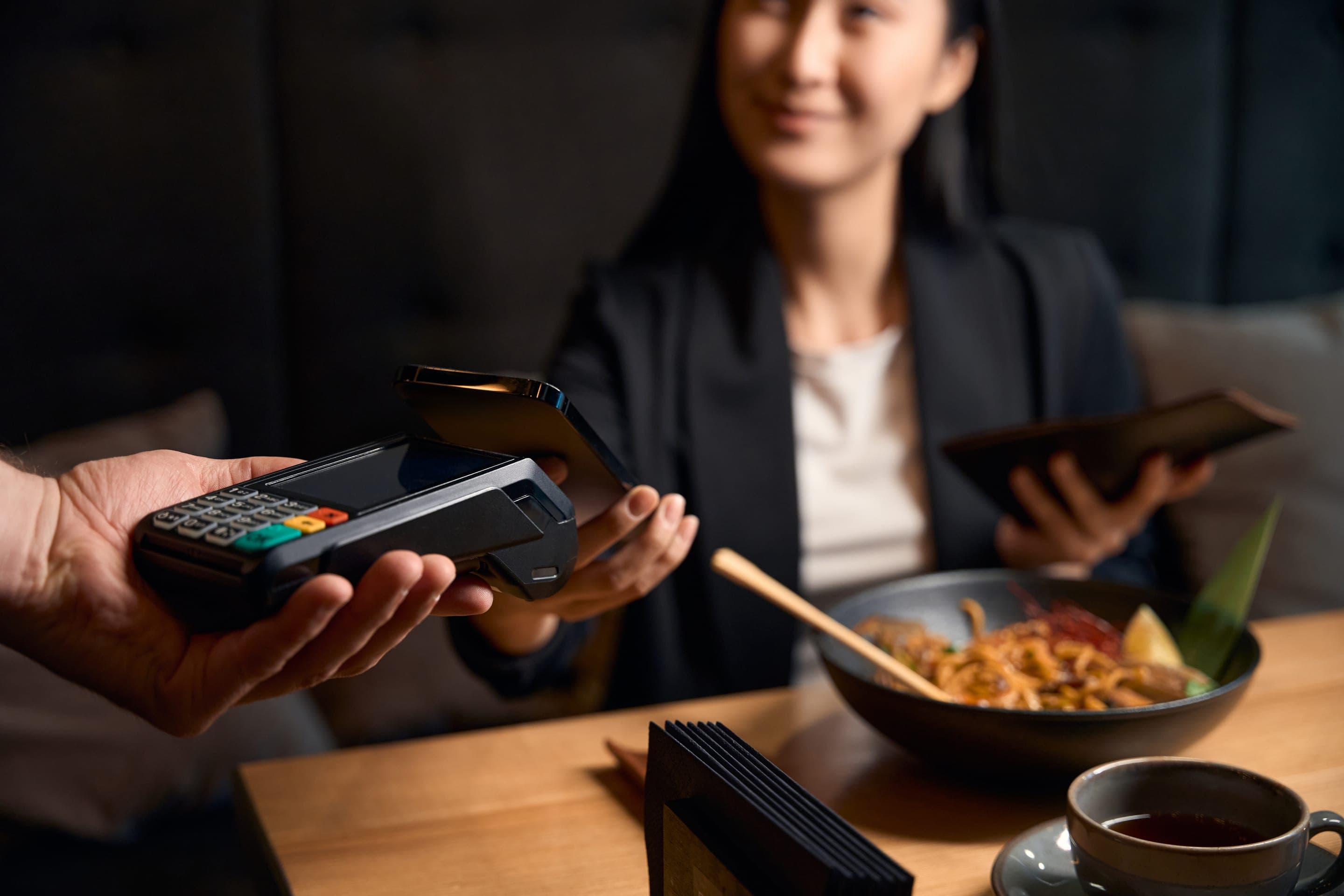
Set up Alipay or WeChat Pay before you fly. Cards work widely after binding, but limits and small merchants need planning.
Read this guide
How our pricing works
What sits inside the figure on your quote, and what sits outside it. The structure, written out.
Read this guide

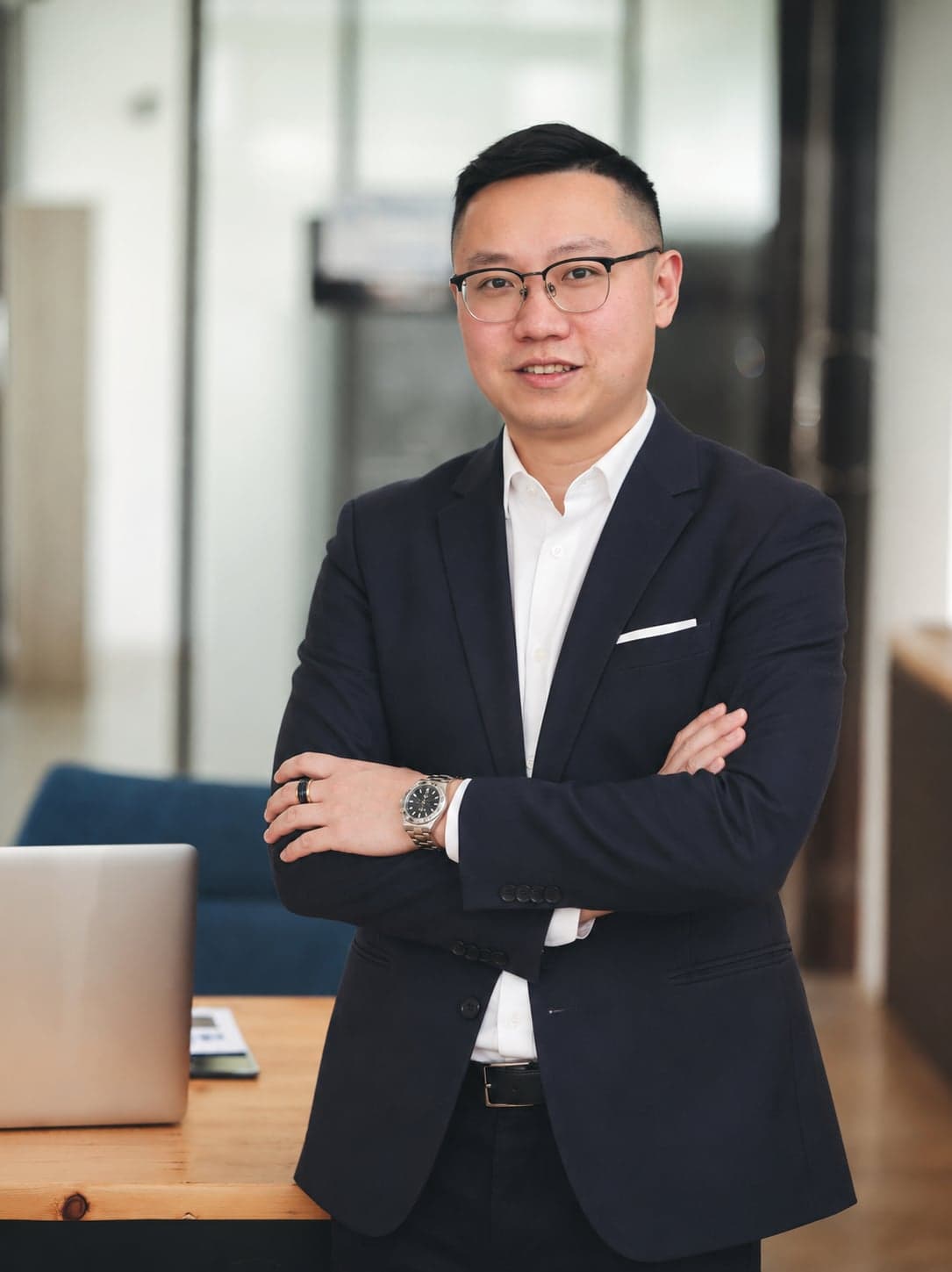
Jack Guo
Senior Travel Specialist
Jack has spent ten years working with the guides, drivers and hoteliers across China. He'll be your contact from first enquiry to final airport pickup.
Tell us about your Guiyang trip
Five quick questions. We'll send you a Guiyang-anchored draft with the price within one business day. No deposit. No hard-sell.